


Medicinal Cannabis in the UK: What You Need to Know
Introduction
Medical cannabis has opened new doors for patients across Britain since November 2018. With medicinal cannabis for sale in the UK, you might wonder how this treatment option could help manage your condition when conventional therapies haven’t provided the relief you need.
This comprehensive guide covers everything about medicinal cannabis UK regulations, from understanding what qualifies as a prescription cannabis UK product to navigating the costs and practicalities involved. You’ll discover the key differences between prescribed medical cannabis and over-the-counter alternatives, learn who can prescribe these treatments, and understand the financial commitment required.
Whether you’re exploring cannabis-based medicine for the first time or seeking clearer information about the UK’s medical cannabis landscape, this article provides practical insights. You’ll gain confidence in understanding prescription cannabis UK pathways, eligibility requirements, and the steps involved in accessing treatment through medical marijuana clinics UK.
Key Takeaways:
- Medical cannabis became legal for prescription in the UK in November 2018
- Specialist doctors can prescribe CBMP UK products for various conditions when other treatments have failed
- Private clinics offer the most accessible route, while NHS prescriptions remain extremely limited
Understanding Medicinal Cannabis in the UK
Medicinal cannabis represents a carefully regulated treatment option that differs significantly from recreational cannabis products. You’ll find that prescribed cannabis follows stringent quality standards, unlike illegal alternatives that carry unknown risks and inconsistent potency levels.
The distinction between medical and recreational cannabis matters more than you might think. While recreational cannabis remains a Class B controlled substance under the Misuse of Drugs Act 1971, making possession or supply illegal, medicinal cannabis UK products operate under entirely different regulations designed to protect patients.
What is Medical Cannabis?
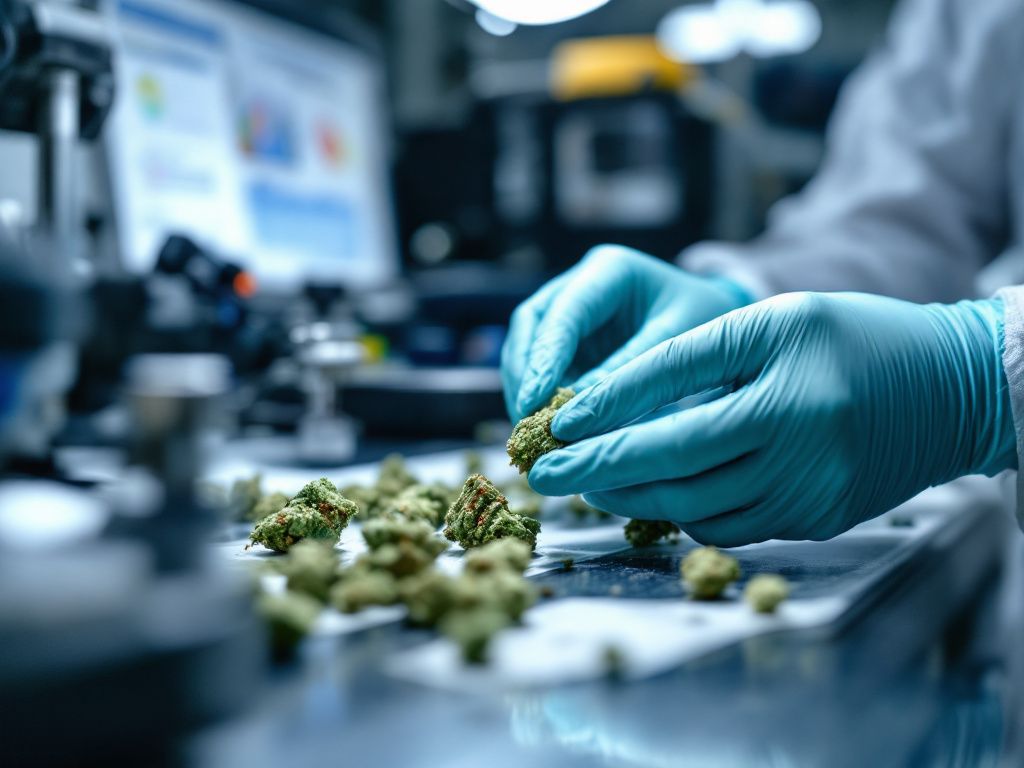
Medical cannabis encompasses cannabis-based products prescribed by specialist doctors to manage various symptoms and conditions. These products contain specific ratios of cannabinoids, primarily THC (Tetrahydrocannabinol) and CBD (Cannabidiol), which interact with your body’s endocannabinoid system.
Your endocannabinoid system regulates essential functions including pain perception, mood, sleep patterns, and appetite. When conventional treatments haven’t provided adequate relief, medical cannabis can offer an alternative approach to managing these biological processes.
Prescribed medical cannabis undergoes rigorous testing and quality control measures. Each batch meets pharmaceutical-grade standards, ensuring consistent potency and purity. This contrasts sharply with unregulated products, which may contain harmful contaminants or unpredictable THC levels.
“Medical cannabis provides patients with treatment-resistant conditions access to standardized, quality-controlled cannabinoid medicines that can significantly improve their quality of life when conventional therapies have failed,” – Professor Mike Barnes, Consultant Neurologist and leading UK medical cannabis researcher.
Legal Status and Key Regulations
The legal framework surrounding medicinal cannabis UK treatment involves multiple regulatory bodies working together. Cannabis-based medicinal products (CBMPs) fall under Schedule 2 of the Misuse of Drugs Regulations 2001, allowing specialist doctors on the General Medical Council register to prescribe them without requiring Home Office licenses.
“The rescheduling of cannabis-based medicinal products in 2018 represented a watershed moment for UK patients, providing a legal pathway to access these medicines under proper medical supervision,” – Dr. David Nutt, former government drug advisor and Imperial College London professor.
The Medicines and Healthcare products Regulatory Agency (MHRA) oversees product quality, safety, and efficacy standards. Meanwhile, the Home Office enforces controlled drug legislation, ensuring that every aspect of the medical cannabis supply chain meets strict requirements.
You should know that possessing prescribed medical cannabis is completely legal when you have proper documentation. However, over-the-counter CBD oils sold as food supplements operate in a different regulatory category. These products often lack quality guarantees and may contain illegal THC levels, making them potentially problematic despite their widespread availability.
Getting a Medical Cannabis Prescription in the UK
Accessing medical cannabis typically requires working with private cannabis prescription providers, as NHS options remain extremely limited. The process involves several steps designed to ensure you receive appropriate treatment tailored to your specific needs.
Most patients find medical marijuana clinics UK offer more accessible pathways compared to NHS services. These clinics specialise in cannabis-based treatments and maintain expertise in prescribing various CBMP UK products for different conditions.
Eligibility Criteria

You must meet specific criteria to qualify for a medical cannabis prescription. The primary requirement involves having a diagnosed physical or mental health condition that hasn’t responded adequately to at least two conventional treatments.
Conditions commonly treated through private cannabis prescription services include chronic pain disorders such as fibromyalgia, arthritis, neuropathic pain, and persistent back pain. Mental health conditions including anxiety, depression, PTSD, OCD, ADHD, and chronic insomnia also qualify for consideration.
Neurological conditions like Parkinson’s disease and autism spectrum disorders may be suitable for medical cannabis treatment. Women’s health issues, particularly endometriosis and severe menopausal symptoms, represent growing areas of medicinal cannabis UK applications.
However, certain exclusions apply. Patients with a history of psychosis or schizophrenia typically cannot access THC-containing products due to potential adverse effects. Your specialist will carefully assess your medical history to ensure treatment safety.
The Prescription Process
Your medical cannabis journey usually begins with researching suitable medical marijuana clinics UK that offer comprehensive services. Many clinics provide online consultations, eliminating geographical barriers and making access more convenient.
The initial process involves completing a detailed pre-screening questionnaire covering your medical history, current symptoms, and previous treatments. You’ll need to provide medical records, often including your NHS Summary Care Record, which your GP surgery can supply upon request.
During your initial consultation, typically lasting 30 minutes, a specialist doctor reviews your case thoroughly. They’ll discuss your condition, assess previous treatment attempts, and determine whether medical cannabis might benefit your situation. This consultation focuses on understanding your specific needs and treatment goals.
If deemed suitable, your specialist creates a personalised treatment plan specifying product types, dosages, and administration methods. The prescription is then sent to a licensed pharmacy specialising in medical cannabis dispensing, ensuring you receive products that meet all regulatory requirements.
Regular follow-up appointments, scheduled every one to three months depending on your clinic’s protocols, monitor treatment effectiveness. These sessions allow dosage adjustments, side effect management, and ongoing treatment optimisation based on your response.
What about NHS access for medicinal cannabis UK treatments?
NHS prescriptions remain extremely restrictive, typically reserved for severe treatment-resistant epilepsy, chemotherapy-induced nausea and vomiting, and multiple sclerosis-related muscle spasticity. Even then, prescriptions are only considered when all other treatments have failed completely.
Costs and Practicalities of Medical Cannabis in the UK
Understanding the financial commitment involved in medical cannabis treatment helps you plan effectively. Private cannabis prescription costs vary significantly based on several factors, including consultation types, product choices, and ongoing monitoring requirements.
The medical cannabis cost UK structure typically involves multiple components beyond just the medication itself. You’ll encounter consultation fees, prescription charges, product costs, and delivery expenses, all of which contribute to your total treatment investment.
Medical Cannabis Cost UK

Private medical cannabis treatment involves several cost elements that you should factor into your budget. Initial specialist consultations typically range from £99 to £150, representing the assessment phase where doctors evaluate your eligibility and develop treatment plans.
Follow-up appointments, essential for monitoring progress and adjusting treatments, usually cost between £50 and £75 per session. These regular check-ins ensure your treatment remains effective and safe throughout your medical cannabis journey.
Product costs represent the largest ongoing expense in most treatment plans. Monthly medication expenses generally range from £100 to £450, depending on your prescribed products, dosages, and consumption patterns. Medical cannabis flower products typically cost around £7.99 to £9.99 per gram, while oils and vaporiser cartridges have their own pricing structures.
“While private medical cannabis treatment requires investment, patients often find significant value when conventional treatments have failed to provide adequate symptom relief,” – Dr. Jon Liebling, medical cannabis specialist and founder of the Cannabis Clinics Group.
Some medical marijuana clinics UK offer subscription packages that bundle consultations, prescriptions, and medical cannabis delivery UK services. These packages can provide cost savings compared to paying for each service separately, though you should compare total costs carefully.
Access schemes exist for specific groups, including military veterans and patients receiving certain benefits. These programmes can significantly reduce treatment costs, making medicinal cannabis UK more accessible for those facing financial constraints.
Medical Cannabis and Driving UK

Driving while using prescribed medical cannabis is legal provided you remain unimpaired behind the wheel. The key distinction lies between legal possession and safe driving ability, which you must assess honestly before operating any vehicle.
THC can cause drowsiness, impaired coordination, and slower reaction times, potentially affecting your driving ability. You must evaluate your condition honestly and avoid driving if you experience any impairment symptoms, regardless of your prescription’s legality.
A valid prescription provides statutory medical defence if police stop you and detect THC in your system, even if levels exceed the standard legal limit of 2 micrograms per litre of blood. This defence protects you from drug-driving charges when you’re using cannabis legally and not impaired.
Always carry proper documentation including original prescription packaging with dispensing labels, a copy of your prescription, and a doctor’s letter confirming your treatment. These documents prove your legal right to use cannabis and can prevent unnecessary complications during roadside checks.
You typically don’t need to inform the DVLA about your prescription unless your underlying medical condition affects driving ability. The prescription itself doesn’t require notification, though some conditions treated with medical cannabis may need reporting to the licensing authority.
BudBuddies: Your Partner in Medical Cannabis Access
BudBuddies understands the challenges patients face when navigating the UK’s medical cannabis system. As a trusted provider of premium cannabis products, BudBuddies supports your treatment journey with 100% cannabis-derived products that meet the highest quality standards.
The company’s commitment to full ingredient transparency ensures you know exactly what you’re using, supporting informed treatment decisions. BudBuddies maintains vegan-friendly product options, aligning with ethical considerations important to many patients seeking natural treatment alternatives.
Discrete medical cannabis delivery UK services protect your privacy while ensuring reliable access to prescribed products. The secure online platform makes ordering straightforward, while comprehensive tracking keeps you informed throughout the delivery process.
BudBuddies prioritises sustainable production practices, recognising that patients value environmentally responsible approaches to cannabis cultivation and processing. This commitment extends to packaging and delivery methods, minimising environmental impact while maintaining product quality.
With extensive experience supporting medical cannabis patients, BudBuddies provides expert guidance alongside premium products. Their privacy-first approach and secure payment options create a worry-free experience that complements your medical treatment plan.
Conclusion
Medical cannabis represents a legitimate treatment option for UK patients who haven’t found relief through conventional therapies. Since 2018’s legalisation, thousands of patients have accessed medicinal cannabis UK treatments through specialist doctors and licensed clinics.
The pathway typically involves private medical marijuana clinics UK rather than NHS services, requiring financial investment but offering comprehensive care and product choice. Understanding eligibility criteria, prescription processes, and ongoing costs helps you make informed decisions about whether medical cannabis suits your situation.
Practical considerations including driving laws, documentation requirements, and follow-up protocols ensure safe and legal treatment use. Regular specialist monitoring optimises treatment effectiveness while maintaining compliance with UK regulations governing CBMP UK products.
As research continues and regulations evolve, medicinal cannabis UK access may become broader and more affordable. Staying informed about developments helps you understand changing opportunities and requirements in this dynamic treatment area.
Your medical cannabis journey requires partnership with experienced providers like BudBuddies, who understand both the medical and practical aspects of cannabis-based treatment. With proper guidance and quality products, medical cannabis can become an effective component of your overall health management strategy.
FAQs
Q: Is medical cannabis legal in the UK?
A: Yes, medical cannabis has been legal since November 2018 when prescribed by specialist doctors on the General Medical Council register. Recreational cannabis remains illegal under current law.
Q: What conditions qualify for a medical cannabis prescription in the UK?
A: Private clinics prescribe medicinal cannabis UK treatments for chronic pain, anxiety, depression, PTSD, neurological conditions, and women’s health issues when conventional treatments have failed. NHS prescriptions are limited to severe epilepsy, chemotherapy-induced nausea, and MS spasticity.
Q: How much does a private medical cannabis prescription cost in the UK?
A: Medical cannabis cost UK varies significantly. Initial consultations range from £99-£150, with monthly medication costs between £100-£450 depending on products and dosages. Follow-up appointments typically cost £50-£75, though some clinics offer bundled packages.
Q: Can I drive after taking prescribed medical cannabis?
A: Yes, provided you’re not impaired. Always carry your prescription documentation as legal proof, and honestly assess your fitness to drive. Drowsiness, slow reactions, or coordination problems make driving unsafe regardless of prescription legality.
Q: Are there different types of medical cannabis products available?
A: Yes, CBMP UK products include oils, capsules, sublingual sprays, and dried flower for vaporisation. Your specialist recommends the most suitable form based on your condition, dosage requirements, and personal preferences.


