


Medical Cannabis Card UK: Everything You Need to Know
Introduction
Medical cannabis regulations have transformed considerably since becoming legal in November 2018, creating new possibilities for patients exploring alternative treatment options. Many people ask about the “medical cannabis card UK” and wonder whether they need one for their treatment journey.
While these cards aren’t legally mandatory, they serve as valuable verification tools that can ease interactions with authorities and provide extra peace of mind. Your prescription, original medication packaging, and valid photo ID remain your primary legal requirements:
- Your official prescription
- Original medication packaging
- Valid photo ID
This comprehensive guide will explain what a medical cannabis card actually does, explore the different types available across Britain, and walk you through the prescription process from start to finish. We’ll also examine eligibility requirements, associated costs, and practical advice for navigating your medical cannabis treatment confidently. Whether you’re considering this treatment path or already prescribed, understanding these details will help you access legitimate cannabis medicine while staying fully compliant with UK law.
Key Takeaways
Medical cannabis cards in the UK aren’t legally required but offer valuable verification and reassurance for prescribed patients. Your prescription, original medication packaging, and valid ID remain your primary legal proof. Access to medical cannabis happens predominantly through private clinics treating various conditions, while NHS prescriptions remain extremely limited. Cards from providers like Releaf and Cancard enable quick digital verification and help reduce potential misunderstandings with law enforcement. Understanding the legal framework, eligibility criteria, and treatment costs is essential for safely and confidently managing your medical cannabis access.
Understanding the Medical Cannabis Card UK

Unlike some countries where medical cannabis cards carry legal requirements, the UK takes a different approach. Your legal proof consists of your specialist prescription, medication kept in original pharmacy packaging, and valid identification. However, medical cannabis cards have emerged as helpful support tools for patients, offering additional reassurance and simplifying interactions with various authorities.
These cards primarily serve to provide immediate, verifiable evidence of your legitimate prescription status. This becomes particularly valuable in public settings where you might face scrutiny due to ongoing misconceptions about cannabis use. Most cards feature secure elements like QR codes that link directly to your medical records, enabling quick verification of your prescribed status.
For law enforcement officers, these cards help identify genuine medical consumers and reduce concerns about potential criminalisation for patients. The digital verification system allows authorities to confirm your status within seconds, which can prevent unnecessary complications or delays.
Remember that a medical cannabis card UK functions as a complementary tool rather than a substitute for your official prescription and original packaging. It’s designed to work alongside your existing legal requirements, offering convenience and peace of mind during daily activities.
Navigating Medical Cannabis Prescriptions in the UK

Accessing medical cannabis requires understanding two distinct prescription routes: NHS provision and private clinic services. Since legalisation in November 2018, medical cannabis has become available for specific medical uses, though recreational cannabis remains a Class B controlled substance making possession without prescription illegal.
NHS Prescriptions
NHS prescriptions for medical cannabis remain exceptionally rare, limited to very specific severe conditions where conventional treatments have failed. These typically include:
- Rare, severe forms of epilepsy (Lennox-Gastaut and Dravet syndromes)
- Chemotherapy-induced nausea and vomiting
- MS-related muscle stiffness and spasms
Adults experiencing chemotherapy-induced nausea and vomiting may receive Nabilone (a synthetic THC capsule) when other anti-sickness treatments prove ineffective. People with MS-related muscle stiffness and spasms might access Nabiximols (Sativex), a licensed cannabis-based mouth spray, when alternative treatments haven’t provided adequate relief.
Between November 2018 and July 2022, fewer than five NHS prescriptions for unlicensed cannabis medicines were issued, highlighting just how restrictive this route remains. This scarcity partly stems from National Institute for Health and Care Excellence (NICE) guidelines calling for additional research into medicines containing CBD and THC.
Private Clinic Prescriptions
For most patients seeking medical cannabis treatment, private clinics offer the most viable pathway. This route provides broader access and treats a significantly wider range of conditions, including chronic pain, anxiety, PTSD, and depression frequently qualify for treatment, alongside sleep disorders including insomnia, various neurological conditions, and gastrointestinal issues. Private clinics employ GMC-registered specialist doctors who conduct comprehensive initial assessments, thoroughly review medical records, and determine individual eligibility.
Patients typically need documented evidence of a diagnosed condition that hasn’t responded adequately to at least two conventional treatment approaches before medical cannabis gets considered. The consultation process involves detailed medical history review and symptom assessment to develop personalised treatment plans.
The Process and Costs of Obtaining Medical Cannabis
Obtaining a medical cannabis prescription in Britain, primarily through private clinics, follows a structured process designed to ensure safe, appropriate treatment while maintaining legal compliance.
How to Get a Prescription
Your medical cannabis journey begins with an eligibility assessment and initial consultation. Most private clinics offer online eligibility questionnaires or complimentary initial assessments to determine whether you might qualify for treatment. You’ll need a diagnosed physical or mental health condition that hasn’t been adequately managed by at least two conventional treatment approaches.
Following your eligibility confirmation, you’ll schedule an initial consultation, often conducted via video call with a GMC-registered specialist doctor. During this consultation, your medical history, current symptoms, and previous treatments receive thorough review and assessment. You’ll need to provide relevant medical documentation, including your Summary Care Record and proof of identity.
If deemed eligible, your specialist doctor develops a personalised treatment plan tailored specifically to your needs and condition. This plan includes the specific type of cannabis-based medicinal product (CBMP) and appropriate dosage recommendations. Once your prescription gets issued, the medication typically gets dispensed by specialist pharmacies and delivered discreetly to your address.
Many clinics provide ongoing support and require regular follow-up consultations (often every 120 days) to monitor your progress and adjust treatment as needed. Some providers include medical cannabis card UK issuance as part of their comprehensive service package.
Understanding the Costs

Medical cannabis costs in Britain primarily involve consultation fees and medication expenses, as private prescriptions don’t receive NHS subsidisation. Initial consultation fees typically range from approximately £99 to £285, while follow-up consultations vary from £39 to £75, though some clinics offer free follow-ups through subscription models.
Medication expenses represent the largest ongoing cost, potentially reaching several hundred pounds monthly depending on product type, potency, and required dosage:
- Initial consultation: £99-£285
- Follow-up consultations: £39-£75
- Cannabis flower: £7.99-£9.99 per gram
- Cannabis oils: £135-£150 for 30ml
Additional fees might include prescription charges (sometimes waived with subscription services) and delivery costs (often free with subscription models). Various clinics offer access schemes, veteran discounts, or specific financial assistance programs to help manage treatment costs.
When considering suppliers, companies like BudBuddies focus on providing 100% cannabis-derived products with full ingredient transparency, ensuring you receive high-quality treatment that aligns with sustainable and ethical practices.
Legal Framework and Patient Protection
The legalisation of medical cannabis in November 2018 created important legal protections for patients, but understanding these regulations remains crucial for maintaining compliance and ensuring your safety. While medical cannabis enjoys legal status with proper specialist prescription, recreational cannabis remains a Class B controlled substance.
Legal Basis for Medical Cannabis Use
Cannabis-Based Medicinal Products (CBMPs) can only be prescribed by GMC-registered specialist doctors with particular expertise in treating your condition. These prescriptions are reserved for patients with unmet clinical needs, meaning you’ve tried and failed at least two conventional treatment approaches.
The legal framework ensures prescribed cannabis meets pharmaceutical standards, maintaining stringent quality controls and remaining free from contaminants unlike illicit alternatives. There’s an important distinction between medical cannabis (which may contain THC) and over-the-counter CBD products (which must contain less than 0.2% THC), as these fall under different legal classifications.
Your prescribed medical cannabis undergoes rigorous testing and quality assurance processes, providing confidence in both safety and consistency. This pharmaceutical-grade approach protects you from the variables and potential dangers associated with unregulated products.
Interactions with Law Enforcement
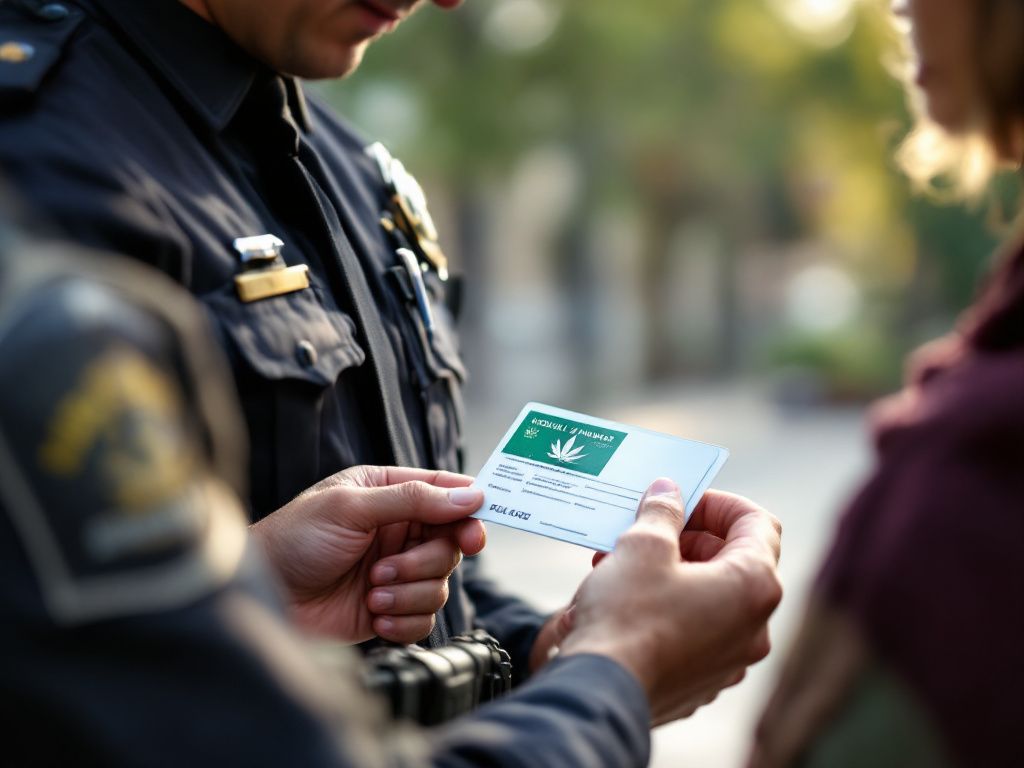
Despite legal status for prescribed medical cannabis, you may still encounter situations requiring verification with law enforcement. Medical cannabis cards, combined with original packaging and prescription documents, provide quick, verifiable proof of your legal status.
Police officers receive increasing training to recognise these cards and exercise appropriate discretion, reducing likelihood of unnecessary arrests for legitimate patients. However, you should always carry medication in original pharmacy-labelled containers, along with prescription copies or clinic letters, and photo identification.
While a medical cannabis card offers additional legal protection, it doesn’t provide absolute immunity from arrest. Personal responsibility remains paramount, especially regarding activities like driving where impairment laws still apply regardless of prescription status.
What happens if you’re stopped without proper documentation?
Having all required documentation readily available prevents complications and ensures smoother interactions with authorities who may be unfamiliar with medical cannabis regulations.
The Future of Medical Cannabis in the UK
Medical cannabis development in Britain continues evolving, with ongoing research, regulatory discussions, and technological advances promising improved patient access and treatment options.
Evolving Regulations and Research
Since 2018 legalisation, the medical cannabis sector has experienced steady growth driven by increasing patient awareness and treatment demand. Research initiatives like Project Twenty21 and studies from organisations such as Drug Science continue gathering real-world evidence on medical cannabis efficacy and safety across various conditions.
These studies play crucial roles in influencing future guidelines and potentially expanding the range of conditions qualifying for medical cannabis prescriptions. Ongoing discussions and campaigns for NHS reform, including proposals like the Medical Cannabis (Access) Bill, could ease prescription restrictions and improve access beyond private clinic limitations.
However, challenges persist including high treatment costs, regulatory complexities, and continuing social stigma around cannabis use. Addressing these issues remains important for improving overall patient access and treatment outcomes.
Improving Patient Access and Support
As the market develops, various initiatives aim to enhance patient access and support systems. Subscription models and clinic partnerships with quality suppliers help manage ongoing treatment expenses for patients. Technology integration, including secure digital verification systems for medical cannabis cards, streamlines care delivery and reduces administrative barriers.
Growing emphasis on patient education ensures individuals receive comprehensive information about product selection, dosage management, and legal responsibilities. Community engagement and patient advocacy groups play vital roles in reducing medical cannabis stigma and creating supportive environments for patients.
Partnerships between reputable clinics and trusted suppliers like BudBuddies, who prioritise 100% cannabis-derived products with full ingredient transparency and sustainable practices, continue improving treatment quality and patient confidence.
Conclusion
The medical cannabis card UK serves as a valuable support tool for patients navigating their treatment, even though it’s not legally mandatory. It provides tangible legitimacy proof, offering peace of mind and streamlining interactions with law enforcement through instant, verifiable prescription confirmation.
The contrast between highly restricted NHS prescriptions and more accessible private clinic options highlights current access realities, where specialist doctors remain essential for facilitating treatment across numerous conditions from chronic pain to mental health issues. As Britain’s medical cannabis sector continues developing through ongoing research, legislative discussions, and technological improvements, patients can expect enhanced accessibility and support.
Understanding legal framework nuances, prescription processes, and medical cannabis card benefits empowers you to confidently manage your condition while staying compliant. By staying informed and engaging with reputable clinics and supportive communities, you can ensure access to high-quality, legally compliant care that promotes a more compassionate understanding of medical cannabis across Britain.
FAQs
Is a medical cannabis card legally required in the UK?
No, a medical cannabis card isn’t legally required in Britain. Your primary legal proof consists of your specialist prescription, original medication packaging with pharmacy labels, and valid photo identification. The card provides additional reassurance and enables quick verification when needed.
What conditions qualify for a medical cannabis prescription in the UK?
Private clinics treat various qualifying conditions including chronic pain, anxiety, PTSD, depression, and certain neurological or gastrointestinal issues, provided two conventional treatments have been unsuccessful. NHS prescriptions remain exceptionally rare, limited to severe epilepsy cases, MS-related spasms, and chemotherapy-induced nausea.
Can I get medical cannabis on the NHS?
NHS medical cannabis prescriptions are exceptionally rare, restricted to specific severe cases like certain paediatric epilepsies, MS-related muscle spasticity, and chemotherapy-induced nausea where other treatments have failed. Most patients access treatment through private clinic services.
What are the costs associated with a medical cannabis prescription in the UK?
Costs include initial consultation fees ranging from approximately £99 to £285, follow-up consultation charges of £39 to £75 (sometimes free with subscriptions), and monthly medication expenses potentially reaching several hundred pounds depending on product type and dosage requirements.


