


After Eating Edible No Effect? Reasons and Fixes
Introduction
Getting no effect after eating an edible can be confusing, anticlimactic, and make it feel as if your whole plan for the evening just fizzled out. It happens more often than many people admit, and even regular THC users still get caught out.
You wait, nothing seems to happen, and the doubts start. Was it a weak gummy, the wrong dose, or something about your own body? That nagging uncertainty can put people off edibles for years.
Most of the time there is a clear reason. Timing, tolerance, digestion, genetics, and product quality all play a part, and most of these can be changed with a few small tweaks. This guide from BudBuddies walks through what is really happening in your system, how long you should wait, when tolerance or biology might be the main factor, and how lab tested products from budbuddies.cc cut down guesswork.
So let’s start by looking at why edibles behave so differently from smoking or vaping in the first place.
Why Edibles Work Differently to Smoking or Vaping
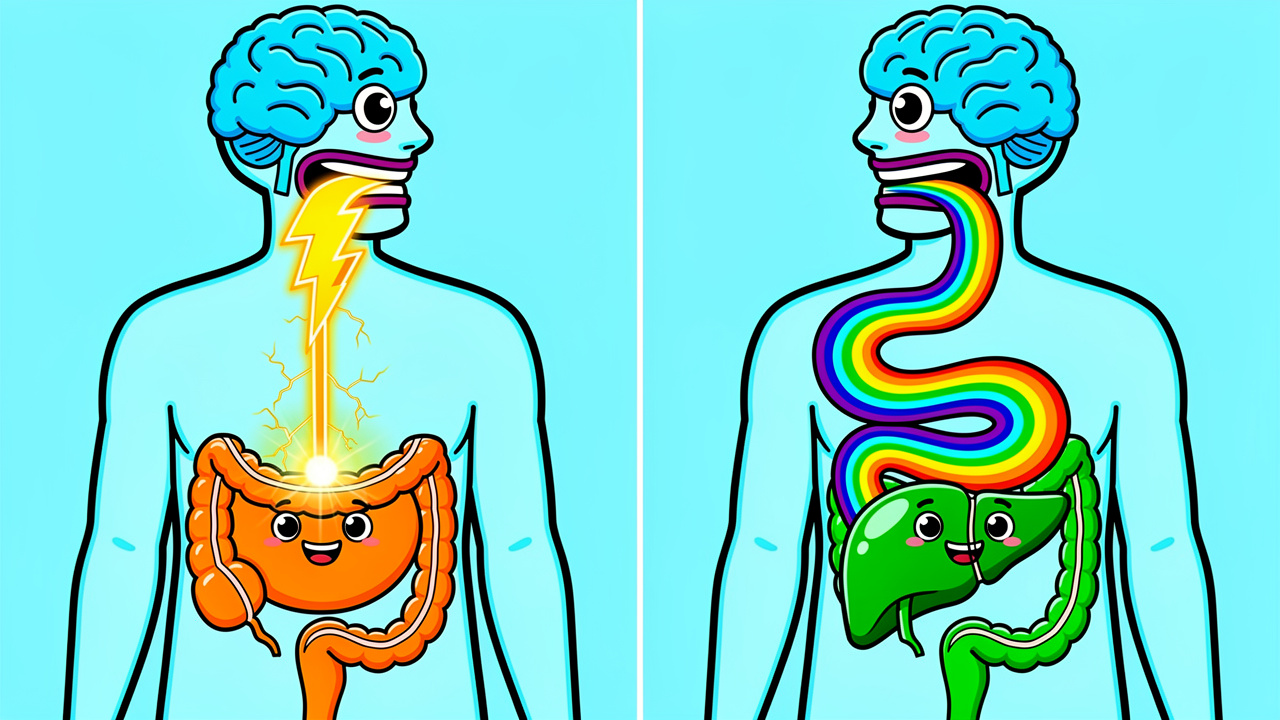
Edibles feel different from smoking or vaping because THC takes a longer and more complex route through the body before it reaches the brain. Instead of going straight from your lungs into your bloodstream, it has to pass through your stomach, intestines, and liver. That extra route explains many of the “after eating edible no effect” stories.
When you swallow a BudBuddies gummy or brownie, it first breaks down in the stomach. THC and CBD are absorbed in the small intestine, then travel to the liver. There, liver enzymes convert THC into 11‑hydroxy‑THC, a metabolite that crosses into the brain more easily and often feels stronger and longer lasting.
A review in Frontiers in Pharmacology reports that oral THC has a bioavailability of around 4 to 20 percent, while inhaled routes sit closer to 10 to 35 percent. That means the same milligram number on the pack will never feel identical between a vape and an edible. Part of the dose simply does not make it into circulation when you swallow it.
Guidance from Health Canada notes that oral effects can start anywhere from 30 minutes up to several hours after dosing. So a BudBuddies chocolate square that feels gentle for one person can feel intense and slow‑building for another. Once you understand this, it becomes easier to see why patience and product consistency matter so much.
You Probably Haven’t Waited Long Enough
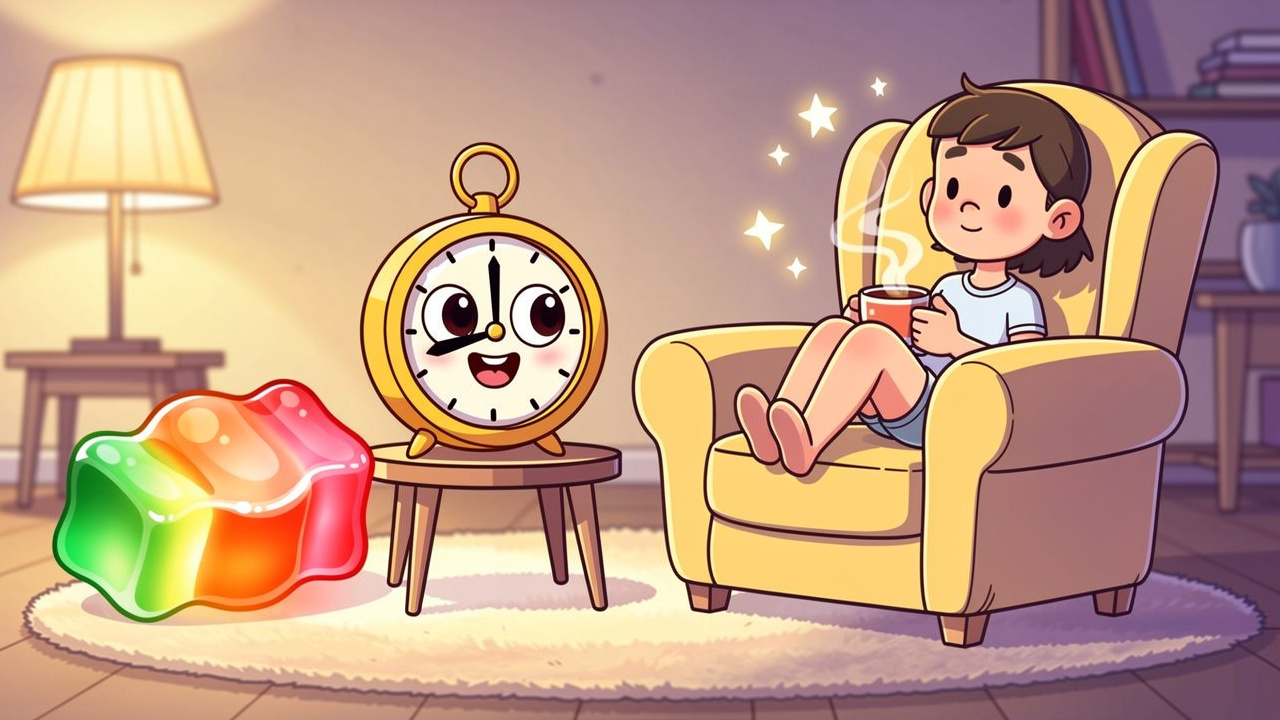
For most people who report that after eating an edible no effect shows up, the main cause is simple impatience. Edibles do not give instant feedback like a THC vape or a quick puff of flower. The active compounds are still moving through digestion long after people decide nothing is happening.
Standard advice from harm reduction groups and medical bodies is that edible onset often takes 30 to 120 minutes. Recent guidance shared by Health Canada explains that, in some cases, peak effects might not appear for up to four hours. Redosing before that window has passed is the easiest way to move from “nothing is happening” to “this is far too strong” later on.
“Start low, go slow” is the standard advice for cannabis edibles.
— Health Canada
At BudBuddies, every edible comes with clear timing information on the label, plus dosing guidance pages on budbuddies.cc. The brand recommends starting with 5 to 10 milligrams of THC, especially if you are newer to the format. Then wait a full two hours before even thinking about taking more.
BudBuddies also offers an edible dosage calculator that factors in body weight and tolerance. That tool gives a sensible starting point, then you layer patience on top. The combination of accurate dose, realistic timing, and a bit of self‑control solves a large share of “no effect” nights.
What Affects Your Onset Time
Several personal factors change how fast a BudBuddies edible gets to work. Two people can eat the same gummy and feel effects at very different times, which often feeds the confusion.
Stomach contents matter a lot. A completely empty stomach can bring a faster onset but sometimes a sharper, less predictable feel. A very heavy meal can slow digestion so much that your edible seems to vanish for hours before it comes through.
Dietary fats give THC something to bind to during digestion. Because cannabinoids are fat soluble, eating an edible with a light snack that contains healthy fats, such as nuts, yogurt, or avocado, often gives smoother and more reliable effects than with a plain, dry stomach.
Natural digestive speed varies between people. Some have quicker gut transit, some slower, influenced by age, activity level, medications, and general health. If you know you digest food slowly, it is sensible to expect a longer wait for your BudBuddies brownie as well.
Your Tolerance or Biology May Be the Real Issue
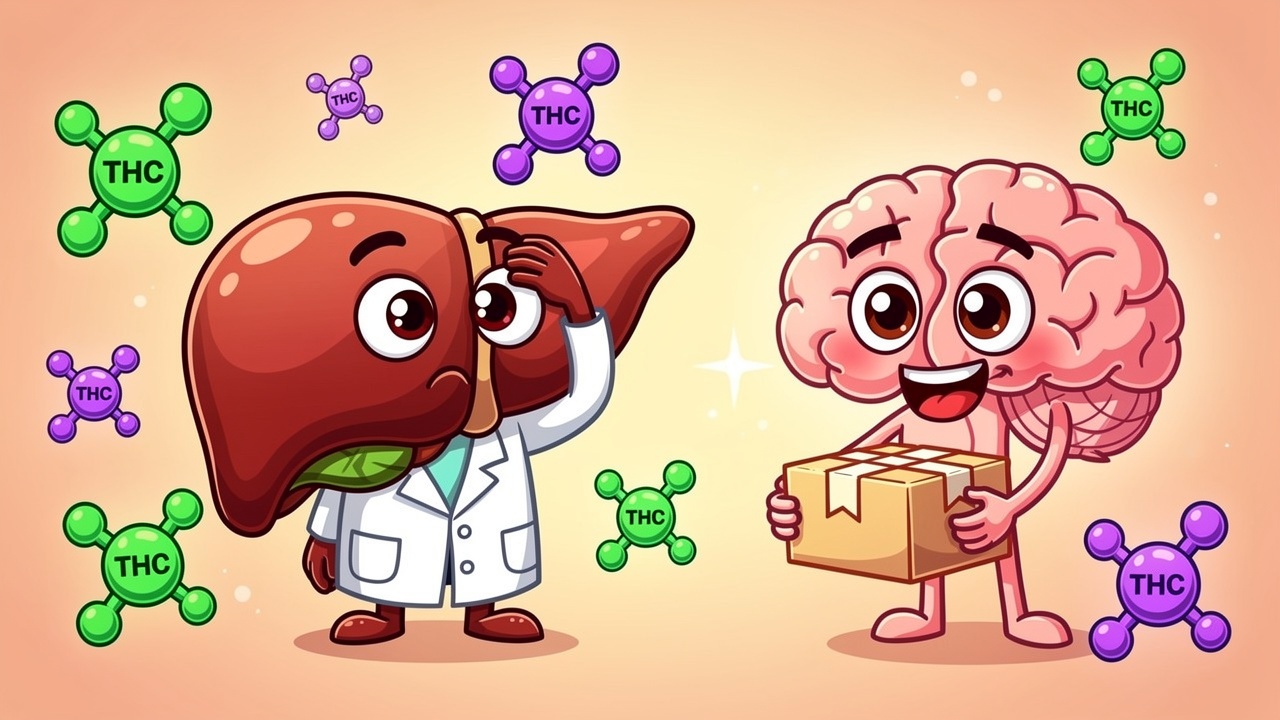
If you still find that after eating an edible no effect shows up even with good timing, your tolerance or biology may be doing most of the work. Regular THC use makes the brain’s CB1 receptors less responsive, and some people also process THC differently at liver level.
According to the National Institute on Drug Abuse, frequent cannabis use changes CB1 receptor availability in the brain over time. Heavy smokers or vapers often need far more THC in edible form than a newcomer. So while BudBuddies might mark 10 milligrams as a sensible starting square on a chocolate bar, an experienced consumer could barely notice that amount.
This effect is known as cross tolerance. The tolerance you build with flower or vapes carries across to edibles, because the same endocannabinoid system is involved. For some daily users, an effective edible dose might sit closer to 20 or even 30 milligrams, always stepped up gradually and never in one big leap.
Biology adds another layer. Liver enzymes, especially CYP2C9, convert THC into 11‑hydroxy‑THC. Resources collated by PharmGKB show that CYP2C9 activity can differ a lot between individuals. If your enzyme activity is lower than average, your body may simply make less of the metabolite that gives classic edible effects.
BudBuddies helps here by offering more than one format. Fast‑acting THC vapes and live resin cartridges on budbuddies.cc bypass first‑pass liver metabolism, while sublingual‑style products can absorb through the mouth. Trying one of these can quickly show whether the issue is tolerance, digestion, or that oral THC just does not suit your system.
The Product Quality Problem: Not All Edibles Are Equal
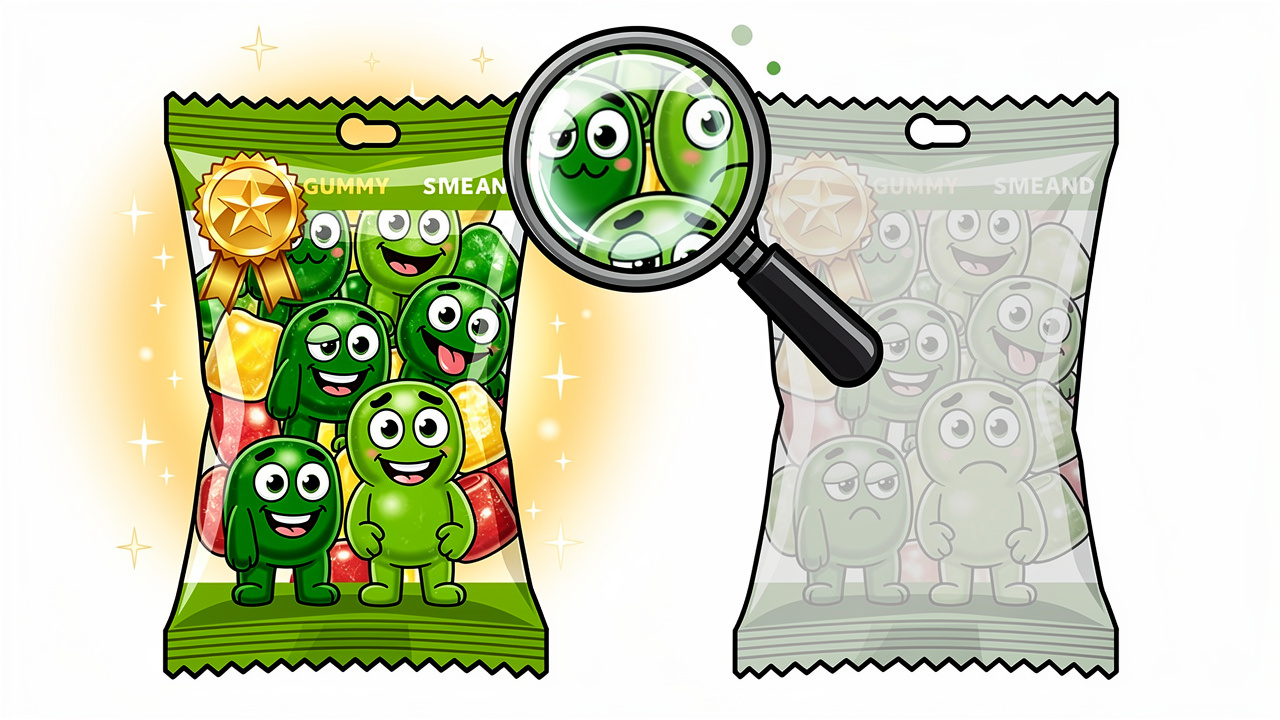
Sometimes the simple answer to “after eating edible no effect” is that the product never held much THC in the first place. Poor infusion, uneven mixing, or sloppy labelling can all leave you with a weak or wildly inconsistent experience.
A study in JAMA looked at labelled THC strengths in cannabis edibles and found that only around 17 percent were accurately marked. The rest were either under‑labelled or over‑labelled, which shows how unreliable unverified products can be. Homemade trays of brownies also tend to have “hot” and “cold” spots where THC clumps in one corner and barely appears in another.
“Accurate labelling of THC content is essential to avoid both underdosing and overdosing.”
— JAMA study on cannabis edibles
BudBuddies approaches this differently. Every gummy, chocolate bar, baked good, capsule, and beverage in the range is lab tested for cannabinoid content. Potency is checked so the milligram numbers printed on the packaging match what is inside. When you choose a 10 milligram BudBuddies gummy you know that is what you are actually swallowing, not an optimistic guess.
To make life easier, BudBuddies products are built for straightforward dosing. Bars are neatly scored, gummies are clearly portioned, and capsules each contain a specific, labelled amount. Guidance on storage, such as keeping products cool, dark, and sealed, helps protect THC from heat and oxygen, which both speed up breakdown.
Here is how that looks in practice:
BudBuddies gummies come in measured pieces that repeat the same dose every time. This lets you test a starting amount, write down how it felt, then repeat or adjust next time without worrying that the next piece is secretly twice as strong or half as strong.
BudBuddies chocolate bars and baked goods are made with even cannabinoid distribution. Each square or portion carries the same THC content as the last, which removes the usual homemade guesswork. When combined with clear lab reports, this gives people real confidence that the product is not the weak link.
Still No Effect? Here’s What to Try Next
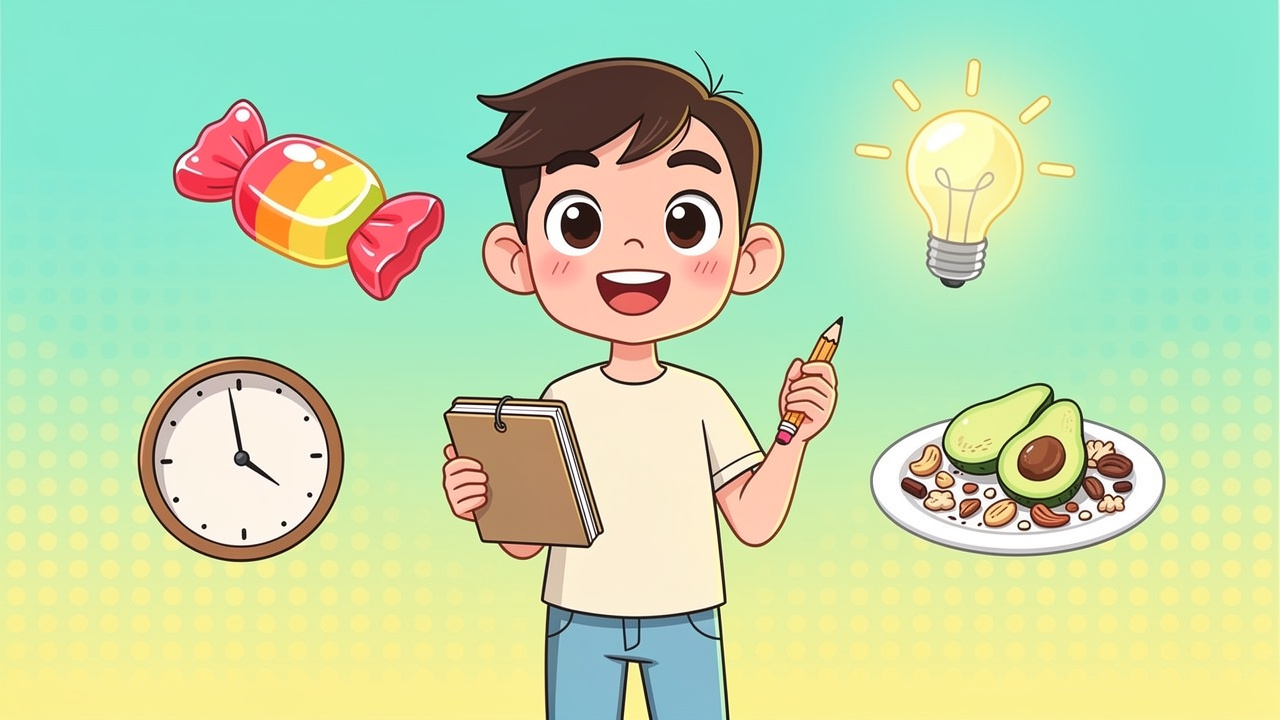
If you have bought reliable BudBuddies edibles, waited sensibly, eaten with a small amount of fat, and still feel after eating edible no effect, then the format itself might not match your body. That is not a failure, just a sign to adjust the approach.
First, consider running a short short tolerance reset if you are a heavy user. Even a week with no THC can bring CB1 receptors back towards normal, as highlighted by research summarised by NIDA. When you return to BudBuddies gummies or brownies after a pause, the same dose can feel very different.
Next, experiment with other formats that do not depend as much on digestive quirks. BudBuddies THC vapes and live resin cartridges reach the bloodstream through the lungs, so effects often appear within minutes rather than hours. Cannabis beverages in the BudBuddies line‑up may also feel quicker than dense food, because liquids move through the stomach at a different pace.
Keeping a simple dosing journal can help you spot patterns. After each session, note:
Which BudBuddies product you used
The milligram amount of THC
What and when you ate that day
How long it took to notice effects and how strong they felt
Over a few sessions this record removes guesswork and shows whether the main variable is dose, timing, or biology.
Finally, use the BudBuddies edible dosage calculator on budbuddies.cc together with the journal. That pairing turns trial and error into a methodical approach, giving you a repeatable routine rather than a lucky hit once in a while.
Lõpetuseks / Final Thoughts on Finding What Works for You
When an evening ends with after eating edible no effect, it rarely means edibles “do not work” for you at all. More often it points to timing, tolerance, biology, or product quality, all of which you can adjust with a bit of knowledge.
BudBuddies focuses on taking guesswork out of that process. Lab tested gummies, bars, baked goods, capsules, and beverages give you accurate dosing as a base. Clear guides, calculators, and alternative formats like vapes help you match that base to your own body.
If you are ready to give edibles another try, starting again with precise BudBuddies products from budbuddies.cc, a lower first dose, and a full two‑hour wait is usually the best way to finally feel the experience you expected.
“You can always take more, but you can’t take less.”
— Common cannabis harm reduction saying
Frequently Asked Questions
Question 1: How Long Should I Wait After Eating an Edible Before Taking More?
You should always wait at least two full hours before taking more. Edible THC can take that long, or longer, to reach noticeable levels. Redosing sooner is the main reason people swing from “after eating edible no effect” to feeling overwhelmed later. BudBuddies dosing guidance follows the same patient, step‑by‑step approach.
Question 2: Can Eating on an Empty Stomach Affect Whether an Edible Works?
Yes, stomach contents change both speed and strength of effects. An empty stomach can bring faster onset but less predictable intensity, while a very heavy meal can delay absorption. Because THC is fat soluble, BudBuddies suggests a light snack with some healthy fats for smoother, more reliable effects, which is covered in their dosing guides.
Question 3: Why Do Edibles Work for Some People but Not Others?
Edibles vary between people because of tolerance, liver enzyme activity, body weight, and digestive health. Genetic differences in CYP2C9 can mean some people convert less THC into active 11‑hydroxy‑THC. That can leave them feeling little or nothing from a standard dose, even when friends feel plenty from the same BudBuddies product.
Question 4: Could My THC Tolerance From Smoking Be Stopping Edibles From Working?
Yes, cross tolerance from regular smoking or vaping can make standard edible doses feel barely noticeable. Desensitised CB1 receptors respond less to THC in any form. A short tolerance break of one to two weeks, combined with a careful retest using BudBuddies edibles at stepped doses, often brings back clear, noticeable effects.
Question 5: Are Homemade Edibles Less Reliable Than Shop‑Bought Ones?
Homemade edibles are usually far less predictable than properly made products. Cannabinoids often clump, creating strong and weak sections in the same batch, so one slice might do nothing and the next feels far too strong. Lab tested BudBuddies edibles provide consistent, verified dosing that removes this common variable entirely.


