Best Dry Herb Vape Temperature for Flavour
Introduction
Think of your dry herb vaporiser like an oven. Too cool and things barely cook, too hot and the flavour is gone. For most people, the best dry herb vape temperature for flavour sits in the 160°C–177°C range, where the tastiest compounds come through clean and bright.
This matters because vaping gives you control that smoking never can. Instead of burning everything in one go, a vaporiser lets you choose how hot things get. Inside your herb are cannabinoids and terpenes, each releasing at different temperatures. Get that number right and you taste the herb as it was meant to taste, not just hot plant smoke.
Over the next few minutes, you will see how temperature shapes flavour, vapour feel, and overall effects. You will walk through three clear temperature zones, learn simple tricks to pull more taste from every bowl, and see what to look for in a flavour-focused vaporiser. Along the way, you will also see where BudBuddies – and devices like the BudBuddies Elite Pro – fit into that picture when you want sessions that feel deliberate rather than random.
Why Temperature Controls Flavour In A Dry Herb Vape

Every time you pack a bowl, you are loading much more than ground herb. You are packing a mix of cannabinoids and terpenes, plus other aromatic compounds. Cannabinoids such as THC and CBD shape the main effects. Terpenes provide much of the scent and taste, and they also nudge the overall feel through what many people call the entourage effect.
Each of these compounds turns to vapour at its own temperature. When you light a joint, the heat is far higher than any of those points, so everything scorches at once. That harsh edge and smoky aftertaste come from burnt plant matter and destroyed terpenes — and a new study on inhaled toxins found that switching to a dry herb vaporiser can slash the toxins you inhale by nearly 100% compared to rolling up. With a vaporiser you heat the herb far more gently, so you can pick a temperature where the pleasant compounds boil off without the herb catching fire — a key advantage explained in guides to understanding dry herb vaporizers and how they differ fundamentally from combustion.
Some key terpenes in cannabis sit at very familiar temperature points:
Pinene sits near the lower end of the scale, around 155°C. It carries that fresh pine and woodland smell. When you vape close to this level, you notice a crisp, sharp top note that feels very clean. Pushing the heat much higher mutes that freshness quite fast.
Myrcene appears slightly higher, near 167°C. It has an earthy, slightly musky character that gives many strains their heavy, soothing tone. In the lower and mid ranges this adds depth without becoming too thick. At very high settings it can slide towards a roasted, dull taste.
Caryophyllene rests in a mid band at roughly 165°C. It adds spicy, peppery hints that sit nicely over deeper base notes. Vaping in the mid range often brings this out, especially in richer strains. Taken too hot, it can give the vapour a scratchy edge at the back of the throat.
Limonene leans towards the top of the low range, at about 176°C. This terpene gives sharp citrus notes and a bright, zesty feel. Gentle temperatures keep this tasting fresh and lively. Heavy heat flattens it into something closer to dry peel.
Linalool appears higher again, near 198°C. It has a soft, floral, lavender scent. You tend to meet it once you move into the upper mid range. Used with care it adds a soothing, perfumed layer; driven too hard it can turn quite woody.
The rule that runs through all of this is simple: terpene preservation means flavour preservation. The more you push past the point where these boil, the more you trade taste for thickness and force.
“If you care about taste, treat temperature like seasoning: start gently, then add heat little by little rather than blasting everything at once.”
The Three Temperature Zones Explained
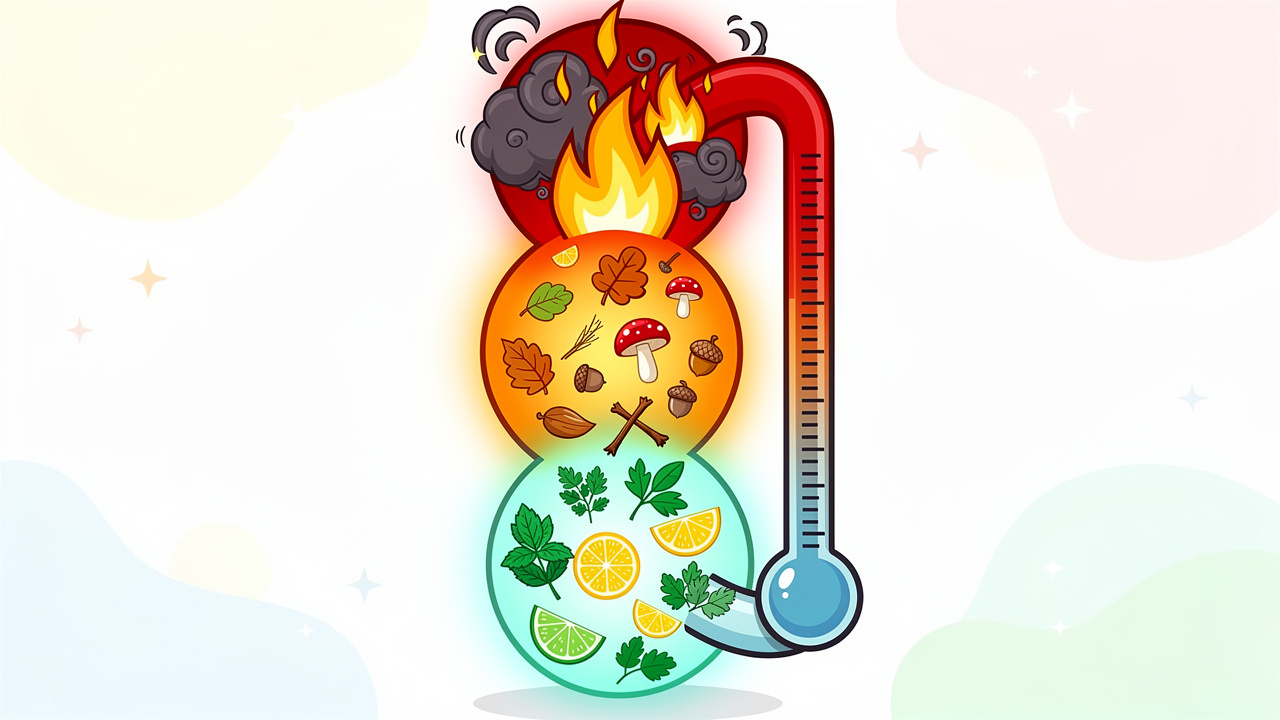
Once you see temperature as a flavour dial rather than just a power setting, the whole idea of vaping becomes far clearer. Instead of hunting for one magic number, it helps to think in zones. Each range has its own character for taste, vapour density, and overall effect. Together they explain why the best dry herb vape temperature for flavour is in the lower band, even if you sometimes choose to go higher.
Low Temperature: 160°C–177°C — The Flavour Zone
This is where the herb shows itself at its freshest, and research into weed vaping temperature consistently places the optimal flavour window in this lower band. Vapour in this range is thin, cool, and very smooth, so it feels gentle on the throat and chest. Clouds may be light or even hard to see at times, but the aroma that comes with them carries plenty of character.
Flavour here leans bright, citrusy, sweet, herbal and clean. The more delicate terpenes such as limonene and pinene stand out, along with the lighter parts of the strain’s profile. Many people compare the taste in this band to smelling the jar for the first time.
Effects in this zone are usually clear and head-led. You still feel THC, but the experience is often described as uplifted and functional rather than heavy. That makes this range ideal for daytime sessions, lighter tolerance, and anyone who wants to stay sharp. If taste is the top priority, this is where you find the best dry herb vape temperature for flavour most of the time.
Mid Temperature: 177°C–199°C — The Sweet Spot
Move into the mid range and things start to thicken up. Vapour becomes warmer and noticeably denser, so each inhale feels more substantial without turning rough. Many regular users sit here by default because it gives a rounded experience with very little guessing.
Flavour shifts towards deeper notes as terpenes such as myrcene and caryophyllene become more active. You still keep plenty of top-note taste at the lower end of this band, but as you creep toward 199°C the profile turns more earthy, woody, rich and grounded. It is less about bright citrus and more about forest floor, spice, and warm herbs.
The effects in this range usually feel balanced between mind and body. There is enough strength for solid relaxation and a gentle body melt, yet you can often still hold a conversation, watch a film, or enjoy music without feeling pinned down. For many people this is the everyday sweet spot where flavour, vapour feel, and effect all meet in the middle.
High Temperature: 199°C–221°C — Potency Over Palate
Above 199°C the session changes gear. Vapour becomes thick, hot, and very dense, which some people find satisfying and others find quite harsh. You are now driving most of the remaining cannabinoids out of the herb, so intensity goes up even as taste drops away.
Flavour in this band turns more toasted and heavy, with nutty, roasted, peppery notes. Many of the brighter terpenes have already boiled off, so what remains feels cooked and quite strong. For pure flavour this is not the best dry herb vape temperature for flavour, but it does have a place when strength is the main goal.
Effects in this range are deep, physical, and often very sleepy. This is where terms such as “couch-lock” come in. It suits late evenings, deep relaxation, and times when you want the bowl completely spent. Just be careful with the very top end. Above roughly 229°C the herb starts to burn rather than vaporise, which means smoke, harsh taste, and unwanted by-products instead of clean vapour.
How To Get The Most Flavour From Every Session
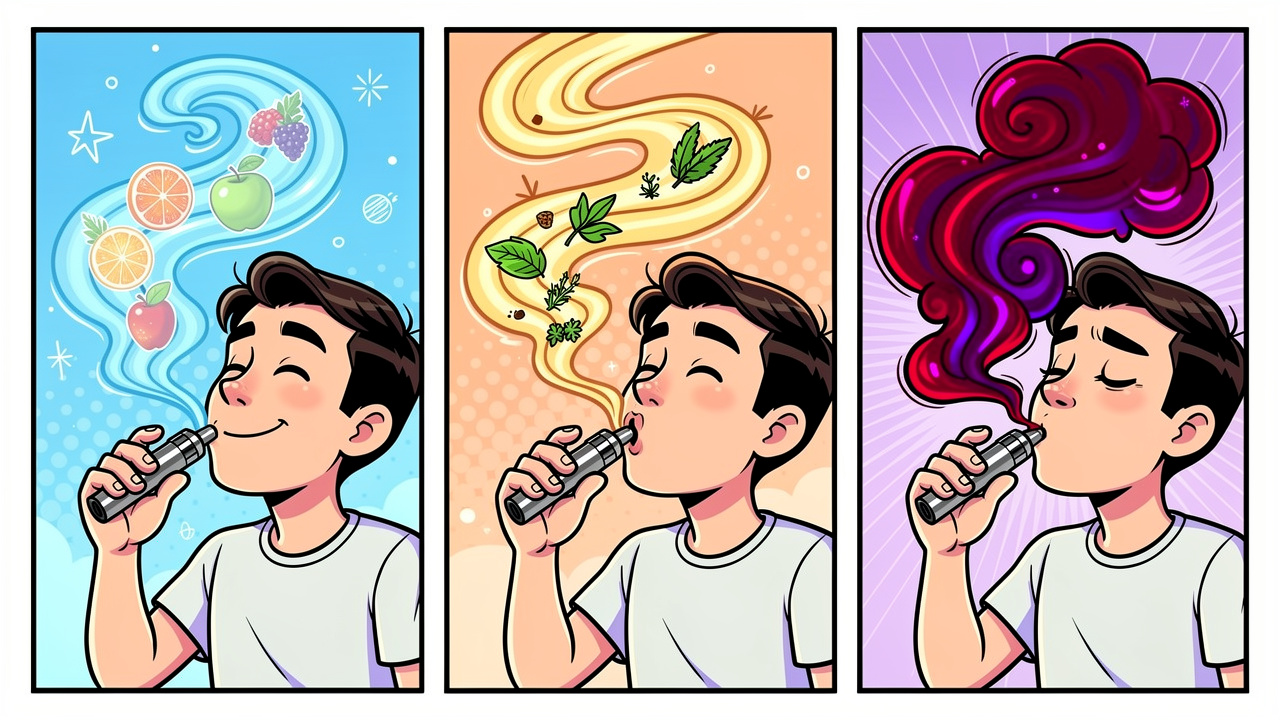
Temperature is the main dial, but it is not the only thing that shapes flavour. How you pack, how you step through temperatures, and how you treat your device all add up. A few small habits can turn the same herb from flat and dull into something you look forward to tasting.
One popular method is temperature stepping. Rather than picking one number and leaving it there, you move through the zones during a single bowl so you taste every layer of the strain.
Begin around 170°C on a fresh bowl and take several slow, steady draws. At this stage you are catching the softest terpenes and the brightest top notes, so pay attention to those first few pulls. When you feel the flavour start to fade and the vapour feel lighter, you are ready for the next move.
Raise the setting by about 10–15°C and stay there for a few more draws. You should notice the taste becoming deeper and the vapour feeling fuller. This is where the mid-range character shows itself, with more earth and spice joining the mix. Keep going until the flavour drops again.
Step up once more into the high band if you want to finish the bowl strongly. At this point you are aiming for full extraction and body-heavy effects rather than careful flavour. If the taste swings from toasty to harsh or you see actual smoke, back the temperature down on the next session.
Many experienced vaporiser users swear by a simple rule: “Start low, go slow, and only turn the heat up when the flavour tells you it is time.”
Several other factors make a clear difference:
Grind size: A medium or medium-fine grind often works best, as it gives plenty of surface area without turning into dust that clogs the screen. Too fine and air struggles to pass through, which can cause hot spots. Too coarse and the heat does not move evenly, so some pieces overcook while others do very little.
Herb condition: Flower that is slightly springy and dry enough to snap gives the cleanest vapour. Very fresh herb can feel steamy and weak until some moisture leaves, while very old, brittle material can taste rough.
Cleanliness: A clean device is non-negotiable for flavour. Regularly brushing out the chamber and wiping the mouthpiece stops old residue from coating every inhale, so the strain you chose at budbuddies.cc actually tastes like itself.
Choosing The Right Vaporiser For Flavour
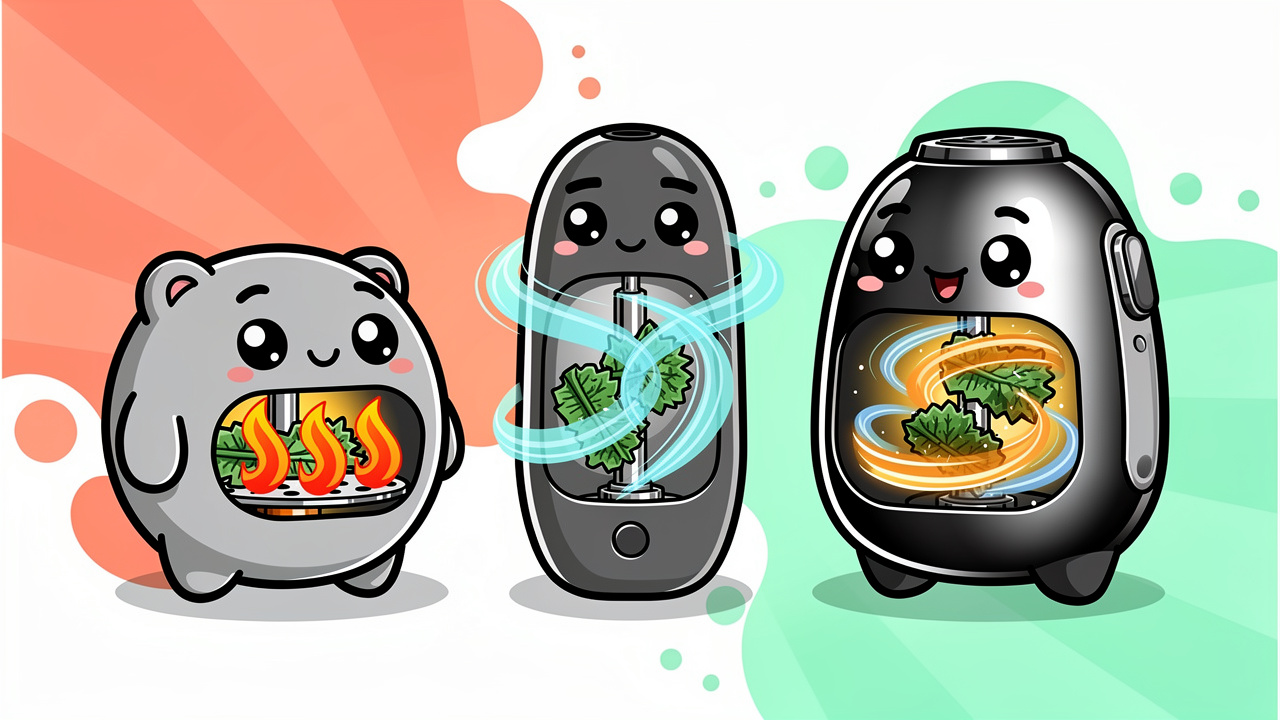
Even with perfect technique, your device sets the limits on how good your herb can taste. Three main heating styles show up in dry herb vaporisers, and each behaves a little differently with flavour.
Conduction devices warm the herb by pressing it against a hot surface. They tend to heat quickly and are often compact, which many people enjoy. The flip side is that the herb touching the metal or ceramic can cook faster than the middle of the bowl. That can push the edges closer to a roasted flavour, especially at higher temperatures.
Convection devices send hot air through the herb instead. Because the air moves around and between the pieces, the load heats more evenly. This style is strongly linked to better terpene preservation, especially when you sit in the low and mid ranges. Flavour stays clearer for longer, and you have more freedom to sit on a temperature without sections of the bowl racing ahead.
Hybrid devices blend both methods, giving you the fast warm-up of conduction and the consistency of convection. The BudBuddies Elite Pro sits in this group. It uses a hybrid heating path with precise digital control, so you can move in single-degree steps rather than rough bands. The clear OLED screen makes it easy to see the exact number, while haptic feedback lets you feel when the device has reached temperature without staring at it.
Because the Elite Pro handles both dry herb and concentrates, it fits nicely if you like to switch formats without learning a new device each time. At BudBuddies we also stock a small, curated range of modern convection vaporisers, all chosen for flavour performance and proper temperature control. Every order from budbuddies.cc arrives in discreet packaging with tracked delivery, so you can focus on finding your own favourite settings rather than worrying about how the box will appear.
When choosing a vaporiser, a handy test is this: can you hit the same temperature and flavour twice in a row without thinking about it? If the answer is yes, you are on the right track.
Conclusion

If you remember one thing from this guide, let it be this: temperature is the main control that shapes taste. The best dry herb vape temperature for flavour usually sits between 160°C and 177°C, the mid range of 177°C to 199°C gives a balanced mix of flavour and effect, and 199°C to 221°C trades subtle taste for power and heavy body feel.
Your perfect number depends on your herb, your device, and how you like to feel. Use the ranges here as a map, try small adjustments, and pay attention to how each strain responds. When you feel ready to pair this knowledge with a device that gives proper, precise control, explore the vaporisers and guides waiting at budbuddies.cc.
FAQs
What Is The Best Temperature For Dry Herb Vaping For Flavour?
For most people the best dry herb vape temperature for flavour is between 160°C and 177°C. In this band the most delicate terpenes stay intact, so you taste bright, fresh notes rather than roasted ones. If you also want stronger body effects, the mid range up to 199°C gives a good balance.
Does A Higher Temperature Mean Better Vapour?
A higher temperature usually gives thicker vapour, but not always better vapour. Once you move past about 199°C, flavour starts to drop away even as clouds become bigger. Below 180°C taste is at its cleanest, while strength rises towards the top of the 221°C ceiling.
What Happens If I Vape Above 229°C?
When you set your vaporiser much above 229°C, the herb starts to burn instead of gently vaporising. That creates smoke rather than vapour, which tastes harsh and acrid. It also brings tar, benzene, and other unwanted by-products into the mix, so it is wiser to stay at or below about 221°C.
Does The Type Of Vaporiser Affect Flavour?
Yes, the type of vaporiser makes a clear difference. Convection devices often keep terpenes tasting fresher at lower temperatures because they heat the herb more evenly with moving air. Hybrid designs combine that with fast warm-up, which is why flavour-focused users often choose devices like the BudBuddies Elite Pro or other curated options from budbuddies.cc.