Weed Paranoia the Next Day: Causes and Fixes
Introduction
That creeping sense of dread the morning after a smoke or edible has a name you might recognise. Heart a bit jumpy, mind racing through every word you said, certain that people are annoyed with you or talking about you. Many call it “the fear” – and when it sticks around, it becomes what lots of people now search for as weed paranoia the next day.
It can feel worrying, especially if everyone else seems fine and you are still on edge. The good news is that this feeling is far more common than people admit, and it has a clear explanation in the way THC works in your brain. In most cases, weed paranoia the next day is a left‑over effect of the high, not a sign that anything is broken or permanent.
“Cannabis rarely invents feelings from scratch – it tends to turn up the volume on what is already there,” as many therapists like to point out.
This guide walks through what is actually going on in your brain, how long these after‑effects tend to last, and why some people are more prone to next‑day anxiety and suspicion than others. You will find simple steps to calm yourself if you are feeling it right now, along with practical ways to reduce the chance of weed paranoia the next day in future sessions. The aim is straightforward: calm, clear information so you can enjoy cannabis more and stress about it less.
Why Does Weed Cause Paranoia The Next Day?
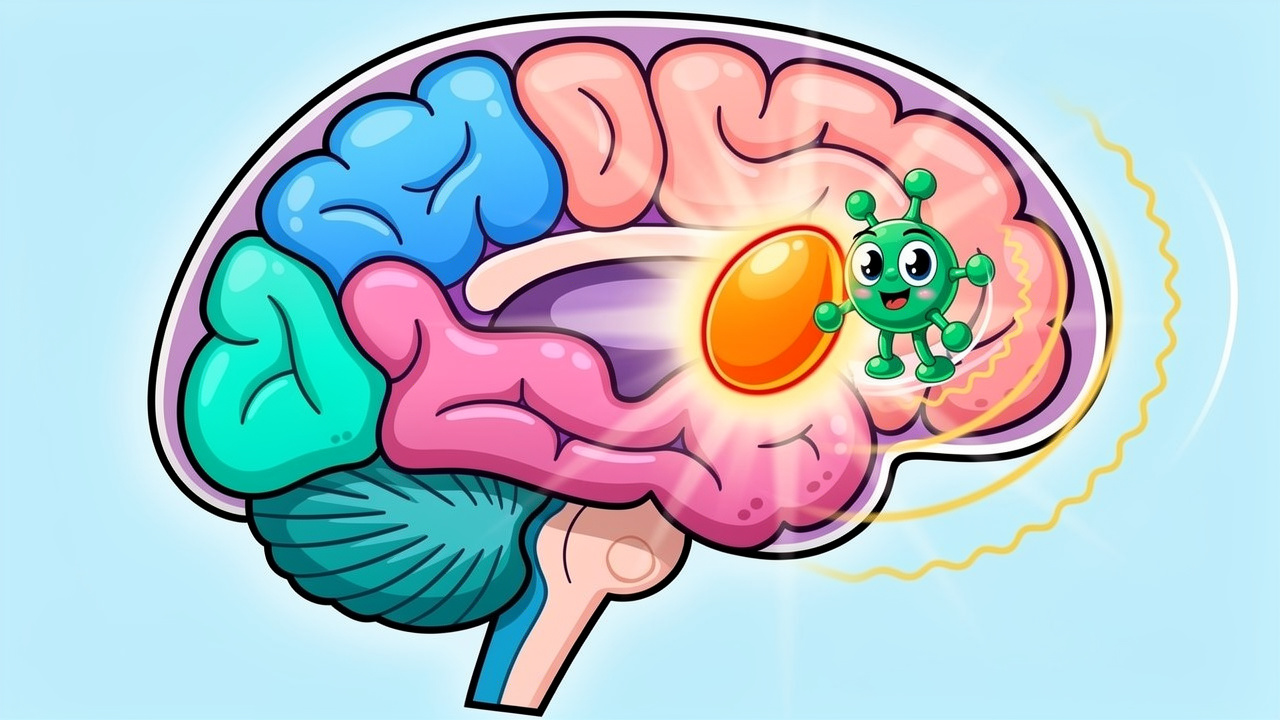
To get a grip on weed paranoia the next day, start with what THC does in your brain. THC is the main mind‑altering part of cannabis is the main mind‑altering part of cannabis. It fits into cannabinoid receptors, including many in the amygdala, the area that helps you spot danger. When that part is overstimulated, you can move from calm to edgy very quickly, and normal sounds or looks start to feel threatening.
This link has been shown in people, not just in theory. In a University of Oxford study, 121 volunteers were given either THC at a dose similar to a strong joint or a placebo. Around half of those who had THC reported paranoid thoughts, compared with about 30 percent on placebo. The researchers judged that for roughly one in five people, THC itself directly caused paranoia.
They also found that THC usually takes an indirect route:
It raises anxiety and negative thoughts about yourself.
It makes the world feel a bit strange or “off”.
Colours can seem brighter, noises louder, and time slightly stretched.
When you already feel uneasy and your senses are turned up, your mind is far more likely to read harmless events as hostile, which is when suspicious stories start forming in your head. That pattern explains why a light, relaxed session can feel fine, while a more intense one tips you into fear.
These changes do not always end when you go to sleep. Your body clears THC slowly over many hours. With smoking or vaping, effects:
Peak within about half an hour.
Fade over four to six hours, though a heavy night can leave a trace for up to a day.
Edibles are slower and longer are slower and longer, often lasting ten to twelve hours, so a big dose can easily spill into the morning and show up as fogginess, anxiety or weed paranoia the next day.
As anxiety researchers often say, “Your brain does not care what time it is – if a signal says ‘danger’, it reacts, even if the threat is just leftover chemistry.”
What Makes Some People More Vulnerable?
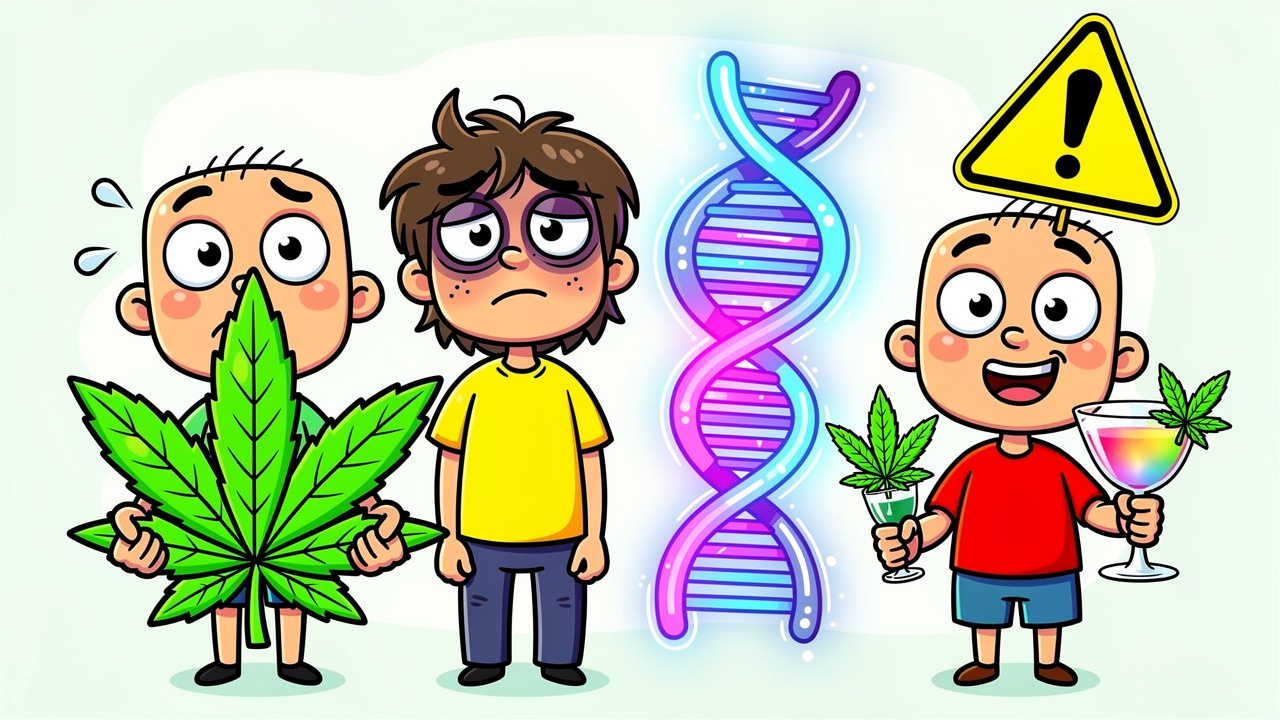
Not everyone who uses cannabis gets hit with weed paranoia the next day. Several factors nudge your risk up or down.
Dose And Potency
The biggest difference between people is often as simple as how much THC they take. Higher strength flower, concentrates and strong edibles all push more THC into your system. Studies suggest that even doses around 12.5 milligrams of THC can sharply raise the chance of anxiety and paranoia in some people, so chasing stronger effects is not always the smart move.Mindset And Stress Levels
Your mindset and emotional habits matter just as much as the numbers on the label. The Oxford research found that people who already tend to worry, think badly of themselves or feel tense going into a session were much more likely to become paranoid. If you are stressed, tired or on edge before you use cannabis, your brain is already primed to see threat, so THC has less work to do to push you over the line.Biology And Brain Chemistry
Biology also plays a role. Early work suggests that the pattern of cannabinoid receptors in the brain changes how you react to THC. Some patterns seem to tilt people towards relaxation, while others make edgy reactions more likely. Hormones may add another layer, with higher oestrogen levels linked to greater THC sensitivity in research, which helps explain why the same product can hit two people so differently.Other Substances And Mixes
Finally, other substances change the picture. Mixing cannabis with alcohol or anything else that affects your mood can make the effects less predictable and often sharper. If you already know that you are the one in the group who is prone to weed paranoia the next day, being careful with dose and avoiding combinations gives you more control, not less.
Once you understand your own risk factors, you can shape your sessions around them instead of being surprised every time.
How To Ease Next-Day Weed Paranoia (And Prevent It Next Time)
Weed paranoia the next day calls for calm. This part gives you fast ways to steady yourself if it is happening right now, then simple changes for next time.
If You’re Feeling It Right Now
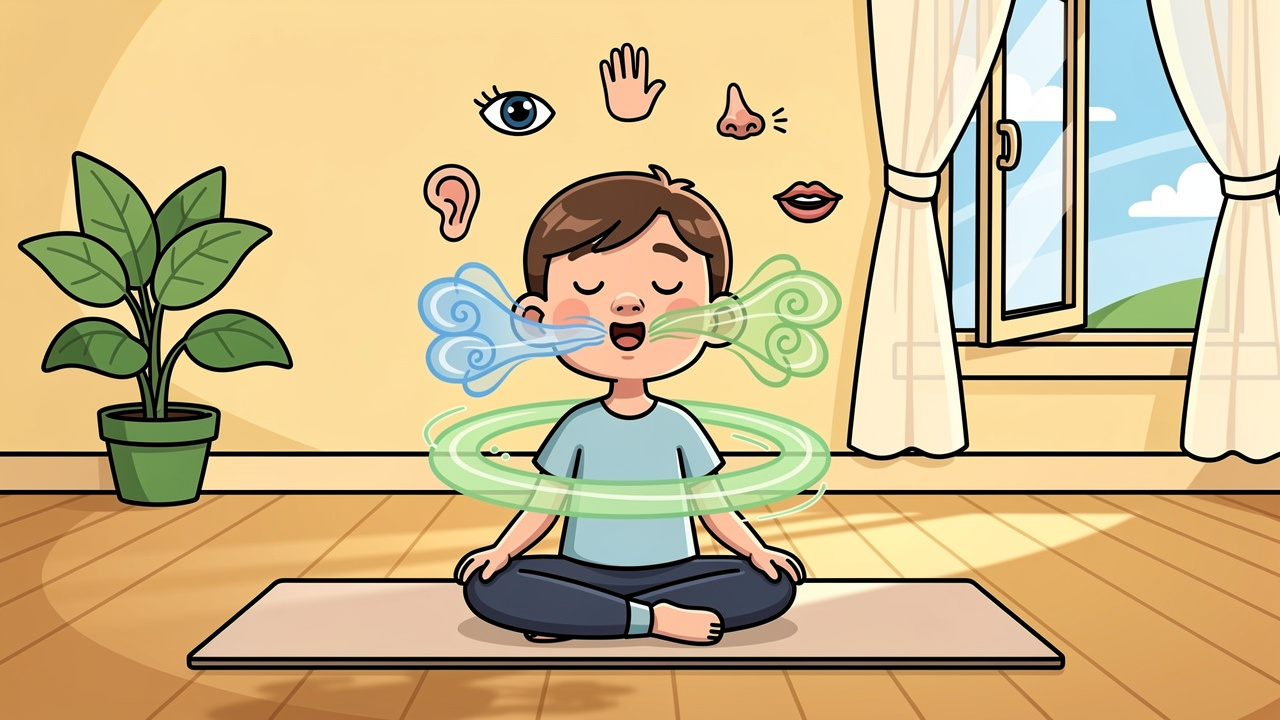
If you are reading this while feeling shaky, start with the basics.
Remind Yourself It Is Temporary
Tell yourself, out loud if it helps, that this feeling is a side effect of THC still clearing from your system, not a permanent change to your mind. Your brain chemistry is slightly out of balance and will settle over the next few hours.Use Your Breath To Slow Your Body
Take slow, steady breaths in through the nose and out through the mouth. A simple pattern is four seconds in, six seconds out for a few minutes. A longer exhale nudges your nervous system towards a calmer state.Ground Your Senses
Try a quick grounding exercise:Notice 5 things you can see.
4 things you can touch.
3 things you can hear.
2 things you can smell.
1 thing you can taste.
This pulls attention away from racing thoughts and back into the present.
Look After Your Body
Sip water.
Have a light, simple snack.
If you can, step outside for a short walk or at least open a window for fresh air.
Skip caffeine and alcohol, as both can push your heart rate and anxiety higher.
Limit Stressful Inputs
Try to stay off social media, news feeds and intense shows. Treat your thoughts like passing weather rather than proof that something terrible is about to happen. If you feel able, talking to a calm, trusted friend can give you a more grounded view of what is going on.
A useful reminder is: “Thoughts are not facts.” The more you can treat scary thoughts as mental noise rather than warnings, the easier it is to ride them out.
How To Reduce The Risk Next Time
The best way to avoid weed paranoia the next day is to ease back on intensity and plan your session with a bit of care.
Follow “Start Low, Go Slow”
For many people, 2.5 to 5 milligrams of THC is a sensible first step with edibles, followed by at least ninety minutes of waiting before another dose. With smoking or vaping, take one or two small puffs and pause to see how you feel.Choose Products With Lower THC Or More CBD
Products with lower THC and more CBD tend to feel smoother for people prone to anxiety. CBD does not get you high and appears to soften some of THC’s sharper edges.Use Clear Information From Trusted Sources
Choosing the right products makes all of this far simpler. On budbuddies.cc you can check THC and CBD information for every item, drawn from lab reports so you have a clearer idea of what you are taking. BudBuddies offers lower‑THC flower, balanced THC:CBD vapes, precise edibles and straight CBD oils, all picked to give you a more predictable experience.Stick To A Simple Guiding Mantra
The BudBuddies mantra sums it up well: start low, go slow, then wait and let each dose guide your next choice. If you know you are sensitive to THC, steer towards CBD‑rich options from the BudBuddies range rather than high‑THC products.Pay Attention To Set And Setting
Use cannabis when you feel reasonably settled, not during your most stressed or exhausted moments. Choose calm surroundings, people you trust and a time where you do not have important tasks hanging over you. That alone can lower the risk of paranoia.Avoid Mixing With Alcohol And Other Drugs
Keeping cannabis separate from alcohol and other substances gives you a clearer, easier‑to‑read high and makes next‑day worry less likely.
A common harm‑reduction saying is, “You can always take more later, but you cannot take less.” That mindset is your best friend if you are prone to anxiety.
When Should You Be Concerned?
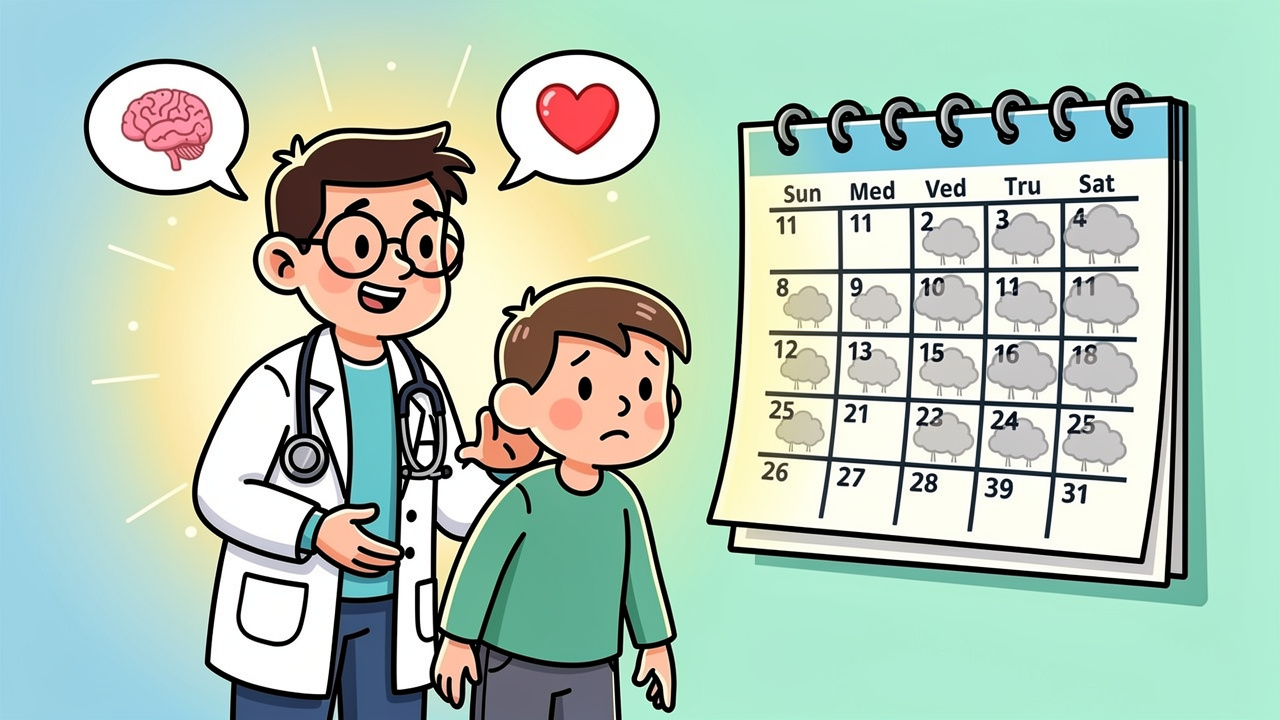
For most people, weed paranoia the next day is unpleasant but short‑lived, fading as THC clears. There are a couple of situations where it is worth paying closer attention.
One is when you have been using cannabis heavily for a long time and then stop. Some people develop what doctors call Cannabis Withdrawal Syndrome, a cluster of mood and sleep changes that can include paranoia and anxiety. These feelings can hang around for up to four weeks while your body adjusts.
If the fear and suspicion stay just as strong beyond a month after stopping, or
If they start to affect your work, studies, sleep or relationships,
then it is wise to talk things through with a GP or another trusted health professional.
The other red flag is a rare condition sometimes called cannabis‑induced psychosis, which is very different from standard weed paranoia the next day. Instead of just feeling watched or judged, a person may:
Have very jumbled or racing thoughts.
See or hear things that others do not (hallucinations).
Hold fixed beliefs that do not match reality (delusions).
Seem unusually angry or withdrawn, or hardly respond at all.
This kind of state needs urgent medical help. It is uncommon; for most people, next‑day anxiety linked to cannabis is a side effect that can be managed. But if you or someone you know shows these signs, seeking professional support straight away is the safest choice.
Conclusion
Weed paranoia the next day can feel alarming, but it is usually a mix of residual THC, a sensitised amygdala and some overthinking. THC can trigger paranoia, especially at higher doses, and mindset, biology and mixing substances all shape how strongly you feel it.
The good news is that you still have room to make things easier on yourself by:
Choosing lower doses of THC.
Picking balanced THC:CBD products.
Using cannabis in calmer settings and avoiding risky mixes.
BudBuddies is built around that kind of thoughtful use, with lab‑linked information, clear labelling and dosing guidance across budbuddies.cc so you know what you are taking. Browse the BudBuddies range and find what works for you, so your next session feels calmer and the morning after is much kinder.
FAQs
How long does weed paranoia last the next day?
For most people, weed paranoia the next day fades as the last of the THC leaves your system. After smoking or vaping, effects usually pass within about six hours, but a heavy session can leave some worry and tension for up to a day. After strong edibles, that uneasy, suspicious feeling can drift well into the following afternoon, especially if you took a higher‑than‑usual dose or did not sleep well.
Why does weed make me paranoid but not my friends?
People vary in how they respond to THC. Genetics, the pattern of cannabinoid receptors in the brain and past experiences with anxiety all affect your sensitivity. Your mindset matters; if you tend to worry or feel low, you are more likely to tip into paranoia. Tiredness, low blood sugar and stressful events during the day can add to this. Choosing lower‑THC or balanced THC:CBD products can bring your experience closer to your friends’ and make anxious reactions less common.
Does CBD help with weed paranoia?
CBD does not get you high, and it seems to soften some of THC’s edges for many people. Those who are prone to weed paranoia the next day often find that balanced THC:CBD products feel calmer than high‑THC options. BudBuddies offers CBD oils, capsules and CBD flower on budbuddies.cc, which can be worth exploring if you know you are sensitive to THC or want a gentler starting point.
Can weed paranoia be a sign of something more serious?
Occasional weed paranoia the next day is common and usually passes on its own as THC clears. It can point to something more serious if:
It lasts for weeks after you stop using cannabis.
It comes with hallucinations, strong delusions or very disorganised thoughts.
It causes major problems with sleep, work, study or relationships.
In those cases, talking with a GP or mental health professional is important. They can check for other conditions, guide you on safer cannabis use or support you in cutting back if that is the right move for you.