


Can Weed Cause Depersonalisation? Risks & Relief
Introduction
Many people Google can weed cause depersonalisation after a high feels oddly distant or unreal. If that has happened to you, you are far from alone. Weed can trigger this feeling for some, especially with strong THC or when someone already feels anxious.
Depersonalisation means feeling detached from yourself, while derealisation is when the outside world seems strange or dream like. Weed can nudge both, usually for a short time, but in a small number of people the sensation lingers and becomes very upsetting. So the short answer to can weed cause depersonalisation is yes, although certain patterns make it more likely.
This guide explains what those feelings are, why cannabis can bring them on, who seems more at risk, and what to do if it happens. It also outlines simple steps to calm things down and how thoughtful product choices from places like BudBuddies can lower the odds next time.
What Is Depersonalisation – And Is It the Same As Derealisation?
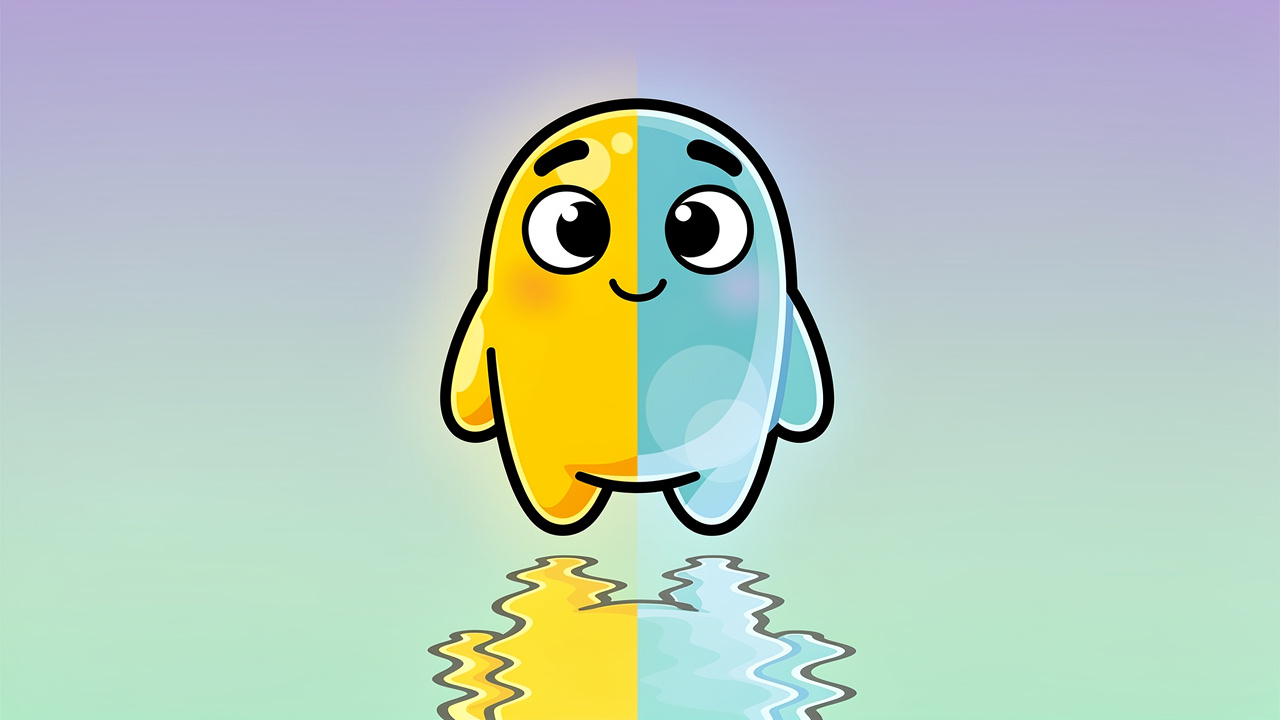
Depersonalisation is the feeling of being strangely separate from yourself instead of fully present in your own mind and body. Derealisation is a related experience where the world around you feels oddly flat or unreal. Together, they sit under the clinical label depersonalisation derealisation disorder, often shortened to DPDR.
In depersonalisation, people often say they feel like they are watching their life on a screen instead of living it. Thoughts, emotions or movements can seem distant, almost like someone else’s. You might hear your own voice and feel detached from it, or notice your hands moving and feel they are not quite yours.
“It feels like I’m watching a movie of my own life rather than being in it.” – How many people describe depersonalisation
Derealisation focuses more on the outside world. Rooms can look slightly wrong, colours may seem muted, and streets you know well can feel unfamiliar. Some describe it as walking through fog, or like there is a sheet of glass between them and everything else. Time can feel slowed down or oddly sped up.
A key point is that people with DPDR still know what is real. They can say that something feels off, but they do not truly believe they are in a dream or on another planet. That clear sense of reality is what separates DPDR from psychosis. Guides from the NHS and the Royal College of Psychiatrists explain this difference clearly.
Short bursts of depersonalisation or derealisation are surprisingly common. According to the Depersonalization/Derealization Disorder – Mental Health reference, around half of adults have at least one brief episode, while only about 1 to 2 in every 100 develop persistent DPDR.
If you felt detached from yourself and your surroundings after using cannabis and found yourself asking can weed cause depersonalisation, you probably experienced both parts of this picture. That can feel alarming, but it is a recognised, documented pattern rather than a sign that you are “going crazy.”
Can Weed Actually Cause Depersonalisation?
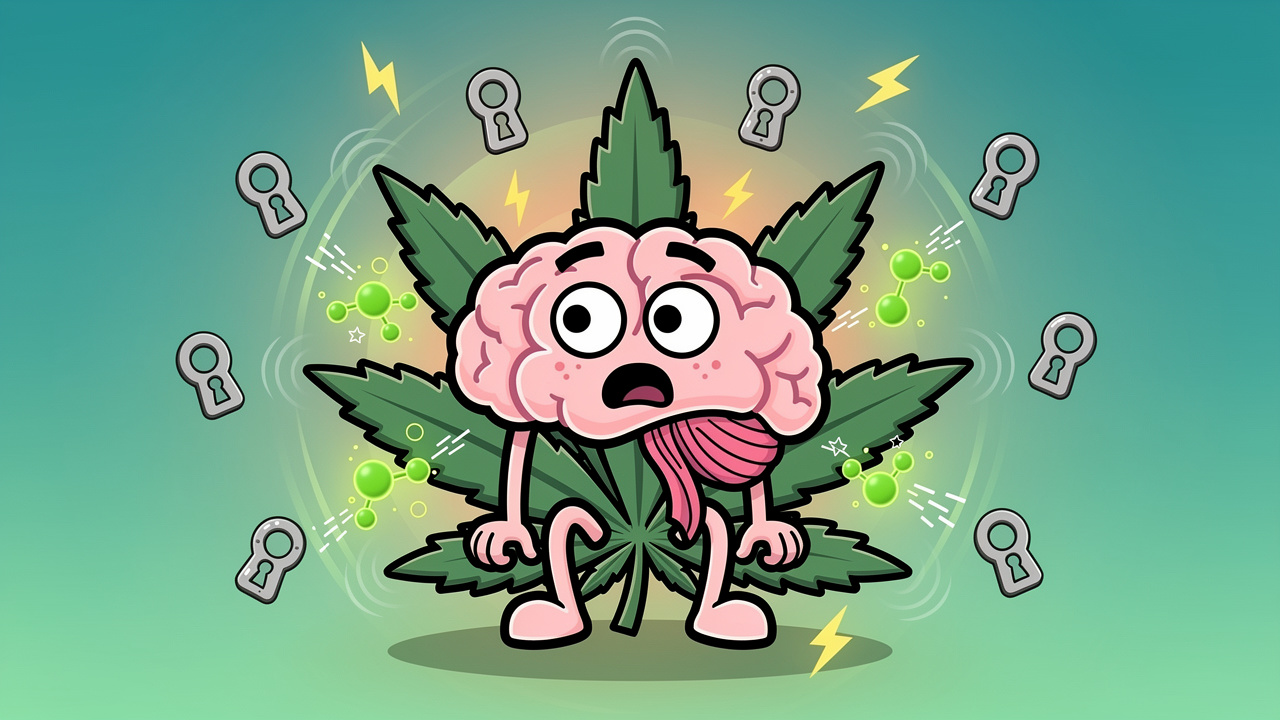
Can weed cause depersonalisation in a real, measurable way? Evidence from clinical research and case reports shows that cannabis can trigger depersonalisation and derealisation in some people, especially at higher doses of THC. That does not mean every high will feel this way, but the link is strong enough to take seriously.
Research from Yale School of Medicine used a double blind study where volunteers received either high strength THC or a placebo. Only the real THC produced clear rises in depersonalisation scores, which peaked around thirty minutes after smoking. Anxiety and a distorted sense of time rose at the same point, which matches many people’s reports after an overpowering session.
Beyond short lived reactions, psychiatrists writing in peer-reviewed journals describe people whose first long spell of DPDR began after intense cannabis use, a pattern examined in depth in the Frontiers | Self-disturbance in first-episode psychosis systematic review, which explores theoretical frameworks and cannabis interactions. In these case series the symptoms often start during or just after a strong high, then linger for weeks or months. Clinicians now use the term cannabis induced depersonalisation derealisation disorder for situations where the pattern is very clear.
Why can this happen at all? THC binds to receptors in the endocannabinoid system, which helps balance perception, attention, memory and emotion. When a big THC dose lands quickly, that balance can swing too far and leave you feeling detached from yourself or your surroundings. Data from the European Monitoring Centre for Drugs and Drug Addiction show that average THC strength in herbal cannabis in Europe has more than doubled over recent decades, which increases the chance of intense psychological effects.
Anxiety adds another layer. THC can push up heart rate and worry, and for some people that spike flips into depersonalisation, which then makes them even more frightened. So when someone already feels on edge, weed can cause depersonalisation more easily.
CBD behaves differently. Reviews from the National Institute on Drug Abuse suggest CBD has calming properties and can soften some of THC’s sharper mental effects, especially in balanced THC to CBD products like those BudBuddies highlights for more sensitive users.
“Cannabis tends to turn the volume up on thoughts and feelings that are already there.” – Common observation from clinicians who work with anxiety and substance use
Who Is Most at Risk, And What Makes It More Likely?
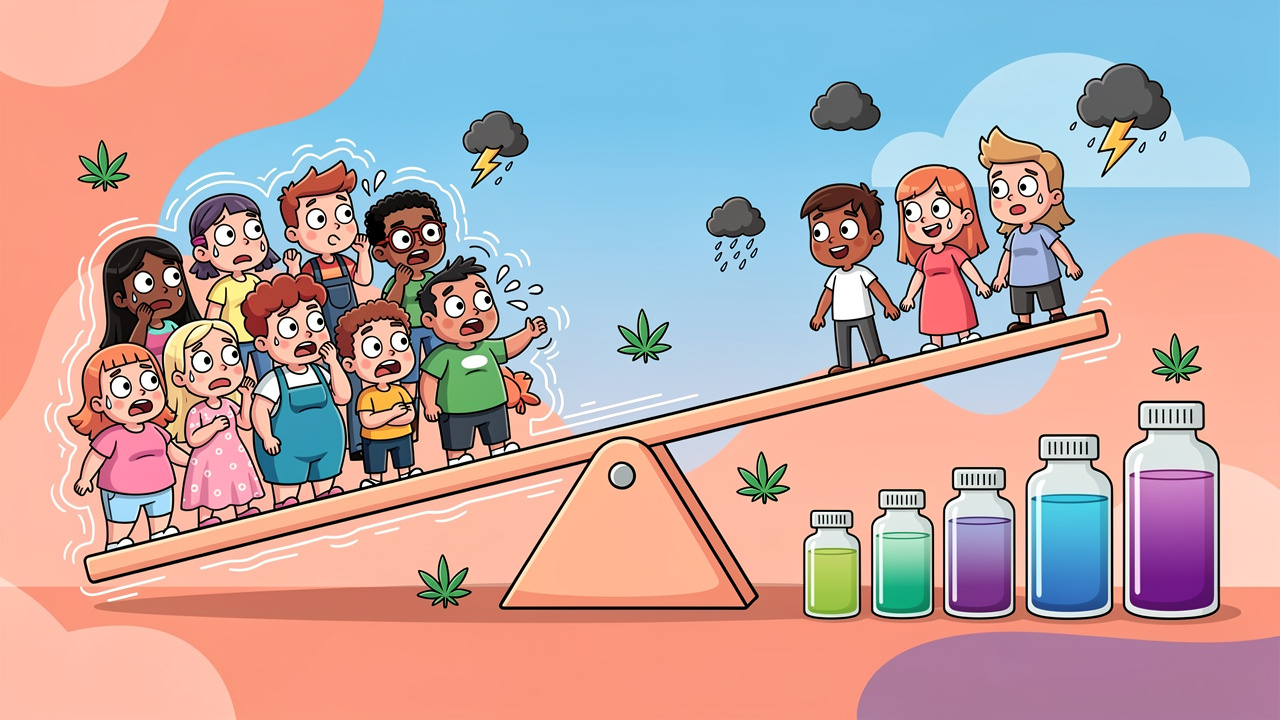
Not everyone who uses cannabis will ever feel depersonalised. Still, certain people and situations make it more likely that weed will trigger that strange sense of disconnection. Understanding these patterns helps you judge your own risk calmly, instead of losing hours to worrying can weed cause depersonalisation after every slightly odd high.
Some key risk groups and situations appear again and again in research and clinical reports:
Adolescents and young adults show up a lot in published case reports of cannabis linked DPDR. The brain areas that handle emotion and self awareness are still developing during the teens and early twenties, which may make them more sensitive to strong THC. The Royal College of Psychiatrists notes that persistent depersonalisation derealisation disorder affects roughly 1 to 2 people in every 100, most often starting in this age range.
People with a history of anxiety, panic attacks or health anxiety seem especially sensitive. When someone already watches their body closely for danger signs, the normal physical changes from THC, such as a racing heart, can feel frightening. That jump in anxiety can then flip into feeling unreal or detached, and worry about the feeling can keep the cycle going.
Inexperienced or infrequent cannabis users often have a lower tolerance, so the same dose hits them harder than it would a daily consumer. If their very first strong experience also happens during a stressful period of life, the brain may link cannabis with that unsettling depersonalised state. That can make later uses more anxious and more likely to repeat the pattern.
High THC, low CBD products, very strong concentrates and unpredictable edibles appear more often in stories of bad depersonalisation episodes. The European Monitoring Centre for Drugs and Drug Addiction has reported sharp rises in the average THC content of both herbal cannabis and resin, which means a single joint or gummy can now deliver much more THC than older users expect. Using when already stressed, tired or in an unfamiliar environment adds extra pressure on top.
People with a background of trauma or past dissociation may already have a nervous system that slips into “shut down” or numb states when overwhelmed. For some, strong THC acts as another stressor that tips them into depersonalisation or derealisation more quickly.
Vulnerability is not destiny though. Many people with one or more of these risk factors use cannabis without ever developing DPDR. The value in knowing them is that you can adjust how, when and what you use, rather than feeling that any use at all is a coin toss.
What to Do If You Experience It – And How to Use Cannabis More Mindfully
Experiencing depersonalisation after cannabis can feel frightening, but it does not mean you are losing your mind. In most cases the feeling eases as the THC wears off, especially if you can calm your body and stop feeding the fear loop. It may help to remind yourself that this state has a name, is medically recognised and has been described by many other people.
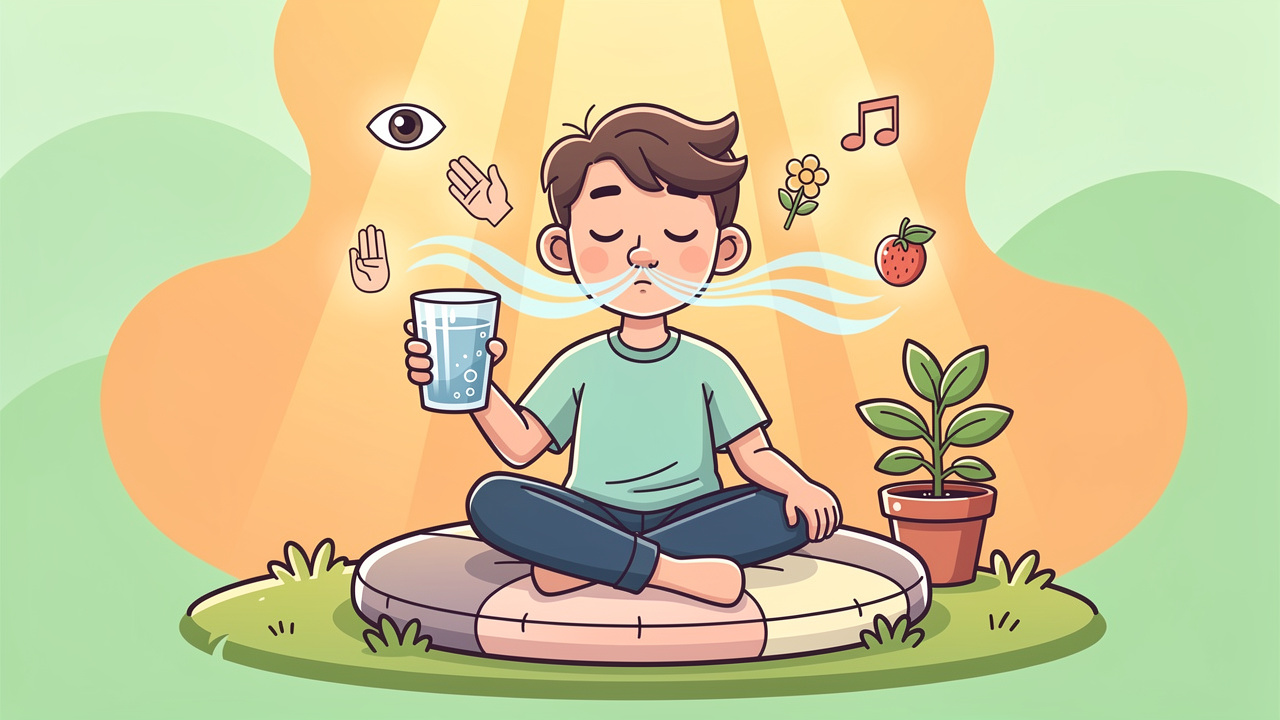
If depersonalisation starts during or just after a session, the aim is to anchor yourself back in the present. Practical grounding tricks help many people:
Focus on physical sensations. Hold something cool or textured, such as a glass of water or a cushion. Bring attention to how it feels in your hands, how heavy it is and how it presses on your skin. Physical detail pulls your attention away from racing thoughts and back into your body.
Use slow, steady breathing. Breathe in through your nose for four seconds, hold for four, then breathe out gently for six. Counting gives your mind a simple task, while the longer out breath tells your nervous system that it is safe to relax. Repeat this for a few minutes.
Use your senses in a structured way. Quietly name five things you can see, four you can hear, three you can touch, two you can smell and one you can taste. Saying these out loud or in your head reminds you that you are here, in this room, even if your feelings say otherwise.
Avoid taking more weed or other substances to try to fix the feeling. Adding more THC while you already feel detached usually stretches the experience out. If possible, tell someone you trust what is happening and let them reassure you that you are safe and will come back to normal.
Remind yourself that the state will pass. Some people find it helpful to repeat short phrases such as “My brain is reacting to THC” or “This is uncomfortable, not dangerous” until the peak fades.
Once things have settled, it helps to think about how you use cannabis in future. A pause is often a wise first step. When you return, the classic advice is start low, go slow. For edibles, BudBuddies recommends beginning at around 2.5 to 5 milligrams of THC and waiting at least ninety minutes before considering more. That spacing gives your body time to show you how it responds.
Lab tested, clearly labelled products make this much easier. BudBuddies only lists items with accurate THC and CBD percentages, along with terpene profiles and user reviews, so you are not guessing potency. Research from the National Institute on Drug Abuse suggests that around 3 in 10 people who use cannabis develop some level of cannabis use disorder, often through steadily rising doses. Keeping an eye on dose, spacing and your own mental state reduces that risk.
If you know you are psychologically sensitive, high CBD or balanced THC to CBD products from BudBuddies can be a gentler option than very strong THC dominant strains. It can also help to:
track how you feel in a simple mood or use diary
avoid mixing cannabis with alcohol or other drugs
skip sessions when you are very stressed, sleep deprived or already feeling detached
If depersonalisation keeps returning, or lasts beyond the high, it is sensible to speak with a qualified health professional to explore both your cannabis use and any underlying anxiety, trauma or stress. If you ever have thoughts of harming yourself, seek urgent help right away.
“The goal is not to white‑knuckle through every high, but to change the conditions so your nervous system feels safer.” – Common advice from therapists who work with DPDR and anxiety
The Bottom Line on Weed and Depersonalisation
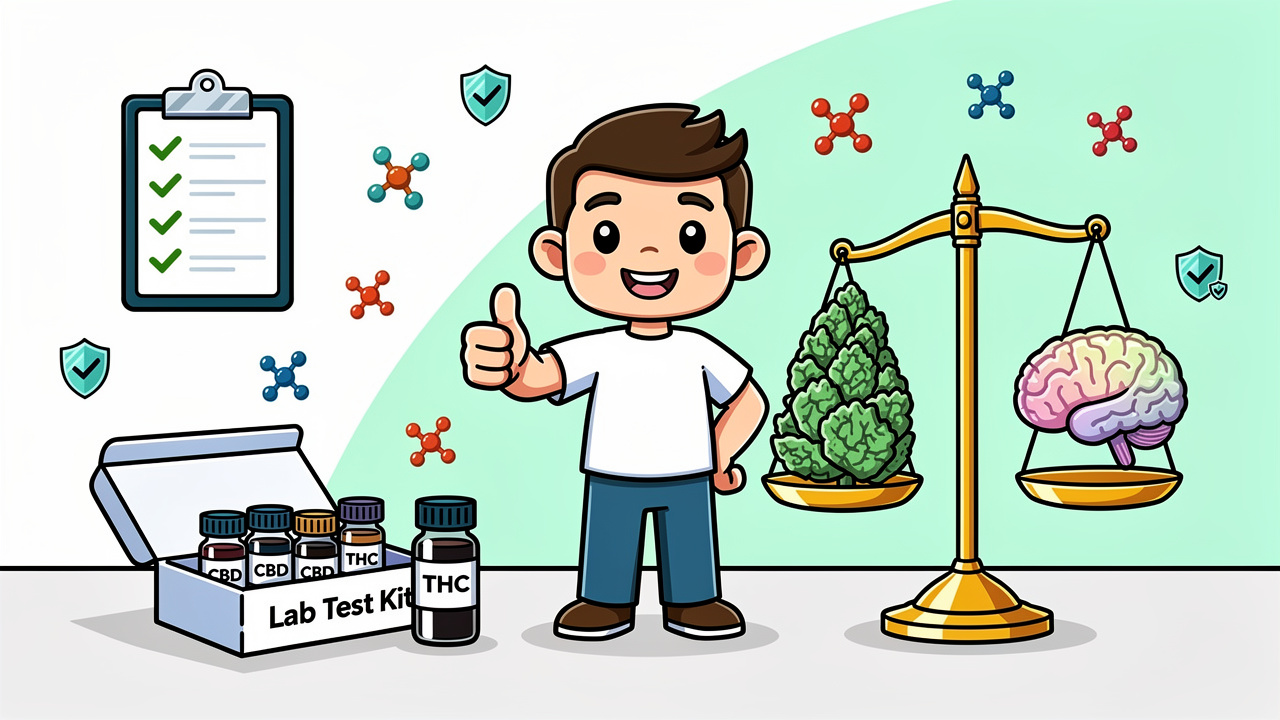
So, can weed cause depersonalisation? Yes, for a minority of users it can, especially when strong THC, anxiety, youth, stress or unpredictable edibles are involved. For most people the experience is brief and fades as sobriety returns, but persistent DPDR deserves proper attention.
The most helpful steps are simple ones: know your own risk factors, use accurately labelled products, keep doses modest and avoid chasing ever stronger highs. BudBuddies supports that approach with a curated, lab tested range, clear plain English product pages and discreet packaging, so you can focus on choosing what genuinely suits your mind and body.
Frequently Asked Questions
This section answers common follow up questions about cannabis and depersonalisation in clear, short chunks. Each answer stands on its own, so you can skim the parts that matter most right now.
Question: How long does cannabis-induced depersonalisation last?
The feeling often fades as the high wears off, usually within a few hours. A smaller group of people notice symptoms that hang around for days, weeks or longer. Long lasting cases are more likely after very strong THC, high stress or a background of anxiety. If symptoms keep going, professional support is sensible, especially if the feeling starts to affect sleep, work or relationships.
Question: Can CBD cause depersonalisation the same way THC does?
CBD does not appear to trigger depersonalisation in the way THC can. Research summarised by the National Institute on Drug Abuse links CBD with calming and anti anxiety effects. Balanced CBD to THC products, including the high CBD options at BudBuddies, are often preferred by people who feel mentally sensitive or who have had a bad experience with strong THC in the past.
Question: Should I stop using cannabis if I’ve experienced depersonalisation?
Taking a break is usually a wise first step, at least until the feeling has settled. After that, some people return using lower potency or balanced products instead of the strong item that triggered them. Others decide that their mental health feels better without cannabis at all. Avoid using when stressed or sleep deprived, and speak with a clinician if symptoms have been intense, frightening or long lasting.
Question: Is cannabis-induced depersonalisation the same as psychosis?
No, they are different. As the Frontiers | Self-disturbance in first-episode psychosis review clarifies, with depersonalisation and derealisation people usually know that something just feels wrong or unreal, whereas psychosis involves a loss of that reality-testing ability. In psychosis, a person can lose touch with reality and may not realise that their thoughts or perceptions are distorted. If you are unsure which fits, it is always worth getting a professional opinion, especially if you notice paranoia, hallucinations or strong beliefs that others say are not true.
Question: Are edibles more likely to cause depersonalisation than other forms of cannabis?
Edibles carry a particular risk because the effects take longer to appear, so people often take more before the first dose has fully kicked in. That can lead to a much stronger experience, which raises the chance of feeling depersonalised. BudBuddies recommends starting with 2.5 to 5 milligrams of THC in edibles and waiting at least ninety minutes before taking more. Sticking to that approach, and avoiding edibles in stressful settings, can reduce the chances of an overwhelming experience.

