


Can You Get Fined for Smoking in Halls? Explained
Introduction
The question can you get fined for smoking in halls comes up every single year as new students move in. People swap stories in group chats, but the real costs often stay vague and confusing.
That lack of clarity causes stress, arguments with flatmates, and some very expensive surprises when deposits go back. The mix of official rules, accommodation contracts, and strong smells makes shared living tricky.
The short answer is yes, you really can get fined for smoking in halls, and the money can add up fast once cleaning, alarms, and repeat incidents enter the picture. This guide walks through how fines actually work, what changes when cannabis is involved, how universities pick up on smoking, and smarter consumption options that fit shared spaces better. Along the way, you will see where BudBuddies and its low-odour formats help keep things calm and discreet.
If you have ever typed can you get fined for smoking in halls into a search bar, this page is written to give you straight, practical answers.
Can You Actually Get Fined For Smoking In Halls?
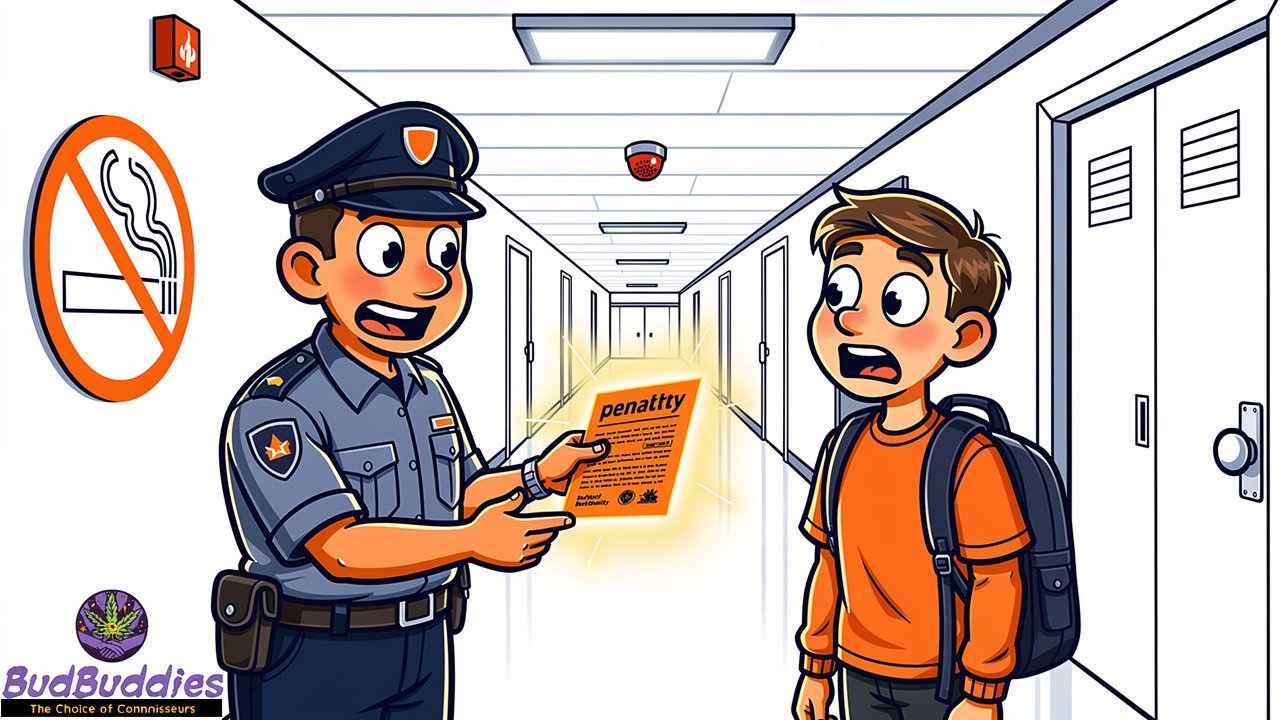
The short answer to whether you can get fined for smoking in halls is yes, both from official smoke-free teams and from your accommodation provider. Smoking in shared corridors, kitchens, lifts, and stairwells usually sits under strict building rules that carry real financial penalties.
According to smoke-free guidance on the NHS website, people who enforce these rules can issue on-the-spot penalties of around £50 when someone smokes where rules clearly say no. That kind of fixed penalty sits completely separate from anything your university or private hall might charge you. In some buildings, repeated incidents can move beyond a simple fine and trigger formal complaints.
On top of that, most universities and private providers such as those listed by Universities UK add their own charges inside the accommodation contract. Many student handbooks from places like the University of Manchester and King’s College London list standard smoking penalties of roughly £50 to £250 per incident. Those are internal charges that appear on your rent account, whether or not an external officer ever gets involved.
The picture gets more painful once cleaning is added. Guidance from the Tenancy Deposit Scheme explains that smoke odour, staining, and burns count as chargeable damage, not normal wear. Deep-cleaning carpets, repainting yellowed walls, and deodorising soft furnishings can easily climb into the hundreds. When people ask can you get fined for smoking in halls, they rarely realise how quickly a few evenings can turn into a month’s rent in extra costs.
So even before cannabis enters the story, smoking in halls means stacking official penalties, contract fines, and long deposit battles on top of each other.
A common message from halls teams is: “Treat the entire building as no-smoking, not just the bits with signs.”
To keep it simple, the main types of costs you might face are:
Fixed penalties from smoke-free enforcement staff
Internal university or halls fines added to your rent account
Cleaning and damage charges taken from your deposit
What Happens If Cannabis Is Involved?
When cannabis is part of the mix, the answer to can you get fined for smoking in halls becomes even more loaded. Accommodation teams, security, and neighbours usually treat cannabis smoke as far more serious than a quick cigarette by a window, especially in countries like the UK where cannabis remains illegal.
The smell is the main problem. Cannabis smoke is one of the most recognisable odours in a building and it travels fast through vents, gaps under doors, and thin walls. Fire safety teams such as London Fire Brigade regularly remind residents that smoking materials in shared corridors raise the risk of serious incidents, so staff cannot just ignore strong smells outside rooms.
In practice, one session can set several things off at once:
An internal smoking fine
A formal warning meeting with accommodation staff
A note on your accommodation record that sits there for the rest of the year
At some universities, repeated cannabis complaints can lead to losing your room completely, even if you never damage anything physically. Student support groups like Student Minds often hear from people whose wellbeing takes a hit once housing feels shaky.
Things also get more stressful once outside authorities enter the picture. Halls teams at places such as the University of Leeds or the University of Bristol are quick to escalate strong, repeated cannabis smells, especially if other residents complain in writing. That can mean room checks, bag searches, and far more pressure in a space that is meant to feel like home.
A common piece of advice from student support staff is: “If anyone can smell cannabis in the corridor, staff can probably smell it too.”
All of this is why so many experienced consumers quietly move away from smoking flower in halls. They still enjoy cannabis, but they choose formats and habits that do not shout about it to an entire floor.
How Universities Detect And Enforce Smoking In Halls
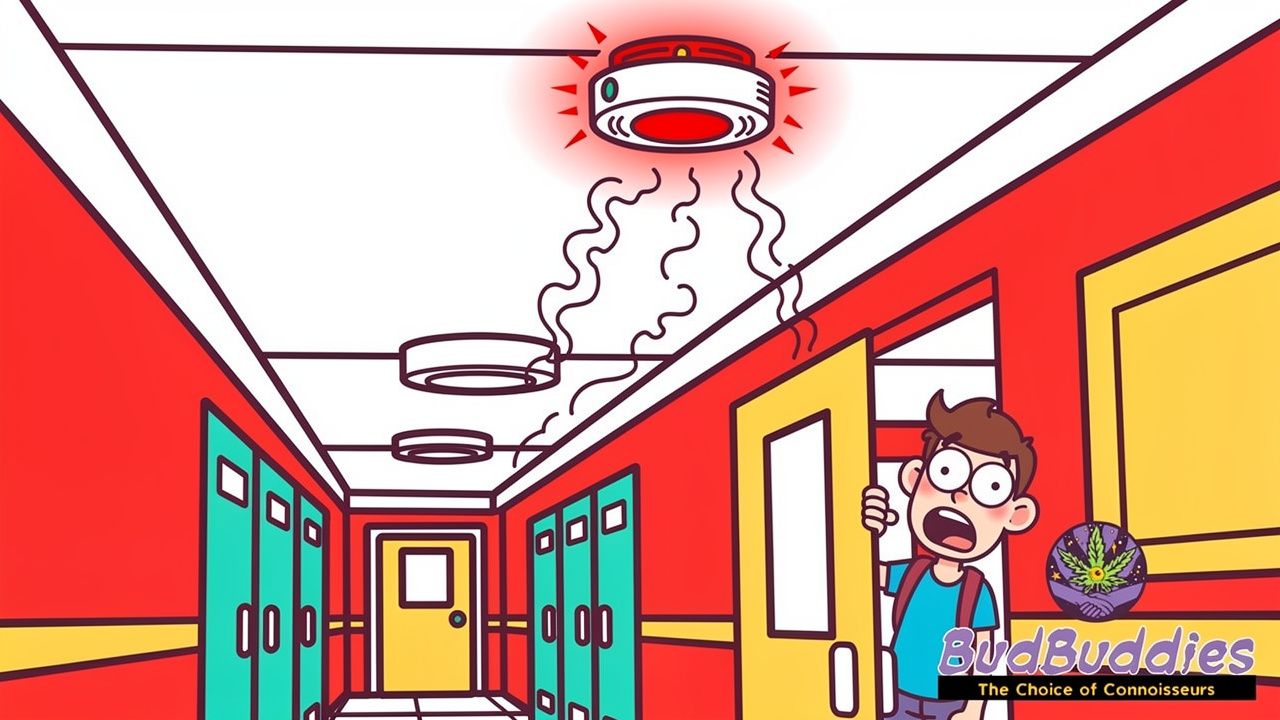
University teams do not rely on guesswork when they answer can you get fined for smoking in halls. Modern halls are built around layers of detection and record keeping, so repeated smoking is hard to hide long term.
The clearest piece is fire safety systems. Sensitive smoke and heat detectors sit in bedrooms and corridors, and every activation is logged. According to guidance shared by London Fire Brigade, smoking remains a leading cause of deadly house fires, which is why false alarms triggered by smoke are still treated very seriously on campuses. Repeated alarms around one flat often push accommodation managers to investigate.
People are the second big layer. Residential advisors, cleaners, and wardens in blocks run by providers such as Unite Students or big universities like the University of Sheffield walk the building every day. They spot ash, rolling papers, taped-over detectors, and the lingering smell of smoke far more often than students expect. Flatmates and neighbours also report issues when they are fed up with constant smells in shared kitchens.
Move-out time is the final net. Deposit schemes, including the Deposit Protection Service and MyDeposits, advise landlords that smoke damage is grounds for deductions. So checkout inspectors look carefully for yellowing paint, ceiling marks, and fabrics that still smell strongly. If they link that damage to you, any earlier argument that you never smoked indoors becomes hard to hold.
Put together, that means the chance of quietly smoking your way through a year in halls without anyone noticing is very slim. The systems are designed so that regular smoking tends to show up sooner or later through:
Detector activations and alarm logs
Routine building checks by staff
Complaints from flatmates or neighbours
Evidence picked up during checkout inspections
Smarter Ways To Consume If You Live In Shared Accommodation

So if the honest answer to can you get fined for smoking in halls is yes, what should regular consumers do instead? The most realistic approach is to switch to formats that suit shared buildings better, both for your neighbours and for your bank balance.
The Office for National Statistics notes that young adults are far more likely to live in shared flats than older groups, which means privacy is limited for many cannabis consumers. High-odour smoke simply does not mix well with thin walls and sensitive detectors, a reality underscored by qualitative research exploring perceptions toward smoking and smoking cessation in university students, which found that social and environmental pressures heavily shape consumption choices. That is where smoke-free formats start to make far more sense.
At BudBuddies, the focus is on products that fit real life, not just perfect situations on paper. On budbuddies.cc you will find carefully selected flowers, but also edibles, THC vape cartridges, and CBD products that suit home use when you share your space with others.
Some practical options that work better than smoking in halls include:
Precisely Dosed Edibles
Edible formats such as gummies and baked items create no smoke and almost no smell while you use them. With BudBuddies edibles, each piece carries clear THC information, so you can start low and stay in control instead of guessing. That avoids the big clouds that trigger detectors and complaints, and it means you can enjoy an evening without your whole corridor knowing about it.Vape Cartridges With Lower Odour
Vaping still releases a scent, but it is much lighter and shorter-lived than burnt flower. BudBuddies THC vape cartridges use lab-tested distillate and clean hardware, so you know what is inside every puff. Used sensibly near an open window, vapour is far less likely to cling to walls and curtains. For many people, this balance between speed, control, and discretion hits the sweet spot.CBD And Lower Strength Options
CBD oils, capsules, and even CBD flower give some of the ritual and flavour without the heavy head high of strong THC strains. Full-spectrum CBD oils from BudBuddies arrive in small dropper bottles that slip into a drawer and leave no smell in a shared kitchen. For nights when you just want to wind down without attracting attention, CBD formats can sit nicely alongside or instead of your usual THC choices.
Tip from housing advisors: “Whatever you choose to use, read your accommodation contract first so you know exactly what counts as a breach.”
Every order from BudBuddies arrives in plain, unbranded packaging, sent with tracked delivery and no loud logos. For students and young professionals who share post rooms and reception desks, that discreet touch matters almost as much as the product inside.
Wrapping Up
When you put everything together, the answer to can you get fined for smoking in halls is clear. Yes, you can, and the costs reach well beyond one small charge on your account.
Conclusion

Official smoke-free teams, university accommodation offices, and deposit schemes all treat indoor smoking as a serious issue, especially when cannabis is involved. Detection systems, regular checks, and checkout inspections mean most patterns of smoking are picked up sooner or later.
Shifting to low-odour formats, spacing consumption away from halls, and choosing a discreet supplier like BudBuddies keeps stress, complaints, and surprise bills to a minimum. That way, shared accommodation stays a place to relax, not a source of constant worry.
Frequently Asked Questions
Question 1: How Much Is The Fine For Smoking In Halls?
Fines for smoking in halls usually start at around £50 for a first incident. Many universities list internal penalties up to roughly £250 per time in their accommodation handbooks. On top of that, cleaning, repainting, and deodorising can easily add several hundred pounds, especially if soft furnishings need replacing after you move out.
In simple terms, the total bill can include:
The initial smoking fine
Extra charges for setting off alarms
Cleaning and damage costs taken from your deposit
Question 2: Can You Smoke In Your Own Room In Student Halls?
In almost every modern hall contract, smoking is banned everywhere in the building, including bedrooms. Communal areas such as kitchens and corridors are watched especially closely, but smoke that drifts from private rooms still counts as indoor smoking.
Because of this, most providers remind residents to go outside and keep the building itself smoke-free. If you are unsure, check your licence or tenancy agreement for a clear no-smoking clause.
Question 3: Do Smoke Detectors Pick Up Cannabis Smoke?
Yes, standard smoke detectors react to cannabis smoke in much the same way as cigarette smoke. Many purpose-built student blocks now use very sensitive systems that respond to even small clouds.
Once an alarm sounds, evacuation records show exactly where it came from, so repeat triggers around one flat quickly stand out. That pattern often leads to formal warnings or inspections, even if no one sees you smoking directly.
Question 4: What Are The Alternatives To Smoking In Halls?
The most practical alternatives are low-odour formats such as edibles and vape cartridges, used away from shared corridors. Edibles remove smoke completely, while vapour disappears much faster than burnt flower.
BudBuddies offers lab-tested edibles, THC vapes, and CBD products with discreet, tracked delivery, which suits people who live in flats and halls. Many students find that switching formats is easier than dealing with fines, warnings, and deposit arguments.
Question 5: Can You Get Evicted From Halls For Smoking?

Yes, losing your room is a real outcome when smoking in halls keeps happening after warnings and fines. Many providers follow a clear pattern that runs from informal chats to written warnings, then to removal from accommodation.
Once trust breaks down with the halls team, they are unlikely to renew your room for the next year either. Repeated smoking can also affect references for future housing, so it is far less stressful to keep the building smoke-free and choose quieter ways to consume.

