


Cannabinoid Hyperemesis Syndrome: Symptoms, Causes & Relief
Waking up with morning nausea after years of daily cannabis use can feel confusing, especially when cannabis has always settled your stomach before. This is often an early sign of cannabinoid hyperemesis syndrome, a condition that turns cannabis’s usual calming effect into severe, cyclical vomiting. It sounds like a contradiction because THC is widely known for easing nausea, yet in some long-term heavy users it starts causing the exact symptoms it once relieved. Cannabinoid hyperemesis syndrome, often shortened to CHS, is a real and medically documented condition, though it remains rare compared to the overall number of cannabis consumers.
This guide walks through what CHS actually is, how it develops across three distinct phases, and why hot showers become such a strange but common coping habit. We’ll also cover who faces the highest risk, how doctors diagnose and treat it, and practical steps for consuming more mindfully. BudBuddies believes clear, honest education matters just as much as product quality, so this guide keeps things straightforward and free of unnecessary jargon. Read on before this becomes a bigger problem for you or someone you know.
Key Takeaways
Cannabinoid hyperemesis syndrome is linked to long-term, heavy cannabis use, not occasional consumption.
Compulsive hot showering or bathing is a hallmark symptom relief behaviour and a key diagnostic clue.
Symptoms move through three phases, prodromal, hyperemetic, and recovery, each with a distinct pattern.
Stopping cannabis use completely is the only treatment proven to resolve symptoms for good.
Choosing lab-tested products with clear, consistent potency labelling helps you track exactly what you’re consuming.
What Is Cannabinoid Hyperemesis Syndrome?
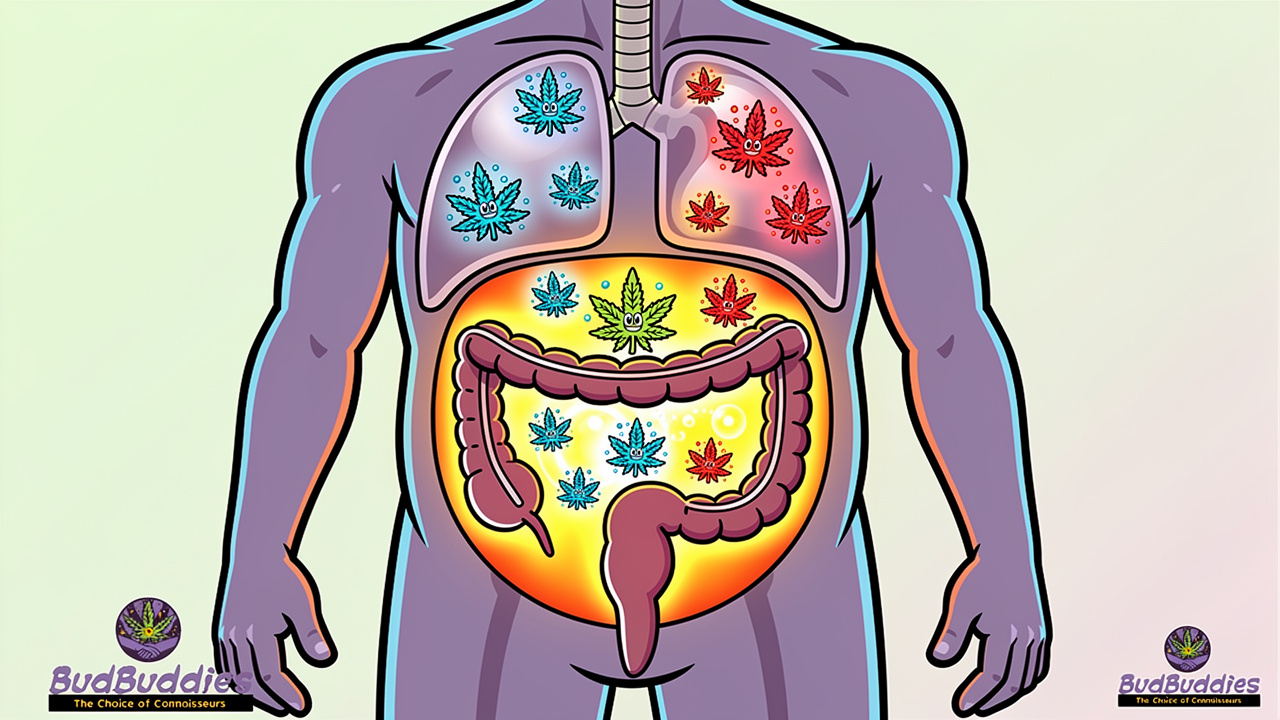
Cannabinoid hyperemesis syndrome is a condition where long-term, frequent cannabis users experience repeated bouts of severe nausea, intense vomiting, and abdominal pain. It typically develops after months or years of regular use, often daily or near-daily, rather than from occasional smoking or vaping. Doctors first described the condition in 2004, and researchers have since explored genetic susceptibility to toxic exposure as cases have grown alongside rising cannabis potency and wider consumption. Despite the clinical-sounding name, CHS is essentially the body reacting against a substance it has relied on for a long time.
The strange part is that THC, cannabis’s main psychoactive compound, is often used to calm nausea, including in chemotherapy patients. Yet in CHS, chronic heavy exposure appears to flip this effect, producing the very sickness it usually eases. Because symptoms mimic other stomach problems, many people are misdiagnosed before anyone considers cannabis as the cause. Recognising this paradox early can save months of unnecessary tests and hospital visits.
What Are the Three Phases of CHS?
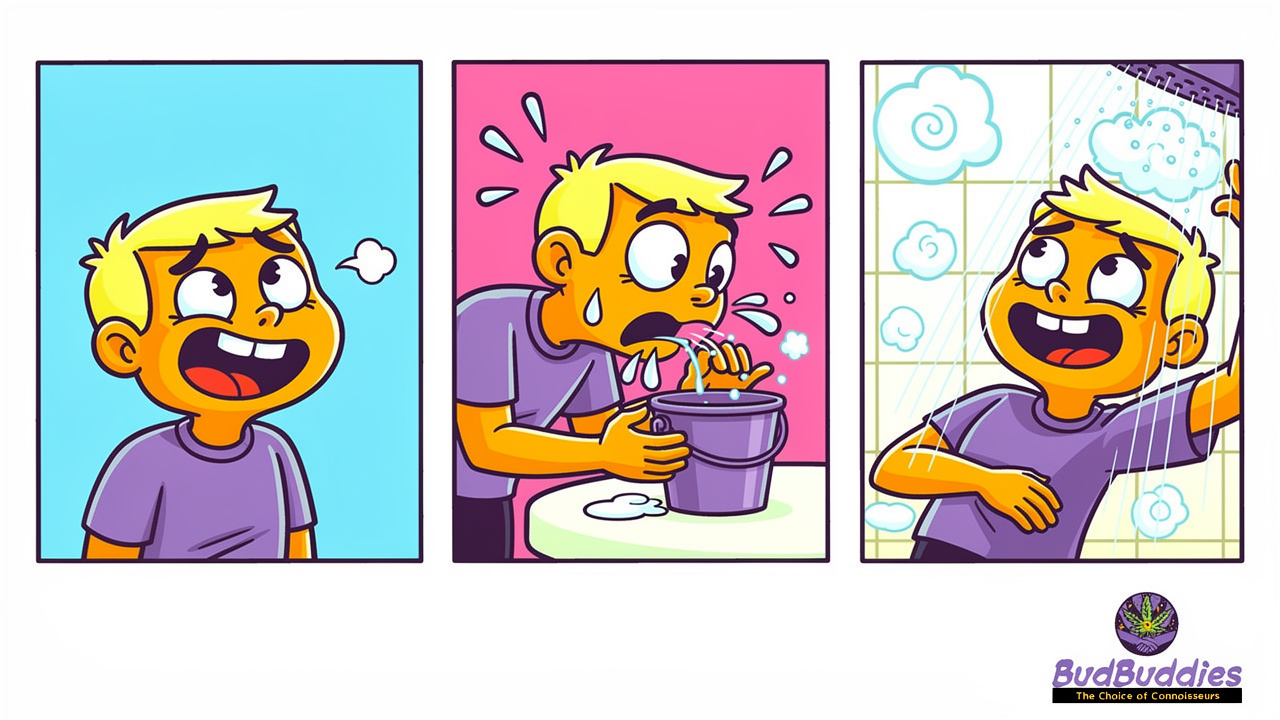
Cannabinoid hyperemesis syndrome usually develops through three recognisable phases, each with its own symptoms and rough timeline. The prodromal phase can last months or years, building slowly with mild but persistent nausea. Once the hyperemetic phase begins, vomiting becomes severe and relentless, often forcing people into A&E for fluids and pain relief. Throughout this stage, many sufferers develop a strong urge for hot showers or baths, a behaviour so distinctive that doctors treat it as a diagnostic clue. The recovery phase then follows once cannabis use stops, with symptoms easing over days to weeks, though they return quickly if use resumes.
Prodromal Phase
During the prodromal phase, people often notice mild morning nausea, some abdominal discomfort, and a low-level anxiety about feeling sick. Many respond by using more cannabis, since it has usually calmed nausea before. This seems logical at first but actually deepens the underlying problem over time. Eating patterns and weight typically stay normal throughout this stage.
Hyperemetic Phase

The hyperemetic phase brings intense, repeated vomiting, sharp abdominal cramping, and rapid dehydration. Many people can’t keep food or fluids down, leading to noticeable weight loss within days. A distinctive habit emerges here: taking multiple hot showers or baths for temporary relief. Experts believe heat may affect the body’s temperature-regulating pathways, though the exact reason isn’t fully confirmed.
Recovery Phase
Once cannabis use stops completely, the recovery phase usually begins within days. Nausea and vomiting ease steadily, appetite returns, and normal digestion resumes over one to two weeks. However, resuming cannabis use typically brings symptoms straight back, sometimes within hours. This cycle of stopping, recovering, and relapsing is one of the clearest signs doctors use to confirm CHS.
What Causes Cannabinoid Hyperemesis Syndrome?
Nobody fully understands the exact mechanism behind cannabinoid hyperemesis syndrome, though researchers have several working theories. One leading idea points to the endocannabinoid system, the network of CB1 and CB2 receptors found throughout the gut and brain. With years of heavy THC exposure, these receptors may become dysregulated, flipping their usual nausea-calming effect into one that triggers vomiting instead. Cannabinoids are also fat-soluble, meaning they can build up in body tissue and release unpredictably, further disrupting normal digestive signals.
Chronic use may also interfere with communication between the gut and brain, affecting how the body processes hunger and nausea signals. Not everyone who consumes cannabis heavily develops CHS, and clinical guidelines on cannabis hyperemesis syndrome note this suggests genetics or individual metabolism play some role too. This is still an active area of research, and scientists haven’t pinned down exactly why some people are more susceptible than others.
Who Is Most at Risk of Developing CHS?
Research examining the prevalence and correlates of symptoms of cannabinoid hyperemesis syndrome in the United States confirms that the clearest risk factor is long-term, frequent use, typically daily or near-daily consumption stretched over several years. Starting cannabis at a younger age may also raise susceptibility, according to some research. Occasional or moderate use rarely leads to CHS, so this isn’t a concern for casual consumers.
Higher-THC products appear to carry more risk, particularly with frequent use, which is why knowing your product’s exact potency matters. Choosing lab-tested cannabis with consistent, clearly labelled strength helps you understand what you’re actually consuming, rather than guessing. Individual physiology also plays a part, since not every heavy user develops symptoms.
How Is CHS Diagnosed and Treated?

Diagnosing cannabinoid hyperemesis syndrome relies heavily on a detailed history of cannabis use alongside the classic pattern of cyclical vomiting and hot bathing behaviour. There’s no single blood test that confirms CHS, and clinical guidance for suspected cannabinoid hyperemesis syndrome in emergency departments recommends doctors rule out other causes first, including gastroenteritis, gallbladder disease, and cyclic vomiting syndrome. This often involves blood tests, imaging, and sometimes an endoscopy before cannabis becomes the likely explanation. Being honest with your GP about how much and how often you use cannabis speeds up an accurate diagnosis considerably.
According to a clinical pathway for cannabinoid hyperemesis syndrome, treating an acute episode usually means intravenous fluids for dehydration, pain relief, and sometimes topical capsaicin cream applied to the abdomen, which can ease symptoms surprisingly well. Standard anti-sickness medication doesn’t always work for CHS, so doctors may try alternatives like benzodiazepines instead. None of these approaches fix the underlying problem though. Complete cessation of cannabis remains the only treatment proven to resolve CHS for good, with symptoms typically clearing within days to a few weeks.
How Can You Reduce Your Risk and Consume More Mindfully?

Reducing your risk starts with knowing exactly what you’re consuming, since guesswork around potency makes it easy to use more than intended. Tracking your intake becomes far simpler with lab-verified products carrying consistent, clearly stated THC and CBD levels batch after batch. BudBuddies tests every batch and publishes clear potency information, so you know the strength of what you’re buying rather than relying on guesswork.
Step down gradually. Moving from high-THC flower or concentrates towards CBD-dominant or balanced-ratio products lowers your overall THC exposure over time, easing pressure on an overstimulated endocannabinoid system.
Follow a start low, go slow approach. Begin edibles around 2.5 to 5mg and wait a couple of hours before taking more, since this prevents accidental overuse that’s easy to miss with fast-acting formats.
Ask for guidance. The customer support team can suggest CBD-dominant or lower-strength options if you’re adjusting your habits, though this never replaces proper medical advice from a GP.
A quick reminder: early, honest conversations with a healthcare professional lead to faster, more accurate diagnosis than trying to self-treat with more cannabis.
The Takeaway
Cannabinoid hyperemesis syndrome is a genuine, medically recognised condition, though it remains rare set against the huge number of people who use cannabis regularly. It’s tied specifically to long-term, heavy use rather than occasional consumption, and it follows a fairly predictable pattern of prodromal, hyperemetic, and recovery phases. The hallmark hot-shower habit, cyclical vomiting, and clear improvement after stopping cannabis are the strongest signs pointing towards CHS.
If you notice repeated, unexplained nausea or vomiting alongside regular cannabis use, speak to a GP honestly rather than increasing your consumption to self-treat. BudBuddies encourages informed, measured consumption through lab-tested products and clear potency labelling, so you always know what you’re taking and how much. Exploring the CBD-dominant and balanced-ratio ranges on budbuddies.cc is a sensible next step if you’d like to moderate your THC intake. Staying curious about your own body’s signals is the simplest form of protection you have.
Frequently Asked Questions
Cannabinoid hyperemesis syndrome raises plenty of questions, especially for people who’ve used cannabis for years without issues. Below are quick, clear answers to the most common concerns readers have about symptoms, causes, and recovery. These answers are general information only and don’t replace advice from a qualified GP or healthcare professional. If anything here sounds familiar, don’t hesitate to seek proper medical guidance.
Can CHS Happen Even If You Only Use Cannabis Occasionally?
Cannabinoid hyperemesis syndrome is linked to chronic, heavy, long-term use, not occasional or moderate consumption. If you use cannabis infrequently, CHS is unlikely to affect you. Still, staying aware of any unusual, recurring nausea is sensible, regardless of how often you consume.
How Is CHS Different From Cyclic Vomiting Syndrome?
Cyclic vomiting syndrome looks almost identical to CHS but isn’t connected to cannabis use at all, and it can affect non-users, including children. The key difference is that CHS symptoms improve significantly once cannabis use stops, while cyclic vomiting syndrome doesn’t respond the same way.
Does CBD Cause the Same Problem as THC?
No, cannabinoid hyperemesis syndrome is associated specifically with THC, not CBD. CBD doesn’t produce the same psychoactive effects and isn’t linked to CHS in current research. If you’re concerned about THC exposure, CBD-dominant products offer a lower-intensity alternative worth exploring.
How Long Does It Take to Recover From CHS Once You Stop?
Most people notice symptoms easing within days, with full recovery typically taking up to a few weeks. Some experience mild withdrawal effects, like irritability or poor sleep, but these are far gentler than CHS symptoms and usually settle within one to two weeks.
Can Hot Showers Alone Cure CHS?
No, hot showers only ease symptoms temporarily and don’t address the underlying cause. Many sufferers rely on them for short-term comfort during flare-ups, but relief fades once the water stops. Stopping cannabis use completely remains the only lasting solution.
What Should You Do if You Think You Have Early Signs of CHS?
Speak openly with your GP about your cannabis use and any nausea patterns you’ve noticed. Avoid increasing your consumption to self-treat, since this typically worsens things. Early, honest conversations with a healthcare professional lead to faster, more accurate diagnosis.

