


Understanding Weed Withdrawal Dreams: Tips from BudBuddies
Cutting back on cannabis often brings a surprise nobody mentions beforehand: unusually vivid, sometimes unsettling dreams. Weed withdrawal dreams can feel disorientating if you’ve never linked strange sleep to cutting down or quitting before. Many people assume something has gone wrong, when in fact this is one of the most common and well documented withdrawal symptoms around.
The reason comes down to how cannabis interacts with your sleep cycles, and understanding this takes away much of the worry. This guide explains why weed withdrawal dreams happen, how long they usually last, and what tends to make them stronger or milder. You’ll also find practical steps for calmer nights while your body readjusts, plus guidance on choosing products thoughtfully if you’re cutting down rather than stopping outright. BudBuddies, a UK cannabis marketplace known for lab-tested products and discreet delivery, gets a mention along the way as a source of quality-checked options for anyone managing this transition.
Read on to see exactly what’s happening at night, and how to make the adjustment feel easier.
Key Takeaways
Weed withdrawal dreams are caused by REM rebound, your brain catching up on missed dreaming, not a sign that something has gone wrong.
Symptoms typically peak around day four after stopping and start fading within about a week to ten days for most people.
Full resolution can take up to four weeks for heavier or long-term consumers, since THC releases slowly from fat cells.
Good sleep habits and a thoughtful approach to strain choice can make the whole adjustment noticeably smoother.
The platform’s lab-tested, terpene-labelled products help you choose consistent, quality-checked options with confidence during a tolerance break.
What Are Weed Withdrawal Dreams?
Weed withdrawal dreams are the unusually vivid, strange, or emotionally intense dreams that appear when someone reduces or stops using cannabis after a period of regular consumption. They often feel more memorable and more surreal than the dreams experienced during regular use, and sometimes carry a disturbing edge. This pattern is a recognised feature of cannabis withdrawal, appearing alongside other symptoms as the body readjusts to functioning without regular cannabinoid input.
It helps to know this isn’t a warning sign or a symptom of anything going wrong. Instead, it reflects your brain and sleep cycles returning to their natural, unmedicated rhythm. For most people, that reassurance alone takes much of the anxiety out of an otherwise strange few nights.
Why Do You Get Vivid Dreams When You Stop Using Cannabis?
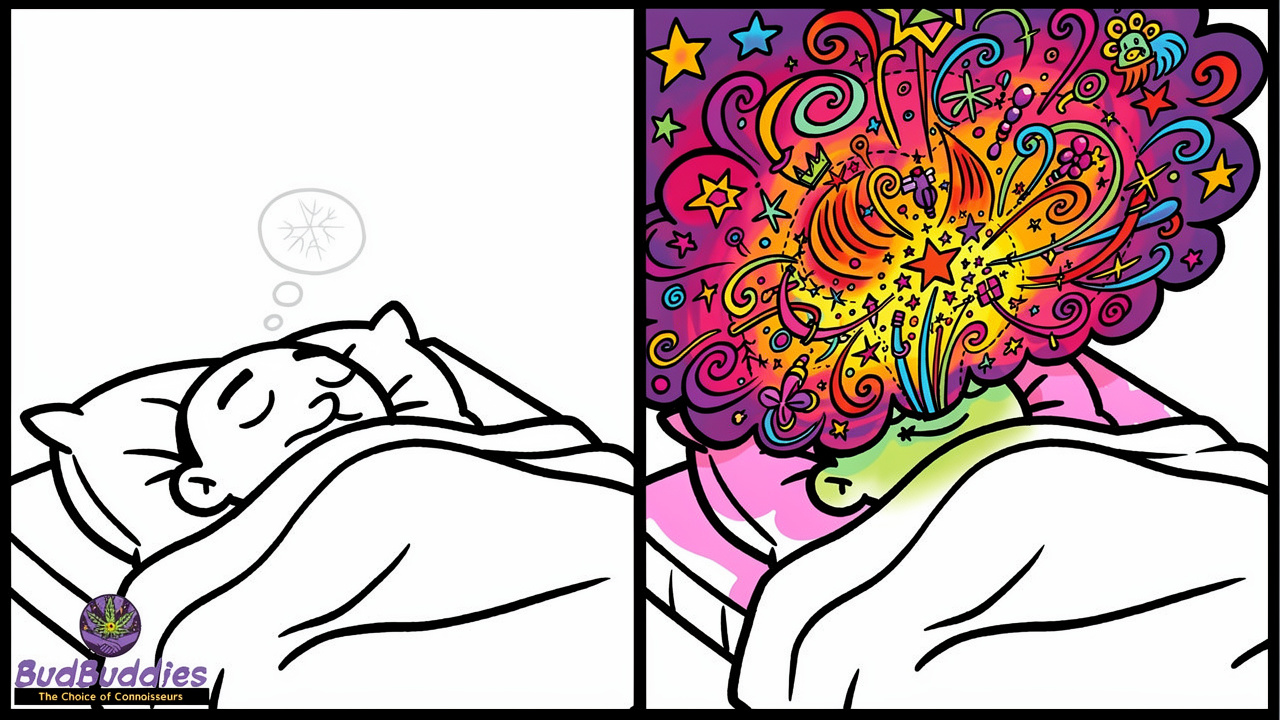
Vivid dreams appear after stopping cannabis because THC, the main psychoactive compound in cannabis, suppresses REM sleep during regular use. REM, short for rapid eye movement, is the sleep stage most closely tied to dreaming, so less REM means less remembered dreaming while you’re using cannabis regularly. Many regular consumers report barely dreaming at all, or forgetting their dreams completely, during periods of steady use.
Once cannabis use stops or drops significantly, the brain enters what sleep researchers call REM rebound, a neurological overcorrection that floods sleep with vivid, intense dreams, as explained in analysis of why your dreams are so vivid after quitting. Having been held back for weeks, months, or even years, REM sleep returns with unusual intensity. Your brain effectively tries to catch up on lost dreaming time in a short window, and this produces longer, more frequent, and more emotionally charged dreams than usual.
That’s why so many people quitting cannabis describe their dreams as bizarre, unusually detailed, or occasionally nightmarish. The intensity can feel unsettling in the moment, particularly if you weren’t expecting it. However, this rebound effect is a normal, temporary physiological response rather than a psychological problem or a sign of poor mental health. Your sleep architecture, meaning the natural structure and timing of your sleep stages, is simply resetting itself after being altered by regular cannabinoid use. For heavier or longer-term consumers, this adjustment can understandably feel more pronounced simply because more time has passed with REM sleep suppressed. Once things settle, dreaming tends to return to a more typical pattern rather than staying at this heightened intensity indefinitely.
How Long Do Weed Withdrawal Dreams Last?

Weed withdrawal dreams tend to follow a fairly predictable timeline. Most people notice vivid dreams within the first day or two of cutting down or stopping, with symptoms across the board, including sleep disruption, peaking around day four. Dreams usually start settling down after about a week, and most withdrawal symptoms have resolved by day ten for the average consumer.
Heavier or long-term consumers may notice symptoms lingering for up to four weeks, largely because THC is fat-soluble and stored in fat cells, releasing slowly back into the bloodstream over time. Dreams and other symptoms also tend to feel stronger if you stop abruptly rather than tapering, used cannabis daily, or relied on it specifically to help you sleep.
How Can You Cope With Withdrawal Dreams and Sleep Disruption?
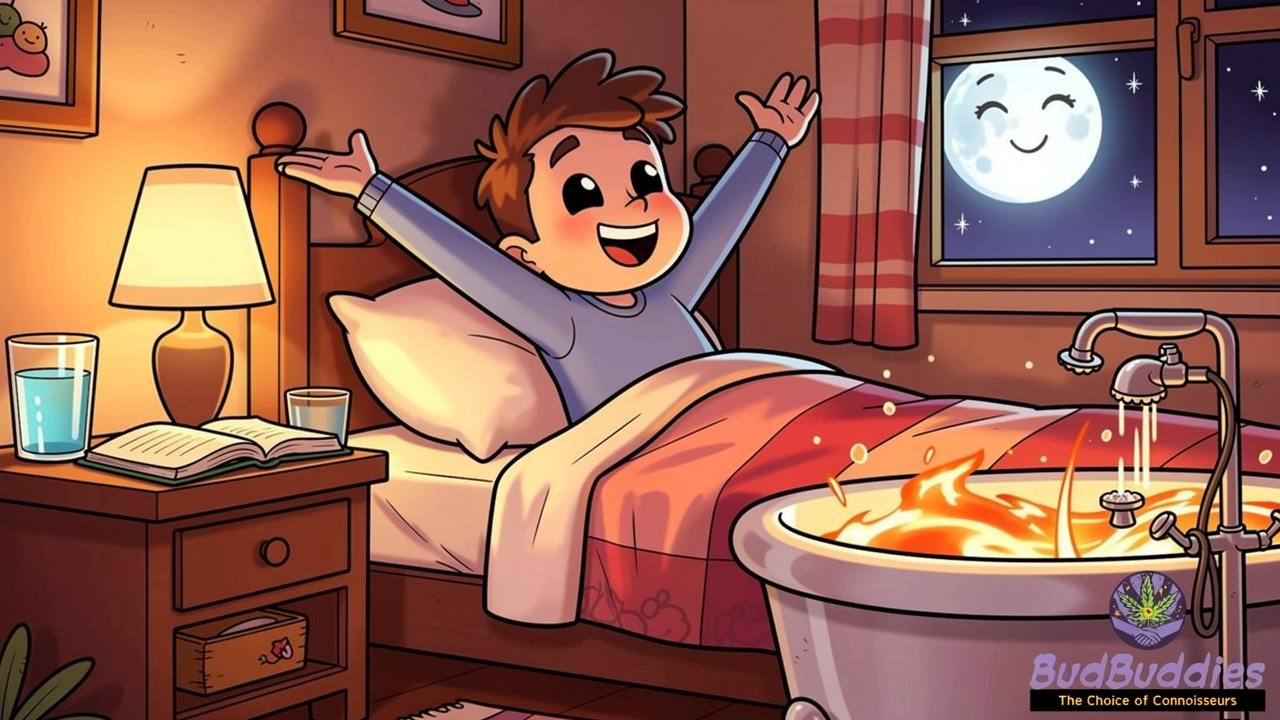
Weed withdrawal dreams and the sleep disruption around them mostly ease with a few consistent habits while your brain readjusts. Since REM rebound settles naturally over a week or two, the goal isn’t to stop the dreams outright, but to support better sleep quality around them so the whole transition feels smoother.
A few habits make a genuine difference:
Keep consistent hours. Going to bed and waking at the same time each day helps retrain your internal clock, making it easier to fall and stay asleep even during a bumpy patch.
Build a wind-down routine. A warm bath, reading, or low-key television signals to your brain that sleep is coming, and repeating the same routine nightly reinforces that signal over time.
Limit screens before bed. The blue light they emit interferes with melatonin, the hormone that helps regulate sleep.
Get daylight and movement. Time outside during the day supports your circadian rhythm and tends to ease anxiety alongside sleep quality.
Watch evening caffeine. It can feel more intense once cannabis’s calming effect is no longer present, so cutting back in the evening may help settle a restless mind before bed.
Above all, patience matters, since most people find their dreams fade back to normal within a week to ten days without needing anything drastic.
None of these steps will stop REM rebound entirely, but together they reduce how disruptive it feels while your sleep cycle finds its natural rhythm again.
Choosing the Right Products While You Cut Back
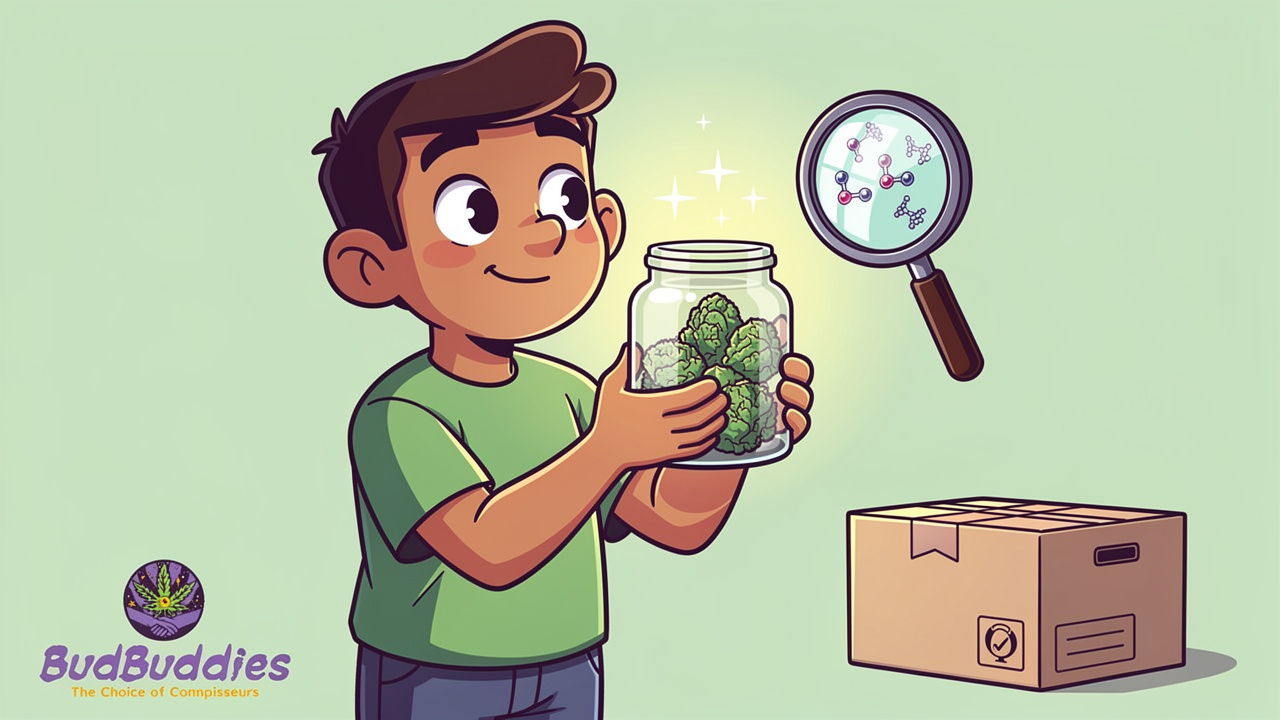
If you’re tapering down rather than stopping outright, understanding terpene profiles can help you choose calmer, more predictable evening options. Terpenes such as myrcene and linalool are associated with relaxation and are commonly found in indica-leaning strains chosen specifically for sleep support. Knowing which terpenes sit behind a calming effect gives you more control over how a product feels, rather than guessing from strain names alone.
BudBuddies lists lab-tested potency and Certificates of Analysis on every product page, which matters during this period since inconsistent dosing can make sleep disruption worse. Orders also arrive in plain, unbranded, smell-proof packaging with tracked delivery, a detail that suits anyone who’d rather manage this adjustment privately.
What Other Withdrawal Symptoms Might You Notice?
Weed withdrawal dreams rarely show up alone. They tend to accompany a broader cluster of symptoms as your body adjusts to functioning without regular cannabis, and recognising the full picture helps you understand what’s actually happening rather than worrying about each symptom in isolation.
Anxiety and restlessness, often more noticeable once cannabis’s calming effect is no longer part of your evening.
Irritability or a short temper, which tends to ease naturally as the days pass.
Appetite changes, including food tasting different or less interest in eating regular meals.
Sweats, chills, or mild flu-like discomfort during the first week.
Simple, low-effort steps help across the board, and this is backed by a randomised controlled trial on aerobic exercise and cannabis withdrawal showing that staying hydrated, keeping meals light and frequent, getting some gentle exercise, and talking to someone you trust all make a difference. None of these symptoms, including the dreams themselves, tend to last much beyond a couple of weeks for most people.
To Sum Up
Weed withdrawal dreams feel strange, but they’re simply a sign that your sleep cycles are recovering after regular cannabis use suppressed REM sleep for a while. Most people notice the most vivid dreams around day four, with things settling down within a week to ten days, and full resolution taking up to four weeks for heavier or long-term consumers.
Patience, steady sleep habits, and thoughtful product choices make the whole adjustment far more manageable. If you’re planning a tolerance break or simply want more consistency in what you’re using, BudBuddies’ curated, lab-tested range makes it easier to choose with confidence, backed by clear terpene information and discreet delivery throughout.
Frequently Asked Questions
Can Quitting Weed Cause Nightmares Specifically, Not Just Vivid Dreams?
Yes, REM rebound can occasionally tip into dreams that feel disturbing or nightmarish rather than simply vivid, and guidance on how to get past withdrawal nightmares can help you manage this phase. This happens because your brain is processing a backlog of REM sleep all at once. The intensity usually softens within the first week or two as your sleep cycle settles.
Do Weed Withdrawal Dreams Affect Everyone Who Cuts Down?
Not everyone experiences this symptom, and its severity varies widely between people. Those who used cannabis daily or for a long stretch tend to notice more vivid dreams than occasional consumers. Some people barely notice a change at all.
Can Tapering Off Gradually Reduce The Intensity Of Withdrawal Dreams?
Yes, gradually reducing your intake tends to produce a milder REM rebound than stopping abruptly. This is one reason many experienced consumers prefer a measured tolerance break over quitting overnight, giving the brain more time to adjust.
Does The Type Of Cannabis You Used Affect How Strong Withdrawal Dreams Are?
It can. Sedative, indica-leaning strains used specifically for sleep may create a stronger reliance on cannabis for rest, which can make dream disturbance feel more pronounced once you stop using them.
Should You Worry If Withdrawal Dreams Last Longer Than A Month?
It’s worth speaking to a GP or a local support service if symptoms persist well beyond four weeks or start affecting daily life. Most cases resolve naturally, but ongoing disruption deserves a proper check.

