


Cannabis and Burnout in Students: A Clear UK Guide
Introduction
Student life in the UK can feel like a pressure cooker of lectures, deadlines, money worries, and noisy accommodation. When that grind drags on for months, many students feel stuck, flat, and tempted to lean on cannabis to cope. The link between cannabis and burnout in students is real, but often spoken about in extremes.
That mix of silence and judgement does not help anyone who already feels worn down.
This article explains how cannabis and burnout in students connect in plain English. You will see what burnout actually is, what research says about student cannabis use, how THC and CBD affect a tired brain, and how to use products more wisely if you choose to. BudBuddies sits on the side of informed, adult choices, not scare stories.
Keep reading to understand what is happening, and how to make calmer, more confident decisions next.
What Is Academic Burnout and Why Does It Matter?
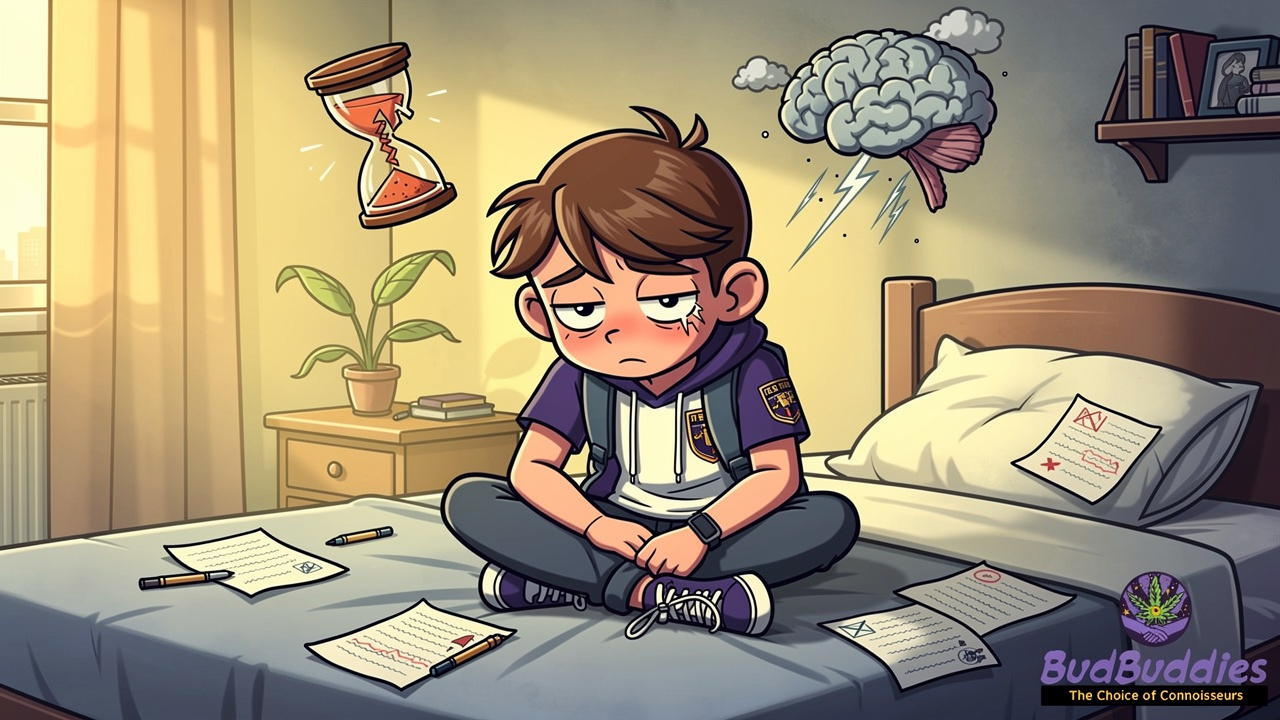
Academic burnout in students means long‑term study stress that has tipped into exhaustion, cynicism, and low confidence. It goes far beyond a rough exam week or needing a weekend off. Burnout is a recognised psychological syndrome that shows up in very specific ways, and research on identifying vulnerable groups in higher education confirms that certain student demographics face disproportionately higher risk.
Researchers describe three main parts of student burnout:
Emotional exhaustion – constant tiredness, headaches, or brain fog that rest never fully clears.
Cynicism and disengagement – lectures feel pointless, assignments feel fake, and you no longer see the value in your course.
Reduced sense of achievement – you start to believe you are simply not good enough, no matter how hard you try.
“Burn-out is a syndrome conceptualized as resulting from chronic workplace stress that has not been successfully managed.” — World Health Organization
According to NHS Digital, around one in four people aged 17 to 19 in England have a probable mental disorder, which shows how common heavy stress and low mood have become. Burnout often sits inside that wider picture. For many students, it creeps in slowly, as late nights, part‑time work, social pressure, and constant comparison chip away at energy and self‑belief.
Cynicism is especially important for understanding cannabis and burnout in students. When your mind shifts from “this is hard” to “this is pointless”, you are more likely to reach for quick relief. At that stage, missing a seminar to smoke, share a vape, or eat an edible can feel like a reasonable trade. The problem is that the more detached you feel from study, the easier it becomes to repeat that pattern.
Burnout matters because it affects far more than grades. It can change sleep, appetite, social life, and even how you see yourself. Recognising it early is the first step to changing how you study, how you rest, and how you relate to cannabis if it already plays a part in your routine.
How Are Cannabis Use and Burnout Connected in Students?
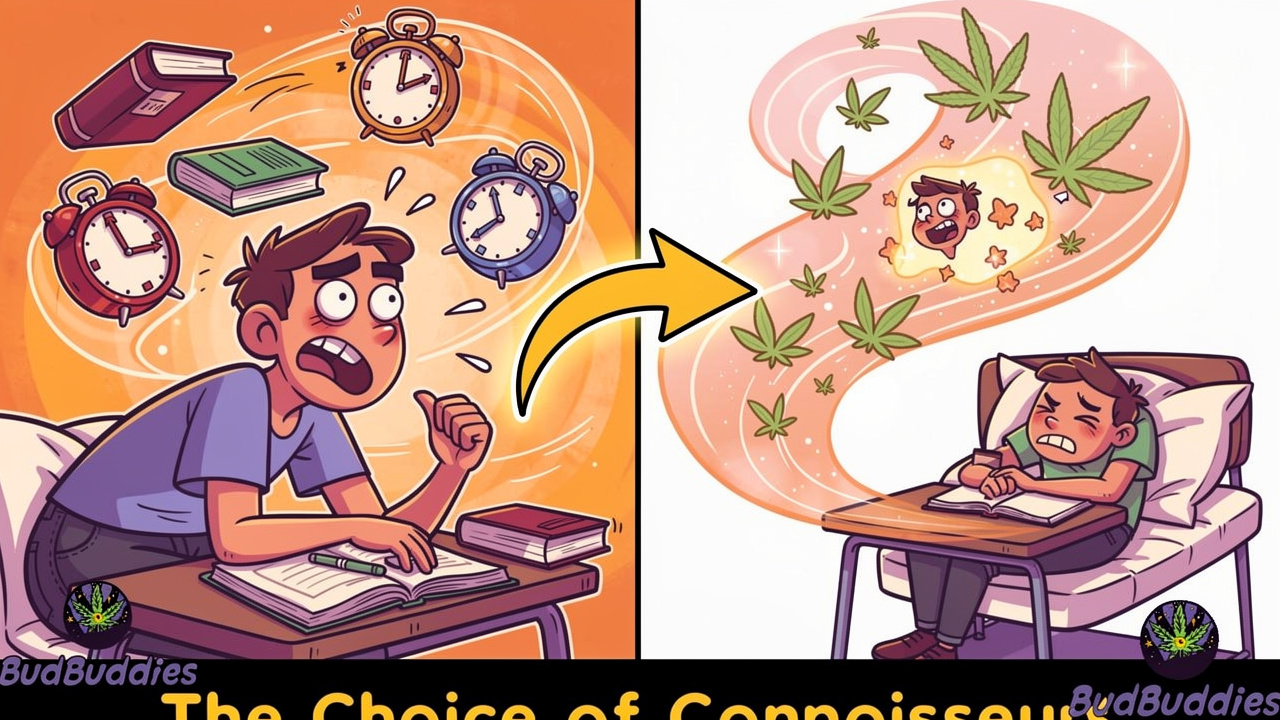
The link between cannabis and burnout in students shows up clearly in research as well as in everyday campus life, with studies on exhaustion in higher education documenting the interrelationship between academic burnout and psychoactive substance use. Burnout makes cannabis more tempting as relief, and frequent cannabis use can keep some burnout symptoms going.
A study published in Child & Youth Care Forum followed 286 high school students and measured both burnout and cannabis use. Students with higher burnout scores were much more likely to use cannabis often and to show signs of abuse. The most important driver was not tiredness but cynicism, that checked‑out feeling where school or university no longer seems to matter.
The relationship runs both ways. When students already use cannabis heavily, they often report lower motivation, patchy memory, and less drive to re‑engage with study. Those are the same areas that burnout hits. Over time, this can set up a loop where:
Stress and exhaustion build.
Cannabis brings short‑term relief.
Study feels even harder the next day.
You feel further behind and more cynical.
Cannabis starts to feel like the only thing that helps.
It is helpful to separate use from abuse:
Use means choosing cannabis in a planned way, at a time and dose that fit your life.
Abuse means slipping into patterns where you rely on cannabis to get through every feeling, or where it begins to cut into attendance, deadlines, or friendships.
Research from Child & Youth Care Forum suggests burnout pulls students towards that second pattern, even if they do not meet full clinical dependence.
For anyone trying to understand cannabis and burnout in students, the key idea is this: when life feels pointless, short‑term relief becomes very attractive — a pattern that research into mental health and academic outcomes in first-year undergraduates has consistently observed in relation to cannabis use. If that relief comes only from THC, and never from changes to workload, support, or rest, burnout has room to spread quietly in the background.
Why Burnt-Out Students Reach for Cannabis
Students in burnout reach for cannabis for clear, human reasons rather than out of weakness or lack of will. Cannabis offers fast shifts in how the body and mind feel, which can be very tempting when stress feels constant.
Common reasons include:
Switching off mental noise – THC, the main psychoactive compound in cannabis, can bring calm, euphoria, and a sense of distance from worries. For someone who feels ground down by lectures and shifts, that change can feel like switching off a loud alarm.
Fitting in socially – if your flatmates or course friends use cannabis to cope, joining in can feel like the easiest way to stay close to the group.
Taking back control of sleep – burnout often means racing thoughts at night and shallow rest. Some students find that a small dose of an indica‑leaning flower or edible helps them finally drift off.
Avoiding hard feelings – sadness, shame about grades, or fear about the future can feel more distant after a vape or edible.
Cynicism also feeds the pull toward cannabis. Once you stop believing study has value, missing a tutorial to share a joint or try a new vape cart feels less serious. The habit can then become part of your identity, especially if your main social group also uses cannabis to cope.
Sleep problems add to this mix. The short‑term effect of cannabis on sleep can feel helpful, but heavy use can disrupt normal sleep cycles over time, which keeps the underlying fatigue going.
What Cannabis Actually Does to a Burnt-Out Student’s Brain
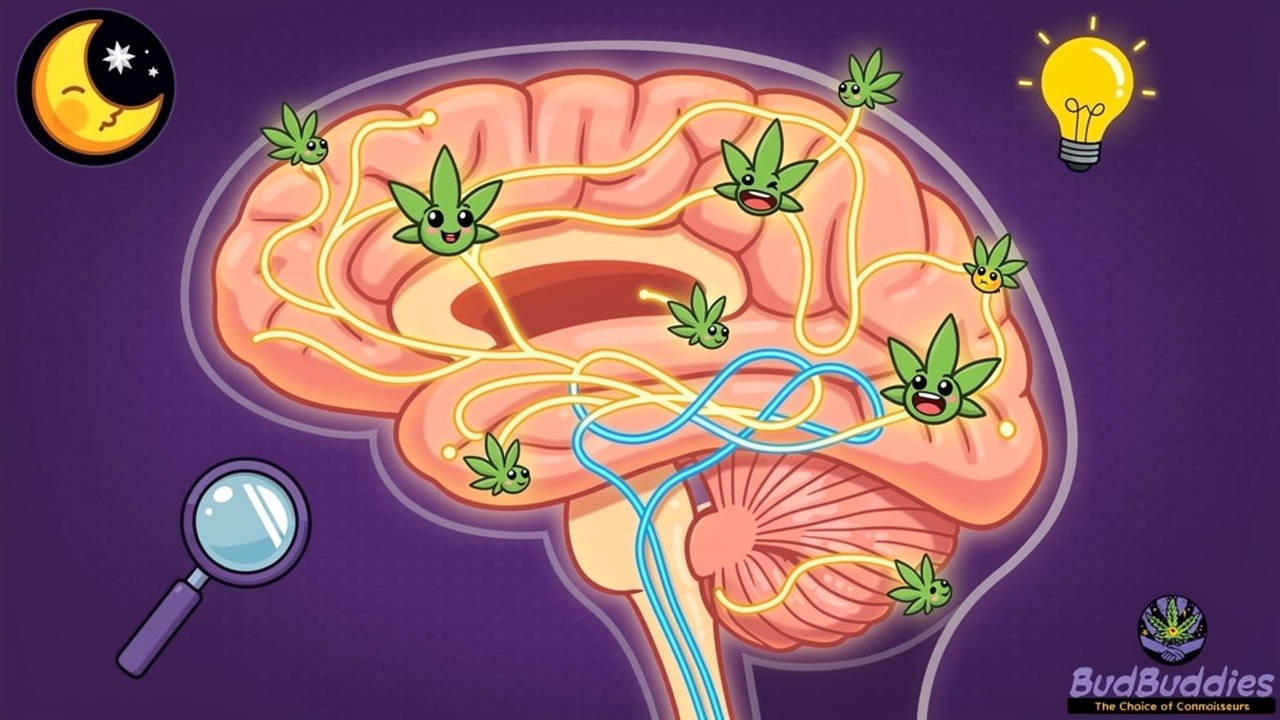
Cannabis affects the same brain systems that burnout already stresses, such as memory, focus, and motivation. Understanding this helps students make calmer choices about when and how often to use it.
THC and thinking skills
THC binds to receptors in the brain that form part of the endocannabinoid system. Short term, this changes how signals travel in areas that handle short‑term memory, attention, and judgement. Research reviewed by the National Institute on Drug Abuse shows that heavy cannabis use can impair memory, learning, and attention for days after use, not just during the high. For a burnt‑out student already struggling to keep track of lectures, that extra load can matter.
Motivation and reward
Motivation is another piece. THC interacts with the brain’s reward system, which uses dopamine to flag actions as worthwhile. With frequent, high‑dose use, some people notice that everyday tasks such as reading, cooking, or doing laundry feel dull, while cannabis stays exciting. For someone already feeling that their course has lost meaning, this shift can deepen that flat, “why bother” mood.
Age and brain development
Age plays a role as well, and clinical experience and student support frameworks for cannabis use highlight the importance of tailoring guidance to younger adult populations still in brain development. Brain development continues into the mid‑twenties, especially in the frontal lobes that handle planning, impulse control, and weighing up risk. Studies discussed by Harvard Medical School note that regular cannabis use before 25 appears to carry higher long‑term risks for thinking skills than use that begins later in adult life.
CBD behaves differently
None of this means adults must avoid cannabis completely. It does mean that for young people living with burnout, the mix of frequent THC, poor sleep, and study stress needs careful thought. CBD behaves differently. It does not create a high and seems to calm certain brain circuits without the same memory effects, which is why many students interested in cannabis and burnout in students look at CBD as a gentler starting point.
Tip: If you notice you need cannabis before you can face lectures, emails, or chores, that is a sign to pause and assess your stress levels and habits, not a reason to blame yourself.
How to Use Cannabis More Wisely If You Are a Student
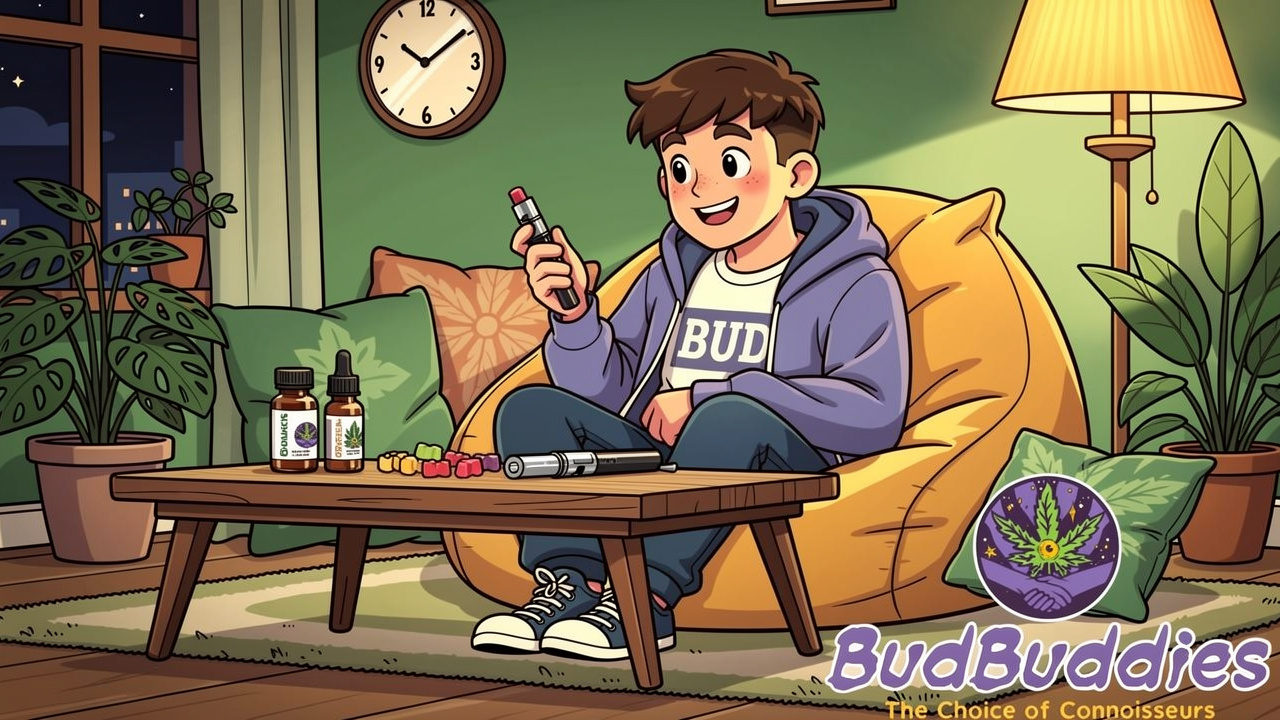
Wiser cannabis use for students starts with clarity about why you are using it, then moves to format, strength, and timing. The goal is to support your life, not let cannabis quietly run it.
Different formats suit different needs:
Inhaled cannabis – flower in a vape or THC vape pens acts within minutes and usually fades within two to three hours. That can help with short bursts of stress, for example after a long day in the library.
Edibles – gummies and baked goods usually take thirty to ninety minutes to kick in, and can last four to eight hours. According to Harvard Medical School, many edible effects stretch over six hours or more, which makes planning very important.
CBD oils and capsules – these do not create a classic high, and many adults use them to take the edge off tension or help with winding down before bed.
For students worried about the mix of cannabis and burnout in students, CBD‑heavy products can offer a calmer first step.
BudBuddies builds its whole experience around that kind of informed choice. On budbuddies.cc you will find third‑party lab reports, clear THC and CBD percentages, flavour notes, and honest effect descriptions on every product page. That helps you match a product to a goal, whether that is easing into sleep after a shift, softening social anxiety before a flat party, or keeping a study session steady without feeling overwhelmed.
Tip: Keep at least a couple of cannabis‑free days each week. If taking a break feels impossible, that is useful information to share with a trusted friend, GP, or university counselling service.
The golden rule is simple: start with a low dose, give it time, and only increase slowly once you understand how your own body responds. BudBuddies leans into this with careful potency ranges, student‑friendly formats, and discreet packaging that fits easily into shared living without drawing attention.
Choosing the Right BudBuddies Product for Burnout Relief
Matching BudBuddies products to burnout symptoms works best when you think about time of day, energy level, and how sensitive you feel to THC. Different categories on budbuddies.cc are designed for different parts of student life.
Indica‑leaning flower such as Gelato suits evening wind‑down after heavy study. These strains tend to relax the body, soften racing thoughts, and make it easier to move towards sleep. Many students pick a small bowl or a few vape draws as a clear signal that work is done for the day.
Sativa strains such as Amnesia Haze can feel helpful when mental fog and burnout have made you feel dull. These flowers lean towards a brighter, more creative head space. Used in modest amounts, they may help some students feel more interested in notes, planning, or creative projects again.
Edibles, including gummies and capsules, give smoke‑free and long‑lasting relief. They work well for planned rest days, long film nights, or quiet Sundays when you want your mind off work. BudBuddies suggests new users begin around 2.5 to 5 milligrams of THC, then wait at least ninety to one hundred and twenty minutes before taking more.
CBD oils and capsules suit those who feel anxious or cannabis‑curious but want to avoid a high. Many students take a small CBD dose in the afternoon or early evening to smooth the edges of stress while keeping a clear head.
THC vapes give fast, low‑odour relief that fits busy and shared schedules. A few careful puffs can calm nerves before a presentation or help you decompress on a walk home, without the lingering smell of smoke in halls.
Across the range, BudBuddies supports budgets with BudPoints cashback on every order and free delivery on baskets over sixty pounds, which helps students choose quality without chasing the cheapest unknown option.
The Bottom Line
The real story behind cannabis and burnout in students is not horror or fantasy. Burnout makes cannabis feel useful, and cannabis can sometimes ease how burnout feels, yet the mix needs respect. Cynicism and disconnection from study are the strongest signs that your relationship with both work and weed may need a reset — a finding reinforced by large-scale research identifying vulnerable groups in academic burnout based on lifestyle and sociodemographic characteristics.
“Burnout is what happens when you try to avoid being human for too long.” — Michael Gungor
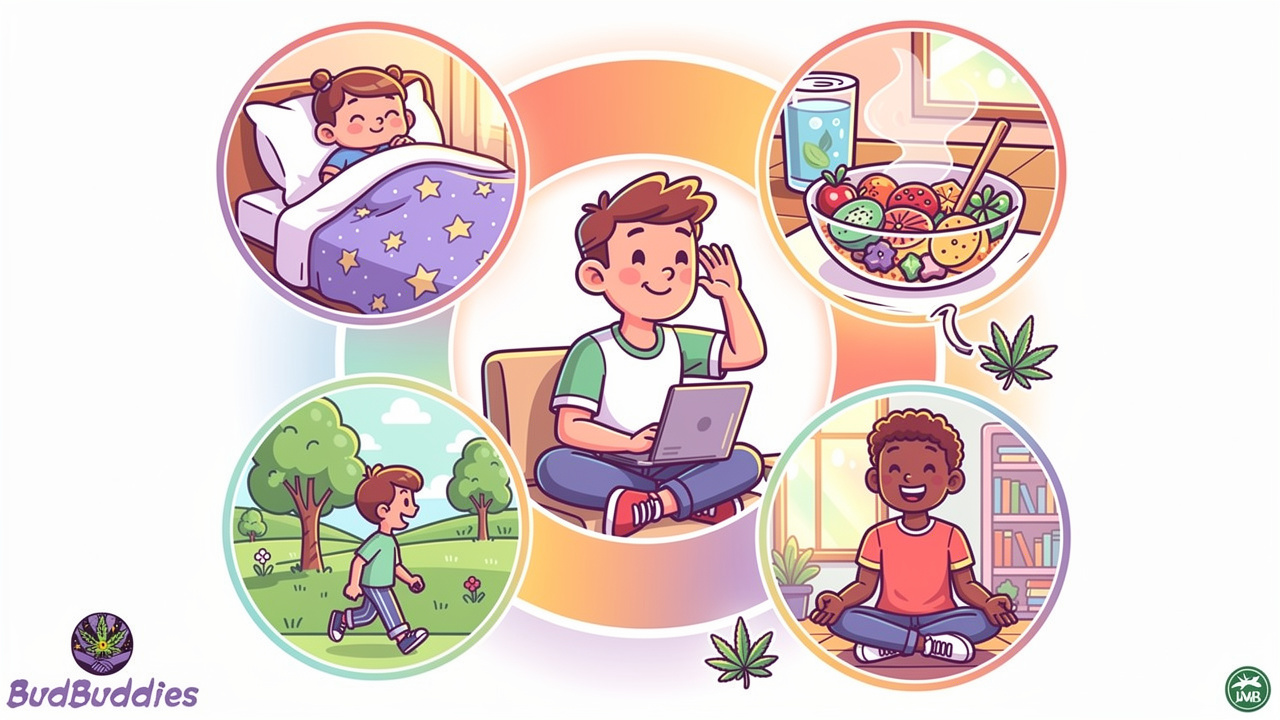
Cannabis works best as one small part of a wider care plan that also covers sleep, boundaries, support, nutrition, movement, and honest conversations about stress. If you choose to use it, product quality, dose clarity, and format choice matter a great deal. BudBuddies focuses on exactly those points, so adults across the UK and Northern Ireland can explore cannabis with more knowledge, more privacy, and more control.
Frequently Asked Questions
Question: Does cannabis help with burnout or make it worse?
Answer: Cannabis can ease burnout symptoms in the short term by lowering stress and helping you relax. Heavy or frequent use can then keep burnout going by dulling motivation, disrupting sleep cycles, and making memory problems stand out more. The impact depends on dose, format, frequency, and whether you are also changing the pressures that caused burnout.
Question: What type of cannabis is best for student stress?
Answer: Many students use CBD‑dominant products in the daytime to calm anxiety without feeling high. In the evening, some prefer indica‑leaning strains or low‑dose edibles to help the body and mind slow down. Others reach for a gentle sativa when they need a lift. BudBuddies pairs clear strain profiles with plain English notes so you can match product to mood.
Question: Is it safe for students under 25 to use cannabis?
Answer: Regular cannabis use under 25 carries more risk because the brain is still developing. Thinking skills, memory, and emotional control are still wiring up, so heavy THC can have stronger effects. If someone in this age range chooses to use cannabis, lower‑strength products, CBD‑led choices, and a patient start low, go slow approach are much kinder to the brain.
Question: How do edibles differ from smoking cannabis for burnout relief?
Answer: Edibles take longer to work, often thirty to one hundred and twenty minutes, and can last four to eight hours. That makes them better for planned rest rather than quick relief. Smoked or vaped cannabis hits within minutes and fades within a few hours, so it is easier to judge in real time, but involves inhaling vapour or smoke into the lungs.
Question: What is the “start low, go slow” rule and why does it matter for students?
Answer: The rule means beginning with a small dose, waiting the full onset period, and only then deciding whether to take more. It matters because stress, lack of sleep, and inexperience can all make THC feel stronger than expected. BudBuddies builds this approach into its guidance so students can explore cannabis with fewer rough experiences and more control over how they feel.

