


Long Term Effects of Cannabis: Risks & Safer Use
Introduction
Regular cannabis use can feel great, yet the long-term effects of cannabis often stay vague or confusing.
That noise in search results makes it hard to find calm, evidence-based facts.
Put simply, the long-term effects of cannabis are the ways your brain, mood, lungs, heart, and tolerance change when you use it steadily over months or years. This guide explains those changes in plain English, covering mental health, thinking, physical health, and simple steps that can make long-term use gentler on your body and mind.
If that sounds useful, read on for a clear, adult look at what long-term use really means and how to keep it as safe and sustainable as possible.
How Cannabis Affects Your Body and Brain Over Time
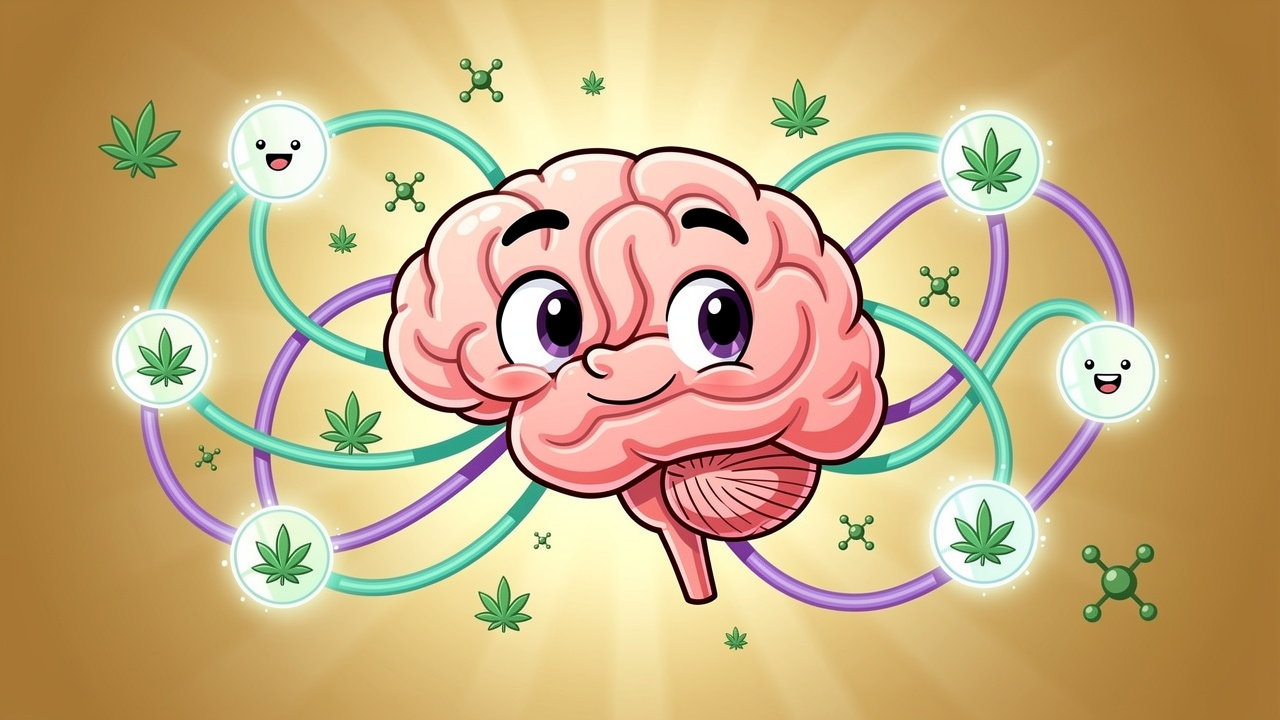
Over months and years, regular cannabis use can shift how your endocannabinoid system works. This system is a built-in network that helps keep mood, appetite, sleep, pain, and memory in balance. When you bring THC and CBD into that system often, the balance point starts to move.
The endocannabinoid system uses two main types of receptor called CB1 and CB2.
CB1 receptors sit mostly in the brain, especially in areas such as the hippocampus (which handles memory) and the prefrontal cortex (which helps with planning, focus, and self-control).
CB2 receptors appear more in the immune system and gut.
Your own body makes chemicals that fit these receptors, and plant cannabinoids from cannabis slot into the same places.
THC (tetrahydrocannabinol) binds strongly to CB1 receptors, which is why it changes perception and produces a high. CBD (cannabidiol) interacts more gently and does not create intoxication in the same way. Together with aromatic compounds called terpenes, these molecules shape how each strain feels in your body, from relaxed and sleepy to bright and focused. According to the World Health Organization, cannabis contains over one hundred different cannabinoids that can influence this system.
With steady use, especially of high-THC products, the brain starts to adapt. It may reduce the number of CB1 receptors or make them less responsive, a process called downregulation. This sits behind tolerance, where the same amount of cannabis gives a weaker effect, and larger doses or stronger products start to seem tempting. That same adaptation also links into many longer-term changes in mood, motivation, and thinking, which the next section explores in more depth.
The encouraging part is that these shifts are not all permanent. Many CB1 receptors start to respond more normally again after a period without THC, which is why tolerance breaks of a few weeks often make smaller doses feel effective again.
What Are the Long-Term Mental Health and Cognitive Effects?
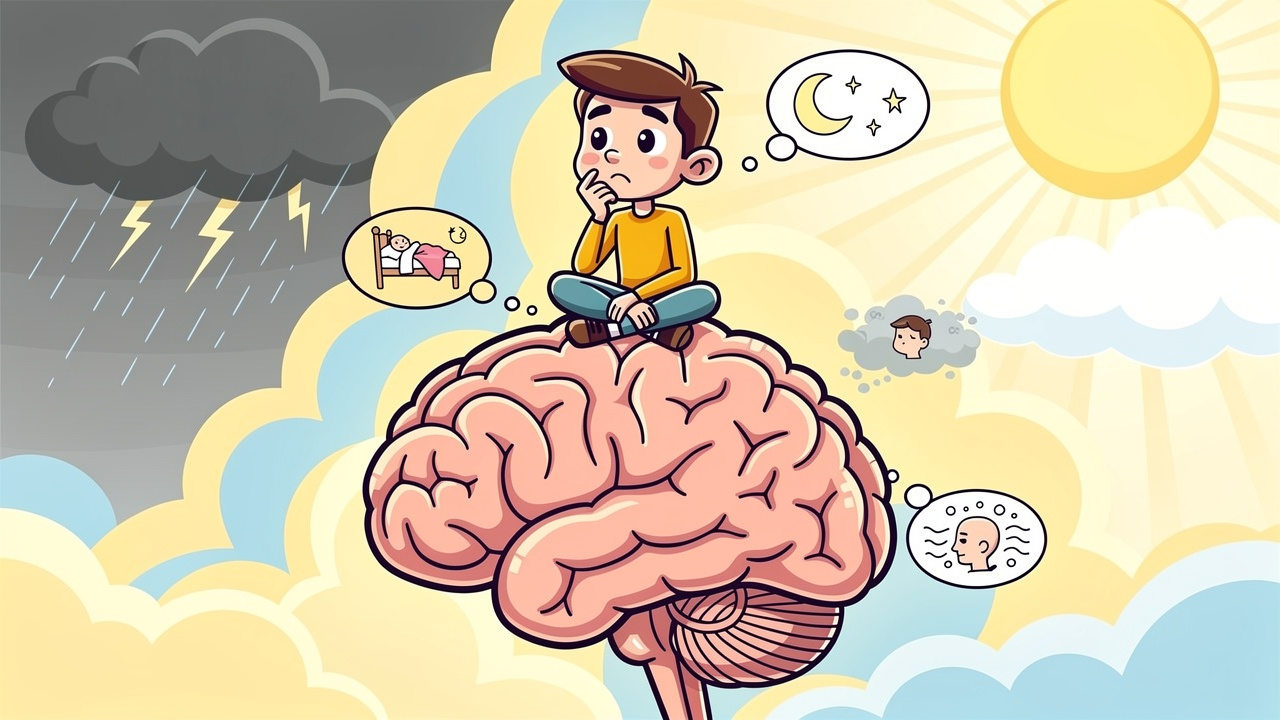
The long-term mental health and cognitive effects of cannabis sit mainly around mood, motivation, and how clearly you think. They are shaped strongly by how often you use, how strong your products are, and your personal risk factors. For some adults, the long-term effects of cannabis feel mild; for others, they can build into real problems over time.
According to the National Institute on Drug Abuse (NIDA), a noticeable share of people who use cannabis go on to develop some level of cannabis use disorder.
One key concern is cannabis use disorder (CUD), which is a pattern where use carries on despite clear downsides. Research from the National Institute on Drug Abuse suggests that about 9 percent of people who use cannabis develop this disorder, with risk rising to around 17 percent in daily users and even higher for those who start in their teens. Signs include:
Struggling to cut down or stop
Strong cravings
Withdrawal symptoms such as irritability, poor sleep, low appetite, or restlessness when you stop
Psychosis is the most serious mental health issue linked with heavy, long-term use of strong products, with a prevalence of schizophrenia spectrum disorders notably elevated among those who experience cannabis-induced psychosis. A large study in The Lancet Psychiatry found that people who used high-potency cannabis every day had roughly five times the odds of a psychotic episode compared with people who never used. Risk is higher if you or a close relative have had psychosis or bipolar disorder. Most adults who use cannabis never experience this, yet for those who are vulnerable, keeping THC levels and frequency sensible matters a great deal.
Thinking skills can also shift with long exposure, as shown by a fine-grained longitudinal study linking adolescent cannabis use to measurable differences in cognitive performance in young adulthood. THC acts strongly in the hippocampus and prefrontal cortex, which support learning, memory, and decision making. A long-running cohort study in JAMA Internal Medicine linked heavy, persistent cannabis use with lower verbal memory scores in middle age, while light or occasional use showed much smaller changes.
The hopeful side is that several reviews report clear improvement in many cognitive tests after two to four weeks without cannabis, especially in adults who started later in life. People often notice:
Sharper short-term memory
Better concentration at work or study
More vivid dreaming and more regular sleep
Mood effects over years look less clear cut. Many people feel cannabis softens anxiety or low mood, yet large observational studies link very heavy, long-term use with more anxiety symptoms and more frequent spells of low motivation. Some regular users describe a flat, foggy state often called amotivational syndrome. That pattern often fades when people cut their dose, change strain, or add in THC-free periods, which ties back to the importance of conscious, informed use.
If you already live with anxiety, depression, ADHD, or bipolar disorder, it is especially wise to keep your doctor in the loop. They can help you watch for subtle changes over time, rather than only reacting when things feel overwhelming.
How Does Long-Term Cannabis Use Affect Physical Health?
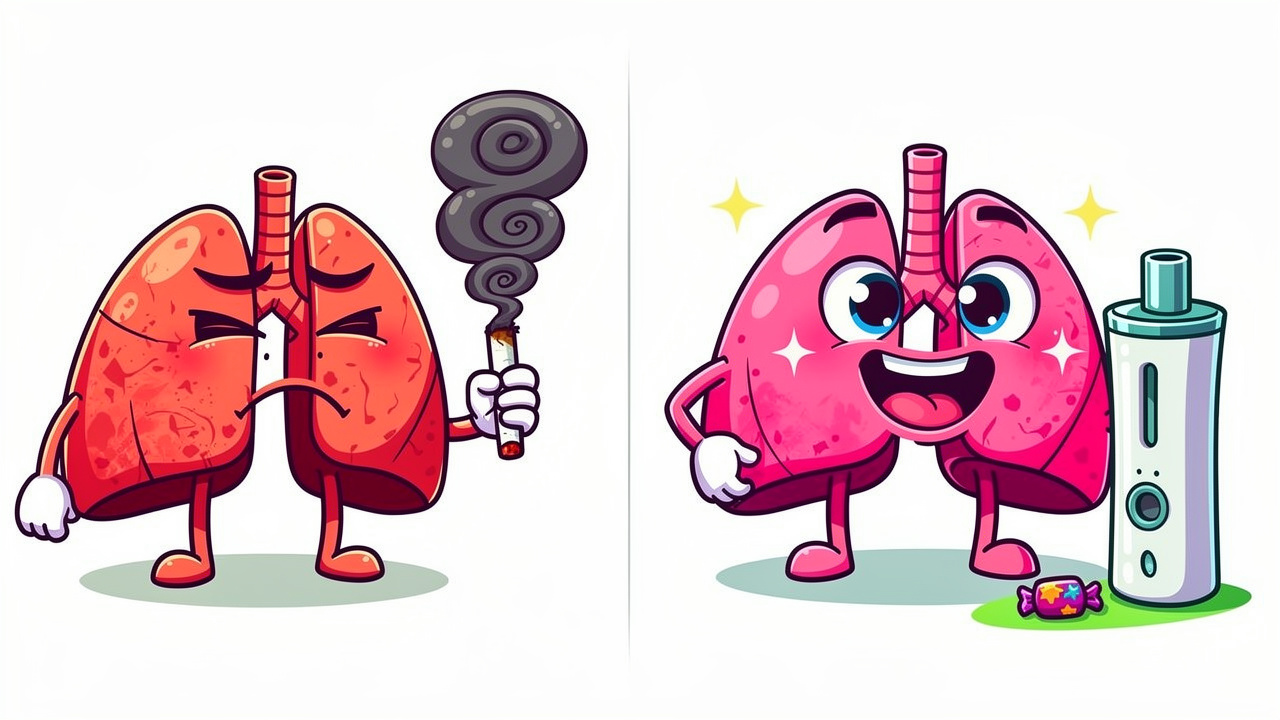
Long-term cannabis use affects physical health mainly through your lungs and heart, although the picture is very different for smoking, vaping, and edibles. Someone who smokes several joints a day faces other risks than someone who takes a low-dose gummy a few evenings a week. Knowing those differences lets you line up your habits with what your body can comfortably handle.
When cannabis is burned and inhaled, hot smoke, tar, and tiny particles hit the airways. Reviews from the British Lung Foundation link regular cannabis smoking with more chronic bronchitis symptoms such as cough, wheeze, and increased phlegm compared with non-smokers. Many people notice a morning cough, heavy chest, or a tendency for minor colds to move onto the chest when smoking heavily over years. These risks can climb further if joints are mixed with tobacco.
The British Lung Foundation notes that smoking any plant material, including cannabis, can irritate and inflame the airways over time.
Vaping and edibles change this picture quite a lot. Dry herb vaporisers heat flower below the point of burning, which cuts the amount of tar and toxic gases you breathe in. According to a study in Harm Reduction Journal, people who switch from smoking to vaping report fewer respiratory symptoms over time.
Edibles, oils, and capsules avoid the lungs completely, so any long-term effects there are more about dose and frequency than about the delivery method. The main issues with edibles are delayed onset and the risk of accidentally taking too much, which can cause intense, short-term anxiety or nausea even though the lungs stay untouched.
The heart also responds to long-term use. THC causes the heart to beat faster for a short time after each dose, a change called tachycardia. The American Heart Association notes that heart rate can rise by 20 to 50 beats per minute soon after consumption, depending on dose and previous exposure. For healthy adults this is usually a brief, harmless flutter, but for people with heart disease, high blood pressure, or rhythm problems, repeated spikes can place extra load on the system.
Simple steps that can reduce strain on the heart include:
Spacing out use rather than redosing repeatedly in a short window
Avoiding very large doses in one go, especially with concentrates
Choosing steady-release formats such as lower-dose edibles or oils
Skipping use on days when you feel unwell, dehydrated, or very stressed
Here is the key point for physical health: the long-term effects of cannabis on the body are not fixed, and method matters as much as amount. Moving away from combustion and paying attention to how your chest and heart feel across weeks, not just during one session, makes it easier to keep your use in a safer zone.
How to Use Cannabis Long-Term More Responsibly
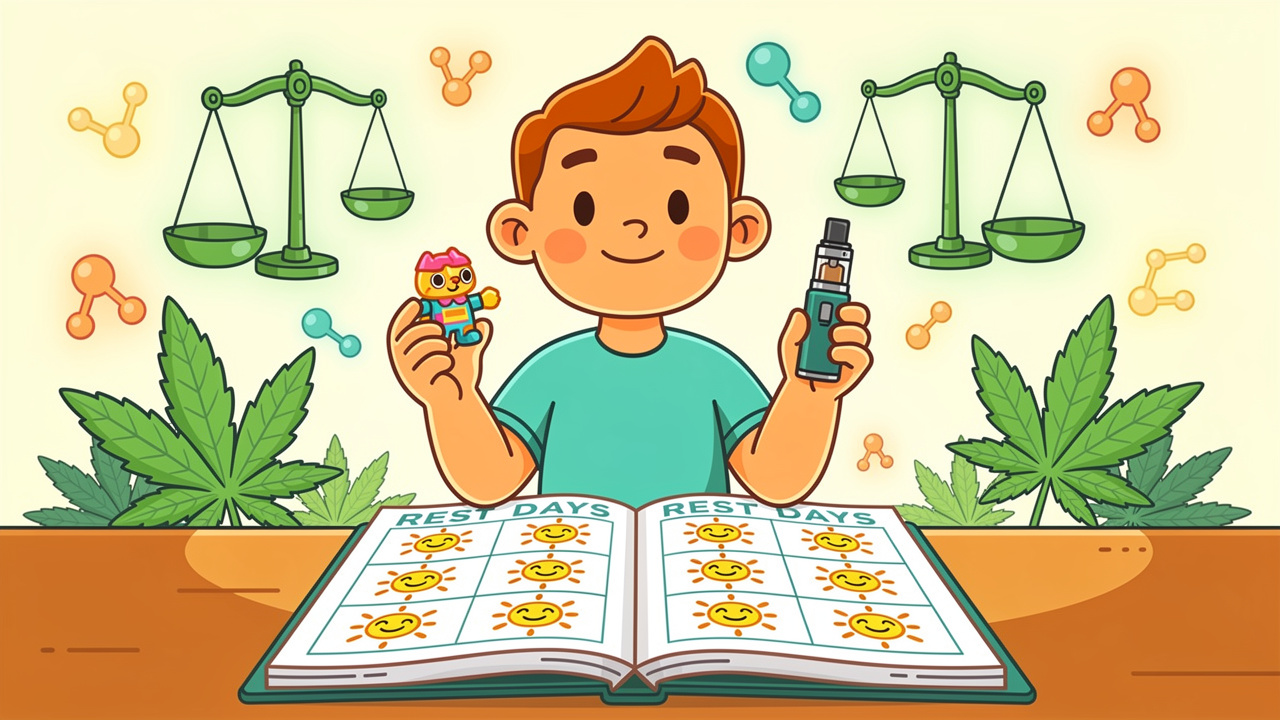
Using cannabis long term more responsibly means adjusting what you take, how often you take it, and how carefully you pick products. The goal is not perfection; it is a pattern that still feels enjoyable in ten years rather than just tonight. Here is where the choices you make on strength, method, and schedule really shape the long-term effects of cannabis.
Research grouped by the National Institute on Drug Abuse indicates that daily users are far more likely to develop cannabis use disorder than occasional users. The same pattern appears for mental health risks linked with high-THC products. That does not mean you must stop, but it does show that small shifts in habits can meaningfully lower long-term odds of problems. This is exactly where a curated, transparent store such as BudBuddies becomes so useful.
BudBuddies focuses on lab-tested AAAA plus flower, vapes, and edibles with clearly stated THC and CBD levels. Product pages at budbuddies.cc show cannabinoid percentages, terpene profiles, and typical effects in plain English, so you can line up strains like Gelato or Amnesia Haze with how you actually want to feel. That level of detail makes it easier to spot which products sit well with your mood and which feel too racy or heavy.
For practical harm reduction, a few habits make a big difference over the long run:
Choose balanced products rather than only chasing the strongest THC you can find. BudBuddies carries flower, vapes, and edibles with meaningful CBD content, which can soften anxiety and make the experience smoother for many adults. Reading the cannabinoid profile first helps you avoid surprises.
Treat dose with respect. With BudBuddies edibles, for example, you see clear milligram amounts, often 5 to 10 milligrams per piece, so you can start low and wait at least two hours before adding more. That approach reduces the chance of rough experiences that might push you towards anxiety long term.
Give your body regular tolerance breaks. Even a week or two off every couple of months lets CB1 receptors reset and often brings your tolerance back down. BudBuddies blog guides and strain notes can help you plan lighter periods, swap to CBD-only products, or simply track how much you actually use in a typical week.
Think about your method as part of self-care. Moving from joints or spliffs to dry herb vapes or edibles from BudBuddies cuts harsh smoke and can ease long-term cough. Mixing fewer sessions with higher-quality products often feels better than constant low-grade use throughout the day.
Set clear boundaries. Many long-term users find it helpful to keep cannabis for certain times (for example, evenings only or weekends only) and to have cannabis-free days built into every week.
A simple rule of thumb many people find helpful: “Use less, less often, and in less harmful ways.”
With this kind of approach, long-term use becomes a conscious lifestyle choice rather than a habit that runs on autopilot. BudBuddies is built to support that style of consumption, from clear lab reports to quiet, discreet delivery that respects your privacy.
The Bottom Line On Long-Term Cannabis Use
The bottom line on long-term cannabis use is that risks and benefits depend heavily on who you are and how you consume. Heavy daily use of very strong products, especially from a young age, carries the greatest chance of lasting problems with mood, thinking, lungs, and heart. Lighter, occasional use in adulthood, with rest days and careful dosing, tends to sit in a much gentler zone.
Protective factors are available and practical. Favour balanced THC and CBD products, pick non-burning methods where you can, take regular tolerance breaks, and pay real attention to how your mind and body respond over months, not just minutes. If you want support with that style of use, BudBuddies offers a curated range of lab-tested flower, vapes, edibles, and CBD at budbuddies.cc, along with clear guides that help you plan what feels right for you.
If you ever feel your use is slipping out of your control, or your mood and thinking are changing in worrying ways, speak with a health professional. Cannabis can fit into a healthy life for many adults, but it deserves the same level of respect and reflection you would give to alcohol, prescription medicines, or any other psychoactive substance.
Frequently Asked Questions
Question: Can the long-term effects of cannabis be reversed?
Many effects, especially on thinking, show clear improvement after a few weeks without cannabis. Cognitive tests and sleep often look better after two to four weeks, particularly in adults who started later in life. Heavier, early-onset use may leave some lingering changes, which is why regular tolerance breaks are a helpful first step. For people who feel stuck, adding therapy or support groups can also make change easier.
Question: Does cannabis affect everyone the same way long-term?
No, the long-term effects of cannabis vary a great deal between people. Genetics, age when you first used, frequency, strength, and whether you smoke or vape all change the picture. Those with a personal or family history of psychosis, bipolar disorder, or severe anxiety carry higher long-term risk from heavy use, as confirmed by research on the prevalence of schizophrenia spectrum disorders among individuals who develop cannabis-induced psychosis. Physical health conditions such as heart disease or asthma also shape what is safe.
Question: Is vaping cannabis safer than smoking it long-term?
Vaping is generally kinder to the lungs than smoking because it avoids burning plant material. Studies highlighted by the British Lung Foundation link vaping with fewer bronchitis symptoms compared with smoking. That said, THC exposure and its mental health risks stay similar, so dose, potency, and frequency still matter as much as method. Using reputable, tested vape products and avoiding unregulated cartridges is also important.
Question: How long does it take to develop a cannabis tolerance?
Tolerance can start to build within days or weeks of daily use, especially with strong THC products. Many people notice that the same dose feels weaker after a few weeks. The good news is that a tolerance break of two to four weeks usually brings sensitivity back down. BudBuddies guides and strain information can help you plan those breaks sensibly and choose gentler products when you return.
Question: What is the difference between THC and CBD for long-term use?
THC is the main psychoactive compound and carries most of the risk for dependency, psychosis, and cognitive change. CBD is non-intoxicating and is not linked with dependency or psychosis in current evidence. Balanced THC and CBD products likely carry a gentler long-term profile than very high-THC isolates. BudBuddies offers CBD oils, flower, and balanced products for adults who want that style of experience and a calmer long-term risk profile.

