cannabis for experienced users tips
You’ve smoked, vaped, and tried edibles for years, yet lately your usual dose barely touches the sides. That flat feeling is the most common problem experienced cannabis consumers run into once beginner-level advice stops being any use. Generic tips about starting low and going slow don’t solve this, because your body has already adapted to regular cannabinoid exposure, and your palate has grown far more particular about flavour, potency, and format.
This guide brings together practical cannabis for experienced users tips that go beyond the basics, covering how tolerance actually builds, what separates a properly tested product from a guessing game, and how to pick the right format for the moment rather than just reaching for more. We’ll also look at strain and terpene selection, high-dose sessions, and pairing your consumption with activities you already enjoy. At BudBuddies, we work with consumers who already know their preferences, so this reflects the questions we hear most often from that audience. Read on to find what actually moves your experience forward.
Key Takeaways
Tolerance is biological, not a sign that product quality has dropped, and it responds well to structured management.
Lab-verified potency removes the guesswork that inconsistent or street-level sourcing simply can’t match.
Matching your consumption format to the occasion beats reaching for a bigger dose every time.
Rotating strains and consumption methods keeps your endocannabinoid system responsive and effects noticeably fresher.
A short, planned tolerance break resets sensitivity faster than most experienced consumers expect.
Why Does Cannabis Tolerance Build Up Over Time?
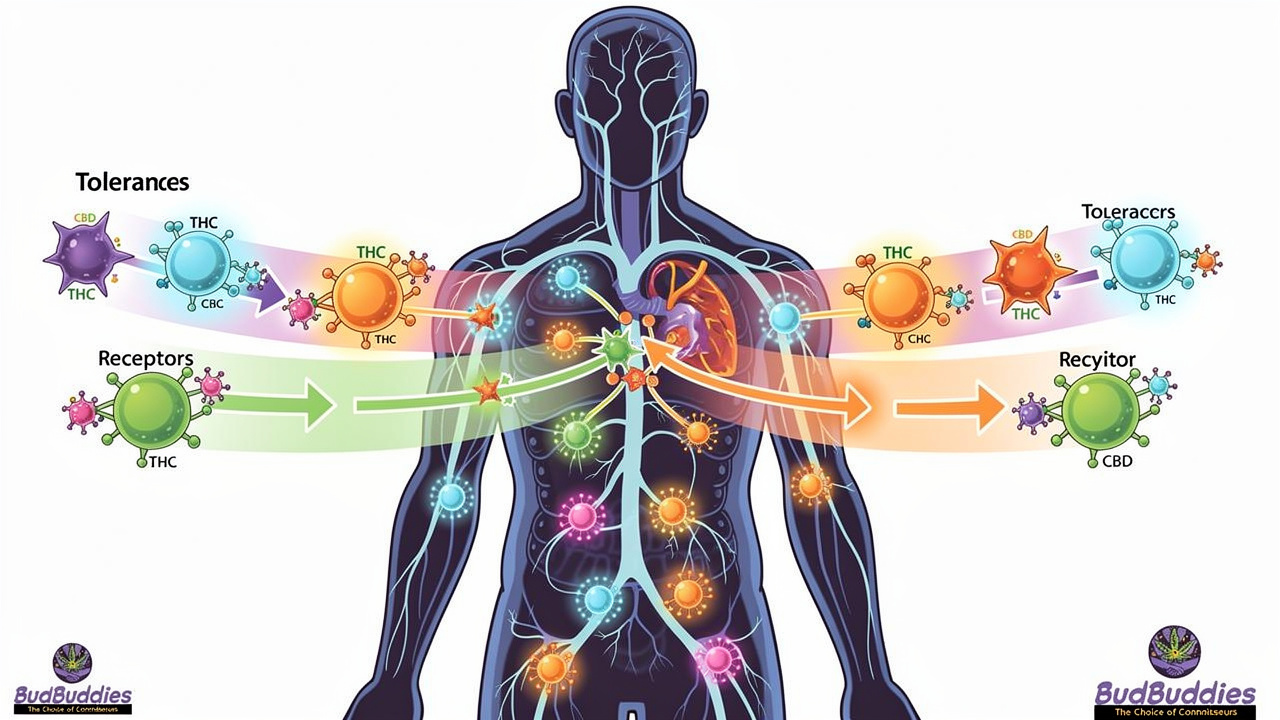
Cannabis tolerance builds because your endocannabinoid system, the network of receptors that respond to THC and CBD, adjusts itself after repeated exposure and needs a larger dose to produce the same effect. This is a normal physical adaptation, not a sign that a strain has weakened or a supplier has cut corners. You’ll usually notice tolerance rising when you find yourself:
Chasing effects that used to arrive easily
Increasing your dose without feeling more satisfied
Noticing that even your favourite strain feels muted
Recognising these signs early lets you adjust your approach before consumption quietly creeps upward month after month, since research showing cannabis tolerance reduces symptom relief confirms that repeated heavy use genuinely blunts the effects you’re chasing.
How a Tolerance Break Resets Your System
A structured tolerance break is the fastest way to restore sensitivity without giving up cannabis altogether. Even one to two weeks off gives your receptors room to recover, and many experienced consumers report noticeably stronger effects at their old dose once they return. Withdrawal during this window is usually mild, showing up as slightly disrupted sleep or brief irritability rather than anything severe, consistent with official information on the use of cannabis for medical purposes that describes similar short-lived withdrawal patterns.
“Unlike other substances, cannabis withdrawal is typically limited to temporary sleep changes and mild irritability that resolve within days.” — Dr Ryan Vandrey, Johns Hopkins School of Medicine
Planning a break is easier with the right tools. BudBuddies’ Weed Tolerance Calculator and Beginner Weed Tolerance Break Guide help you work out roughly how long a reset will take, based on your consumption habits, so you’re not just guessing at timing.
Choosing Premium Products That Justify Your Experience
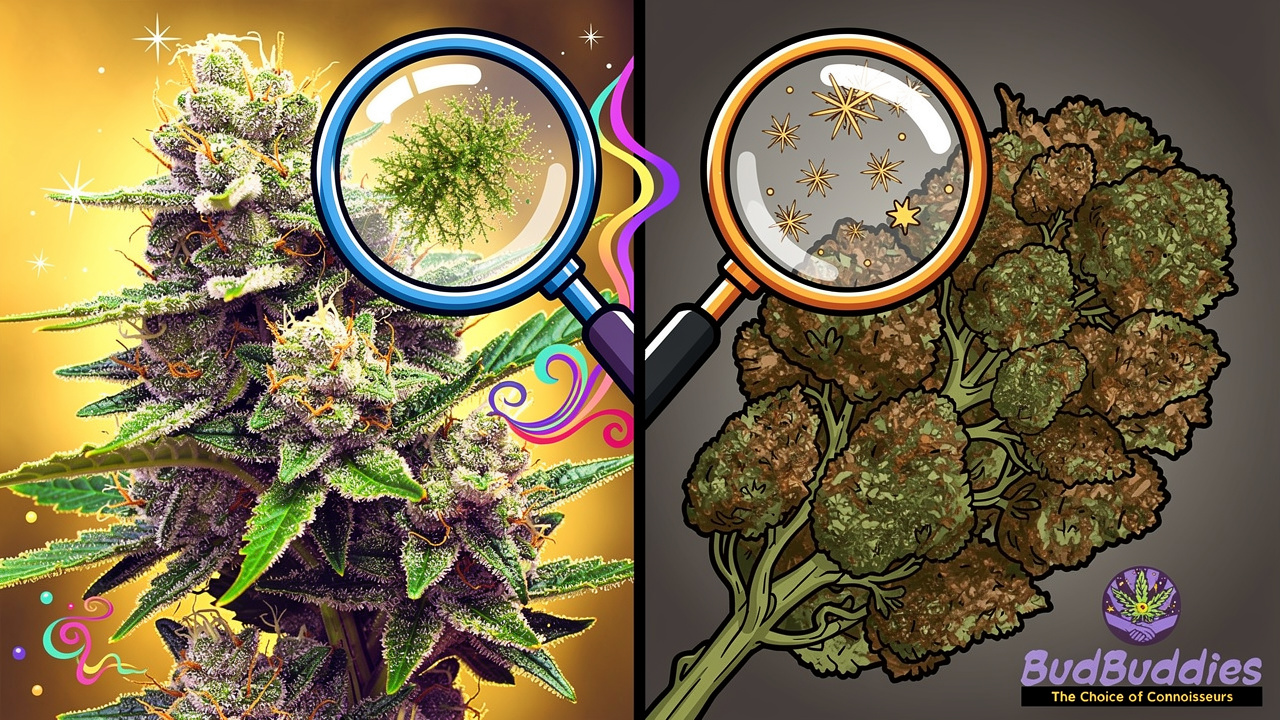
Choosing premium cannabis matters more as your tolerance rises, because subpar flower or extracts simply can’t deliver the depth of effect and flavour your experience now expects, and a higher THC number on the label doesn’t guarantee that depth either, as why high THC doesn’t mean a better high explains. Quality shows up first in the trichomes, the crystalline coating that carries much of a bud’s potency, which should look dense and frosty rather than sparse or dull. Colour matters too, since bright greens and purples signal careful growing and drying, while browning or dull patches point to age or poor storage. Aroma is the quickest test of all, since properly cured cannabis smells complex and potent, never musty or chemical.
Trichome density and clarity show the bud was harvested and dried with care rather than rushed to market before it was ready.
Bright colour without browning tells you the product hasn’t sat around losing potency in poor storage conditions.
A complex, potent aroma rather than a flat or chemical smell matters, since terpenes fade fastest once quality slips.
Consistency between batches means your favourite strain delivers the same effect and flavour every single time you reorder.
What Independent Lab Testing Tells You
A Certificate of Analysis is the paperwork behind serious serious lab testing, showing exact THC and CBD percentages, a full terpene breakdown, and screening results for mould, pesticides, and heavy metals. For an experienced consumer, this data matters more than a strain name on a label, because it confirms what you’re actually buying rather than leaving potency down to guesswork. Quality and transparency are really what separate a professional supplier from casual, unverified sourcing.
The team double-checks potency on every batch before it reaches a customer, so a product labelled at 22% THC genuinely delivers 22% THC rather than an approximate figure, which matters given how a complete guide to cannabis potency labels shows lab numbers and felt effects often diverge. That consistency lets you dose accurately session after session, which becomes increasingly valuable once your tolerance means small percentage differences are noticeable.
Comparing Consumption Methods for Experienced Users
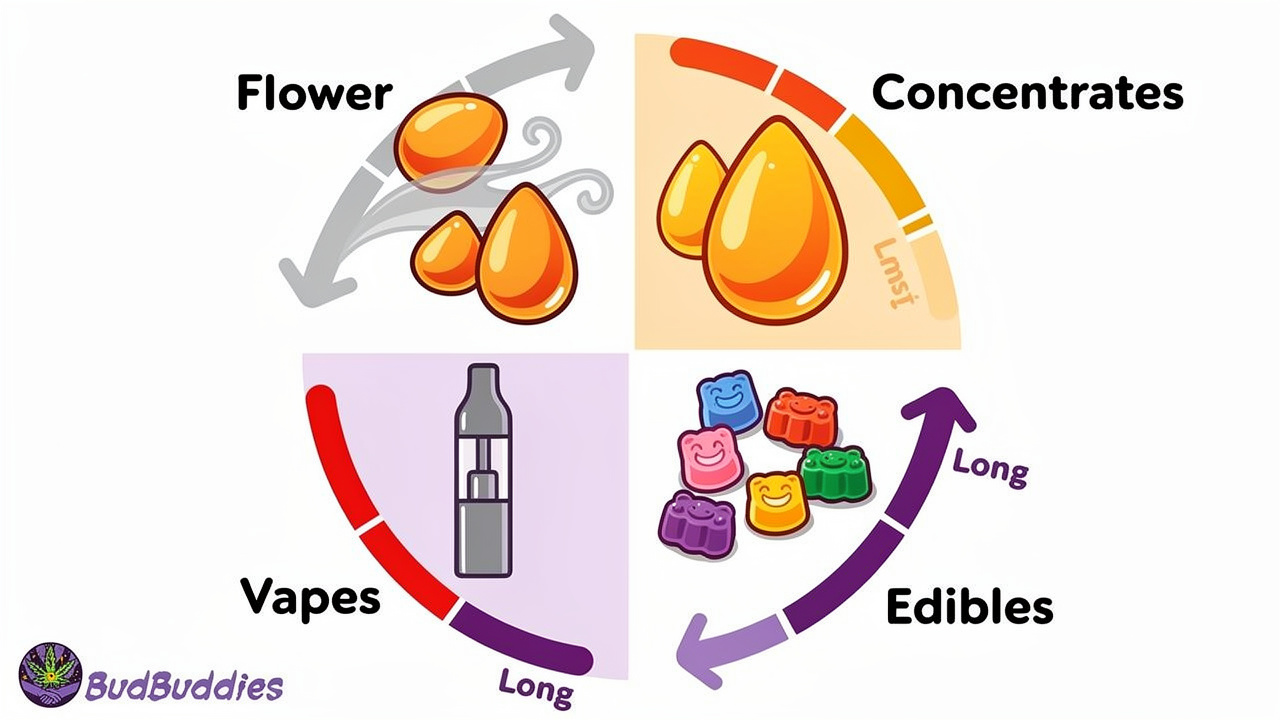
Choosing a consumption method deliberately, rather than reaching for the same one out of habit, is one of the simplest upgrades an experienced consumer can make. Flower, concentrates, vapes, and edibles differ enormously in onset time, duration, and intensity, so the right pick depends on what the moment actually calls for. Rotating between formats also stops you plateauing on a single delivery method, keeping effects feeling fresh instead of predictable. Each format below suits a different context, so it’s worth knowing exactly where each one fits.
Flower for Ritual and Full-Spectrum Flavour
Flower remains the format most experienced consumers return to for its immediate onset and complete terpene profile, typically delivering effects within minutes that last one to three hours. It also keeps the ritual of grinding and rolling intact, which many seasoned users find adds to the whole experience. Our range includes strains like Gelato for evening relaxation, the citrusy, energising Amnesia Haze, and the balanced hybrid Blueberry Haze.
Concentrates for Established Tolerance
Concentrates such as wax, shatter, and live resin suit consumers who already understand their tolerance well, since their potency far exceeds flower. Effects arrive almost immediately and hit hard, which is exactly why this category isn’t the place to start experimenting if you’re still finding your dose. You’ll need a dab rig or a compatible vaporiser to use them properly, and a small amount genuinely goes a long way.
Vapes for Discreet, Precise Dosing
Standard 510 vape cartridges suit consumers who want fast, controllable effects without the smell of smoking flower. Onset typically lands within two to five minutes, with effects lasting roughly two to four hours, making vapes practical for daytime use or social settings where discretion matters. Precise puff control also helps you stop exactly where you meant to.
Edibles for Long-Lasting Effects
Gummies, chocolates, and capsules come with pre-measured doses, usually 5 to 10mg of THC per piece, so you know exactly what you’re taking. Onset is slower, typically 30 minutes to two hours, but effects last considerably longer, often four to eight hours, which suits an evening you’ve properly set aside. Give any dose at least 90 to 120 minutes before considering more, since redosing too early is the most common edible mistake even experienced users make.
Matching Strains and Effects to Your Lifestyle

Matching strains to your lifestyle works far better when you look past simple indica or sativa labels and focus on actual cannabinoid and terpene content instead. Limonene tends to bring an uplifting, energetic quality, myrcene leans toward relaxation and body-heavy effects, and pinene supports focus and clarity. Once you know which terpenes consistently work for you, choosing a new strain becomes a far more reliable process than reading a name on a jar, an approach laid out in a science-backed cannabis cheat sheet covering dosing, terpenes, and format selection in more depth.
Pairing cannabis deliberately with an activity tends to produce a noticeably better experience than consuming on autopilot. A limonene-forward sativa might suit creative work or a walk outdoors, while a myrcene-heavy hybrid fits an evening wind-down far better. Social settings often call for something milder and easier to control, leaving heavier, more introspective strains for solo evenings at home.
Managing High-Dose Sessions and Avoiding Overconsumption
Recognising your plateau is the first safeguard against overconsumption, because once cannabis reliably works for you, adding more product rarely deepens the effect and mostly just increases how much you’re using. This matters most with concentrates and edibles, the two formats most likely to catch even experienced consumers off guard, given how potent a single dose can be, a risk backed by a potency-ranging human laboratory study on smoked cannabis showing acute effects intensify sharply as strength rises.
A few practical habits keep high-dose sessions comfortable:
Start any new concentrate batch with a smaller dab than usual, since potency can vary even between quality products.
With edibles, resist redosing inside that first 90 to 120 minute window.
Keep water and a light snack nearby in case effects run stronger than expected.
The Bottom Line
Getting more from cannabis as an experienced consumer comes down to managing tolerance deliberately, choosing lab-verified quality over guesswork, and rotating formats and strains instead of simply increasing your dose. None of this requires starting over. It just means applying knowledge you’ve already built more intentionally, session by session.
BudBuddies exists to support exactly that approach, with lab-tested flower, concentrates, vapes, and edibles, alongside the Weed Tolerance Calculator to help plan your next break with confidence. Explore the range, find the format that suits your next occasion, and let your experience guide smarter choices rather than bigger ones.
Frequently Asked Questions
How do I know if I’ve built up a cannabis tolerance?
The clearest signs are needing more product to feel the same effect and noticing your usual dose delivers less satisfaction than it used to. Keeping a simple log of what you use and how it felt makes these patterns much easier to spot early.
Can rotating strains really make a difference for experienced users?
Yes, switching between different cannabinoid ratios and terpene profiles helps stop your endocannabinoid system settling into one pattern. Trying a wider strain range, rather than sticking to a single favourite, often restores effects that had started to feel flat.
Is it safe to mix cannabis with alcohol as an experienced user?
Experience doesn’t remove the risk of combining substances, since alcohol and cannabis can each intensify the other’s effects unpredictably. If you choose to combine them, go slower than usual with both, and treat your normal tolerance as a rough guide rather than a guarantee.
What’s the difference between CBD cycling and a full tolerance break?
CBD cycling means swapping in CBD-dominant products for a period rather than stopping cannabis altogether, keeping sessions calmer without a total break. Our CBD line, including oils, capsules, flower, and vapes, makes this an easy option when you want lighter effects without giving cannabis up entirely.
How should I store concentrates and flower to keep them potent?
Flower stays freshest in an airtight light-proof container kept somewhere cool and dark, away from heat and direct sunlight. Concentrates, particularly rosin and other extracts prone to oxidising, generally benefit from refrigeration to preserve their potency and flavour for longer.
Why do edibles feel so different from smoking or vaping, even at a similar dose?
Edibles pass through your digestive system and liver before reaching your bloodstream, which converts THC into a compound with stronger, longer-lasting effects. That’s why an edible dose that sounds modest can feel considerably more intense and body-focused than the same amount smoked or vaped.