


CHS Weed Symptoms Explained: A Clear, Simple Guide
Persistent vomiting and stomach cramps after years of regular cannabis use can feel confusing, especially since cannabis has a reputation for easing sickness, not causing it. That mismatch leaves many long-term consumers searching for answers about CHS weed symptoms without realising a name already exists for what they’re experiencing. Cannabinoid Hyperemesis Syndrome, or CHS, is a genuine but under-discussed reaction linked to heavy, long-term cannabis use, and it shows up as cycles of nausea, vomiting, and abdominal pain that ordinary remedies rarely settle.
This guide walks through what CHS actually is, how it moves through three recognisable phases, and why a hot shower brings such odd relief mid-episode. It also covers how CHS differs from everyday cannabis queasiness, what raises your risk, and simple ways to keep consumption more mindful. BudBuddies exists to make cannabis use clearer and more considered, so treat this as your plain English reference point before reading on.
Key Takeaways
CHS weed symptoms are linked to long-term, heavy, high-potency cannabis use rather than occasional sessions.
Symptoms build through three phases, moving from mild prodromal nausea to severe hyperemetic vomiting and eventual recovery.
Compulsive hot showering is one of the clearest signs doctors use to identify CHS.
Stopping cannabis use completely is the only reliable way to resolve symptoms.
Watching product potency and dosing, and taking regular breaks, helps keep consumption on the safer side.
What Is Cannabinoid Hyperemesis Syndrome (CHS)?
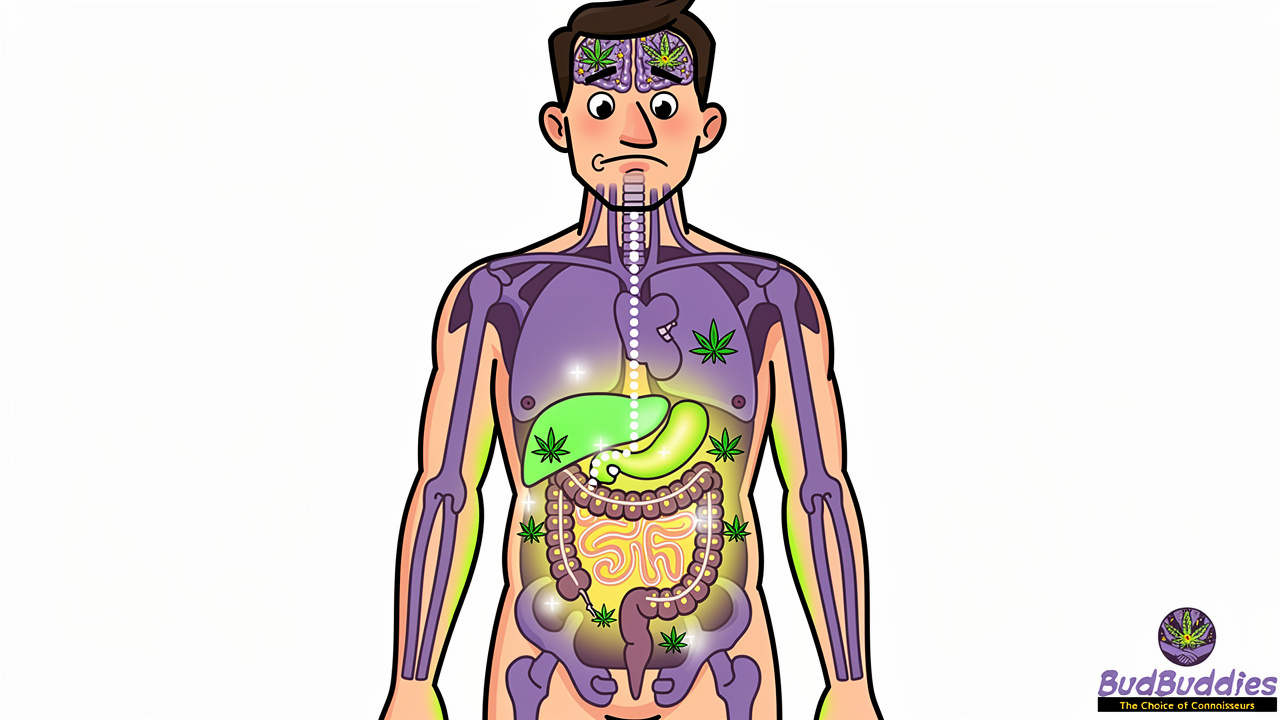
Cannabinoid Hyperemesis Syndrome, or CHS, is a recurrent nausea and vomiting condition in which long-term, heavy cannabis use triggers repeated cycles of severe nausea, vomiting, and abdominal pain. It sits oddly against cannabis’s usual reputation, since many people use cannabis specifically to settle a queasy stomach. CHS weed symptoms show up only after months or years of frequent use, building into a clear pattern rather than a single bad reaction.
Researchers think a build-up of cannabinoids disrupts receptors in the gut and the brain’s nausea centre over time. This seems to flip cannabis from a nausea reliever into a trigger for a small share of frequent users. CHS remains rare set against the huge number of people who use cannabis regularly without ever developing it, and clinical guidance on cannabinoid hyperemesis syndrome outlines the diagnostic criteria doctors rely on to confirm it.
What Are the Three Phases of CHS Symptoms?
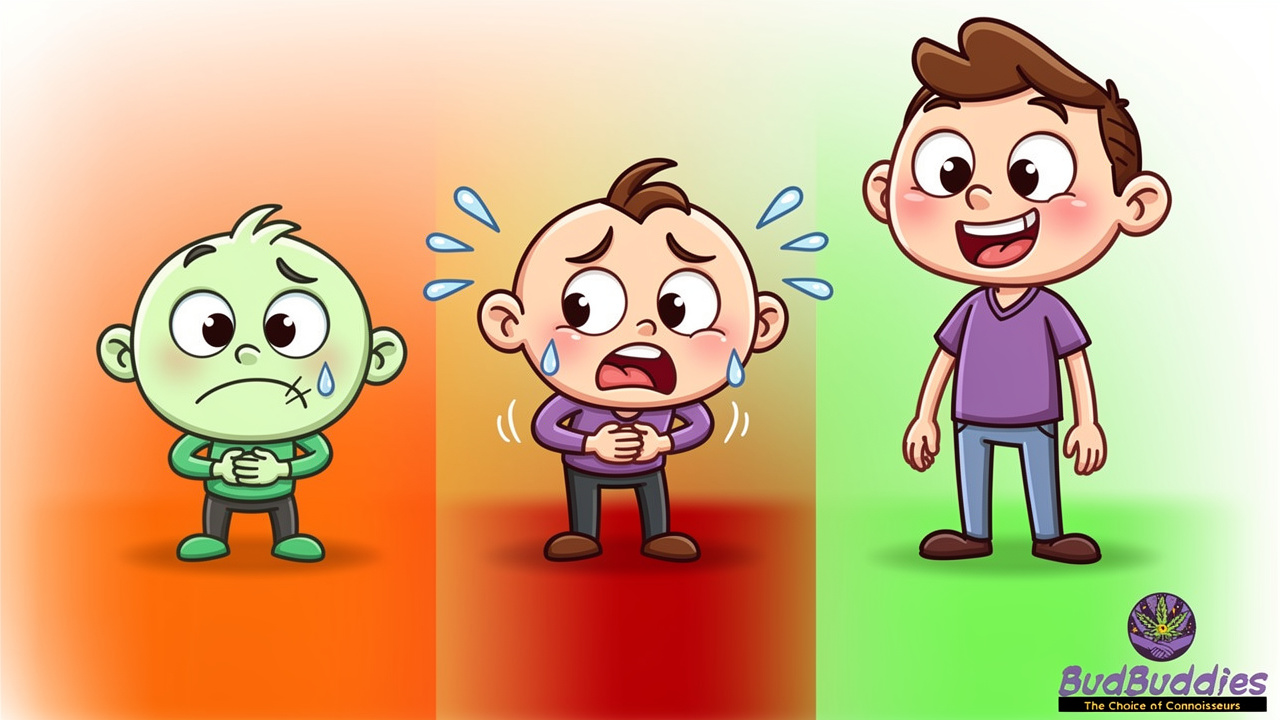
CHS weed symptoms don’t appear overnight. They build through three recognisable phases that can span months or even years before resolving, and understanding where you sit in this progression helps you spot the pattern early rather than dismissing it as an unrelated stomach bug. Each phase carries its own symptoms and severity, and the shift from mild discomfort to a genuine medical emergency can happen surprisingly quickly once the middle phase takes hold.
Prodromal Phase
The prodromal phase is the mildest and longest-lasting stage, sometimes continuing for months or years before anything more serious develops. Typical signs include:
Morning nausea
Mild abdominal discomfort
A growing fear of vomiting
Appetite usually stays fairly normal throughout. Because these signs feel so mild and unspecific, many people never connect them to cannabis, and some even increase their use believing it will settle the queasiness.
Hyperemetic Phase
The hyperemetic phase is the most severe stage of CHS, and it’s usually what finally sends someone to A&E. Nausea becomes intense and constant, vomiting can strike multiple times an hour, and abdominal cramping often feels sharp and unrelenting. Dehydration sets in quickly, appetite disappears almost entirely, and noticeable weight loss follows within days.
Standard anti-sickness medication often struggles to touch these symptoms, which is one reason this phase feels so frightening and disorientating. Many people also develop a compulsive urge to take long, hot showers, a detail explained properly in the next section. This phase generally continues until cannabis use stops completely, since the cycle rarely breaks on its own.
Recovery Phase
Once cannabis use stops, the recovery phase begins, and most people notice their nausea and vomiting easing within days, with full resolution typically taking one to two weeks. Appetite returns, lost weight is regained, and the compulsive hot showering fades along with the other symptoms. If cannabis use starts again, though, the same pattern of CHS weed symptoms tends to return quickly, often just as severely as before.
Why Do Hot Showers Ease CHS Symptoms?

Hot showers ease CHS symptoms because heat appears to interrupt the nausea signal, at least for a while, giving sufferers a strange but genuine sense of relief. Many people with CHS end up taking several long, scalding showers a day, sometimes for hours at a stretch, because it’s the only thing that quiets the cramping and sickness. Researchers think heat affects the hypothalamus, the brain region that governs body temperature, in a way that may interact with how cannabinoids behave in the body, though the exact mechanism isn’t fully settled.
This compulsive bathing behaviour is one of the clearest clues doctors use to tell CHS apart from other stomach conditions, and detailed symptom and treatment information confirms it rarely appears alongside ordinary gastroenteritis or ulcers.
If hot showers are the only thing bringing relief from cyclical vomiting and cramping, that detail alone is worth mentioning to a GP.
How Does CHS Differ From Everyday Cannabis Nausea?
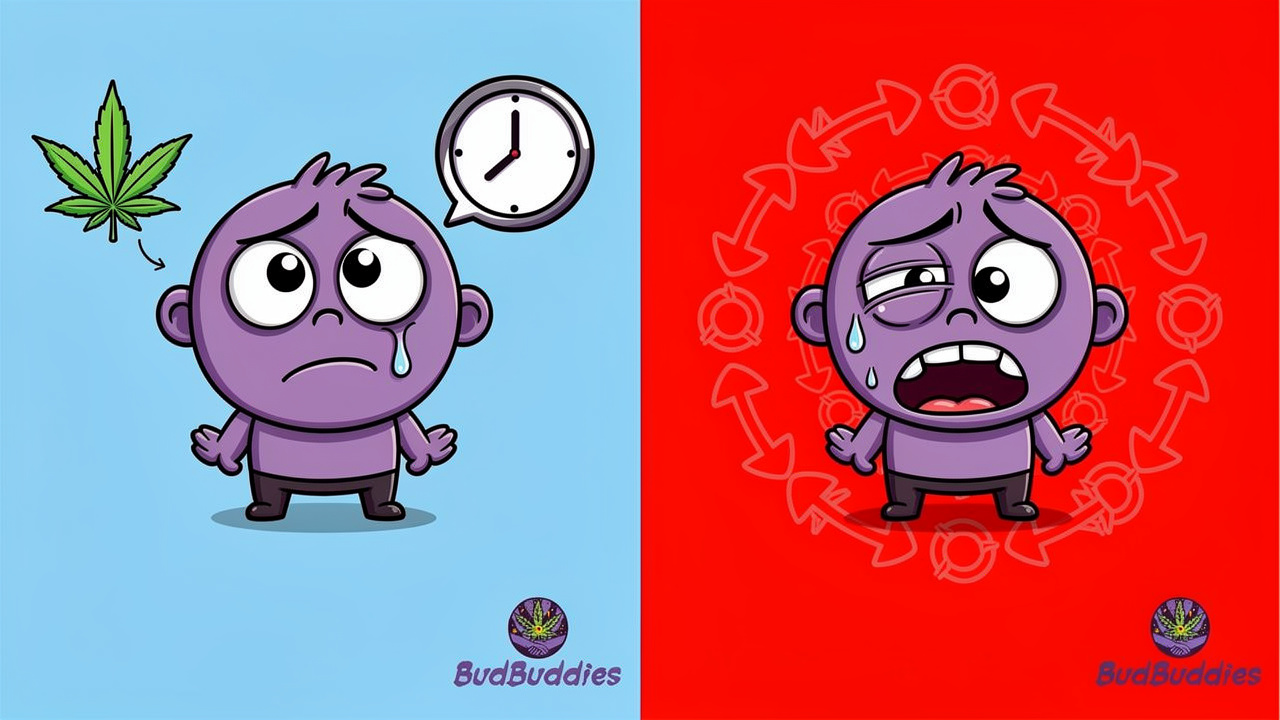
Everyday cannabis nausea and full CHS weed symptoms look similar on the surface but behave very differently underneath. Ordinary queasiness usually follows a single heavy session or an empty stomach, settles within hours, and often responds well to rest or a small dose of cannabis itself. CHS, by contrast, only develops after months or years of frequent, heavy use, and it builds into repeating cycles rather than a single unpleasant evening.
A few practical differences help tell the two apart:
More cannabis tends to ease ordinary nausea, while it does nothing for CHS and often worsens the cycle instead.
Ordinary sickness usually passes within a day, while CHS symptoms return again and again over weeks or months.
Compulsive hot showering shows up with CHS, but it’s rarely part of a standard bad reaction to cannabis.
What Increases Your Risk of CHS, and How Can You Lower It?
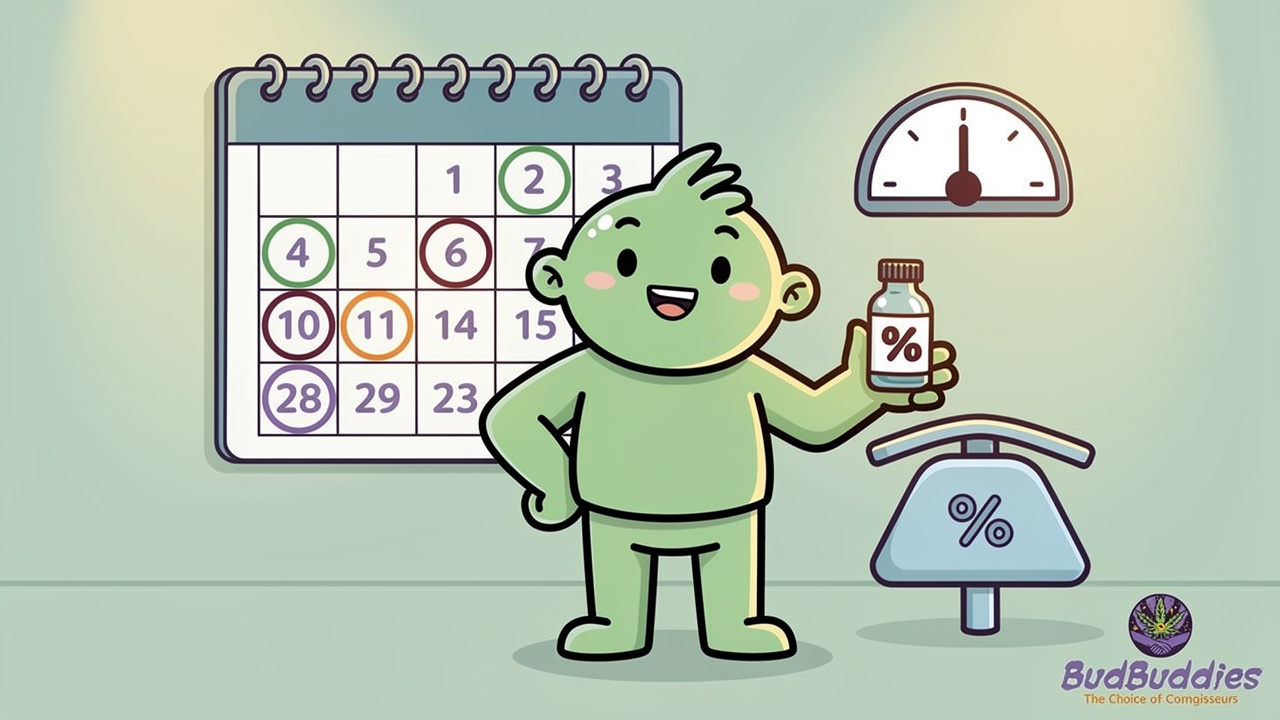
Several factors raise the odds of developing CHS weed symptoms, with frequency of use sitting right at the top of the list. Daily or near-daily cannabis use sustained over years carries far more risk than occasional sessions, and high-potency products seem to add further pressure on the system. Starting young and using consistently for a long stretch also appears more often in reported cases, a pattern echoed in recent research on CHS symptom prevalence examining individual differences in how bodies process cannabinoids that researchers still don’t fully understand.
Lowering risk starts with paying attention to strength and frequency rather than guessing. BudBuddies lists clear THC and CBD percentages on every product page, so you can track potency instead of consuming blind, and its dosage guides support a start low, go slow approach for anyone easing back on intake. Building in regular tolerance breaks and choosing lower-strength or CBD options when appropriate can also help keep consumption in a more comfortable range.
The Takeaway
CHS remains rare against the sheer number of people who use cannabis regularly, but the pattern is real for those it affects, and spotting it early spares a lot of unnecessary suffering. If cyclical vomiting, cramping, and an odd compulsion for hot showers sound familiar, cutting back or stopping cannabis use and speaking with a GP is the surest way forward.
Staying mindful about strength, frequency, and how your body responds is the simplest safeguard against CHS weed symptoms creeping in unnoticed. Browse the platform’s lab-tested range and dosage guides to build a clearer picture of what you’re consuming, and lean on the CBD selection if you’d rather keep THC exposure low while still enjoying the experience.
Frequently Asked Questions
Can CHS Happen Even With High-Quality, Lab-Tested Cannabis?
Yes, sourcing quality doesn’t remove CHS risk once use becomes heavy and prolonged. Lab testing simply confirms potency and purity rather than preventing overuse. Clear labelling helps you monitor intake, but moderation, not product quality alone, is what keeps CHS weed symptoms at bay.
How Long Does Someone Need to Use Cannabis Before CHS Can Develop?
Most cases follow months to several years of frequent, heavy use rather than occasional sessions. There’s no fixed timeline, since individual physiology plays a big role, but daily or near-daily use over an extended stretch is the pattern seen most often in reported cases.
Can CBD Products Trigger CHS?
CHS is linked to heavy, high-THC use rather than CBD consumption. If you’re cautious about THC exposure, the CBD range offers a lower-intensity alternative that still delivers a relaxing experience without the same cyclical vomiting risk tied to prolonged heavy THC use.
Does Everyone Who Uses Cannabis Heavily Eventually Get CHS?
No, most heavy users never develop CHS. Individual genetics and metabolism appear to influence susceptibility, which is why millions of frequent cannabis consumers go their whole lives without ever experiencing these cyclical symptoms.
Is CHS the Same as a Cannabis Allergy?
No, CHS isn’t an allergic reaction. It’s a functional response where the gut-brain nausea system becomes disrupted after prolonged, heavy cannabis exposure, unlike an allergy, which involves the immune system reacting to a substance.
Can Switching to a Different Consumption Method Reduce CHS Risk?
Method affects how quickly effects hit and how doses tend to build up, but it doesn’t remove the underlying cause. Vapes and flower act fast, edibles take longer, yet CHS weed symptoms relate to overall frequency and potency rather than the method itself.

