


Does Weed Raise Blood Pressure? What the Science Shows
If you’ve ever felt your heart thump after a smoke and wondered whether weed raises blood pressure, you’re not alone. Plenty of cannabis users notice a racing pulse within minutes of their first inhale, then feel strangely calm, or even a bit light-headed, later in the session. That contrast can feel confusing, especially if you’re new to cannabis or keeping an eye on your heart health.
The short answer is that cannabis affects blood pressure in two separate stages, pushing it up first and then bringing it back down. This article breaks down why that happens, what changes the intensity of the effect, and who needs to be more careful. We’ll also cover practical steps for safer use, drawing on the transparent, lab-tested approach that BudBuddies takes with every product on its shelves.
By the end, you’ll know exactly what’s going on inside your body and how to make more confident choices. Let’s start with the direct answer to the question itself.
Key Takeaways
Cannabis typically causes a short-term rise in heart rate and blood pressure, followed by a drop that can last for hours.
The strength of this effect depends on how you consume it, your dose, and your personal tolerance.
People with heart conditions, older adults, and those on blood pressure medication should take extra care.
Simple habits like starting low, standing up slowly, and choosing lab-tested products can lower the risk.
Does Weed Raise Blood Pressure? The Short Answer
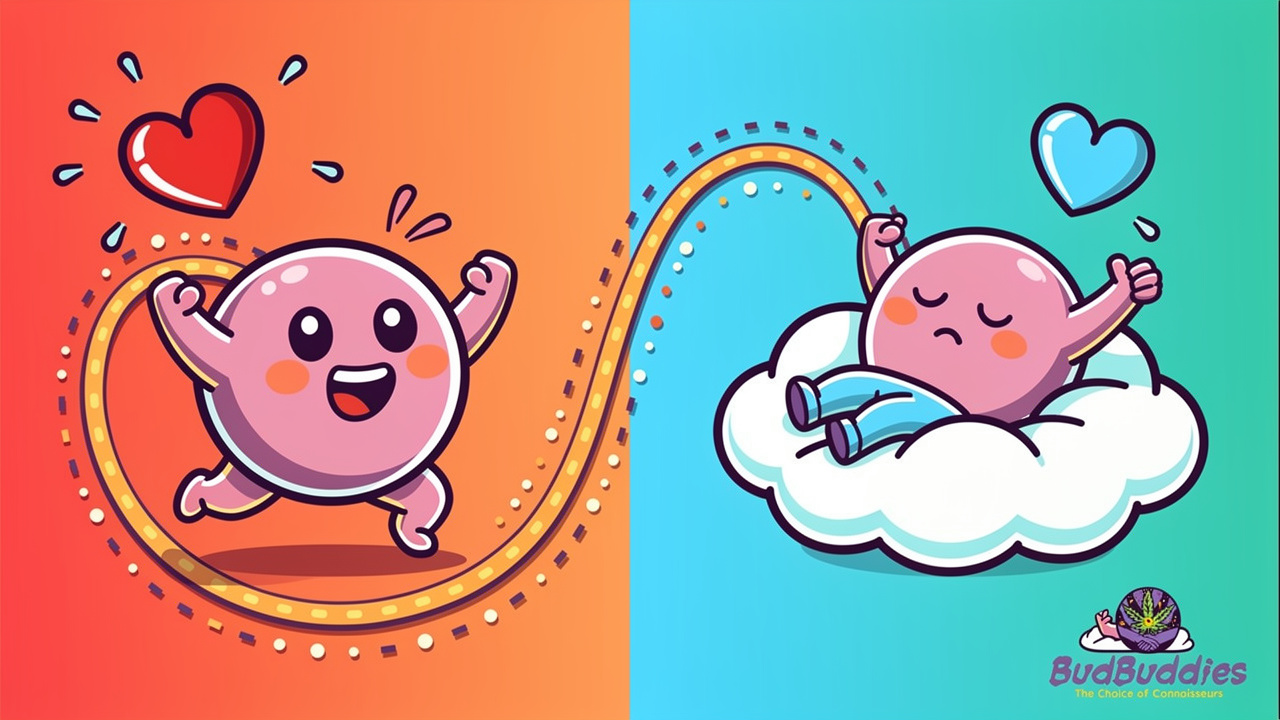
Yes, weed can cannabis and hypertension, but only for a short window after use before it typically falls again. This up-then-down pattern is known as a biphasic response, meaning the effect changes direction depending on how much time has passed since you consumed cannabis. In the first 10 to 60 minutes, most people see a noticeable rise in heart rate and a modest bump in blood pressure.
This happens because THC, the main active compound in cannabis, binds to receptors that sit throughout the cardiovascular system. Once that initial spike settles, blood vessels begin to widen, and blood pressure often dips below its usual resting level. That’s why the same smoking session can leave you feeling both wired and unusually relaxed within the space of an hour.
Why Does Cannabis Cause This Two-Phase Reaction?
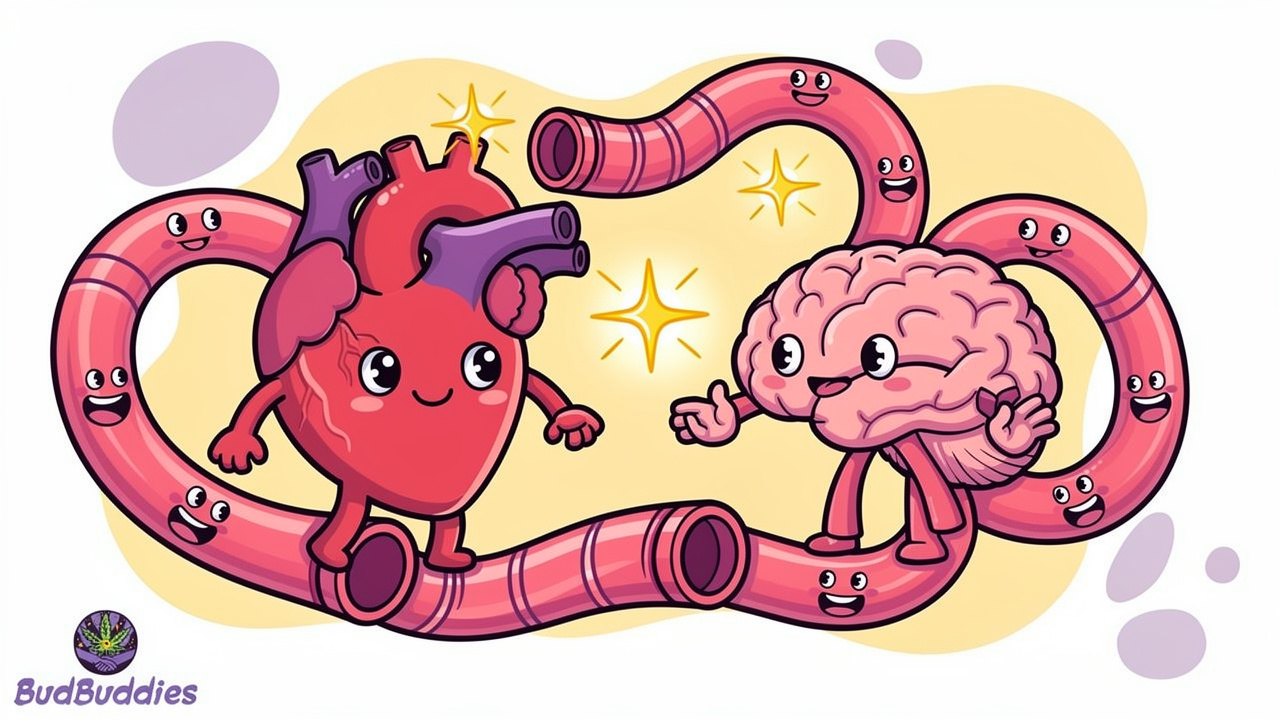
Cannabis causes this two-phase reaction because THC first stimulates the nervous system, then triggers a calming response once its initial effects fade. When THC reaches receptors known as CB1 receptors, found in the heart, blood vessels, and brain, it prompts a small release of adrenaline. This mimics a mild fight-or-flight response, which is why your pulse can jump and your chest might feel like it’s pounding shortly after use.
As that surge passes, the body’s calming nervous system takes over, and blood vessels dilate to ease blood flow. This is also what causes the bloodshot eyes many people associate with cannabis use. The drop in blood pressure that follows can bring on dizziness or light-headedness if you stand up too quickly, a condition doctors call orthostatic hypotension.
What Affects How Much Weed Changes Your Blood Pressure?
Several factors decide how strongly cannabis affects your blood pressure, from the product you choose to your own body’s tolerance, and a large preprint study on cannabis use in relation to pulse pressure has examined several of these variables in US adults. Getting familiar with these variables helps you predict your own response and pick products that suit your comfort level rather than leaving it to chance:
Method of consumption – how fast and how strongly the effect hits
Dosage and tolerance – how much THC you take and how used to it your body is
THC vs CBD content – the balance of cannabinoids in the product itself
Method of Consumption
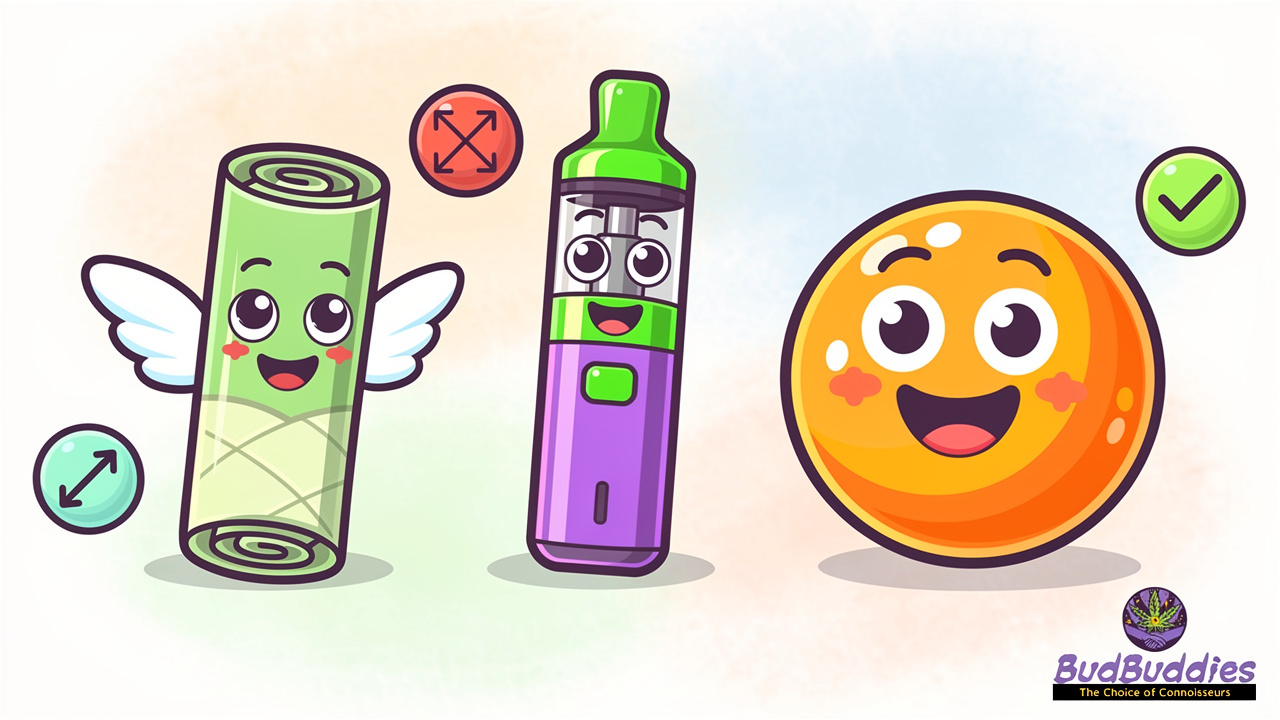
How you consume cannabis changes both how fast and how strongly it hits your cardiovascular system. Smoking flower or using a vape delivers THC to the bloodstream within minutes, producing a sharper, quicker spike in heart rate. Edibles work differently, since THC must pass through the digestive system first, so the rise builds slowly but can last much longer. BudBuddies stocks both premium flower and clearly dosed edibles, giving you the option to match the onset speed to your own preference.
Dosage and Tolerance
The amount of THC you take has a direct bearing on how much your blood pressure moves. Higher doses tend to produce a sharper spike in heart rate, while smaller doses create a gentler response that’s easier to predict. Regular users often build up a tolerance over time, meaning the same amount of cannabis produces less noticeable cardiovascular change than it would for a first-time user. This is one reason newcomers are usually advised to try a small amount before increasing their dose.
THC vs CBD Content
The balance between THC and CBD in a product plays a real part in shaping its effect on your heart. THC is mainly responsible for that early rise in heart rate, while CBD doesn’t produce the same stimulating effect and may even have a calming influence on the cardiovascular system. Because the brand lab-tests every batch and lists exact cannabinoid ratios on its Certificates of Analysis, you always know precisely what balance of THC and CBD you’re consuming before you buy.
Who Should Be Cautious About Weed and Blood Pressure?
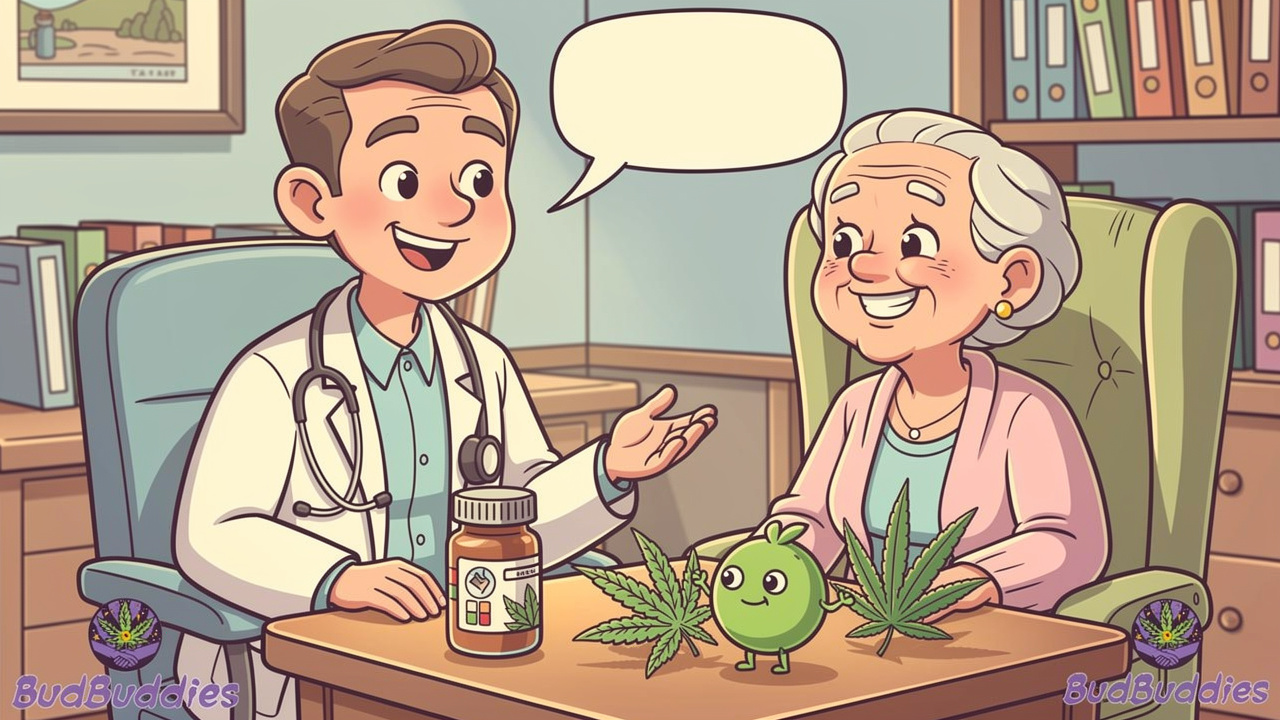
Certain groups face a higher risk from cannabis’s effect on blood pressure and should think carefully before using it:
People with existing heart conditions, such as arrhythmias or a history of heart attack, may find the early spike in heart rate puts extra strain on an already vulnerable heart, a concern explored in a comprehensive overview of arrhythmias and cannabis use.
Older adults and anyone with circulation issues tend to be more sensitive to the later drop in blood pressure, which raises the chance of dizziness or a fall when standing up.
Anyone taking blood pressure medication needs to be particularly careful, since cannabis can interact unpredictably with these drugs.
CBD in particular can affect liver enzymes involved in breaking down many medications, which may change how effectively those medications work, and a large study on cannabis use and blood pressure levels found the relationship varies depending on comorbidities and socioeconomic status. A quick conversation with a doctor or pharmacist beforehand can clear up most of these concerns.
How to Use Cannabis More Safely If You’re Watching Your Blood Pressure
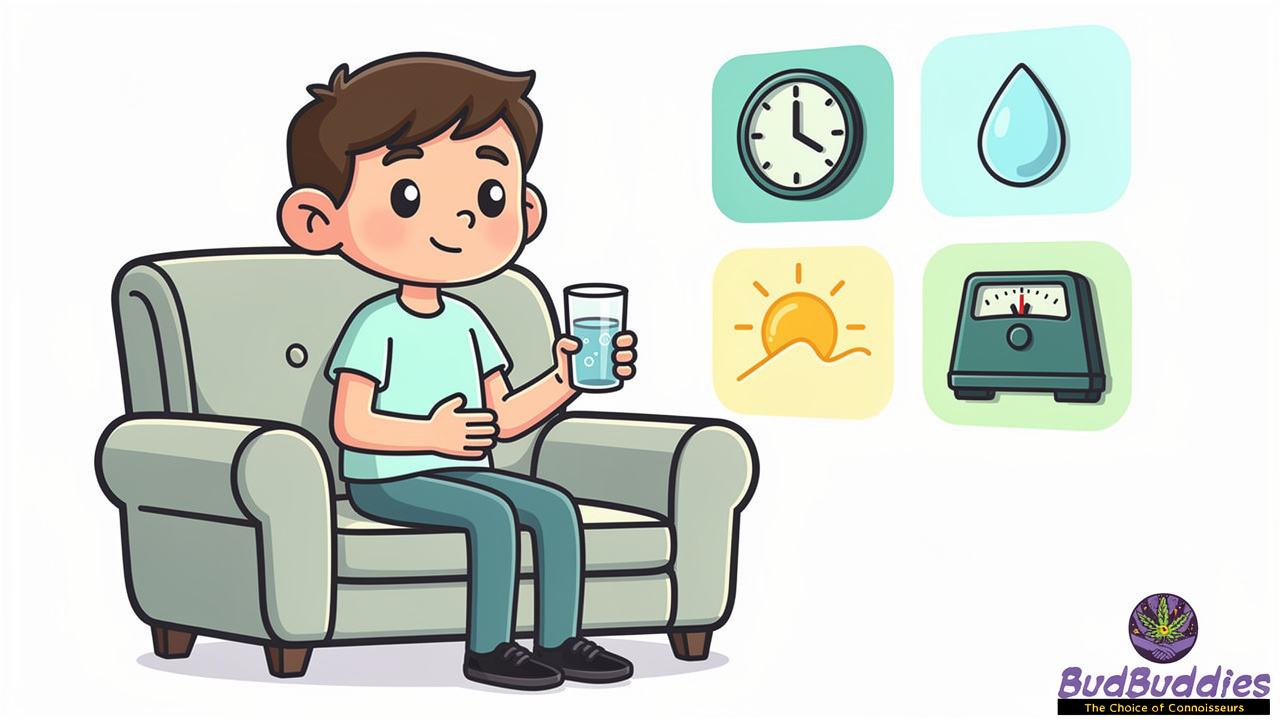
Using cannabis more safely starts with small, sensible habits rather than big changes to how you consume it:
Start with a low dose and wait to see how you feel before taking more
Stand up slowly to avoid sudden dizziness
Stay hydrated throughout your session
Avoid alcohol or stimulants alongside cannabis
Choose products with clear, verified potency
Guesswork around dosage is one of the biggest reasons people overdo it. BudBuddies backs every product with lab testing and clear dosing information, so you know exactly what you’re taking each time. For anyone who wants a gentler profile altogether, exploring one of its CBD-only options is worth considering.
Tip: If you feel light-headed after standing up too fast, sit back down, breathe slowly, and give your body a minute to catch up before trying again.
The Takeaway
Cannabis affects blood pressure in two clear stages, an initial rise followed by a drop, and how strongly you feel this depends heavily on the individual. Your consumption method, dose, tolerance, and the THC-to-CBD balance of the product all shape your personal experience, which is why the same amount of cannabis can affect two people quite differently.
If you have any existing heart concerns or take blood pressure medication, a quick chat with a healthcare professional is always worth the time before you try something new. Choosing lab-tested, clearly labelled products removes much of the guesswork from the equation. BudBuddies’ curated range, from flower and edibles to CBD-only options, is built to give you that clarity and confidence with every order.
Frequently Asked Questions
Here are quick, straightforward answers to some of the questions readers ask most often about cannabis and blood pressure.
Can Weed Cause a Heart Attack?
A heart attack from cannabis use is rare in healthy adults, but the acute spike in heart rate can add strain to a heart that already has underlying disease. Anyone with existing heart conditions should be especially cautious with dosage and method. If you ever experience chest pain after using cannabis, treat it seriously and seek medical attention straight away.
Does Weed Raise Blood Pressure the Next Day?
For most people, the acute rise and fall in blood pressure settles within a few hours, not days. Frequent, heavy use over long periods has been linked in some research to longer-lasting cardiovascular changes, including emerging findings on cannabis derivatives that could provide new treatments for other serious conditions, though the evidence here is still developing. Occasional, moderate use is unlikely to leave any lasting effect on your blood pressure the following day.
Does CBD Lower Blood Pressure?
Some research has found modest reductions in blood pressure with CBD use, particularly among older adults with mild hypertension. These changes tend to be small rather than dramatic, and CBD should never be treated as a replacement for prescribed blood pressure medication. It’s best viewed as a gentler option rather than a treatment in its own right.
Is It Safe to Use Weed If I Take Blood Pressure Medication?
Combining cannabis with blood pressure medication carries a real interaction risk, since both affect your cardiovascular system in similar ways. This can lead to an unexpected drop in blood pressure or change how well your medication works. Speak with your doctor or pharmacist before combining the two, so they can advise based on your specific medication.
Why Do I Feel Dizzy After Smoking Weed?
Dizziness after smoking usually comes from the second phase of cannabis’s effect, when blood vessels widen and blood pressure drops. Standing up quickly during this phase can trigger a sudden dip known as orthostatic hypotension. Standing up slowly, sitting down if you feel light-headed, and staying well hydrated are simple ways to ease this feeling.

