


Edible Come Down Symptoms: What to Expect & Ease Them
Edible come down symptoms can feel heavier and stranger than the high itself. Tiredness, brain fog and a flat mood can leave people wondering if they overdid it.
An edible come down is simply the period when THC is leaving the body after an edible and the effects are fading. Because edibles pass through the stomach and liver, the effects arrive later, last longer and the tail end can feel more intense than smoking or vaping.
You will also see how clear dosing and quality products from BudBuddies can lower the chance of a rough patch later. Read on for calm, plain-English advice that makes edibles feel easier to handle from first bite to come down.
“The dose makes the poison.” – Paracelsus
That old line applies neatly to cannabis edibles and the way the come down feels.
What Are Edible Come Down Symptoms?
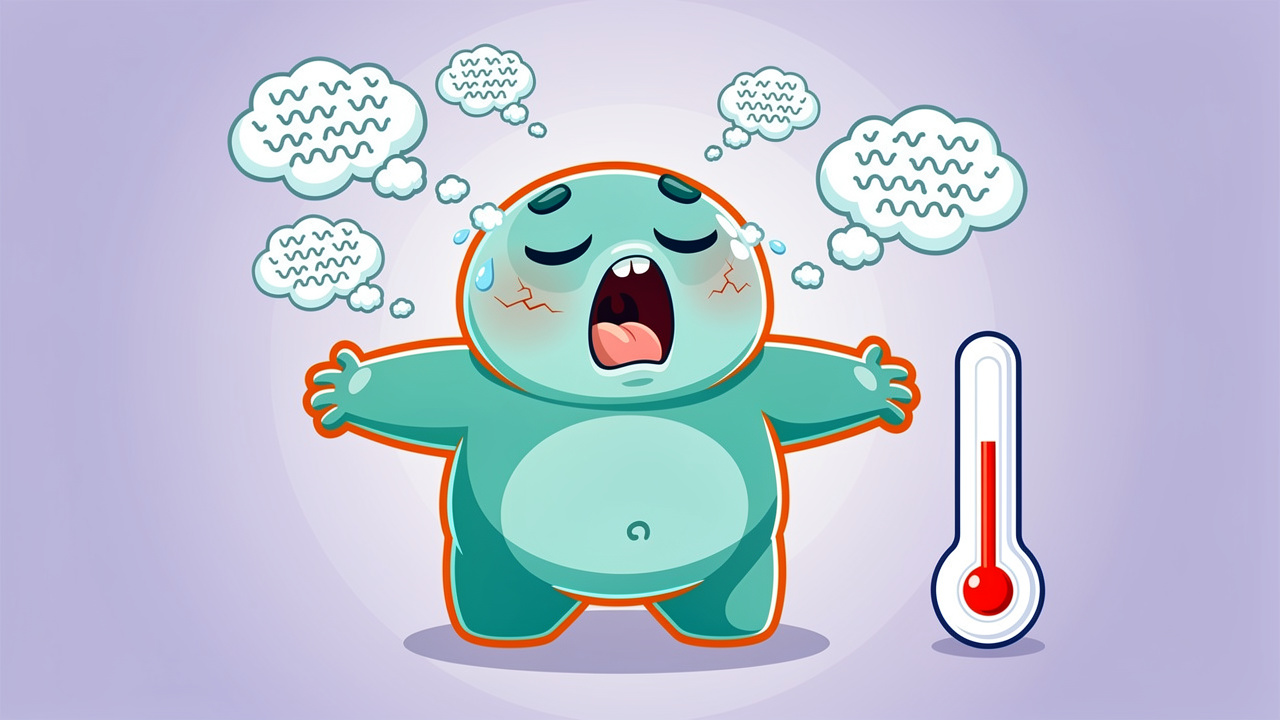
Edible come down symptoms are the physical and mental effects you feel as a cannabis edible wears off. They appear once the peak high has passed and THC levels are slowly dropping in your bloodstream. For some people this feels gentle, while others find it heavier and more draining.
Edibles take a different route through the body compared with smoking or vaping. You swallow the THC, your stomach breaks down the food, then your liver converts THC into 11-hydroxy-THC, a form that crosses into the brain more easily. According to the NHS, when cannabis is eaten the effects can last for up to twelve hours, and a tired afterglow may linger into the next day. That longer window explains why the come down from brownies or gummies often feels more drawn out.
During this phase the body is simply returning to its usual balance. Sedation often increases as the main high fades, so you may feel very sleepy even while thoughts start to clear again. Some people notice changes in appetite, a dry mouth or a heavy body feeling as the last of the THC moves out of their system.
How strong these effects feel depends on several factors such as:
Dose and potency of the edible
Body weight and metabolism
Tolerance and how often you use cannabis
What and when you last ate
Research from the National Institute on Drug Abuse notes that around thirty percent of people who use cannabis meet criteria for some level of cannabis use disorder, which can make comedowns feel more intense. Knowing exactly how much THC you have taken, for example by using clearly labelled BudBuddies edibles, makes it easier to predict how the come down is likely to play out.
Common Physical and Psychological Symptoms to Expect
Common physical and psychological symptoms to expect during an edible come down include tiredness, foggy thinking and short term mood swings. These signs show that THC levels are dropping and your body is moving back towards its usual balance. Once you know what is typical, it becomes much easier to sit through the final stretch.
Symptom intensity varies from person to person and from dose to dose. A strong brownie on an empty stomach will feel very different from a low dose gummy taken after a meal.
Fatigue and sleepiness are common edible come down symptoms. Your body has spent hours processing THC and now wants recovery time. Heavy eyelids, yawning and an urge to lie down are all normal.
Headache and dry mouth often appear, especially if you did not drink much water during the high. THC can affect blood vessels and fluid balance, which leaves some people with a dull ache behind the eyes. Sipping water slowly usually eases both problems.
Nausea, queasiness or odd temperature changes sometimes show up as the edible wears off. You might feel slightly sick, a bit sweaty or a little chilly, especially after very sugary edibles or a heavy meal. Light snacks such as toast or crackers and a comfy blanket can settle things for many people.
Brain fog and slower thinking are very common during the tail end of an edible. Simple tasks may need more effort and your reaction time may feel slower. This haziness usually fades within a few hours as THC levels keep falling.
Mild anxiety or restlessness can appear once the cosy peak passes. You might find yourself worrying about small things or feeling uneasy without a clear reason. Gentle breathing and soft music can calm the nervous feeling.
Low mood, irritability or trouble sleeping sometimes follow a strong high. After hours of boosted relaxation, the brain may swing the other way and leave you flat or snappy. Keeping plans light, avoiding big decisions and giving yourself a quiet night usually helps.
Come Down vs. Withdrawal What Is the Difference?
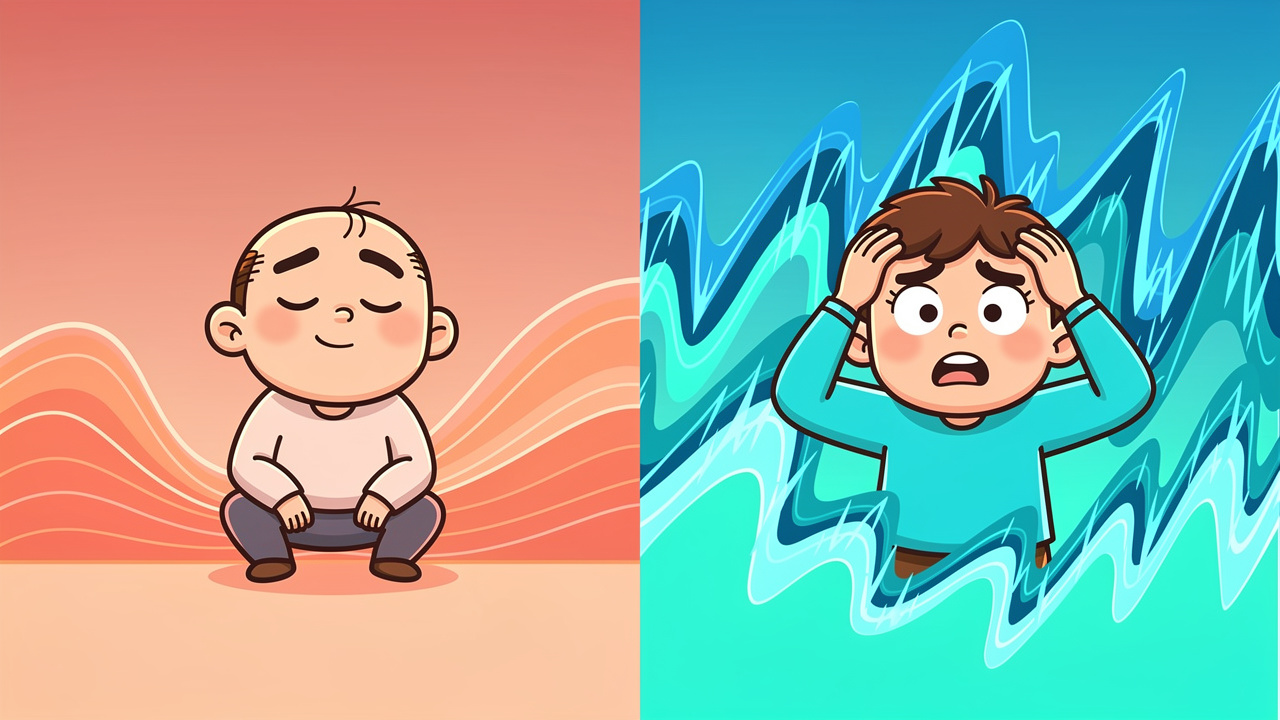
An edible come down refers to the short phase after a single session when the high fades and your body resets. Withdrawal is a longer pattern of symptoms that appears when someone who uses cannabis regularly cuts down or stops.
You can think of the difference like this:
Come down: follows a single use, settles within about a day
Withdrawal: follows regular or heavy use, can last several days or more
With a one off edible, symptoms such as tiredness and queasiness usually settle within about a day. Support information from We Are With You notes that in withdrawal for regular users, problems often peak around day four and then slowly improve over the next week or two.
Research in Addiction found that nearly half of daily cannabis users report withdrawal symptoms when they stop. If problems last several days or affect work, sleep or relationships, speaking with a GP or other health professional is a sensible step.
How to Ease Edible Come Down Symptoms
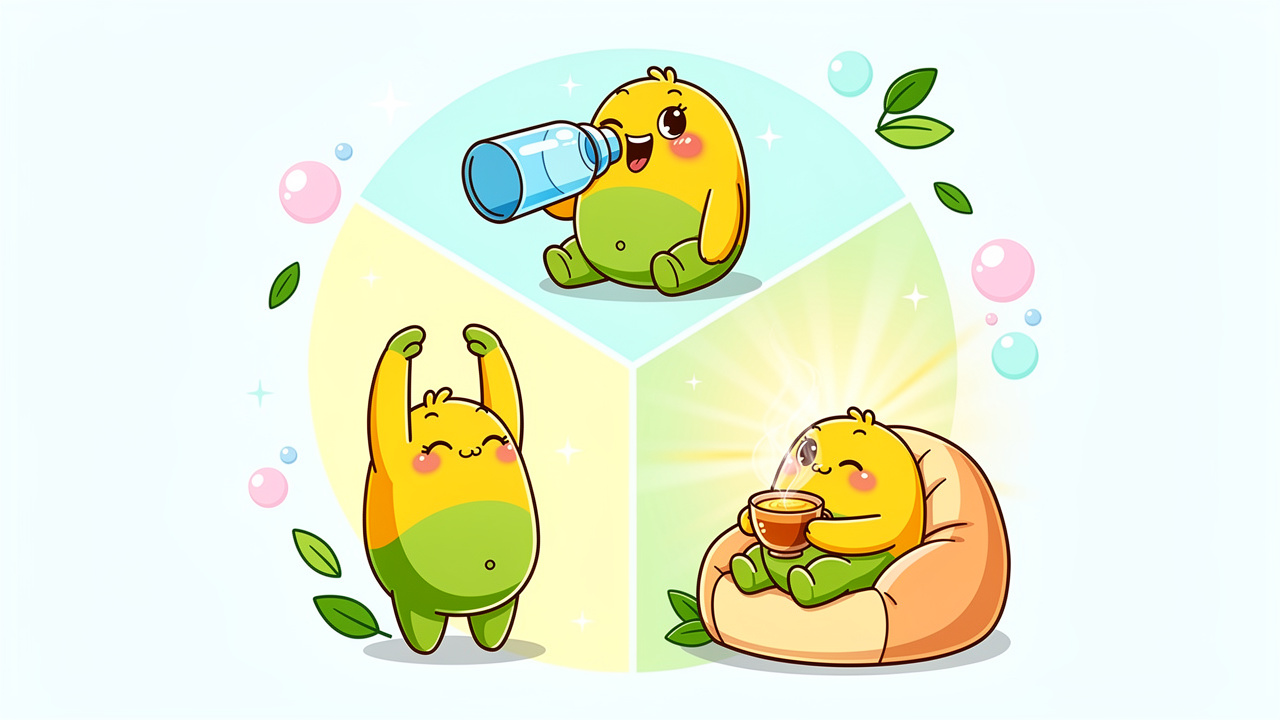
Easing edible come down symptoms mainly means giving your body comfort, time and gentle support. Hydration, light food, rest and a calm setting do most of the work. Simple habits make a bigger difference here than any complicated trick or supplement.
Think of this phase a bit like a mild hangover from a strong dessert, so it is worth keeping plans gentle. The ideas below keep things as smooth as possible while THC clears.
Drink water and eat light snacks during and after the high. Sipping water or herbal tea keeps your mouth comfortable and supports circulation. Simple foods such as toast, yoghurt or fruit can steady blood sugar, which helps with shakiness and queasiness.
Plan for rest and a cosy set up rather than pushing through chores. A sofa, comfy clothes and low lighting tell your body it is safe to relax. Short naps are fine if you can take them, although keeping them under an hour helps you sleep later.
Take gentle movement and fresh air once you feel steady on your feet. A brief walk round the block or some light stretching can lift mood and clear brain fog. Regular movement in the days after an intense session also supports lower anxiety and better sleep.
Look after your nerves by calming the mind and limiting stimulants. Slow breathing, soft music, a familiar programme and a safe environment all reassure your system that it can stand down. Swapping coffee and energy drinks for water or herbal tea prevents caffeine from adding extra jitters.
Use simple grounding techniques if you feel spaced out or worried. Naming five things you can see, four things you can touch, three things you can hear and so on can bring attention back to the present moment.
“Start low, go slow, and give each dose time to work before you consider more.” – BudBuddies dosing tip
For most people, these steps are enough and the worst of the come down passes within a few hours. If you have chest pain, breathing problems, frightening thoughts or symptoms that last several days, seeking help from a GP or urgent care service is the right choice.
How BudBuddies Helps You Avoid a Difficult Come Down

BudBuddies helps you avoid a difficult come down by making the whole edible experience more predictable from the first bite. Precise dosing, lab tested batches and clear guidance reduce the chances of accidentally taking far more THC than you planned. When there are fewer surprises during the high, the comedown almost always feels smoother as well. That matters because overdoing the dose is the number one cause of panicky highs and heavy next day fatigue.
Every BudBuddies gummy, chocolate square, capsule and drink is labelled with exact THC or CBD content. Behind that simple label sits double potency verification and batch testing, so a five milligram gummy really is five milligrams. Certificates of Analysis are available, which means you can see checks for potency, pesticides and heavy metals rather than guessing what was in the mix.
Education on buddies.cc sits alongside the products, not hidden away in small print. Clear dosage charts, onset time guidance and microdosing tips make it easier to match products to your tolerance, whether you are a newcomer or an experienced consumer. Advice such as starting with two to five milligrams, waiting the full ninety to one hundred and twenty minutes before considering more, and choosing calm settings helps prevent the huge peaks that usually lead to rough edible come down symptoms.
BudBuddies also pays attention to the practical side of your experience, from discreet packaging to tracked delivery and tidy product presentation. For many UK customers, that combination of privacy and clarity is just as important as the flavour of the edible itself.
Lessen the Come Down by Starting Smarter
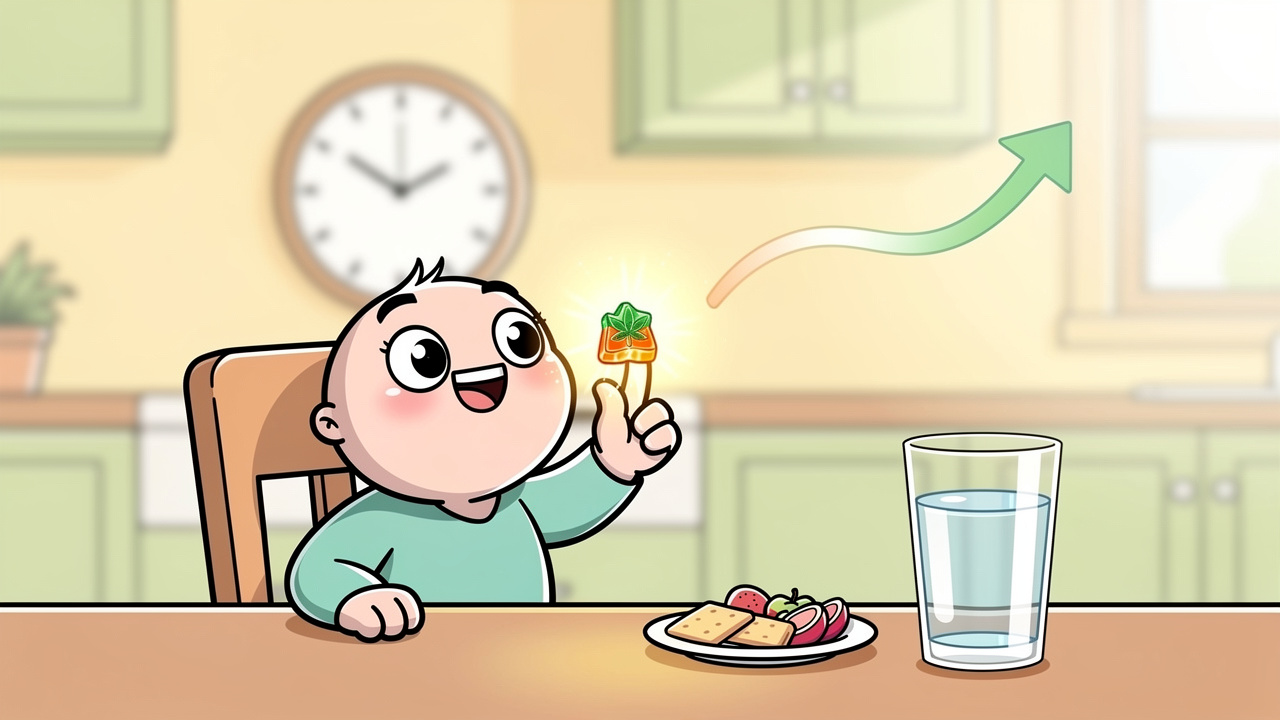
Lessen the come down by starting smarter with your dose, timing and setting. Beginning with a low amount of THC, waiting patiently for it to kick in and keeping water and snacks nearby reduces most problems before they begin.
BudBuddies exists to make that approach simple, with clearly dosed gummies, scored chocolate, capsules and CBD options that fit different comfort levels. The product pages and guides on buddies.cc explain onset times and suggested starting ranges in plain English. When you pair that information with your own self awareness, each edible session can feel measured, enjoyable and followed by a gentle, predictable come down.
Keeping a small note on your phone of how much you took, when it kicked in and how the come down felt can also guide future sessions. Over time, that record helps you find a range that suits your body.
From discreet delivery to tidy packaging, every detail is designed to support a relaxed experience from checkout through to the final fading effects.
Frequently Asked Questions
This section answers common questions about edible come down symptoms. Each response is short, clear and designed to stand on its own.
Question 1: How Long Does an Edible Come Down Last?
An edible come down usually lasts a few hours once the main high fades. Tiredness can linger into the next day, especially after higher doses or an empty stomach.
Question 2: Is an Edible Come Down Dangerous?
For most adults an edible come down feels uncomfortable rather than dangerous. Common issues include anxiety, queasiness and low mood that pass with rest and water. Chest pain, breathing problems or severe confusion should be checked by a doctor or urgent care service.
Question 3: Why Does the Come Down From Edibles Feel Worse Than Smoking?
The come down from edibles often feels heavier because the liver turns swallowed THC into 11-hydroxy-THC, which is stronger and longer lasting. Edibles also usually involve higher doses, so there is more THC to clear, which makes the tail end feel more intense.
Question 4: Can Eating or Drinking Something Help With a Come Down?
Yes, food and drink can ease an edible come down. Water or herbal tea helps with dry mouth and headaches, while light snacks such as toast or fruit stabilise blood sugar. Avoid alcohol and strong caffeine, which can worsen dehydration and jitters.
Question 5: What Is the Best Starting Dose to Avoid a Bad Come Down?
Many guides suggest five milligrams of THC or less as a dose for newcomers. Taking that amount once, then waiting ninety to one hundred and twenty minutes before more is a way to avoid overdoing it and a harsh comedown.
If you are unsure about dosing, reading the guidance on BudBuddies products and starting at the lower end of the range is a cautious, beginner-friendly approach.


