


THC Sensitivity Symptoms: Signs, Causes and Relief
Introduction
THC sensitivity symptoms like a racing heart, spinning thoughts, or sudden nausea can show up after what felt like a tiny dose. That can feel confusing, especially if friends seem fine on the same product.
THC sensitivity simply means a person’s body reacts more strongly to tetrahydrocannabinol than expected. The endocannabinoid system in each body is slightly different, so the very same vape, edible, or flower can feel gentle for one person and intense for another. This article explains what those reactions look like, why they happen, and how to calm things down when they appear.
You will also see how to choose products and doses that suit a sensitive system, with examples from the curated range at BudBuddies. If you want to understand what your body is trying to say and respond with confidence instead of worry, keep reading.
What Are THC Sensitivity Symptoms — And Why Do They Happen?
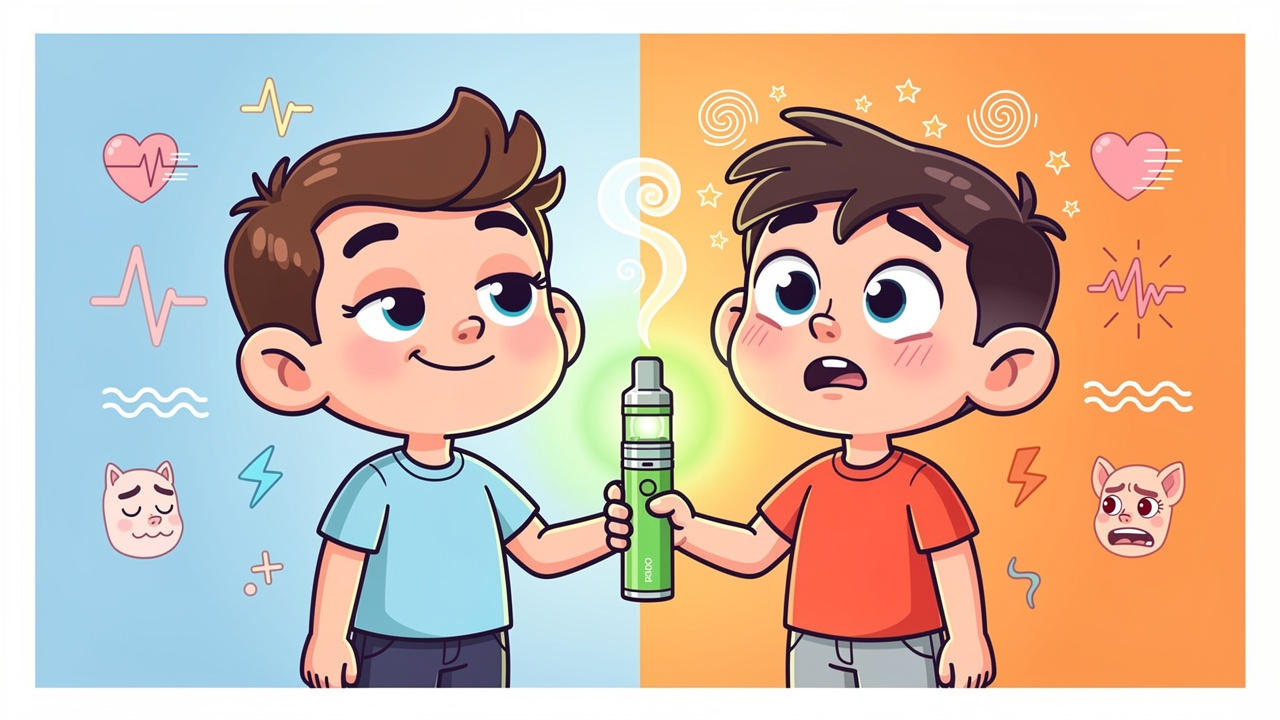
THC sensitivity symptoms are the physical and mental signs that THC feels stronger in your body than you expected. These signs appear because THC binds to CB1 and CB2 receptors in your endocannabinoid system, which helps guide mood, movement, memory, and many other processes.
When THC hooks into those receptors, it changes how your brain and body handle signals. For some people, a small amount only brings gentle relaxation. For others, the same amount can trigger a pounding heart, dry mouth, racing thoughts, or a sense that time has slowed right down. Research from the National Institute on Drug Abuse notes that THC can raise heart rate by 20 to 50 percent for several hours, which explains why a sensitive person may feel their chest thumping.
There is a difference between being naturally sensitive and simply having taken far too much. A sensitive person might feel quite high after a single puff or a low-dose gummy, yet still stay able to talk and move around. Overconsumption is more likely to involve strong confusion, overwhelming panic, or vomiting. The tricky part is that for very sensitive people, the gap between a comfortable level and “too much” can be quite small.
Other factors can also add to sensitivity on a given day, such as:
lack of sleep or high stress
using cannabis with alcohol
some prescription medicines that interact with THC
Understanding this helps take some of the fear out of the experience. The body is not failing; it is simply reacting strongly to a chemical signal. Once the THC level in your bloodstream falls, the symptoms ease off again.
“There are no reports of teens or adults dying from marijuana alone.”
— National Institute on Drug Abuse (NIDA)
Knowing that overdose on THC alone is not fatal can make a strong, uncomfortable high feel less frightening, even while you still take the symptoms seriously.
Physical Vs. Psychological Symptoms: What The Split Looks Like
When THC feels too strong, the body can respond in two broad ways: through physical signals and through changes in thoughts or feelings. Both sets of responses are linked, and they often feed into each other.
Physical symptoms can include an increased heart rate, dry mouth, dry or red eyes, dizziness, nausea, mild shaking, and clumsy movement. Many people also feel heavy in their limbs or notice that standing up makes the room tilt slightly. These effects come from THC acting on blood vessels, the heart, and areas of the brain that guide balance and movement. They usually peak within the first hour after inhaling or several hours after eating an edible.
Psychological symptoms often show up as anxiety, paranoia, confusion, short-term memory glitches, a floating or “not quite real” feeling, or senses that feel dialled up too high. Busy rooms may feel overwhelming, and normal sounds can seem loud or sharp. These reactions come from THC changing how areas like the amygdala and hippocampus fire. In a healthy adult, they pass as the THC level drops, even if they feel intense in the moment.
For most otherwise healthy people, both types of symptom are temporary and settle once THC is processed by the liver, and research on sensory processing sensitivity and overstimulation helps explain why some individuals consistently experience heightened reactions to external stimuli. If you live with a mental health condition, or take medication that affects mood, it is wise to speak with a healthcare professional before using higher-THC products.
Why Does THC Affect Some People More Strongly Than Others?
THC affects some people more strongly than others because every person’s biology, habits, and product choices are slightly different. THC sensitivity symptoms appear when that mix leads to more THC effect than the brain and body feel comfortable handling. Several well-understood factors explain why two people can share a vape and have very different evenings.
Genetics And Receptor Density
Some people naturally have more CB1 receptors in key brain areas or slightly different versions of genes, such as CNR1, that control these receptors. More receptors mean more places for THC to act, so smaller amounts feel stronger. Early research noted by Harvard Health Publishing links heavy THC use to changes in CB1 availability, which shows how sensitive these receptors are.Tolerance And Past Consumption
Regular consumers gradually become less sensitive because their brain reduces receptor activity over time, a pattern supported by research on the impact of tetrahydrocannabinol on central pain modulation and tolerance mechanisms in chronic users. A person who uses strong flower every day may barely feel a dose that sends a newcomer into a spiral. After a break of one or two weeks, that tolerance eases again, which is why returning users sometimes feel surprised by how high they suddenly feel.Method Of Consumption
Inhaled THC reaches the brain within minutes, so you feel the shift quickly and can stop as soon as it feels enough. Edibles work very differently. The liver turns THC into 11-hydroxy-THC, which is often felt as more intense and long lasting. According to Health Canada, inhaled effects appear within minutes and last up to six hours, while edibles can take 30 minutes to four hours to peak and last up to 12 hours.Eating Pattern And Stomach Content
Taking edibles on an empty stomach lets THC hit harder and faster. A proper meal beforehand slows absorption and smooths the curve, which is especially helpful for sensitive people.CBD To THC Ratio In The Product
CBD acts as a gentle brake on some of THC’s stronger mental effects. Products with more CBD and less THC often feel clearer and calmer, which is why BudBuddies stocks balanced and high-CBD options for readers who know they react strongly.
The most common trap is the “edibles delay.” Someone takes a gummy, feels nothing after 45 minutes, takes more, and then both doses land together. For a sensitive person, that can be the difference between mild relaxation and hours of uncomfortable intensity.
“Start with small amounts of THC and wait to feel the effects before taking more.”
— Health Canada, Cannabis Consumer Information
Following that simple advice is one of the best ways to reduce surprises, especially if you already know you are sensitive.
What To Do When THC Sensitivity Symptoms Hit
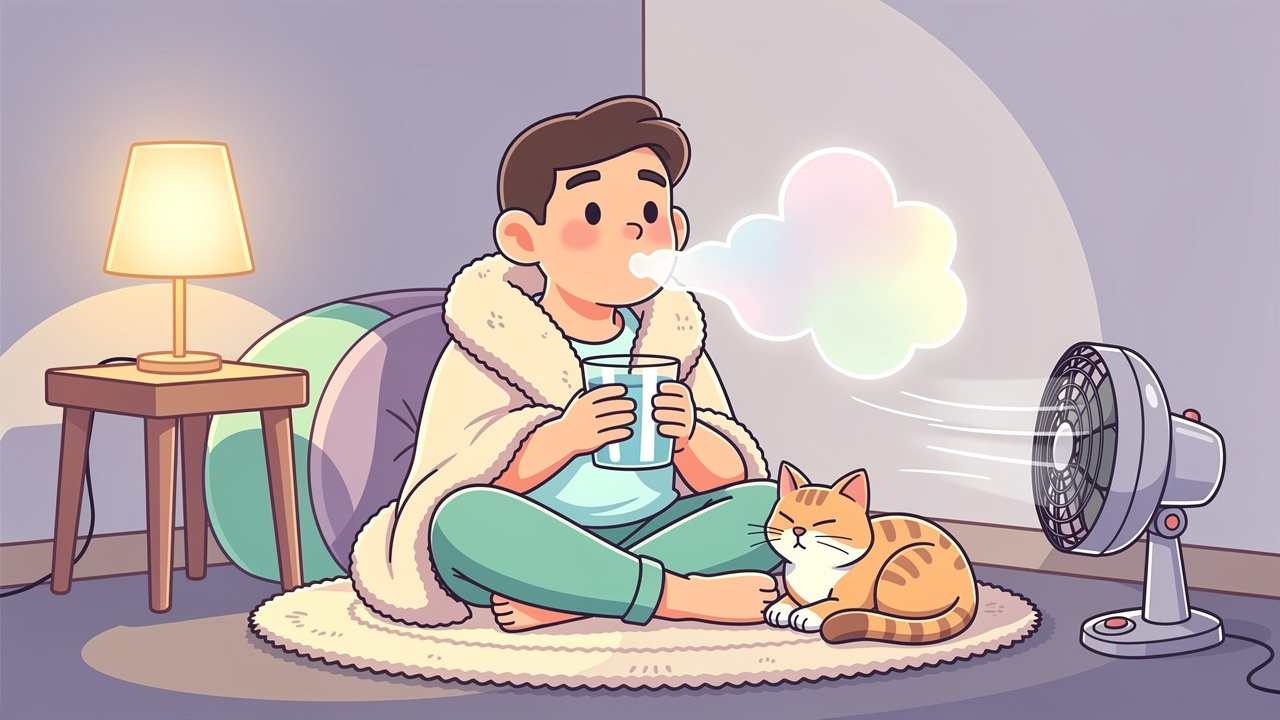
When THC sensitivity symptoms hit, the aim is to stay calm, reduce extra stress on the body, and give the THC time to clear. A simple plan helps turn a scary moment into something manageable.
Start by changing your environment:
move to a quiet, familiar space
sit or lie down somewhere comfortable
loosen any tight clothing or accessories
Tell yourself out loud that what you feel is temporary and will fade. According to the NHS, cannabis effects from smoking usually peak within the first hour and wear off within a few hours, which matches what many people experience day to day.
Next, focus on basic comfort:
Hydrate And Nibble
Sip water or a mild soft drink and eat a light snack, such as toast or a biscuit. Fluids ease dry mouth, and food helps even out blood sugar, which can soften shakiness and queasiness. Avoid alcohol, which can make THC feel more intense and worsen nausea.Use Steady Breathing
Slow breathing gives the nervous system a clear “stand down” signal. A simple pattern works well: breathe in through the nose for four counts, hold for four, breathe out through the mouth for six, then pause briefly. Repeat until your chest feels less tight and your thoughts feel less crowded.Change Your Focus
Gentle, familiar distractions shorten the time you spend worrying. Soft music, a calm TV programme, or guiding yourself through each step of making a cup of tea can all help bring you back into the present moment.
Some people also find that stepping outside for a few minutes of fresh air, splashing cool water on their face, or taking a brief shower eases the sense of overwhelm. The key is calm, repetitive actions that give your nervous system something simple to follow.
CBD can also help. Early studies shared by the World Health Organization describe CBD as interacting with CB1 receptors in a way that moderates some of THC’s mental effects. Many people report that a measured CBD dose softens a high that feels too strong.
“CBD is generally well tolerated with a good safety profile.”
— World Health Organization, Cannabidiol (CBD) Critical Review Report
Keeping a CBD-dominant oil or vape from BudBuddies close by when trying higher-THC products gives you a practical back-up option.
If symptoms feel strong, it can help to tell a trusted friend what you took and when. Their calm presence, plus the knowledge that THC levels always fall with time, often makes the experience easier to ride out. If you ever have chest pain, breathing trouble, or feel unsafe, seek medical help right away and share exactly what you consumed.
How To Choose The Right THC Products If You Are Sensitive
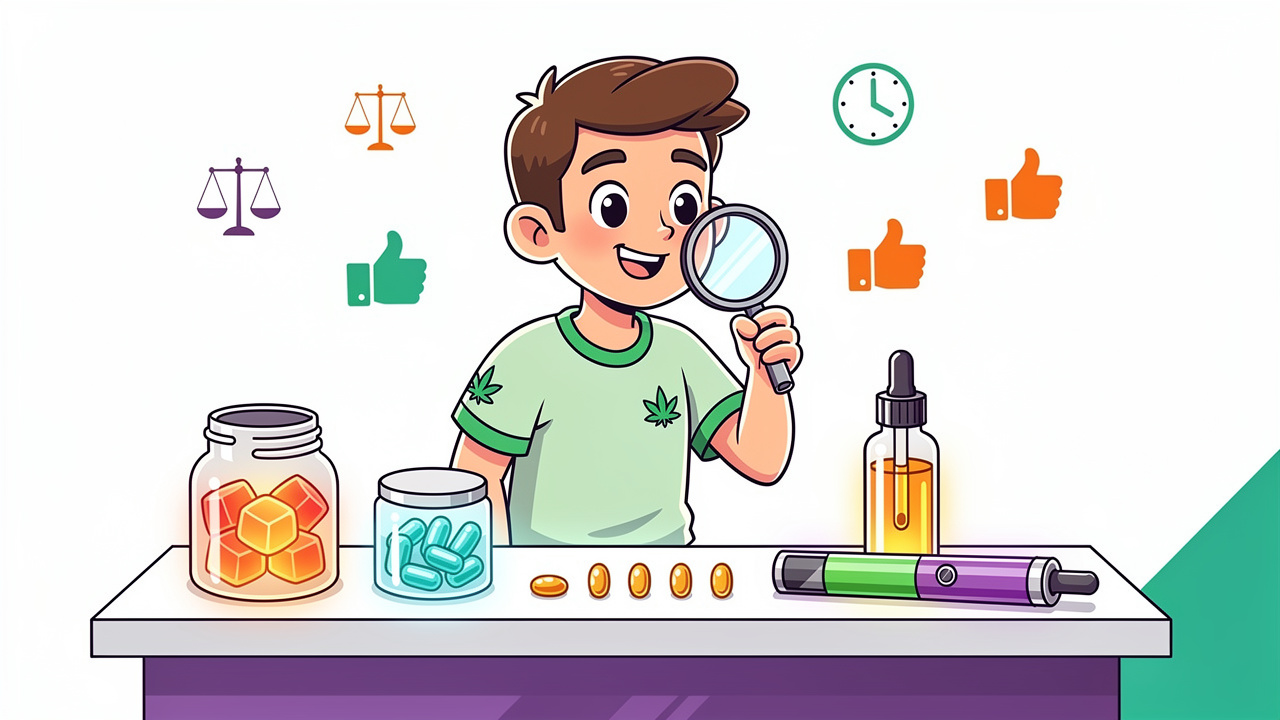
Choosing the right products is one of the simplest ways to reduce the chance of THC sensitivity symptoms in the first place. For a sensitive consumer, control over dose, onset speed, and THC strength matters more than chasing the highest number on a label.
A good starting rule is “start low, go slow.” Many cannabis clinicians, including Dr Jordan Tishler at Harvard Health Publishing, suggest beginner edible doses around 2.5 to 5 mg of THC, with increases in small steps only after several calm experiences. For inhalation, one gentle puff from a vape or joint followed by at least 15 minutes of waiting gives your body a fair chance to speak up.
BudBuddies builds this careful approach into the way products are presented:
Precisely Dosed Edibles And Beverages
Gummies, capsules, and drinks on BudBuddies list THC per piece clearly, with options as low as 2.5 mg. For a sensitive person, this makes microdosing simple. You can repeat the same small dose across several evenings and note how you feel, instead of guessing how strong a random brownie might be.Vape Cartridges And Pens With Clear Strength
Pre-filled vapes show THC percentage and intended effect in plain language. Lower-THC options let you take single, short pulls and pause. Because vapour hits within minutes, you can stop as soon as you feel comfortable, avoiding the classic “I wish I could turn this down” moment.AAAA+ Flower With Full Profiles
Each BudBuddies flower listing includes THC percentage, terpene profile, and effect notes. Terpenes like myrcene, linalool, and beta-caryophyllene are often linked in studies shared by Leafly and Project CBD with calmer, more grounded experiences. Reading those details helps you avoid very high-THC, racy strains while you learn your limits.High-CBD, Low-THC And THC Oils
CBD flower, balanced THC:CBD products, and accurately labelled oils on BudBuddies are ideal for people who want the plant’s benefits with gentler intoxication. Oils are especially helpful if you like to fine-tune your own edibles, because you can measure each drop. According to the National Institute on Drug Abuse, average THC strength in seized cannabis has risen from around 4 percent in the mid-1990s to more than 15 percent in recent years, which makes this level of control even more valuable.
To bring all of this together, keep a simple consumption journal. Jot down:
what product you used (including THC and CBD numbers)
how much you took and how you consumed it
whether you had eaten recently
how you felt at 30 minutes, one hour, two hours, and later
After a few sessions, your own patterns become clear, and you can shop the BudBuddies range knowing exactly which strengths and formats suit your body best.
Laat Ons Samenvatten / Closing Section

THC sensitivity symptoms are not random or mysterious; they are clear feedback from your own system. When a dose, format, or setting does not suit you, your body speaks through heartbeat, thoughts, and senses.
Listening to that feedback means adjusting how much you use, how fast it hits, and how often you repeat it. With patient dose testing, calmer settings, and measured products such as those at BudBuddies, sensitive consumers can move from anxious guesswork towards steady, predictable experiences. Over time, many people find a comfortable middle ground where cannabis supports their life instead of getting in the way.
The Best Way To Listen To Your Body Is To Start With The Right Products
THC sensitivity symptoms are your body’s way of asking for a gentler, more controlled approach, not a sign that cannabis is off limits forever. By understanding why you react strongly, learning simple calming steps, and picking products with clear, modest doses, you give yourself space to enjoy the plant instead of fearing it.
BudBuddies is built around that calmer approach: lab-tested flower, measured edibles, balanced CBD options, and oils with readable cannabinoid profiles. Each product page on budbuddies.cc helps you judge strength at a glance. Combine that with your own notes and a patient mindset and you have a clear, personal guide to what works for you.
Frequently Asked Questions

Question 1: How Long Do THC Sensitivity Symptoms Last?
THC sensitivity symptoms from inhaling usually peak within about 30 minutes and fade over two to three hours. With edibles, effects often begin after 30 to 120 minutes and can last four to eight hours. According to the NHS, some residual effects may linger a little longer. As THC is metabolised, both physical and psychological symptoms settle.
If you still feel unwell the next day, or notice lasting changes in mood or sleep, talk with a healthcare professional before using THC again.
Question 2: Can You Build A Tolerance To THC Sensitivity?
Yes, regular THC use usually builds tolerance and reduces sensitivity over time. The brain reduces CB1 receptor activity with repeated exposure, so the same dose feels weaker. Research mentioned by Harvard Health Publishing notes that heavy use can lower receptor availability by around 20 percent.
A break of one to two weeks lets sensitivity reset, so always restart with lower doses. Sensitive users often find that they feel better when they keep at least a couple of THC-free days in their week.
Question 3: Does CBD Actually Help With THC Sensitivity Symptoms?
CBD often helps many people feel steadier when THC feels too strong. It interacts with CB1 receptors in a way that softens some of THC’s mental intensity, especially anxiety. Reviews from the World Health Organization describe CBD as having a good safety profile.
High-CBD, low-THC products from BudBuddies give sensitive consumers a practical option for calmer experiences. Many people like to keep a CBD tincture or vape on hand when experimenting with a new THC product.
Question 4: Are Some Cannabis Formats Safer For Sensitive Consumers?
Gentler formats for sensitive consumers are usually inhaled options like vapes or low-THC flower, because effects appear within minutes and doses are easy to space out. Edibles carry more risk because onset is slower and duration is longer, so overdoing it is easier.
Precisely dosed gummies or capsules from BudBuddies help when used patiently and measured carefully. Whatever format you choose, stick to small amounts, wait at least two hours before adding more edibles, and avoid mixing with alcohol.
Question 5: Who Is Most At Risk Of THC Sensitivity Symptoms?
People new to cannabis, those returning after a long break, and anyone with a tendency towards anxiety are more likely to notice THC sensitivity symptoms. Individuals using strong high-THC products without CBD balance, or taking edibles on an empty stomach, also face higher risk.
A calm setting, low doses, and measured products from BudBuddies all help reduce that risk. If you are ever unsure where to start, choose a high-CBD, low-THC option first and build up slowly from there.

