How Long Do Edibles Take to Kick In? Full Timeline
Introduction
Picture this: a tasty brownie goes down, an hour crawls by, and still nothing. The thought creeps in that maybe one more piece will help. That exact moment is when the classic edible mistake happens.
Most people first search for how long do edibles take to kick in right after that first snack. The honest answer is that THC edibles usually take 30 minutes to 2 hours before any clear effect shows up. That wide window is normal, and it is very different from smoking or vaping, where effects hit within minutes.
Edibles need to pass through the stomach and liver before THC reaches the brain, which changes both timing and strength. That is why understanding how long edibles take to start working matters so much for a calm, fun session instead of a stressful one.
As many cannabis educators like to say, “With edibles, your best tools are patience and respect for the dose.”
In this guide, we walk through the full timeline, the science, the factors that change onset, and simple dosing rules. Along the way, we share how we design BudBuddies edibles to be clearly labeled, precisely dosed, and lab-tested, so there is far less guesswork and a lot more confidence.
Key Takeaways
This quick summary gives the main points before we dive into details:
Typical onset: Edibles often take 30 minutes to 2 hours before the high starts. That delay is normal and should not cause panic. Patience is your safest friend here.
Onset varies by product and person: Timing depends on edible type, personal biology, and food in the stomach. Liquid edibles usually act faster than chewable ones, and two people can have very different timelines from the same product.
Safe dosing rule: The simple rule is start low, go slow, and avoid stacking doses. Small amounts with long waiting times are the safest approach.
Reliable products help: Buying lab-tested, clearly labeled products from BudBuddies makes timing far more predictable. Every product lists exact milligrams per serving and per pack.
How Long Do Edibles Take To Kick In? The Basic Timeline
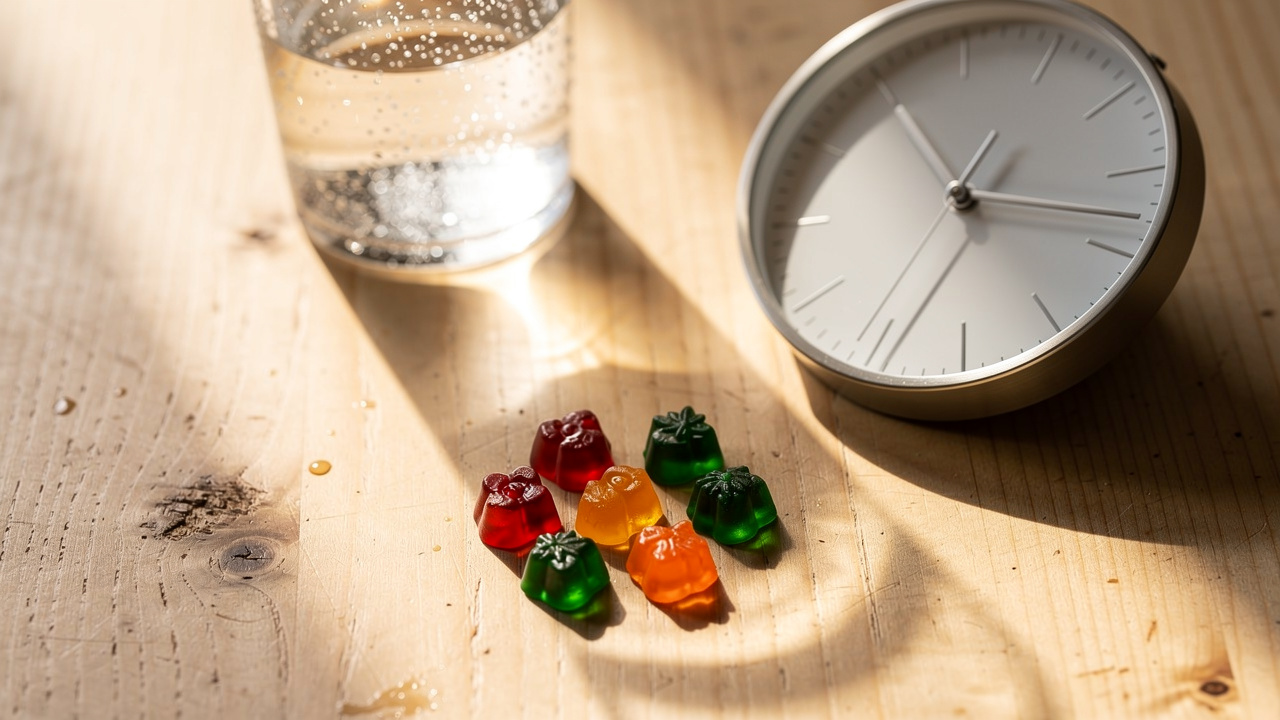
When someone asks how long do edibles take to kick in, they usually want a simple clock they can trust. While every body is different, we can still map out a clear timeline that fits most people. This helps with planning a night in, a day off, or a long chill session.
Most standard edibles follow the same general pattern: effects arrive slowly, build over a few hours, then fade over the rest of the day or night. Compared with smoking, everything happens later but lasts much longer, so planning matters a lot more.
Here is what a typical THC edible timeline looks like:
Onset window (30–120 minutes): At first there may be nothing, then a gentle shift such as a lighter mood or a warm body feeling. Some people notice effects at the half-hour mark, while others need the full two hours. This wide range is one big reason people get impatient and take too much.
Peak effects (2–4 hours after eating): During this phase the high feels the strongest, because the liver has turned THC into 11-hydroxy-THC. Many describe this as more body-heavy and dreamy than smoking, and it can feel more intense even at the same dose.
Total duration (4–8+ hours): After the peak, effects ease slowly instead of dropping off. This longer curve makes edibles great for steady relief or a full evening of relaxation. It also means driving or serious tasks are off the table for quite a while.
Residual effects (up to 24 hours): Leftover effects can hang around into the next day. This might feel like mild grogginess, slower thinking, or extra sleepiness in the morning. It is usually gentle but worth planning for, especially with higher doses.
Liquid products add one more twist to the question of how long edibles take to kick in, and research on how fast THC drinks work confirms that absorption through the mouth and upper gut accelerates onset compared to traditional chewables. BudBuddies THC sodas, tinctures, and relaxing teas often start working within 30 to 60 minutes, because more THC is absorbed in the mouth and upper gut. Traditional chewable edibles like gummies, brownies, and chocolate often need the full 60 to 120 minutes to show clear effects.
The most common beginner mistake is taking a second dose after 45 minutes because “nothing is happening yet.” It is far safer to wait at least 2 full hours before even thinking about more, and for stronger products or larger doses, waiting closer to 3 hours is even better.
Why Edibles Take Longer — The Science Behind The Delay
To understand why the answer to how long do edibles take to kick in is so different from smoking, it helps to look at the path THC travels in the body. The route through the lungs is fast. The route through the stomach and liver is slower and changes the drug itself.
When cannabis is smoked or vaped, THC moves from the lungs straight into the bloodstream. From there it heads right to the brain, which is why effects can show up within seconds or minutes.
Edibles take a longer and more winding path:
After chewing and swallowing, the edible lands in the stomach. Food breaks down there and in the small intestine, along with any THC and other cannabinoids. This step takes time, and other food in the stomach can slow it even more.
THC then passes through the walls of the gut into the bloodstream. At this point the THC is not active in the brain yet, which is why someone may still feel normal. The blood is carrying it toward the next major step.
Blood from the digestive system flows straight to the liver. This is called first-pass metabolism, and it changes the shape of the THC molecule. In the liver, a large share of delta-9-THC turns into 11-hydroxy-THC.
The new 11-hydroxy-THC, plus the remaining delta-9-THC, re-enters the bloodstream. From there it reaches the brain and starts to bind to receptors that affect mood, senses, and body feeling. This is when the high from the edible becomes clear.
That 11-hydroxy-THC crosses into the brain more easily and tends to stick around longer, which is a key reason why, as outlined in five things you should know about marijuana edibles, the edible experience can feel more intense than smoking even at identical THC doses. This is why edibles can feel stronger, dreamier, and more vivid than smoking the same amount of THC.
Once people learn this process, the advice to start low and go slow makes much more sense. The delay in how long edibles take to kick in is not a trick or a bad batch. It is basic body chemistry working on a slower schedule.
Key Factors That Affect How Quickly Edibles Kick In
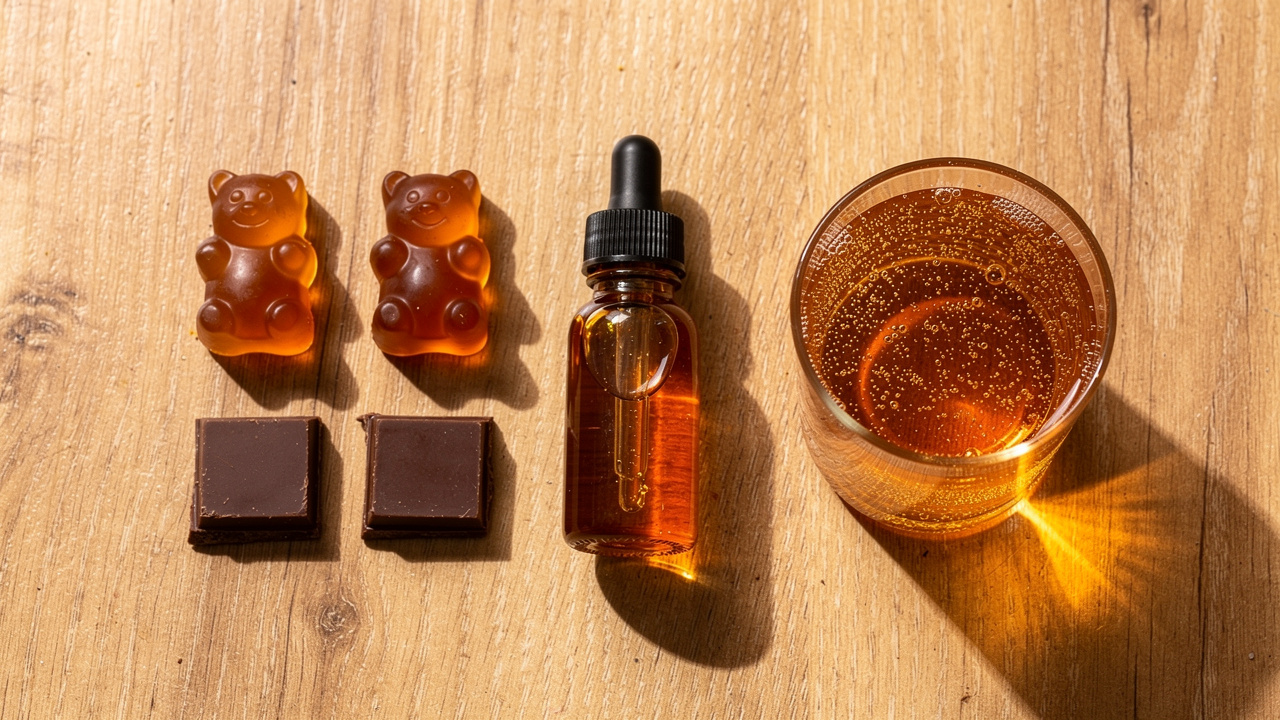
If two friends eat the same gummy and feel effects at completely different times, it can seem confusing. The reason is that how long edibles take to kick in depends on several personal and product factors. Knowing these helps set fair expectations and avoid surprises.
Some of the biggest factors include:
Type Of Edible
Liquid edibles such as tinctures, THC sodas, and certain teas start to absorb through the mouth and upper gut. Because they do not rely as heavily on full digestion, many people feel them in about 15 to 45 minutes. Traditional chewable edibles like brownies, capsules, and chocolate must move through the whole digestive system first, so they usually take 60 to 120 minutes before any clear effects show up.
We design BudBuddies liquid edibles for this quicker start, while our THC chocolates and brownies follow the slower classic pattern. That choice lets people pick timing that fits their plans.Metabolism And Body Chemistry
Metabolism and body chemistry also change how long edibles take to kick in. Someone with a faster metabolism may break down and absorb THC more quickly than a friend with a slower one. Body weight, body fat, and sex can all shift how cannabinoids spread through the body and how long they stay active. No chart can replace simple self-awareness and patience.Food In Your Stomach
Food in the stomach matters too. Eating an edible on an empty stomach often leads to a faster onset, but it can also make the high feel sharp or overwhelming. Many people prefer a light meal with some healthy fats before an edible. That pattern may delay onset a little yet smooth out the experience and help THC absorb more steadily.Dosage And Potency
A higher milligram dose of THC tends to bring on stronger and sometimes slightly earlier effects. This is why we always stress reading the label for milligrams per serving, not just the total per package. BudBuddies products list clear per-piece potency, so people can match dose and timing with far less guesswork.Tolerance Level
Tolerance changes the picture as well. Regular cannabis users often expect to feel very little from small doses. Yet tolerance from smoking does not line up perfectly with tolerance for edibles, because the body handles them so differently. Even experienced smokers can be surprised by how strong a modest edible feels, and how long it lasts. For anyone new to edibles, starting at the lowest dose is still the wisest path.
How To Dose Edibles Safely As A Beginner
Safe dosing is where a good experience starts. When someone asks how long edibles take to kick in, what they really care about is how to feel good without going too far. The simple rule that guides everything is start low, go slow.
We like to think of dosing ranges in clear steps:
Microdose: 1–2.5 mg THC
Ideal for absolute beginners. Effects are light, such as gentle relaxation or easier sleep. Many people barely notice a high, which makes this step perfect for testing how their body reacts.Low Dose: 2.5–5 mg THC
Fits beginners who want a clear mood shift. This level can bring mild euphoria, more laughter, and a soft body buzz. It is common for social settings where people still want to feel mostly in control.Moderate Dose: 5–10 mg THC
Better for those with some past cannabis experience. Effects are stronger and coordination may suffer, so safe surroundings matter more. Many regular users find their sweet spot somewhere in this range.High Dose: 10–30 mg THC
Recommended only for seasoned consumers. The high can be very intense, with heavy body effects and deeper changes in perception. Going this high without practice can easily tip into anxiety or panic, especially while waiting for onset.Very High Dose: 30+ mg THC
Doses above 30 milligrams carry a real risk of a bad time, and understanding patterns of problematic use is important — the Cannabis Use Disorder research from NCBI highlights how overconsumption of high-dose cannabis products can contribute to dependency and adverse outcomes. Only people with very strong tolerance and clear medical guidance should even consider this range. For most, there is no need to climb this high to have a satisfying session.
Many medical cannabis guidelines repeat the same line: “Start low, go slow, and stay with the same dose for a few sessions before you change it.”
Reading the label is just as important as picking a range. Always check how many milligrams of THC are in one serving and how many servings are in the full pack. A 100 milligram chocolate bar may hide ten 10 milligram squares, which is too much for most first-timers. Many BudBuddies chocolates are scored, so people can easily break off half or even a quarter of a standard piece.
Because we double-check potency and send everything for third-party lab testing, the number on a BudBuddies label matches what is inside. That adds a huge layer of safety when someone is still testing how long edibles take to kick in for their own body.
For CBD-only edibles, a common starting dose is 5 to 10 milligrams. CBD does not cause a high, yet doses that are too large can still cause tiredness or an upset stomach. The same slow, careful approach works best here as well.
Tips For A Safe And Enjoyable Edible Experience
Good planning often matters more than experience level. Even people who know exactly how long edibles take to kick in can have a rough night if they skip a few simple steps. A little care before and during the session makes a big difference.
Before You Consume:
Eat a light meal and drink some water. Going in with an empty stomach can make effects feel harsh, while a very heavy meal may slow onset for hours.
Choose a calm, familiar place such as home or a trusted friend’s living room to remove background stress.
Clear your schedule. Once an edible is on board, driving or serious work is off limits for the rest of the day or night.
Set up your space with blankets, soft lighting, music, or a favorite show so you can relax once the effects start.
During The Experience:
Be patient. After taking the first dose, set a timer for two hours to avoid the temptation to take more too soon.
If nothing seems to be happening after an hour, remember that the body may still be digesting and the liver may not be finished converting THC yet.
Avoid mixing edibles with alcohol or other drugs, which can make effects less predictable and harder to handle.
Keep water and light snacks nearby if you start to feel dry mouth or hunger.
If You Take Too Much:
Stay calm. Moving to a quiet room, dimming the lights, and focusing on slow, steady breaths can ease racing thoughts.
Sip water and eat a small snack; this can sometimes bring a more grounded feeling.
Some people find that CBD can soften THC-related anxiety.
If symptoms feel very intense or frightening, seeking medical help is always the right call.
Experienced consumers often say, “You can always take more next time, but you cannot take less once it is in your system.”
Every BudBuddies edible order includes clear dosing guidance and reminders to start low and go slow. Our team is also ready to answer questions, so people never have to guess their way through the experience alone.
Conclusion
At this point, the big question of how long do edibles take to kick in should feel far less mysterious. For most people, the first clear effects show up between 30 minutes and 2 hours, then build to a peak around the 2 to 4 hour mark. The high can last most of the day or night, with softer leftovers the next morning.
The most important habits are simple: choose a low starting dose, give the body plenty of time, and stick with trusted, clearly labeled products. Paying attention to edible type, personal metabolism, and food in the stomach turns timing from a worry into a set of clear expectations.
If someone wants a steady, predictable edible experience, we are here to help. BudBuddies offers a wide range of precisely dosed, lab-tested edibles with discreet, vacuum-sealed packaging and fast, tracked delivery across the UK. With the right information and the right products, every session can feel safer, calmer, and much more enjoyable.
FAQs
Why Don’t I Feel Anything After An Hour?
Not feeling anything after one hour does not mean the edible failed. For many people, how long edibles take to kick in is closer to 90 minutes or even the full two hours. A recent large meal, slower metabolism, or a chewable product can all delay onset. The safest move is to wait at least two full hours before thinking about another dose and to double-check how many milligrams you already took.
Do Edibles Hit Harder Than Smoking?
Yes, edibles often feel stronger than smoking the same amount of THC. The liver turns delta-9-THC into 11-hydroxy-THC, which crosses into the brain more easily and hangs around longer. That is why people who are used to smoking can still be surprised by how powerful a modest edible feels. This difference in body chemistry is another reason we remind everyone to start with a low dose.
How Long Do Edible Effects Last?
For most people, the main effects of an edible last 4 to 8 hours, and sometimes closer to 12 hours at higher doses. After that, there can still be mild leftovers such as grogginess or extra sleepiness for up to 24 hours. When planning when and how long edibles take to kick in and fade, it is smart to keep the whole day or evening free of driving and serious tasks.
What Is The Best Edible For Beginners?
The best starting point is a low dose edible that lists clear milligrams per piece. Many beginners like liquid options because they feel more in control when onset happens a bit sooner. BudBuddies liquid edibles such as THC sodas and tinctures often start working within 30 to 60 minutes, while our capsules and scored chocolates offer steady, repeatable doses. With precise labeling and full lab testing, our range makes it easier for first-time users to learn their ideal dose without guesswork.