


How to Spot Fake THC Vapes: A Practical Checklist
Introduction
Fake THC vapes are now common, and they rarely look dangerous at first glance. Learning how to spot fake THC vapes before money changes hands keeps both your lungs and your budget safer.
The trouble is simple. Counterfeit cartridges can look glossy, hit hard, and still hide cheap cutting oils or synthetic additives that you cannot see or smell.
This guide explains what fake THC vapes usually contain, then walks through four checkpoints you can use before and after buying. You will learn how to:
Read packaging properly
Check the cartridge and oil
Judge where you buy from
Notice in-use warning signs
Along the way, you will see how BudBuddies designs its range to remove most of this guesswork.
Stay with it for a few minutes and you will have a clear, calm checklist you can use every single time you shop.
Why Fake THC Vapes Are So Common Right Now
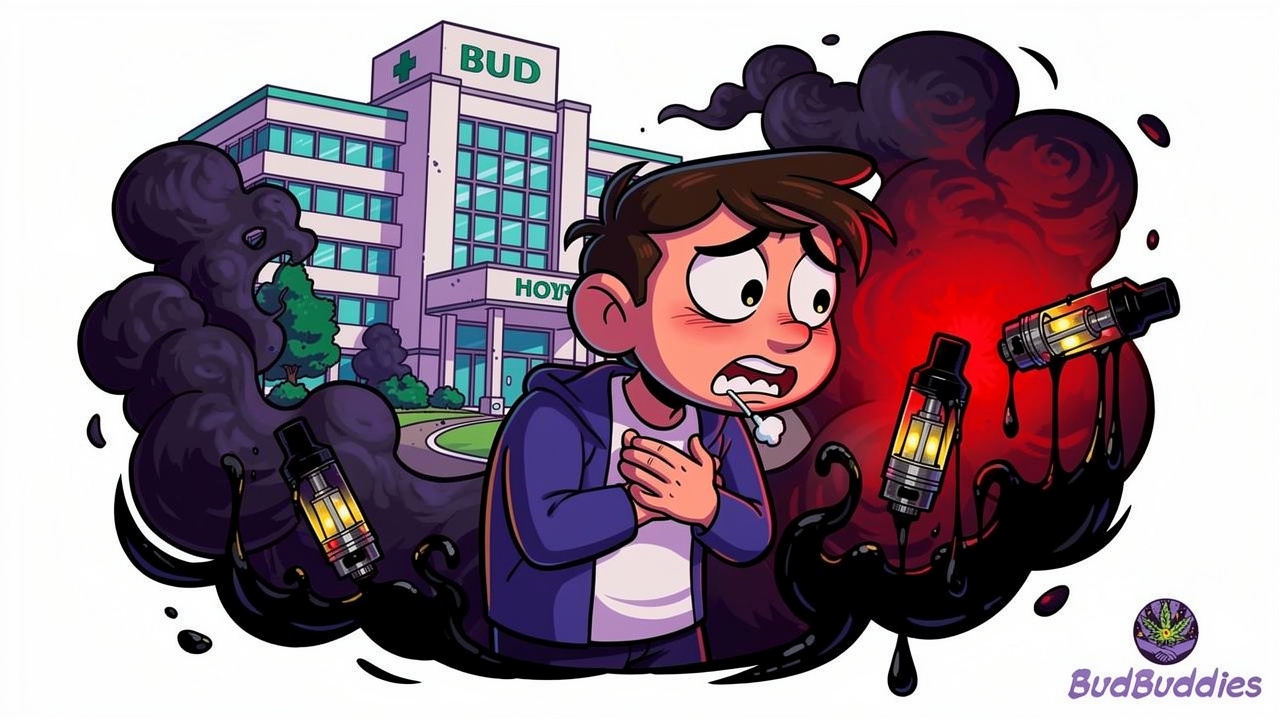
Fake THC vapes are common right now because unregulated sellers want fast profit from cartridges that are cheap to fill and hard to judge by eye. That combination creates a stream of glossy looking products that can hide risky ingredients.
According to the CDC, more than 2,800 people in the United States were hospitalised with EVALI, a vaping related lung injury outbreak linked mainly to illicit THC cartridges. Most of those patients had used cartridges from informal sources that were later found to contain vitamin E acetate and other cutting agents. Research published in the New England Journal of Medicine detected vitamin E acetate in 48 of 51 lung fluid samples from EVALI patients, which underlines how hidden these additives can be.
In unregulated supply chains, sellers can bulk up one litre of genuine distillate with cheap oils such as vitamin E acetate, medium chain triglyceride (MCT) oil, or propylene glycol and multiply their profit. Synthetic cannabinoids, which are cheaper than natural THC distillate, can also be mixed in without changing the look of the oil. None of this shows up just from glancing at the cartridge.
So the risk with fake THC vapes is not only weak effects or poor vapour. Unknown pesticide residues, heavy metals from bargain hardware, and lab made cannabinoids all creep in when nobody is checking each batch. That is why BudBuddies builds its entire vape range around independent lab testing and clear product pages rather than bargain pricing and mystery oils.
Tip: If a THC vape seems much cheaper than everything else on the market, assume corners were cut somewhere in the process.
How To Check The Packaging Like A Pro
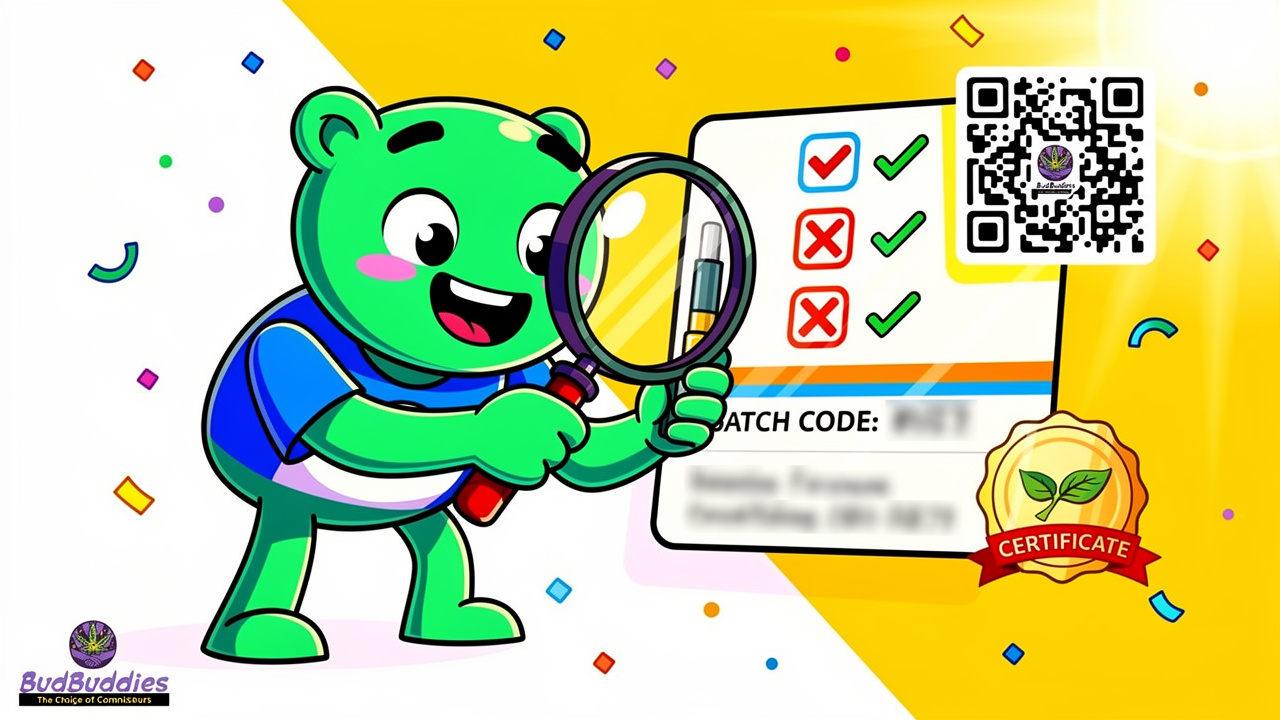
Checking THC vape packaging carefully is the first practical step in working out how to spot fake THC vapes before you even open the box. Good packaging will not guarantee a safe product, but bad packaging tells you to walk away.
Start by looking at the overall print quality under decent light. Genuine manufacturers use professional printers, so colours stay even, lines are crisp, and small text is easy to read. Counterfeit packaging often shows fuzzy edges, washed out colours, or logos that look slightly wrong when compared with the brand’s official images. Names like Dank Vapes, Brass Knuckles or Cookies are copied heavily, so visual glitches on those boxes are a strong hint that the cartridge inside is not what it claims.
Next, look for clear information that feels like it was written by a real company. You want to see:
A strain or flavour name
Strength (milligrams or percentage)
Ingredients
A batch number or code
Some way to access lab results
BudBuddies, for example, prints batch codes and QR links on every THC vape and then repeats the same batch information on the product page at buddies.cc so nothing feels mysterious or improvised.
Once you have taken that first look, use this mini checklist when you have packaging in your hand.
Check spelling, grammar, and layout carefully. Genuine brands invest in editing because packaging errors damage their reputation, so obvious mistakes usually mean a copycat design. If you spot clumsy phrases, random capital letters, or text that overlaps other elements, treat that as a sign the same corner cutting might run right through the oil and hardware too.
Look for batch numbers and dates that make sense. A clear batch code and a recent manufacturing or filling date tell you the product came from an organised production run rather than a random back room refill. If dates are missing, rubbed off, or printed in a way that looks like a cheap sticker, it suggests nobody expects the product to be traceable later.
Test any QR code on the box. A real QR code should open a specific page for that product or batch, not just a vague homepage. If the code does nothing, throws an error, or lands on a generic site with no lab report, treat the cartridge as suspect even if everything else looks polished.
Tip: Scan QR codes before buying, not after. If the seller will not let you, that is a sign to walk away.
What A Real Certificate Of Analysis Actually Shows
A real Certificate of Analysis (CoA) is a lab report that tells you what is inside one batch of oil, rather than asking you to take a seller’s word for it. Learning how to read a basic CoA is a big part of knowing how to spot fake THC vapes confidently.
At minimum, the document should show:
A clear cannabinoid profile listing THC, CBD, and minor cannabinoids with specific percentages
Test results for pesticides, residual solvents, heavy metals, and microbes
The lab’s name and contact details
Test dates and a stated batch or sample number
A 2018 study in Environmental Health Perspectives found measurable levels of metals such as lead and nickel in vapour from some e‑cigarette devices, so this kind of screening really matters.
BudBuddies posts independent CoAs for every single vape batch, covering potency and contaminant checks, and keeps those reports linked directly from product pages so you can compare the numbers with the packaging. When a CoA is shown only as a blurry image, or the lab name cannot be found online, always search the batch number on the laboratory’s own site to see if the report exists there. If it does not, assume the paperwork is decorative rather than reliable.
What To Look For Inside The Cartridge Itself
After the packaging check, the next step in how to spot fake THC vapes is to study the cartridge itself. The materials, build quality, and oil appearance all give useful clues.
Hold the cartridge between your fingers and notice the weight and feel. Quality hardware often uses glass and ceramic, so it feels solid and well finished. Bargain hardware tends to be very light, with thin plastic walls, rough seams, and a mouthpiece that wiggles or unscrews far too easily. If you see oil leaking around the base or mouthpiece before you have even used it, that usually means rushed manufacture.
The mouthpiece and centre post matter as well. Reputable cartridges usually use ceramic heaters, which handle thick cannabis oil well and produce clean tasting vapour. Cotton wicks or exposed metal coils belong more in early nicotine vapes than in modern THC carts and can burn or degrade quickly when the oil is poor quality. BudBuddies partners only with hardware suppliers whose cartridges are designed for thick distillate or live resin, so the device and the oil work properly together.
Once you are happy the shell looks sensible, focus on the oil inside.
Look closely at the colour and clarity. Genuine THC distillate tends to sit in the light golden to amber range, slightly darker for live resin or full spectrum oils. It should be clear enough that you can see through it, without cloudiness, flakes, or layered separation. Dark brown, nearly black, or milky looking oil is a warning that the starting material or additives are not what you want in your lungs.
Check for bubbles and movement inside the tank. One small bubble near the top is normal. What matters is how it moves when you gently flip the cartridge. Thick, uncut oil moves slowly and smoothly, whereas cut oil sloshes around quickly, sometimes with lots of small bubbles that seem to appear and vanish.
Inspect the join between oil and hardware. If you see oil pooled around the coil, trapped in odd corners, or creeping up into the mouthpiece, that can mean the oil has the wrong thickness for the device. Cheap refills into reused cartridges often show these signs, which is one more reason to prefer sealed, single use carts from curated suppliers such as BudBuddies.
The Oil Colour And Viscosity Test
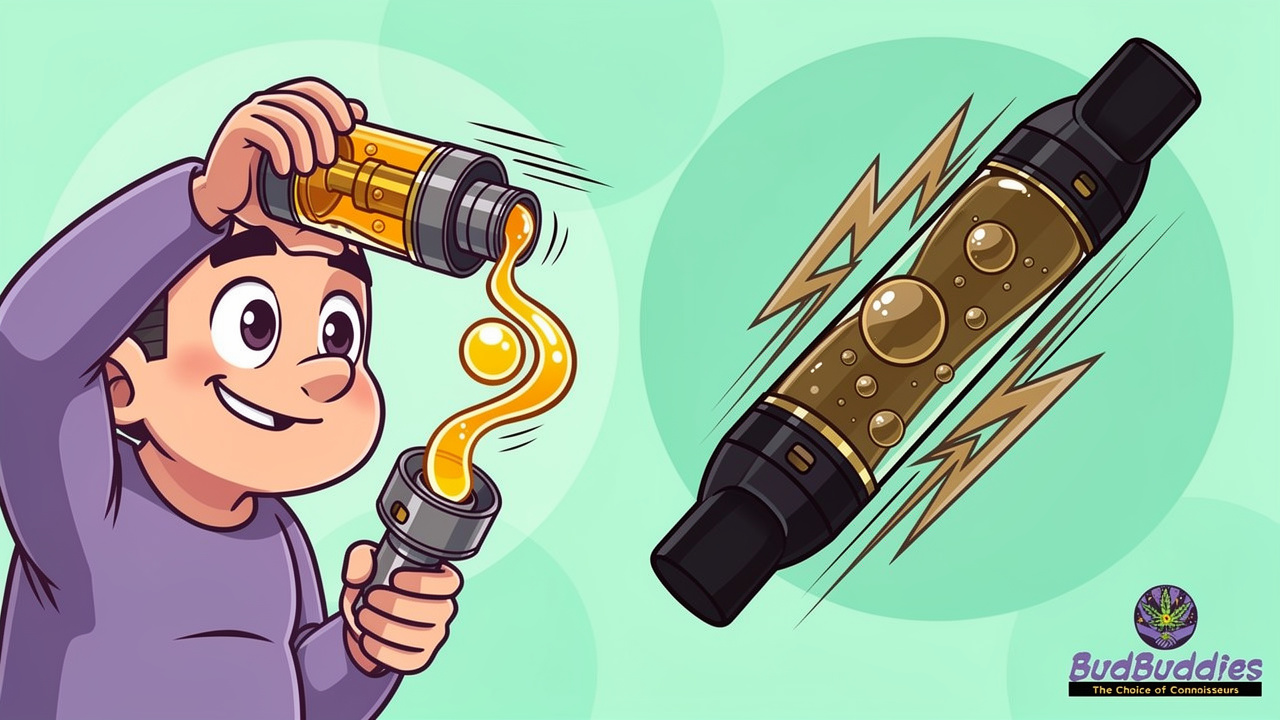
The oil colour and thickness test is the quickest hands on way to screen a THC vape cartridge. You can repeat it in seconds on any cart you are thinking about buying.
Hold the cartridge upright for a moment, then slowly turn it upside down while watching the air bubble travel. With clean, high strength cannabis oil, that bubble takes several seconds to drift from one end to the other because the liquid is naturally thick. If the bubble races across the tank, the oil is thin and likely mixed with cheaper additives that do not belong in your chest.
At BudBuddies, vape cartridges are filled only with cannabis extract and carefully chosen terpenes, with no vitamin E acetate, no PG or VG, and no MCT oil. That is why the oil sits as a clear golden column and moves lazily when you flip it. When you see a watery, fast moving oil in any cartridge, treat that as one of the strongest physical signs the product has been tampered with.
Tip: Compare a suspect cart against one you already trust. Differences in colour and thickness stand out much more side by side.
Where You Source Your Vape Is The Most Important Decision You Make
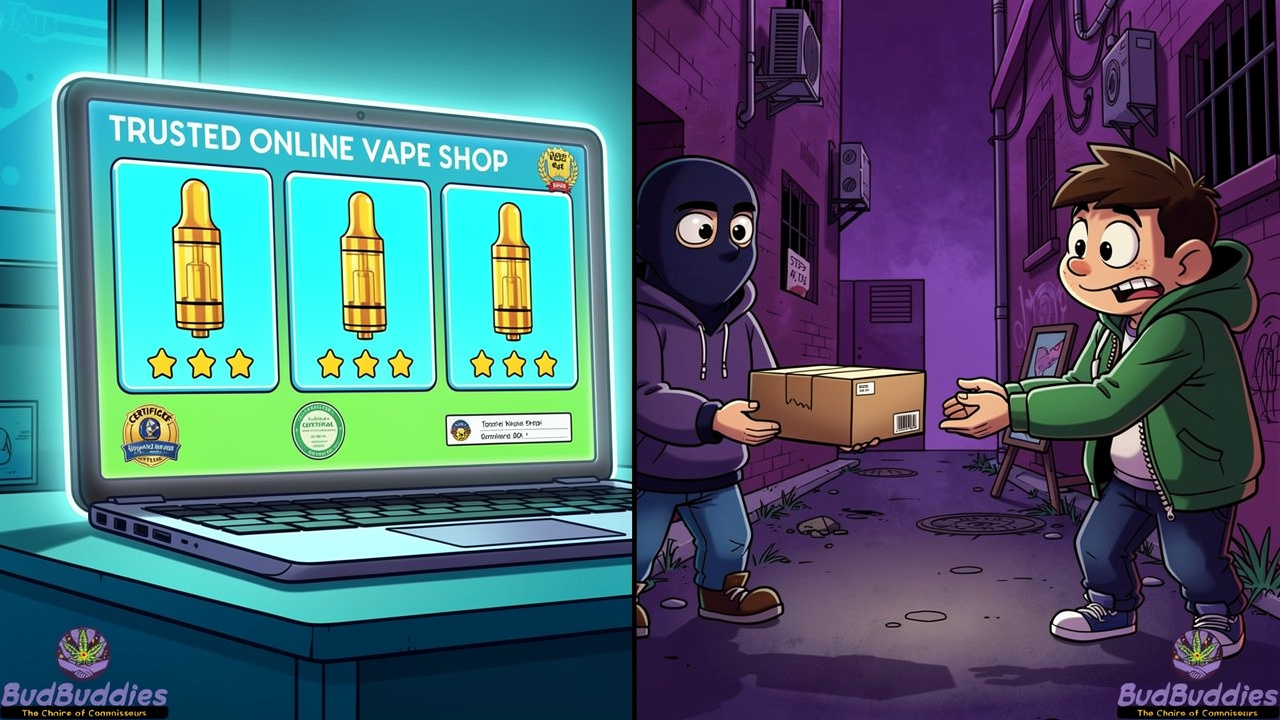
Where you buy from is the single biggest factor in how to spot fake THC vapes reliably over time. Careful checking helps, but the right supplier reduces how often you face fakes in the first place.
Informal street sellers, anonymous messaging app contacts, and random social media profiles share one trait — a reality explored in research on adolescents’ perceptions, experiences, and reactions to fake vaping devices, which documents how easily users are misled by unregulated sources. None of them give you a clear way to check where their cartridges came from, how the oil was made, or whether any batch has ever been near a proper lab. According to the CDC, most EVALI patients with THC linked lung injury had bought cartridges from friends, in person sellers, or online contacts rather than organised retailers, which shows how risky those routes can be.
By contrast, a curated supplier has a reputation to protect and a website that must stand up to repeat visitors. BudBuddies structures its whole THC vape range around that idea. Every product page at buddies.cc shows clear strength information, CoA links, real customer reviews, and photos that actually match what arrives in the parcel. The same goes for related items such as the Nebula Mist THC Mouth Spray, Full Spectrum Clouds – Ultra Smooth Pulls, and Loud Clouds Vape – Smooth Pulls Social Vibes, which all follow the same transparency rules.
When you compare sources, this quick checklist helps you lean towards safer, better organised providers.
Look for independent lab reports hosted or linked from the seller’s own site. A trustworthy supplier is proud to show third party test results and happy to answer questions about them. If someone refuses to share reports or claims testing is unnecessary, they are quietly telling you how little they know or care about what is in their oil.
Pay attention to pricing patterns, not just one offer. Quality THC distillate, good hardware, and proper testing all cost money, so a cart that is much cheaper than similar products is unlikely to be a miracle bargain. BudBuddies prices sit in a fair band for premium oil and hardware, then offer savings through things like sale pricing and the BudCash rewards programme rather than through mystery low cost cartridges.
Notice how the order experience feels. Discreet, tracked shipping in plain packaging, clear stock updates, and responsive support all signal a supplier that expects you to come back. BudBuddies ships in unbranded wrapping, vacuum seals products to keep odour down, and uses tracked services so you know where your parcel is, which together give more confidence than an unlabelled jiffy bag from a stranger.
Tip: If you would not feel comfortable contacting a seller again about a problem, they are not the right person to trust with your lungs.
How The Vape Performs: In-Use Warning Signs You Should Know
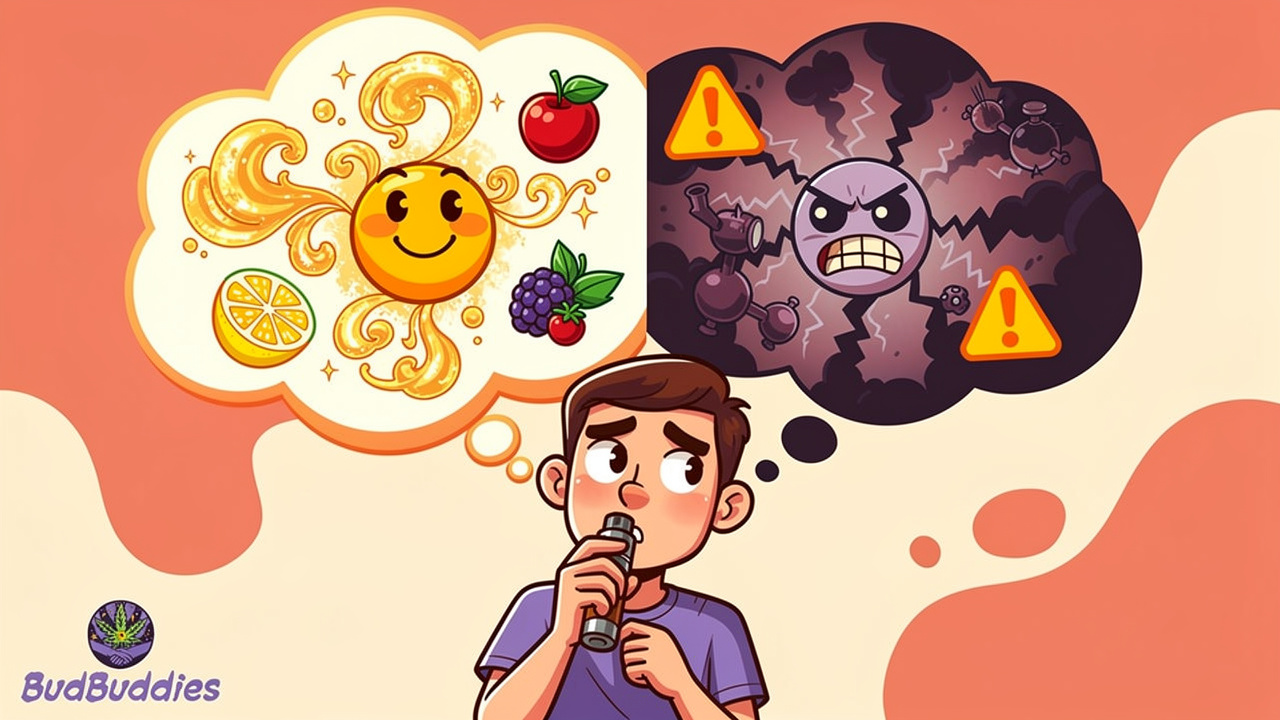
Even with careful checks, some problems only appear when you actually use a cartridge. Knowing the in use warning signs is the final layer in how to spot fake THC vapes before finishing a cart.
Take a gentle first pull and pay close attention to taste and throat feel. Authentic cannabis oil tends to have a rounded, plant like flavour shaped by its terpenes, which might be fruity, earthy, piney, or sweet depending on the strain. A fake or badly cut oil often tastes sharp, chemical, or like strong cheap flavouring with no depth at all. If the vapour feels scratchy or burns your throat on the very first puff at a sensible voltage, that is a sign to stop.
Next, think about the effects compared with what you expected. Clean, accurately labelled THC vapes should deliver a fairly predictable lift, especially if you already know your tolerance. According to New England Journal of Medicine data from the EVALI investigations, many patients reported sudden, unusual symptoms after using cartridges they thought were standard cannabis vapes, which later turned out to contain unexpected additives. If a cart labelled as very strong barely does anything, or feels strange, edgy, or overwhelming after a small amount, it may contain synthetic cannabinoids or mislabelled contents — a risk confirmed by research into illicit substances in school-confiscated vapes, which found a range of unexpected compounds in unregulated devices.
Hardware behaviour tells you more over a few sessions.
Watch how fast the coil clogs or burns out. Thick, clean oil from a supplier like BudBuddies usually gives a long, steady life from a disposable or cartridge, with flavour fading slowly rather than suddenly tasting burnt. When a new cart tastes scorched after only a handful of puffs, that often points to sugary flavourings or contaminants burning onto the element.
Notice vapour thickness and aftertaste. Very thin, almost invisible vapour with a strong perfume like flavour is a hint that the oil is heavy on flavouring and light on genuine cannabinoids. If your mouth feels coated in grease or you have a lingering chemical aftertaste, put the device down and do not pick it back up.
Pay attention to how your chest feels over the next day. Tightness, wheezing, persistent cough, or unusual fatigue after using a particular cartridge suggest your lungs did not appreciate what was in it. While only a medical professional can assess symptoms properly, your body’s first feedback is often the most practical signal to avoid that product or seller again.
Tip: Never keep using a vape “to get your money’s worth” if it tastes wrong or makes you feel unwell. Your health is worth more than a cartridge.
Putting It All Together
Putting everything together, spotting fake THC vapes works best as a simple layered process. You start by reading the box, then you inspect the cart and oil, think carefully about where it came from, and finally listen to your body when you use it.
BudBuddies builds those layers into its own range from the ground up. Packaging carries clear batch details, cartridges use quality hardware, oils are thick golden extracts without cheap thinning agents, and every batch comes with an independent CoA linked directly on buddies.cc. That structure means you spend less time worrying about hidden additives and more time choosing flavour, strength, and format.
Conclusion
If you remember one thing, let it be this: any time something about a THC vape feels off, it probably is not worth the risk.
Use the packaging checks, cartridge inspection, and oil flip test whenever you can. Favour suppliers that publish real lab reports, look after shipping properly, and answer questions clearly. BudBuddies focuses on exactly those points, from its Loud Clouds and Full Spectrum Clouds vapes through to its Nebula Mist THC Mouth Spray, so you can concentrate on effects and experience rather than detective work.
With a little habit and a steady checklist, you can move through the crowded vape market with far more confidence and far fewer nasty surprises.
Frequently Asked Questions
Question 1: How Can I Tell If A THC Vape Cartridge Is Fake Just By Looking At It?
You can often spot a fake cartridge by checking colour, clarity, and build quality together. Genuine oil is usually clear golden amber, not dark, cloudy, or milky. The cartridge body should feel solid with clean glass or ceramic and a snug mouthpiece. Flip it gently and watch for a slow moving bubble rather than fast, watery movement.
Question 2: What Is Vitamin E Acetate And Why Is It Dangerous In Vapes?
Vitamin E acetate is a thick oil sometimes used to cheaply dilute THC vape liquid. It is safe in skin creams and supplements but behaves very differently when heated and inhaled into the lungs. According to the CDC, it was strongly linked with thousands of EVALI lung injury cases tied to illicit THC cartridges.
Question 3: Are All Cheap THC Vapes Dangerous?
Not every lower priced THC vape is unsafe, but very cheap cartridges deserve extra scrutiny. Quality cannabis oil, decent hardware, and independent lab testing all add real cost to each unit. When a vape is far below the usual price range, it often means the oil is weak, heavily cut, or from a source that skips proper safety checks completely.
Question 4: What Should I Do If I Think I Have Already Vaped A Fake Cartridge?
If you think you have vaped a fake cartridge, stop using it straight away and put it aside. Pay attention to how you feel over the next hours and days, especially for chest tightness, shortness of breath, ongoing cough, or unusual tiredness. If any worrying symptoms appear, seek medical advice promptly and mention that you recently used a suspect vape.
Question 5: How Do I Know If A Certificate Of Analysis Is Genuine?
To judge whether a Certificate of Analysis is genuine, always cross check it with the testing laboratory’s own site. Search the batch number or use any verification tool the lab provides rather than trusting a screenshot alone. A real CoA should list the lab’s details clearly, show test dates, and cover potency plus at least some contaminant screening.

