


Understanding Weed Withdrawal Symptoms, Day by Day
Stopping or cutting back on cannabis after regular use often brings symptoms nobody warned you about, from restless nights to sudden short-temperedness. These weed withdrawal symptoms happen because the body has grown used to a steady supply of THC, and it needs time to find its own balance again. Anyone who has tried cutting down knows this discomfort can feel confusing without a clear sense of what’s coming next, or how long it might stick around.
This guide explains what cannabis withdrawal actually is and walks through the timeline day by day, covering the early signs, the peak around day four, and the steady improvement that follows over the next fortnight. We’ll also share practical ways to manage each symptom, from sleep troubles to appetite changes, so the whole process feels far less daunting. BudBuddies put this guide together to help UK consumers plan a tolerance break with clear expectations and the right products to support it. Read on to see exactly what your body goes through and how to make the reset smoother.
Key Takeaways
Weed withdrawal symptoms mostly affect daily or near-daily users, and they’re usually mild rather than severe.
Symptoms tend to peak around day four and largely settle down within ten days for most people.
Sleep changes and low mood can linger for up to four weeks, because THC is stored in fat cells and released slowly.
Tapering gradually, staying hydrated, and keeping a routine all make the process noticeably easier to manage.
The platform’s product range and planning tools can support a calmer, more personalised reset from start to finish.
Why Does Cannabis Withdrawal Happen?
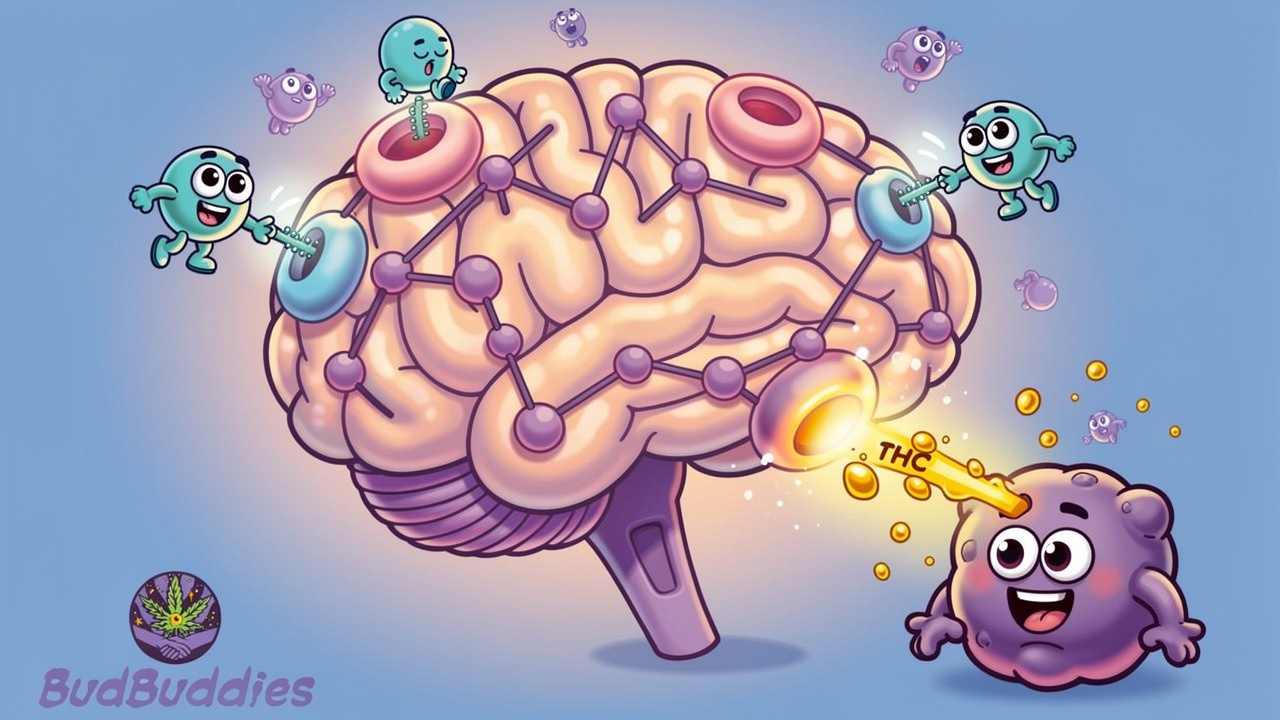
Cannabis withdrawal happens because the endocannabinoid system, the network in your body that regulates mood, sleep and appetite, adjusts to a regular external supply of THC and then has to recalibrate once that supply stops, a process examined in a review of the validity and significance of cannabis withdrawal syndrome. With daily or near-daily use, your body leans on cannabinoids to help manage these functions instead of producing its own natural balance as efficiently. When intake drops suddenly, that system needs a stretch of time to catch up, and the gap shows up as the symptoms covered below.
A big part of why this process drags on longer than people expect comes down to how THC behaves in the body. It’s fat-soluble, meaning it settles into fat cells rather than clearing out quickly through urine or sweat like water-soluble substances do. That slow, gradual release is exactly why some effects, particularly around sleep and mood, can still be noticeable weeks after your last use.
Weed Withdrawal Symptoms Day By Day
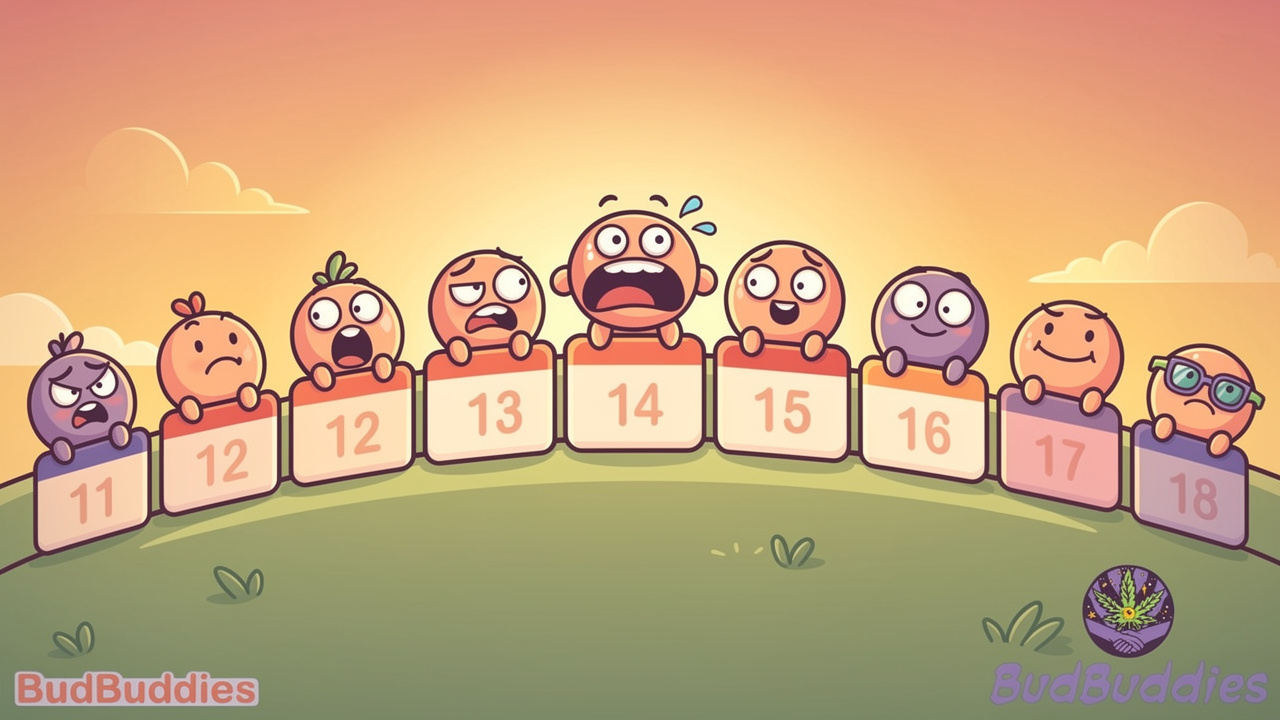
Weed withdrawal symptoms tend to follow a fairly consistent pattern, starting within a day or two of cutting down and easing off steadily from there. How intense that pattern feels depends on a few personal factors, including how often you used cannabis, how much, and whether you stopped abruptly or tapered off gradually. Someone who smoked daily for years and quit overnight will typically notice a sharper dip than someone easing back from occasional use. The stages below give a realistic picture of what most regular users can expect, though your own timeline may shift slightly earlier or later depending on these factors.
Days 1–3: Onset
The first couple of days usually bring the earliest, milder signs of withdrawal, consistent with clinical descriptions of marijuana withdrawal symptoms and treatment:
Restlessness and a shorter fuse than usual
Cravings, especially for people who used cannabis daily
Day 4: Peak Intensity
Day four tends to be the toughest point in the whole process for most people. Anxiety, sweats, chills and unusually vivid dreams often reach their strongest here, a pattern reflected in clinical guidance on marijuana withdrawal detailed in the Merck Manual, which can feel alarming if you weren’t expecting it. This is the turning point rather than a sign things are getting worse, and symptoms generally start easing from here onward.
Days 5–10: Gradual Improvement
From day five onward, most physical symptoms like headaches, nausea and sweats begin to fade noticeably. Sleep and mood might still feel a little unsettled during this stretch, but the overall trend is clearly downward. By around day ten, the bulk of withdrawal symptoms have usually resolved for most regular users.
Weeks 2–4: Lingering Effects
Some people notice sleep disturbances or low mood continuing for a few weeks after the sharpest symptoms have passed. This happens because stored THC keeps releasing slowly from fat cells as the body finishes clearing it. These lingering effects are still temporary, not a sign that something has gone wrong with your recovery.
How To Manage Symptoms As They Happen
Managing weed withdrawal symptoms mostly comes down to simple daily habits rather than anything drastic or medical. A consistent routine, plenty of water, regular movement and a bit of patience will ease most of what you feel without needing extra intervention. Tapering your use down gradually before stopping completely also tends to produce noticeably milder symptoms than quitting outright, and a randomised controlled trial on aerobic exercise and cannabis withdrawal found that regular movement can further ease this transition.
Sleep, Dreams, and Anxiety
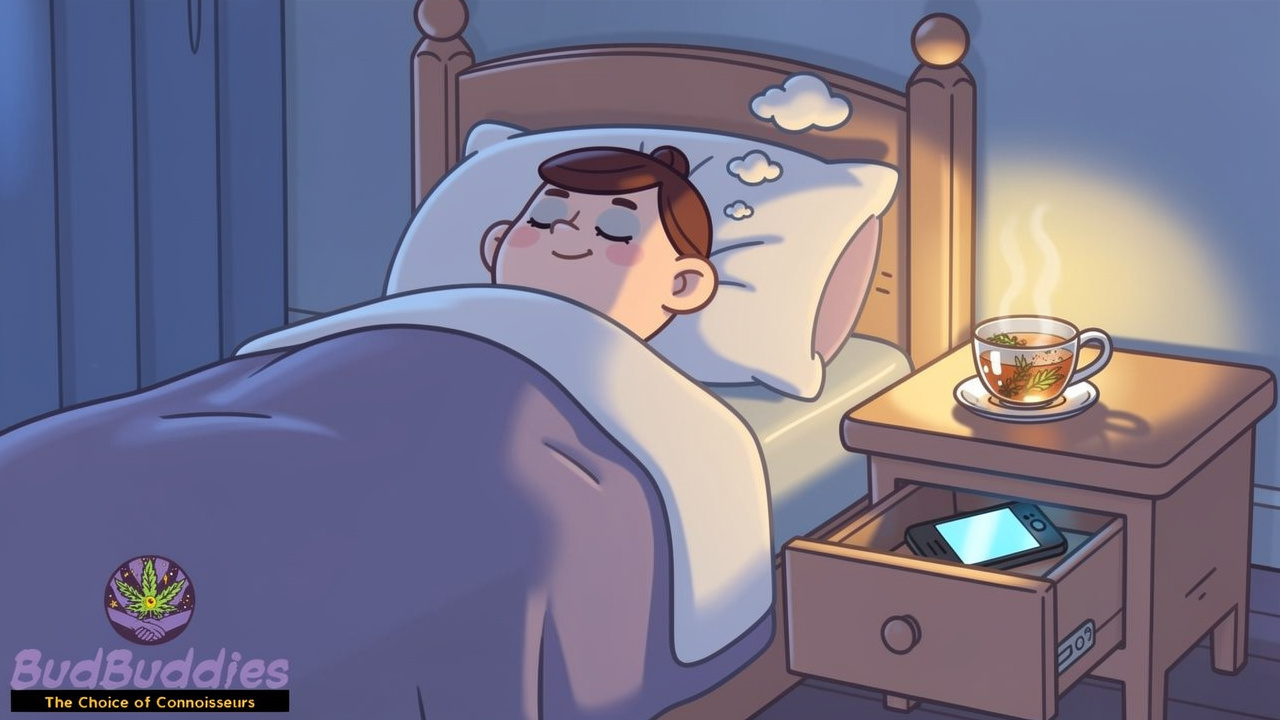
Keeping a consistent sleep and wake time, even at weekends, helps train your body to expect rest at the same point each day. Consider these steps:
Build in a calming wind-down routine, such as reading or a warm bath
Keep phones and screens away for the last half hour before bed
Cut back on evening caffeine, since its jittery effects feel stronger once cannabis isn’t there to balance them out
Try journalling worries or a short breathing exercise if anxious thoughts or vivid dreams are keeping you up
Vivid dreams usually fade within about a week as sleep patterns settle back to normal. Give these habits a few nights to take hold rather than expecting instant results.
Irritability, Sweats, and Appetite Changes

Short-temperedness is common during withdrawal, so building relaxing activities into your day, like music, a walk, or time with friends, gives your mood somewhere useful to go. Talking to someone you trust about how you’re feeling, even briefly, tends to help more than pushing through alone. If you’d rather keep things private, simply saying you’re feeling “under the weather” works just as well.
For flu-like symptoms such as sweats, chills or headaches, treat yourself as you would an actual cold, with rest, fluids and over-the-counter pain relief where needed. If appetite dips, try smaller meals more often rather than forcing large ones, and smoothies can help when solid food feels unappealing. Light exercise outdoors often helps bring appetite back naturally within a few days, echoing findings from a case series on psychosis linked to cannabis withdrawal, which underscores why monitoring mood and mental state during this period matters.
How BudBuddies Supports A Smoother Reset
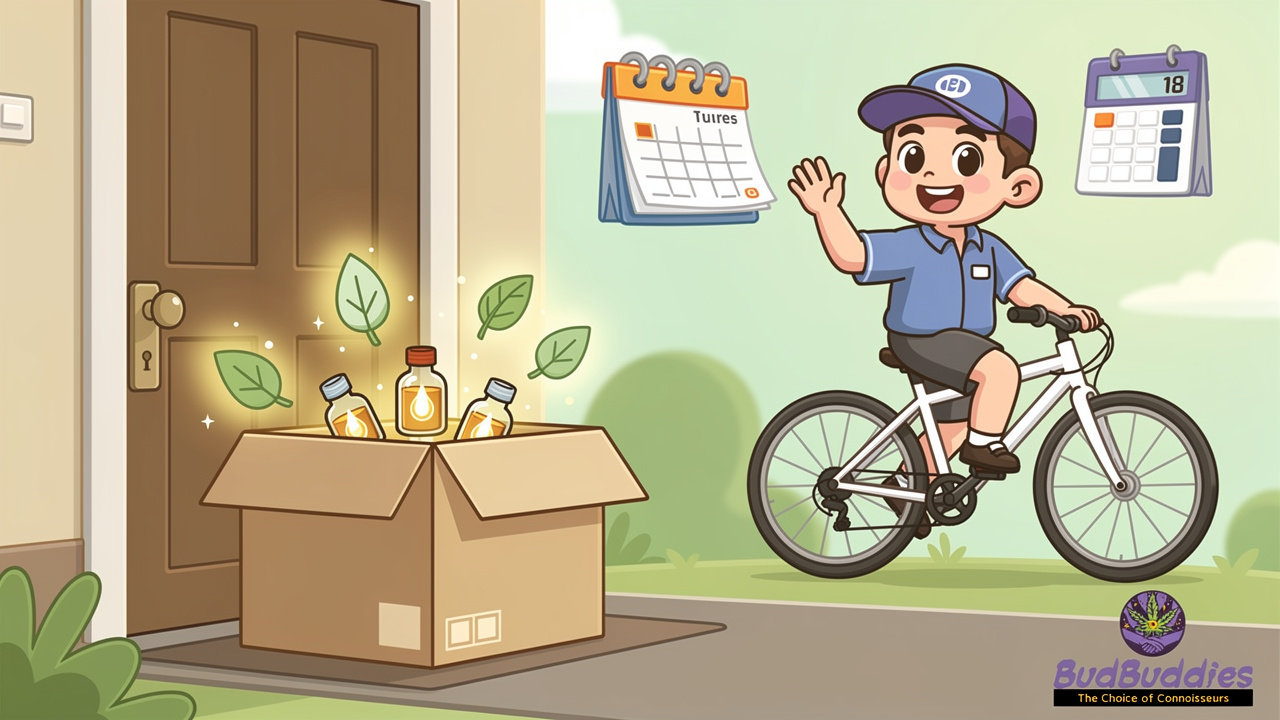
BudBuddies supports a smoother tolerance break by giving you accurate, lab-tested products so you can taper with confidence rather than guesswork. The Weed Tolerance Calculator and beginner tolerance break guide on the site help you plan the timing and pace of a reduction before you start, so you know roughly what to expect. For stepping down gradually, the range of CBD and CBG oils, along with lower-THC options, gives you a way to ease off rather than stopping in one abrupt jump.
Every order ships in discreet, unmarked packaging with reliable next-day UK delivery, so you can plan a break, or your return to use, around a specific date without any guesswork. If you’re unsure which products fit your situation, the customer support team can offer personalised guidance based on your own habits and goals. That combination of accuracy, privacy and support is what makes managing a reset feel far less like trial and error.
Wrapping Up
Weed withdrawal symptoms are a normal, temporary sign that your body is rebalancing after regular THC use, not a sign that anything has gone wrong. The pattern is fairly predictable: symptoms start within a day or two, peak around day four, mostly settle within ten days, and occasionally leave a lingering tail of sleep or mood changes for up to four weeks.
Taking a gradual, informed approach, rather than stopping cold with no plan, tends to make the whole experience far more manageable. BudBuddies’ product range and planning tools are there to support that approach, whichever pace suits you best. With a bit of patience and the right preparation, a tolerance break can feel like a reset rather than an ordeal.
Frequently Asked Questions
Below are some of the most common questions readers ask about weed withdrawal symptoms and how to manage a break with confidence.
Is Weed Withdrawal Dangerous?
Cannabis withdrawal is generally mild compared with withdrawal from substances like alcohol or opioids, and it’s rarely medically dangerous. That said, it can still feel genuinely uncomfortable, particularly for long-term daily users, so treating yourself gently during the process still matters.
Can You Get Withdrawal From Occasional Use?
Withdrawal mainly affects people who use cannabis daily or near-daily, since that pattern is what causes the body to adapt in the first place. Occasional or weekend users rarely notice significant symptoms if they cut back or stop, since their bodies haven’t built the same dependence on regular THC.
Does Tapering Really Reduce Withdrawal Symptoms?
Yes, gradually reducing your intake tends to produce noticeably milder symptoms than stopping abruptly. Using products with different THC to CBD ratios as a step-down method can make the transition smoother, giving your system a gentler adjustment period instead of a sudden drop.
Why Do I Have Vivid Dreams After Quitting Weed?
Vivid or unusual dreams happen because cannabis suppresses REM sleep, and stopping use triggers a rebound where REM activity increases sharply. This typically fades within about a week as your sleep cycle settles back into its normal rhythm.
How Do I Know If I Have Tolerance Versus Withdrawal?
Tolerance shows up as needing more cannabis to get the same effect, while withdrawal shows up as symptoms once you cut down or stop entirely. If you’re unsure which you’re dealing with, the tolerance break guide walks through the differences in plain terms.
Should I Stop Cold Turkey Or Taper Off Gradually?
Tapering is generally gentler on the body than stopping outright, since it gives your system time to adjust in stages rather than all at once. Lower-THC or CBD-based products can work well as a bridge while you step your intake down gradually.

