Marijuana Withdrawal Symptoms: What to Expect & How to Cope
Cutting back on cannabis, or stopping altogether, often brings a stretch of restless nights, low mood, and cravings that catch people off guard. If you have noticed yourself feeling irritable, sleeping badly, or losing your appetite after reducing your intake, you are experiencing marijuana withdrawal symptoms, and you are far from alone. These reactions happen because your body has grown used to regular THC exposure and needs time to find its balance again once that supply drops away.
This guide explains what marijuana withdrawal symptoms actually feel like, why they happen, and how long you can expect them to stick around. We will walk through the most common symptoms, from sleep troubles and vivid dreams to sweats and appetite changes, plus practical steps that make the process easier to manage. You will also see how BudBuddies, a UK cannabis retailer known for clear product guidance, supports customers planning a tolerance break with tools built for exactly this situation.
Read on to find out what to expect day by day and how to cope with confidence.
Key Takeaways
Marijuana withdrawal symptoms are a normal sign your body is recalibrating after regular THC use, not a mark of failure.
Common effects include sleep trouble, vivid dreams, anxiety, irritability, sweats, and appetite changes, with intensity varying from person to person.
Symptoms usually peak around day four, mostly ease within 10 days, and can linger for up to four weeks as THC clears from fat cells.
Tapering off gradually tends to produce milder symptoms than stopping abruptly, especially for daily users.
Practical steps like consistent sleep routines, hydration, and the platform’s tolerance break tools can make the whole process feel more manageable.
What Are Marijuana Withdrawal Symptoms?
Marijuana withdrawal symptoms are the physical and mental effects that appear when a regular cannabis user cuts down or stops using THC, the main psychoactive compound in cannabis. Your body adapts to frequent THC exposure over time, and once that supply is removed, the brain and nervous system need a period of adjustment to find their normal balance again. This is why withdrawal happens mostly to people who use cannabis daily or near daily, rather than occasional users whose bodies never fully adapted in the first place.
Experiencing these symptoms is not a sign of weakness or failure, clinical guidance on marijuana withdrawal describes it as a positive signal that your body is recovering and resetting itself after a period of regular use, much like how withdrawal works with caffeine or nicotine. For most people, this process resolves fully within a matter of weeks without needing any medical treatment.
What Are the Common Signs of Cannabis Withdrawal?
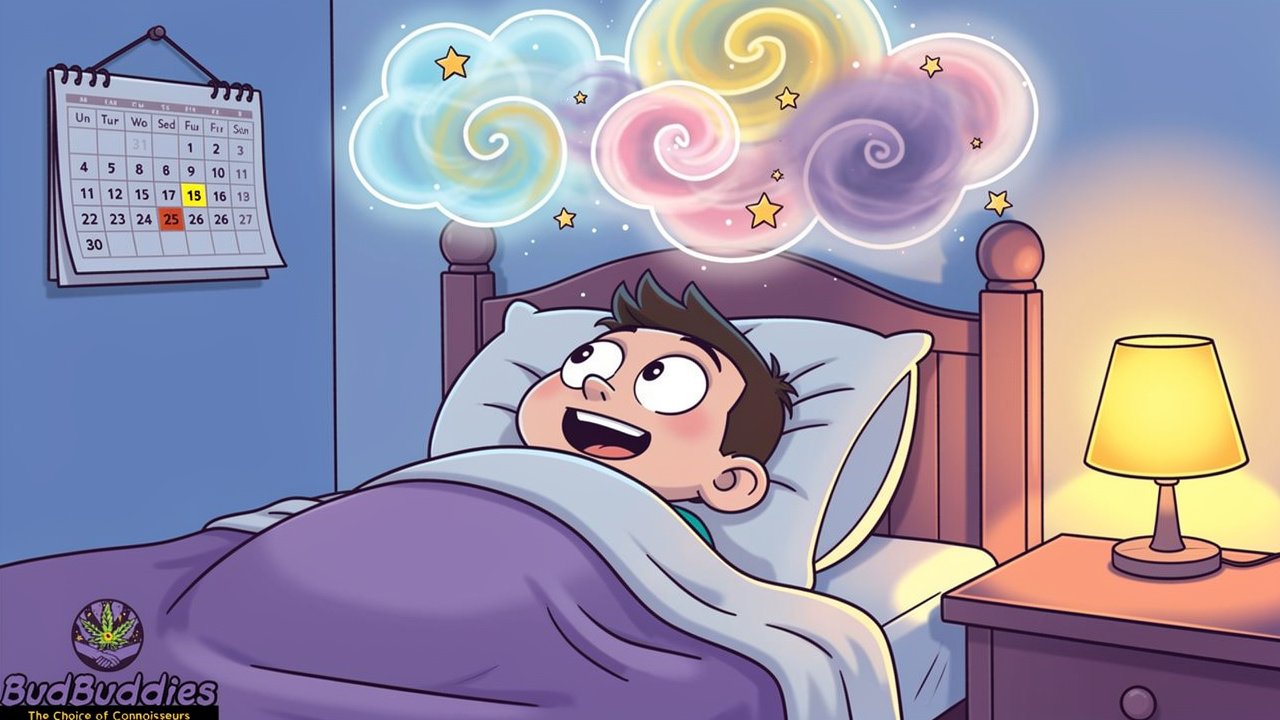
Marijuana withdrawal symptoms show up as a mix of sleep problems, mood changes, and mild physical discomfort that typically appears within a day or two of cutting down. Alongside a general dip in mood and cravings, similar to giving up any regular habit, several specific symptoms tend to show up together, and how strongly you feel them depends on how often and how long you used cannabis.
Sleep problems, including trouble falling or staying asleep, along with strange or vivid dreams as the brain’s dream cycle catches up.
Anxiety, restlessness, and irritability that can feel more intense without cannabis softening those feelings the way it used to.
Sweats, chills, headaches, and changes in appetite, including nausea for some people, usually easing within one to two weeks.
Sleep, Mood, and Physical Symptoms Explained
Sleep trouble is often the most noticeable symptom, particularly for those who used cannabis to switch off at night, and it frequently comes with unusually vivid or disturbing dreams caused by REM rebound as the brain catches up on lost dream time. Anxiety and irritability tend to surface because cannabis previously masked those feelings, so removing it leaves them a little more exposed for a while. Physical symptoms such as sweats, chills, and appetite changes are common too, and generally settle within a week or two. If you typically smoke cannabis mixed with tobacco, stopping can also trigger nicotine withdrawal alongside these effects, which may make irritability and cravings feel stronger still.
How Long Do Marijuana Withdrawal Symptoms Last?
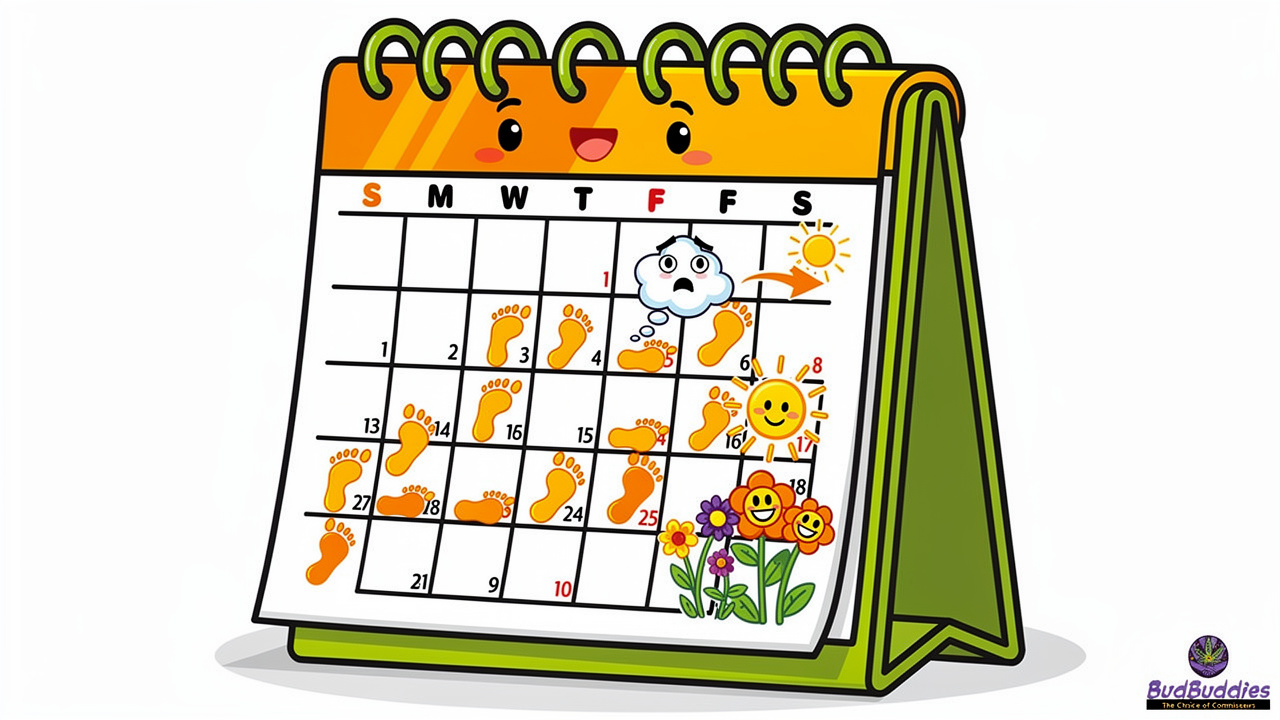
Marijuana withdrawal symptoms typically follow a predictable timeline, beginning within a day or two of stopping and peaking around day four. This peak period tends to be the toughest stretch, and for most people, the bulk of symptoms ease off within 10 days as the body settles back into its normal rhythm.
Some effects, particularly sleep changes and appetite shifts, can linger for up to four weeks, a pattern consistent with clinical descriptions of cannabis pharmacology, since THC and other cannabinoids are fat-soluble, meaning they get stored in fat cells rather than flushed out quickly, and it can take weeks for those stores to fully release back into the bloodstream. Stopping abruptly rather than tapering down, and heavier or longer-term use, both tend to make symptoms feel more intense, and a randomised controlled trial on aerobic exercise and cannabis withdrawal found that structured physical activity during abstinence can help ease this severity.
“Most people experience very mild withdrawal symptoms during a cannabis tolerance break.” — Dr Ryan Vandrey, Johns Hopkins School of Medicine
How Can You Cope With Withdrawal Symptoms?
Coping with withdrawal comes down to steady, practical self-care while your body finds its balance again, an approach reflected in the SAMHSA brief counseling manual for marijuana dependence, which outlines assessment and motivational strategies for adults cutting back. Small, consistent habits around sleep, stress, and food can take the edge off the toughest symptoms and make the days pass more comfortably.
Improving Sleep and Easing Anxiety
Sleep and anxiety tend to be the symptoms people notice most, so it helps to give both extra attention early on. A consistent sleep schedule, a calming bedtime routine, and cutting out screens before bed all help signal to your body that it is time to wind down. For anxious or restless feelings, writing down worries, practising slow breathing, and cutting back on caffeine can stop jittery feelings from building up.
Go to bed and wake up at the same time each day so your body clock settles into a steady pattern.
Try BudBuddies’ tolerance break tea guidance alongside a calming CBD oil, capsule, or hemp tea for a relaxing, non-intoxicating ritual that fills the gap without THC.
Skip caffeine where you can, since without cannabis softening its effects, coffee can leave you feeling more wired than usual.
Managing Appetite Changes and Physical Discomfort

Appetite changes and mild flu-like symptoms are common too, and both respond well to simple, gentle self-care rather than anything drastic. Food may taste different for a while, and sweats, chills, or headaches can appear alongside stomach discomfort, but these usually settle within one to two weeks.
Eat little and often instead of forcing full meals, and try a smoothie on days when solid food feels unappealing.
Get some light exercise and fresh air, which can help bring your appetite back naturally over the following days, echoing findings from a cannabis withdrawal exercise trial showing physical activity can ease withdrawal-related discomfort.
Treat sweats, chills, and headaches like a mild flu, with rest, plenty of fluids, and over-the-counter pain relief where needed.
How Can BudBuddies Help You Plan a Tolerance Break?
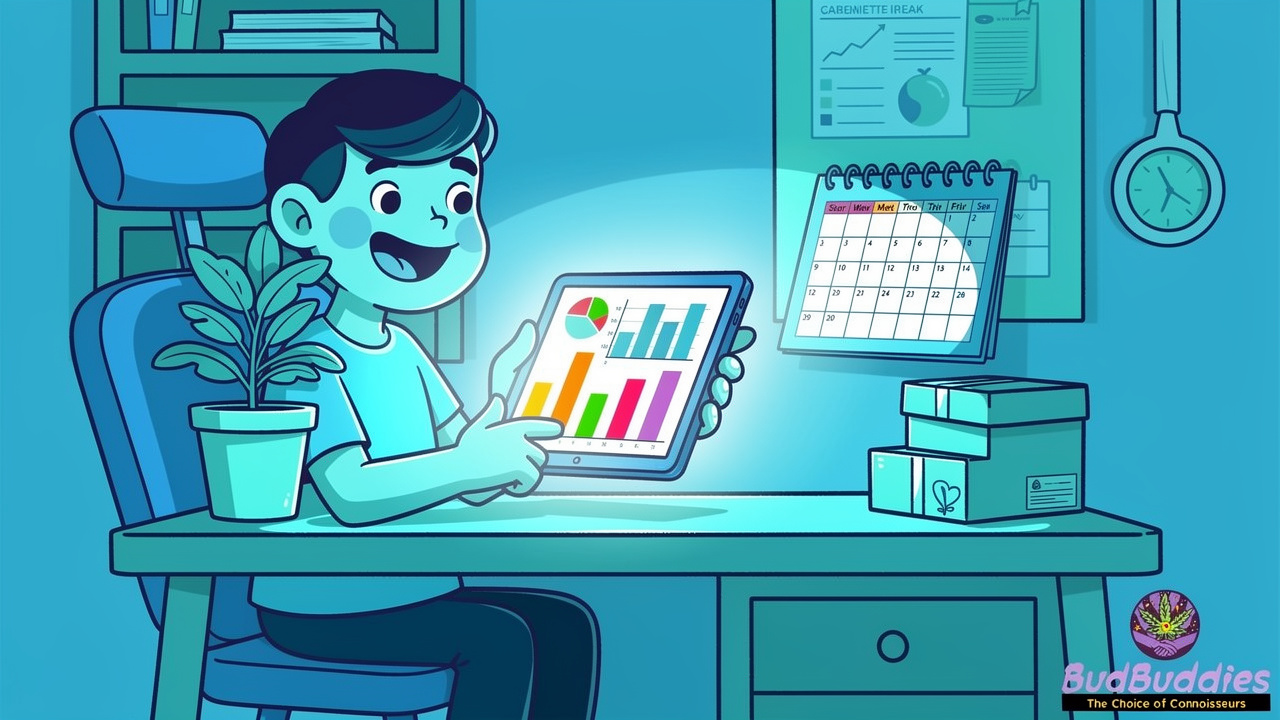
Planning ahead makes a tolerance break far less stressful, and BudBuddies’ Weed Tolerance Calculator gives you a realistic starting point based on how often and how much you currently use. Pair that with the Beginner Weed Tolerance Break Guide, which breaks down expected timelines for occasional, regular, and daily users, so you know roughly what to expect before you begin rather than guessing.
Once your break ends, a controlled return matters just as much as the break itself. Lab-tested products with clear dosage information help you start low and go slow, avoiding the discomfort of overdoing it on a lower tolerance, while discreet, tracked delivery means you can plan your restart without any hassle or exposure.
The Takeaway
Marijuana withdrawal symptoms are uncomfortable, but they are temporary, predictable, and a genuine sign that your body is recovering rather than failing you. Most people find that sleep troubles, mood changes, and mild physical discomfort ease substantially within 10 days, with only minor effects lingering for a few weeks longer.
Planning ahead with the right tools, steady self-care habits, and a bit of patience turns a difficult break into a manageable one. BudBuddies’ tolerance calculator, break guides, and calming CBD range are there to support you through every stage, whether you are just starting to cut down or getting ready to return to your usual routine. Small, steady choices make the biggest difference.
Frequently Asked Questions
These are some of the questions we hear most often from readers thinking about cutting down or planning a tolerance break, answered simply and directly.
Can You Get Withdrawal Symptoms If You Only Use Cannabis Occasionally?
It’s unlikely. Marijuana withdrawal symptoms are far more strongly linked to daily or near-daily use over an extended period. Occasional users rarely build up the same level of dependence, so their bodies typically have little to readjust when they stop, meaning noticeable withdrawal is uncommon in this group.
Is It Better to Quit Cannabis Suddenly or Cut Down Gradually?
Tapering down gradually tends to produce milder symptoms than stopping abruptly, particularly for heavier or daily users. Cutting back slowly gives your body more time to adjust step by step, rather than facing a sudden and complete removal of THC that the nervous system has grown used to.
Can CBD Help With Cannabis Withdrawal Symptoms?
Yes, non-intoxicating CBD products can support relaxation without THC. The platform’s oils, capsules, and hemp tea offer a calming ritual that fills the gap left by cannabis, helping you unwind in the evening or manage stress during the day without affecting your tolerance break progress.
Why Do I Feel More Anxious After Stopping Cannabis?
Cannabis can mask underlying anxious feelings while you are using it regularly. Once you stop, those feelings can surface temporarily until your body readjusts. This is a normal, short-term part of withdrawal rather than a lasting change, and it typically settles within a couple of weeks.
Will My Tolerance Reset Completely After a Break?
Tolerance drops noticeably during a break, often within one to four weeks depending on how heavily you used before. Because of this, it’s worth returning slowly, using clear dosage information and starting with smaller amounts, to avoid overconsumption on a lower, more sensitive tolerance.
How Do I Know If I Need Extra Support During Withdrawal?
If symptoms feel unmanageable, or persist well beyond a few weeks, it’s worth seeking further guidance. The BudBuddies customer support team can help with questions about consumption patterns, dosing, and planning your break, giving you practical, judgement-free advice whenever you need it.