Medical Cannabis for Cancer Pain in the UK Guide
Introduction
Living with cancer pain wears you down, hour after hour. It is not surprising that more people now look at medical cannabis for cancer pain in the UK as part of their comfort plan.
Yet information often feels confusing, technical, or coloured by marketing claims.
This guide keeps things simple. Medical cannabis here means products from the cannabis plant that may ease pain, nausea, sleep trouble and anxiety when used alongside regular cancer care. You will see how THC and CBD work, which formats suit different pain patterns, what quality signs matter, and how BudBuddies makes access discreet and straightforward across the UK.
“Pain is whatever the experiencing person says it is, existing whenever the person says it does.” – Margo McCaffery, nurse and pain specialist
Take a calm look through each section and decide what fits you. Nothing here replaces advice from your own medical team.
What Is Medical Cannabis and How Does It Work for Cancer Pain?

Medical cannabis for cancer pain describes cannabis‑based products that interact with your body’s endocannabinoid system to ease symptoms. This system includes receptors in the brain, nerves and immune cells, and it helps control pain, mood, appetite and sleep.
The two best known cannabinoids are THC and CBD. THC binds mainly to CB1 receptors in the brain and spinal cord, which can lower pain signals and sometimes lift mood. CBD acts more softly at CB1 and CB2 sites and may calm inflammation and steady anxious thoughts.
According to the World Health Organization, around 30 to 50 percent of people with cancer live with moderate to severe pain, and Cancer Research UK estimates that around 1 in 2 people in the UK will develop cancer at some point. Many people therefore look for extra comfort beyond standard medicines.
When several cannabinoids and aromatic terpenes act together, this is often called the entourage effect. Full spectrum products keep this wider plant mix, so they can feel more rounded for ongoing pain than single‑molecule isolates.
“At the moment, there is no reliable medical evidence to show whether cannabis, in any form, can effectively and safely treat cancer in humans.” – Macmillan Cancer Support
So evidence for pain relief grows, yet cannabis does not treat or cure cancer, and thoughtful product choice still matters. In the UK, products that contain THC are controlled and should only be used within current law, including prescription‑only routes where required.
THC Vs. CBD: Which One Helps With Pain?
THC and CBD support pain relief in different ways. Understanding the contrast between them helps you pick what might suit your body.
THC (tetrahydrocannabinol)
Often gives the strongest direct pain relief for many people.
Can ease sharp flares, bone pain and cramping.
Has clear anti‑nausea effects, which matter during chemotherapy.
Possible side effects include a high, slower reaction times, dry mouth, dizziness and, at higher doses, worry or racing thoughts.
CBD (cannabidiol)
Does not make you feel high and suits people who want a clear head.
May calm inflammation and soothe overactive nerves, softening background discomfort.
Can reduce some of THC’s heavier effects (such as anxious feelings) when both appear together.
Still carries interaction risks with some medicines, so medical advice is important.
Many cancer patients prefer balanced THC:CBD ratios, because these can give noticeable relief without feeling overwhelmed or sedated.
On BudBuddies product pages, accurate ratio information and double potency verification help you choose a level that fits your needs more easily. Clear numbers also make it simpler to repeat a dose that felt right.
As many clinicians put it, “Start low and go slow when you use cannabis for medical reasons.”
Which Cannabis Formats Work Best for Cancer Pain?
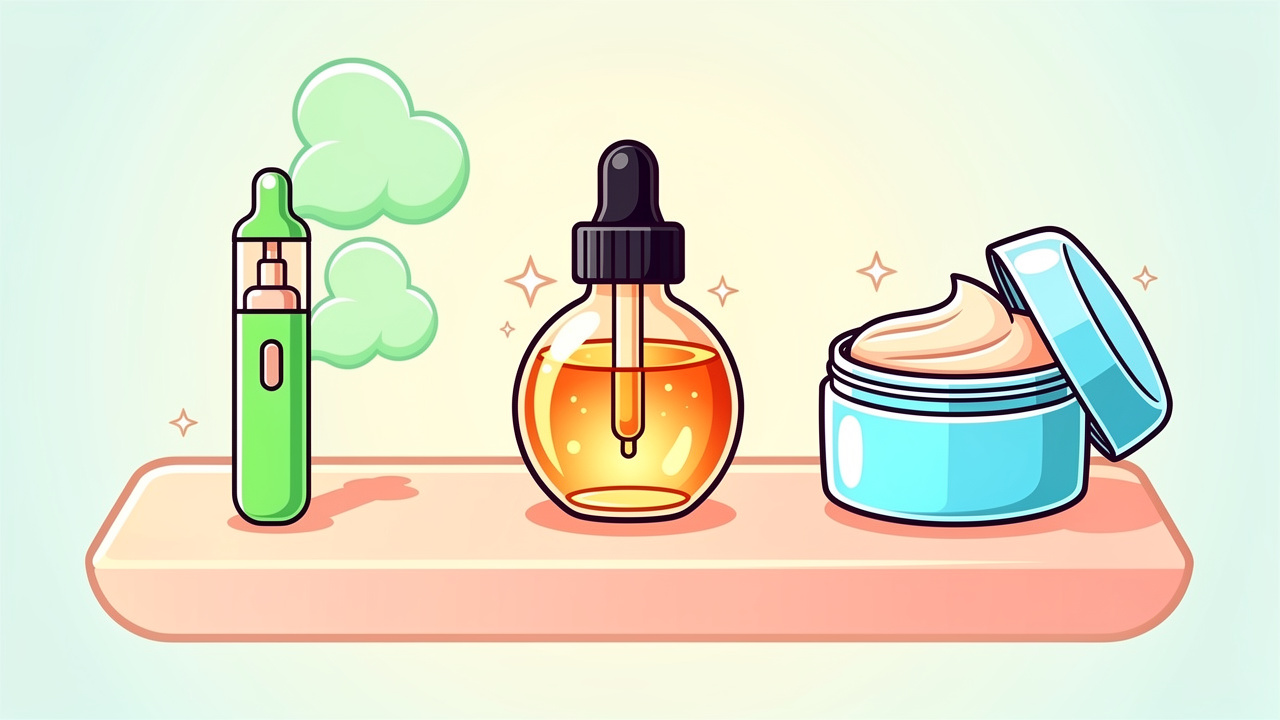
Which cannabis format works best for cancer pain depends on the type of pain and how fast you want relief. Short icy stabs feel very different from dull aches that sit in the background all day, so it makes sense to match products to each pattern.
A review in JAMA that covered 79 clinical trials found that cannabinoid medicines gave modest improvements in chronic pain scores compared with placebo.
Broadly, cannabis‑based products for pain sit in three groups, and each group has a clear role:
Inhaled (for example, vapes or flower)
Act within minutes.
Help with sudden spikes of pain or waves of nausea.
Effects wear off more quickly, so they are less suited to all‑day cover.
Not ideal for people with lung or breathing problems.
Oral (oils, gummies and capsules)
Take longer to start working (often 30–90 minutes).
Effects can last for several hours.
Support steady daytime cover and sleep.
Easier to measure doses accurately.
Topical (creams and balms)
Applied directly to the skin over sore joints, muscles or scar lines.
Mostly act where you apply them, with little whole‑body effect.
Can sit alongside inhaled or oral products in the same routine.
At BudBuddies you can combine all three styles in a simple routine, choosing legal products that match how your symptoms rise and fall through the day.
Matching the Format to the Moment
Matching cannabis formats to each moment gives steadier cancer pain relief. A quick option for flares plus slower cover beats one heavy product, and this simple approach helps you avoid too much THC when you only need a nudge.
For sudden spikes, fast inhaled formats work well. THC vapes or flower, where lawful and clinically appropriate, can ease pain or nausea within minutes.
For steady daytime cover, many people choose oils. A balanced THC:CBD oil in small drops can smooth background discomfort for several hours while you stay clear enough to work, see family or rest. BudBuddies full spectrum and balanced oils come with clear milligram guides, which makes it simpler to repeat a dose that felt right.
For sleep, edibles such as gummies or capsules help many people. One piece an hour or two before bed often carries you through much of the night.
Topical balms sit beside oils to add comfort on joints or scar tissue. Bundle packs from BudBuddies let you test formats together and keep what suits your pattern.
A simple daily pattern might look like:
Morning: Small dose of a balanced oil for background pain.
Daytime flares: One or two puffs of an inhaled product, if appropriate for you.
Evening: Edible or capsule to support sleep.
Anytime: Topical balm on specific sore areas.
Keep a brief symptom and dose diary. Over a week or two, this often makes helpful patterns much clearer.
What to Look for in a Cannabis Product If You Have Cancer

Choosing cannabis products while you deal with cancer needs extra care. Small changes in strength can feel large when you live with constant pain, fatigue or treatment side effects. Quality control and clear labelling move from nice extras to the base of a safe routine.
The Food Standards Agency advises healthy adults to limit CBD from supplements to 10 milligrams per day, because long‑term effects at higher intakes still look uncertain. Guidance from Cancer Research UK also warns that untested oils bought online may hold different levels of THC and CBD from those claimed on the label.
When you look at a BudBuddies product page, it helps to check a few key details:
Potency Information
Shows how much CBD or THC sits in the bottle and, for edibles, in each piece. Clear numbers make it easier to start low and move up slowly. BudBuddies products show these figures plainly so you can copy a dose that felt helpful without guessing.Lab Reports (Certificates of Analysis)
Independent lab reports confirm that the numbers on the label match what is in the bottle. These reports also check for pesticides, heavy metals and microbes, which matter when your immune system already works hard. BudBuddies uses double potency verification for every batch, so strength stays steady from order to order.Spectrum Line and Terpene Notes
Full spectrum oils keep a trace of many plant compounds, including small amounts of THC where lawful.
Broad spectrum removes THC while still giving other cannabinoids.
Isolate offers pure CBD for people who prefer a single compound.
Because cannabinoids pass through the liver, CBD can change how some medicines break down — a clinical consideration covered in detail by guidance on Navigating the Green Frontier: clinicians’ role in the prescription of medical cannabis, which outlines the responsibilities involved in safe prescribing. Oncologists and specialist nurses can explain whether your treatment mix allows room for cannabis‑based products, and many welcome honest conversations about what you use at home — including during hospital stays, as covered in practical guidance on Managing Medical Cannabis in hospitals and hospices published by the UK Medical Cannabis Clinicians Society. Bring a list of everything you take, including oils, capsules and herbal supplements.
“Consistency in cannabis products is key for medical users. Lab testing helps patients know exactly what they are getting every time.” – Dr. Amanda Reiman, cannabis policy expert
How BudBuddies Makes Accessing Cannabis Products Simple and Private

Access to cannabis products can feel like one more hurdle when you already live with cancer pain. Parcels that go missing, packaging that draws attention, or hard‑to‑read product pages all add stress you do not need. BudBuddies builds every step of the process around simplicity, privacy and steady supply.
From the moment you land on budbuddies.cc to the day your order arrives, the focus stays on keeping things smooth for you. That mix suits cancer patients, carers and experienced cannabis users who want a calm, reliable experience rather than drama.
Discreet, Quiet Packaging
Keeps your use private. Every parcel leaves the warehouse in plain, unbranded, smell‑proof wrapping, with vacuum‑sealed bags inside a simple mailer. Couriers and neighbours see only a normal box. Tracked shipping lets you follow that box from warehouse to doorstep, so you always know where it sits.Reliable Nationwide Delivery
Supports stable routines. Orders placed before the 3 pm cut‑off usually ship the same day, and most reach homes in one to two business days. Orders over fifty pounds qualify for free next‑day delivery. Many regulars plan their top‑ups around this rhythm so they rarely run low.Payment and Rewards Options
Focus on value and privacy. BudBuddies accepts secure bank transfers and select cryptocurrencies, with encrypted channels protecting sensitive details. BudPoints cashback, BudCash referrals and bundle packs help regular users reduce costs. Guidance on rotating strains and cannabinoid ratios appears across the site, so you can keep effects steady without constant dose increases.
Put together, this service model means you can focus on listening to your body, not on chasing parcels or puzzling over packaging. Product education, quality and privacy sit side by side, which is exactly what many people want when they fold cannabis into cancer pain care.
The Bottom Line on Cannabis for Cancer Pain
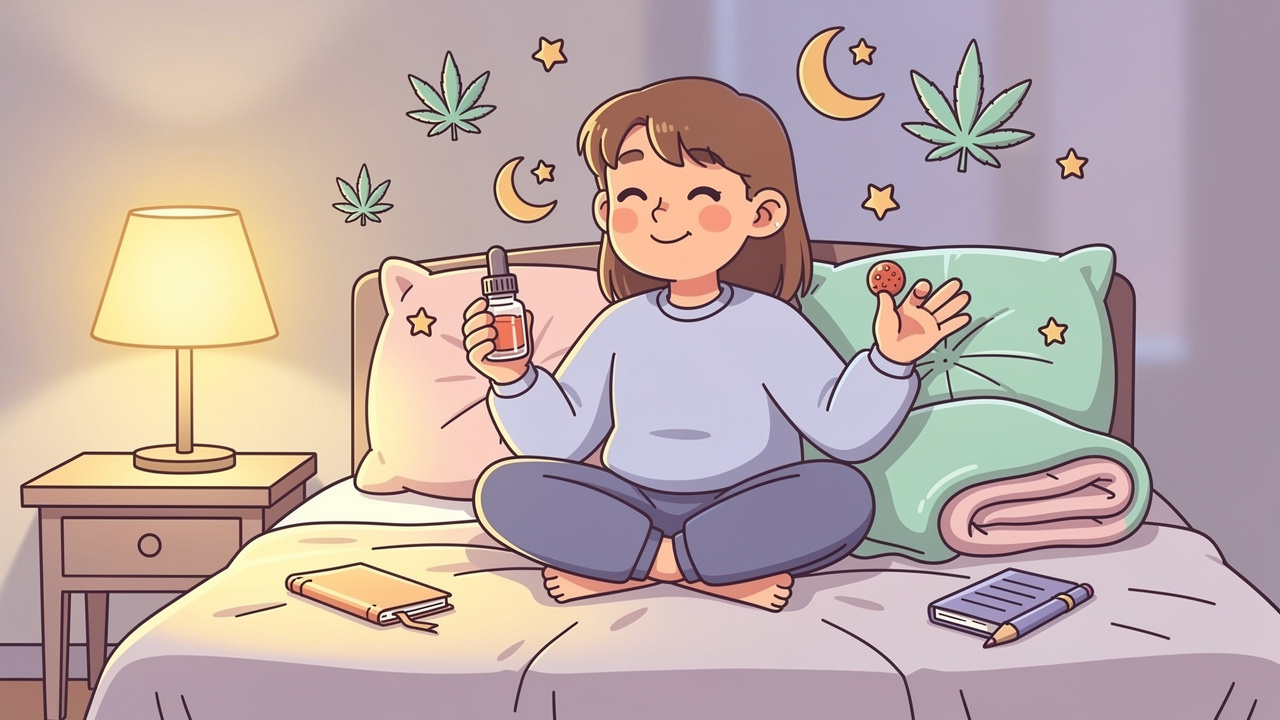
Medical cannabis for cancer pain in the UK sits on a careful balance. THC and CBD can ease pain, nausea, sleep trouble and low mood for some people, especially when you match formats to each moment and stick to consistent, well tested products.
Key points to keep in mind:
Cannabis does not replace surgery, chemotherapy, radiotherapy or hormone treatments.
Side effects such as dizziness, confusion or low mood can appear, especially at higher doses.
Quality, lab reports and open talks with your medical team help protect you.
Discreet, reliable suppliers remove practical stress so you can focus on rest and recovery.
BudBuddies brings those pieces together through curated strains, clear oils, bundle packs and private delivery, so you can explore what helps at your own pace and within your medical plan.
Frequently Asked Questions
Question 1
Can cannabis help with chemotherapy‑related nausea as well as pain?
Cannabis can help some people with both chemotherapy‑related nausea and pain, as illustrated by a landmark case report documenting the first instance of UK 6 June 2024: NHS-reimbursed cannabis flowers prescribed for cancer palliative care and chemotherapy-induced nausea and vomiting. THC acts on CB1 receptors that influence sickness and pain signals, so fast‑acting vapes or flower often ease waves of vapes or flower often ease waves of nausea and flares together. Because THC can interact with anti‑sickness medicines and sedatives, always discuss this approach with your oncology team first.
Question 2
Does CBD oil actually do anything for cancer pain?
CBD oil can support cancer pain control, although its effect is usually gentler than THC. It may reduce inflammation and calm overactive nerves, which softens background discomfort. Many people prefer full spectrum or balanced oils where CBD works with smaller amounts of THC.
CBD can still interact with chemotherapy drugs, blood thinners and other prescriptions, so check with your doctor or pharmacist before adding any oil to your routine.
Question 3
How do I avoid building up a tolerance to cannabis products?
To slow tolerance:
Avoid raising your dose quickly; give each change several days.
Rotate strains or switch between balanced oils in the day and stronger THC flower only at night if this fits your plan.
Keep at least one or two days per week slightly lighter, with lower doses.
Consider short planned breaks, agreed with a doctor, to help reset sensitivity.
Keeping notes on dose, timing and effect makes it easier to spot when you are using more for the same relief.
Question 4
Is discreet delivery available for cannabis orders across the UK?
Yes, BudBuddies offers discreet delivery across Great Britain and Northern Ireland. Orders arrive in plain, smell‑proof, unbranded packaging with no product names on the outside. Tracked services let you follow each parcel from warehouse to doorstep for reassurance.
Remember that products containing THC are controlled in the UK, so always check that any item you buy and use aligns with current regulations and your medical advice.
Question 5
What is the difference between full‑spectrum, broad‑spectrum, and isolate CBD oils?
Full Spectrum CBD Oil
Contains the whole mix of cannabinoids and terpenes from the plant, including trace THC where lawful, which supports the entourage effect.Broad Spectrum CBD Oil
Keeps most compounds but removes THC, so it suits people who want a richer profile without any measurable THC content.Isolate CBD Oil
Contains pure CBD only, so effects feel simpler and more predictable. This appeals to people who prefer a single compound or need to avoid THC completely.
If you are unsure which to try, many people start with a low‑dose full spectrum or broad spectrum oil and adjust from there with guidance from a health professional.