


Prescribed THC for Students in the UK: Clear Guide
Introduction
Searching for prescribed THC as a student in the UK can feel confusing and a bit overwhelming. Information online often mixes medical, wellness, and product talk into one noisy stream.
Most guides also skim over what students actually care about: day-to-day use, mental health, privacy, and realistic access. That gap leaves many people stuck between jargon-filled medical pages and random product pages.
Prescribed THC for students in the UK usually sits in two worlds. One is the formal route, where a specialist doctor assesses conditions like anxiety, ADHD, or chronic pain and may recommend THC as part of a treatment plan. The other is the non-prescription route, where curated brands such as BudBuddies offer lab-tested THC products with clear guidance in plain English.
This guide explains how access usually works, which conditions matter, what formats you are likely to meet, and how BudBuddies fits in as a safe, discreet place to explore your options next.
Everything here is general information, not medical or legal advice. Always speak to a qualified health professional about your own situation and check current UK law before buying or using any THC product. THC products are intended for adults; if you are under 18, talk to a doctor rather than trying to manage things alone.
What Is Prescribed THC And Can UK Students Actually Access It?

Prescribed THC for UK students means THC used as part of a planned medical cannabis treatment, recommended by a specialist doctor rather than picked at random. It is usually supplied as a specific cannabis-based medicine, with set strengths, dosing guidance, and follow-up reviews. That is very different from buying high-THC products from unknown sources, where contents and strength are unclear.
THC itself is one of the main cannabinoids in the cannabis plant. It influences mood, sleep, appetite, and pain signalling, which is why specialists sometimes use it for conditions such as chronic pain or PTSD. CBD is another cannabinoid, often sold as drops or gummies on the high street, but CBD alone does not produce the same noticeable “high” that THC does. According to NHS England, cannabis-based medicines are currently offered to a very small number of patients through standard hospital services. Only specialist hospital doctors can start these prescriptions, and they do so cautiously.
For a prescribed THC student in the UK, the NHS route is usually narrow. Hospital teams tend to reserve THC-based medicines for specific situations such as severe epilepsy or complex multiple sclerosis symptoms. Most students with anxiety, sleep problems, or ADHD do not meet those strict criteria, even when their symptoms feel intense. That gap is why many adults now look at regulated private medical cannabis clinics as the realistic way to explore medical cannabis.
Private medical cannabis clinics, some of which contribute data to Drug Science projects, often assess a wider group of conditions. Their doctors look at diagnosis, past treatments, and how symptoms affect daily life, rather than focusing only on a tiny list of conditions. So yes, some students can access prescribed THC through these services, provided they have a clear medical history and have already tried other options.
At the same time, brands like BudBuddies give adults access to non-prescription THC products with full lab reports, where products are offered within UK regulatory limits. These can sit alongside or separate from any clinical path and give people a way to understand how different formats feel before, during, or after formal consultations.
Which Conditions Qualify Students For A Prescribed THC Consultation?

Conditions that often qualify students for a prescribed THC consultation tend to be long-standing and disruptive. Private specialists look at how symptoms affect sleep, concentration, mood, and study, rather than focusing on short-term stress alone. For a prescribed THC student in the UK, the most common starting point is an existing diagnosis that has not responded well to usual treatments.
According to NHS Digital, around one in six adults report a common mental health problem such as anxiety or depression in any given week. Among university students, figures from the Office for Students show that self-reported mental health conditions have more than doubled over the past decade. Private cannabis clinics reflect that pattern: many patients are young adults whose main struggles are psychological rather than physical.
Here is how that tends to look.
Anxiety and depression are now among the most frequent reasons people approach private medical cannabis services. Students often describe persistent worry, racing thoughts, and low mood that resist standard antidepressants or talking therapy. Doctors review past prescriptions, therapy notes, and symptom history before even talking about THC-based options, and they may decide that THC is not suitable for everyone, especially where there is a history of psychosis.
ADHD and focus-related difficulties attract growing interest in medical cannabis circles. Some adults find that stimulant medicines help but produce uncomfortable side effects, while others feel only partial relief. Specialist doctors sometimes explore THC-leaning or balanced THC:CBD options when other approaches have not delivered steady attention, reduced restlessness, or manageable sleep. The evidence base is still developing, so discussions are usually careful and detailed.
Chronic pain and musculoskeletal problems matter more than many people expect in the student group. Back pain, migraines, or pain linked to long-standing health conditions can disrupt lectures, part-time work, and sleep. Research gathered by Drug Science through Project Twenty21 shows that chronic pain is still the single most common reason adults receive medical cannabis in the UK. THC can be one part of a plan alongside physiotherapy, exercise, or other medicines.
Sleep disorders and PTSD-type symptoms also appear frequently. Some students live with vivid nightmares, broken sleep, or stress reactions linked to past events. When standard sleep medication either fails or leaves people foggy, clinicians sometimes consider THC products that are taken in the evening and designed to wear off by the next morning. Careful review of mood and anxiety is important here, because THC can sometimes worsen these in higher doses.
Doctors assessing prescribed THC for students usually want to see:
A clear diagnosis, where possible
A record of previous prescribed medicines and talking therapies
Notes on side effects or lack of benefit from earlier treatments
Any history of psychosis, bipolar disorder, or substance misuse
Tip: Before any consultation, gather copies of clinic letters, prescription lists, and a short summary of what has and has not helped so far. It saves time, and you are less likely to forget details under pressure.
Eligibility is never guaranteed, and student status alone does not change clinical thresholds. Many students who do not yet feel ready for that step instead explore non-prescription THC products from BudBuddies, using the brand’s beginner guides and lab-tested options while they think about if and when to seek a formal consultation.
What Forms Does Prescribed THC Come In And What Should You Expect?
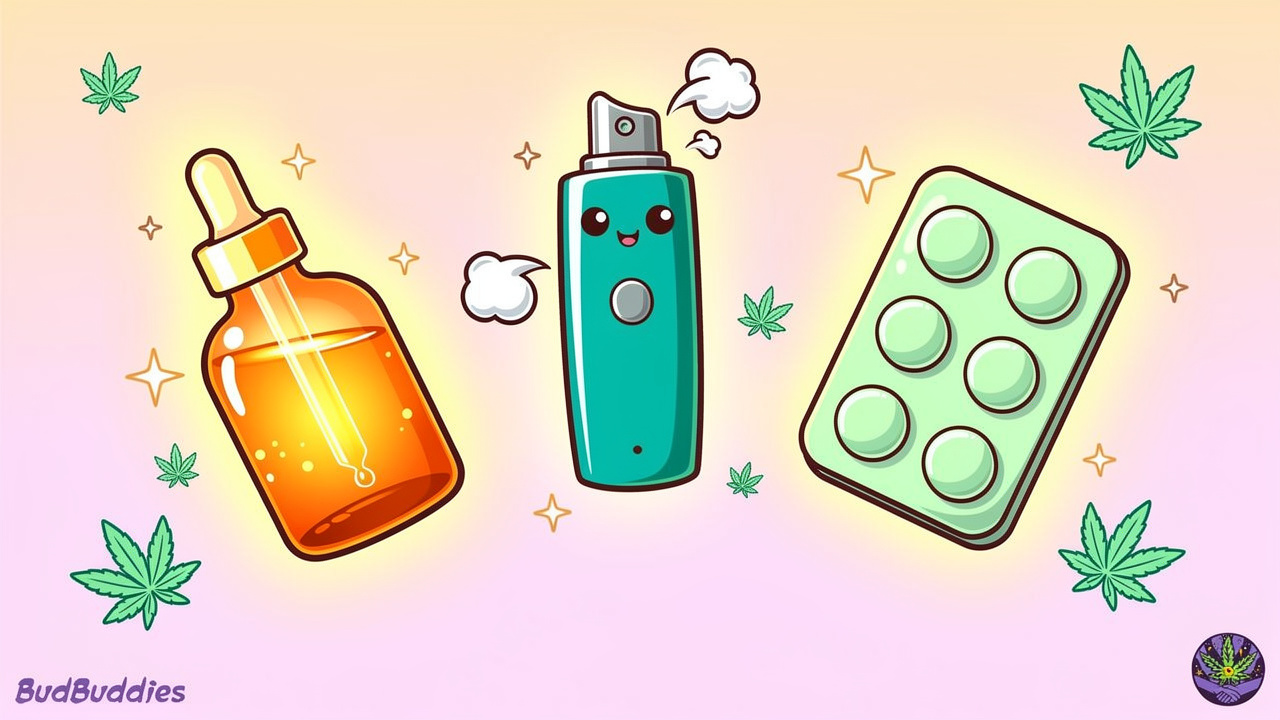
Prescribed THC for UK students usually appears in a small handful of formats, each with its own timing and feel. The main options are oral oils, flowers designed for vapour, and sometimes capsules or sprays. For a prescribed THC student in the UK, understanding how each method behaves helps with planning study, sleep, and social time.
Specialists in clinics across cities like Manchester, Leeds, and Glasgow often explain these choices during an initial appointment. Research summarised by Health Education England notes that inhaled THC comes on quickly and fades more quickly, while swallowed THC builds slowly but tends to last longer. That difference matters if you have seminars, labs, or long commutes.
Common formats look like this in practice.
Oral oils and capsules are used by many patients who want steady coverage over several hours. Drops placed under the tongue or swallowed capsules usually take 30–90 minutes to reach full effect, then often last four to six hours. Students who struggle with all-day pain or anxiety sometimes prefer this slow, steady pattern, especially when they plan doses around lectures or shifts.
Dried flower for vaporising suits people who need quicker relief, for example during spikes of pain or sudden anxiety. Vapour usually takes effect within minutes and tends to settle after two to four hours. Clinicians from centres such as King’s College London often remind patients that inhaled THC reaches higher peaks in the bloodstream, so modest dosing is even more important here. Vaporising avoids the extra health load that comes with smoking.
Sprays and other specialist products appear less often but still have a place. Some NHS services use standardised THC:CBD sprays for conditions such as complex neurological disease. Timings sit somewhere between oils and vapes, with doses split across the day. These preparations are tightly specified and reviewed regularly by hospital teams.
BudBuddies mirrors these patterns through its own range. On BudBuddies.cc you will find lab-tested THC vapes, flowers, and edibles, all with clear cannabinoid and terpene profiles. That means the real-world experience of a prescribed format often feels familiar when you look at equivalent BudBuddies products, just without the clinic visit. Always check that what you are ordering is legal where you live.
Why Dosing Information Matters More Than Format
Dosing shapes your experience with THC far more than the gadget or bottle you choose. A small amount at the right time can soften pain or anxiety; too much, too quickly can leave you uncomfortable, spaced out, or anxious. Clinics that work with students often repeat the same simple line: start low, go slow, and keep notes.
A common saying among medical cannabis clinicians is: “Start low, go slow, and keep notes.” That advice helps people reduce side effects and spot what genuinely works for them.
For most new THC users, many doctors and educators suggest beginning around 5–10 mg of THC, then waiting at least two hours before deciding whether more is needed, especially with edibles. People with a personal or family history of psychosis, bipolar disorder, or severe anxiety are often advised to avoid high-THC products or to focus on CBD-led options instead.
Research from The Lancet Psychiatry links heavy, frequent use of high-THC products to higher rates of psychotic experiences, which is why careful titration matters. On each BudBuddies product page, you will see clear milligram counts, suggested starting amounts, and plain-English explanations, so you are not guessing.
BudBuddies also offers beginner-friendly guides that walk through timing, spacing doses, and planning THC around study time. That level of clarity helps many adults feel more confident experimenting within safe limits, even if they never plan to speak to a private clinic. Always follow medical advice from your own doctor or prescribing team first.
What Are The Practical Considerations For Students Using Prescribed THC?
Practical details matter a lot when THC becomes part of daily life. For a prescribed THC student in the UK, questions usually centre on concentration, side effects, storage, privacy, and how to keep things neat in shared spaces. A good prescribing team, whether at a hospital or a private clinic, will walk through these points during reviews.
THC can affect focus, memory, and reaction speed for a few hours, particularly in higher doses or for people who are sensitive. Reviews of human studies summarised by NHS Digital note that frequent heavy use links with lower scores on attention and memory tests. For students, the takeaway is straightforward: schedule THC for times when deep study, exams, lab work, or driving are not on the agenda. Many people keep THC use to evenings or specific quiet blocks on days without key deadlines.
Beyond timing, there are a few practical areas worth planning.
Study and routine benefit from consistency. Keeping a simple dosing journal helps you spot patterns between dose sizes, timing, and how you feel in lectures or tutorials. Students at universities such as the University of Sheffield report that this kind of record also makes clinical reviews smoother, because doctors can see exactly what you used and how you responded.
Life in shared accommodation adds another layer. Many students live in halls or flat-shares where privacy is limited and storage space is shared. Keeping prescribed oils, vapes, or flowers clearly labelled, out of reach of visitors, and away from shared kitchen areas reduces awkward conversations. BudBuddies THC products arrive in discreet Mylar bags inside plain boxes, with no external branding, so parcels do not draw attention in busy mailrooms.
Budget and consistency matter over months, not just the first order. Private prescriptions, repeat appointments, and pharmacy fees can add up quickly for students. That is one reason some adults build a mixed plan where prescribed THC handles specific needs, while non-prescription options from BudBuddies fill smaller gaps. The BudPoints cashback scheme and bundle offers on BudBuddies.cc help regular customers stretch their budget while staying with one trusted source.
Tip: Use the same notebook or app for both your study timetable and THC notes. Over a few weeks, patterns in sleep, focus, and mood become easier to spot and discuss with clinicians or support staff.
If you already hold a prescription, keeping your medicine in original packaging with the dispensing label preserved also helps future clinicians, pharmacists, or student health teams understand exactly what you are taking. For many people, sharing that information with university wellbeing services leads to better support plans around exams, attendance, or extensions. When THC is used thoughtfully and within medical advice, it can sit alongside everyday student life rather than constantly disrupting it.
Remember as well that universities and local authorities have their own rules on controlled substances. Even with a prescription, it is wise to check accommodation policies and discuss any concerns with student services before problems arise.
The Bottom Line

Prescribed THC for students in the UK exists, but access usually comes through private clinics rather than routine GP appointments. Doctors look closely at diagnosis, previous treatments, and day-to-day impact before adding THC to a care plan, especially for conditions such as anxiety, ADHD, PTSD, chronic pain, and stubborn sleep problems. A prescribed THC student in the UK still needs patience, paperwork, and regular reviews.
Alongside that clinical path, BudBuddies gives adults a clear, straightforward way to explore THC without a prescription. Lab-tested flowers, vapes, and edibles come with full cannabinoid profiles, dosage guidance, and quiet, trackable delivery across the UK. If you want to understand how different THC formats feel, compare strengths, and build a routine that respects both your mind and your timetable, BudBuddies.cc is designed to make that process calm, discreet, and genuinely informative.
This article is a starting point, not a replacement for professional advice. Always follow guidance from your GP, specialist, or pharmacist, and stay within the law wherever you study.
Frequently Asked Questions
Question: Can a GP refer a student for prescribed THC in the UK?
GPs rarely manage THC-based treatments on their own, but they can share your history and concerns with specialist services. Many students choose to contact a regulated private medical cannabis clinic directly, then ask their GP to provide records or letters that explain past diagnoses and treatments.
Question: Is CBD different from prescribed THC, and do I need a prescription for CBD?
CBD differs from THC because it does not produce a noticeable “high” at usual doses. CBD oils, teas, and gummies are sold as wellness products and do not require a prescription. BudBuddies offers CBD oils, hemp tea, and CBD flower with clear lab reports, so you can compare CBD and THC experiences side by side and decide what feels appropriate for you.
Question: How much does a private medical cannabis prescription cost in the UK?
Many private clinics now advertise entry-level medical cannabis prescription packages around £150 per month, although exact costs vary between providers and conditions. For some students, non-prescription THC products from BudBuddies.cc, combined with the BudPoints cashback scheme, feel more manageable while they decide whether to pursue a full medical consultation.
Question: Can students use prescribed THC in university accommodation?
Usage in university accommodation depends on each institution’s policies and your specific situation. Students who take THC-based medicines regularly often find it helpful to speak with university health or welfare teams, so that support plans, communication with tutors, and any room-related questions are handled calmly and in advance. Always keep your prescription details and packaging to hand in case staff need to see them.
Question: Does BudBuddies require a prescription to order THC products?
BudBuddies does not ask for a prescription when you buy selected THC products such as vapes, edibles, and many flowers. Every product page includes third-party lab results, cannabinoid profiles, and dosage guidance, and all orders ship in discreet, unbranded packaging. Laws and regulations can change, so you should only order products that are legal where you live. You can explore the full range safely and privately at BudBuddies.cc.

