


Street Weed vs Medical Cannabis: What You Should Know
Introduction
The real question in the street weed vs medical cannabis debate is simple: do you actually know what you are putting in your body?
Both options come from the same plant, yet what happens between grow room and grinder is completely different. That gap is where purity, strength, and your overall experience can change dramatically.
Street bags might look fine, but you have no data. Medical-style, lab-tested products give you numbers instead of guesses, which starts to matter a lot once cannabis becomes part of your routine.
According to the World Health Organization, around 147 million people use cannabis each year, a figure supported by recent Prevalence of Cannabis Use research tracking global patterns from 2000 to 2024. So this is not a niche topic. In this guide, you will see in plain language how street weed and properly tested cannabis differ, and how BudBuddies fits into that picture.
Public health advice from organisations such as the NHS stresses that the only way to remove all risk from cannabis is not to use it at all — and that, if you do use it, knowing what you are taking is a key part of staying safer.
By the end, you will be able to look at any bag or product page and ask better questions. Ready to upgrade from guesswork to informed choices?
What’s Actually Inside Street Weed?
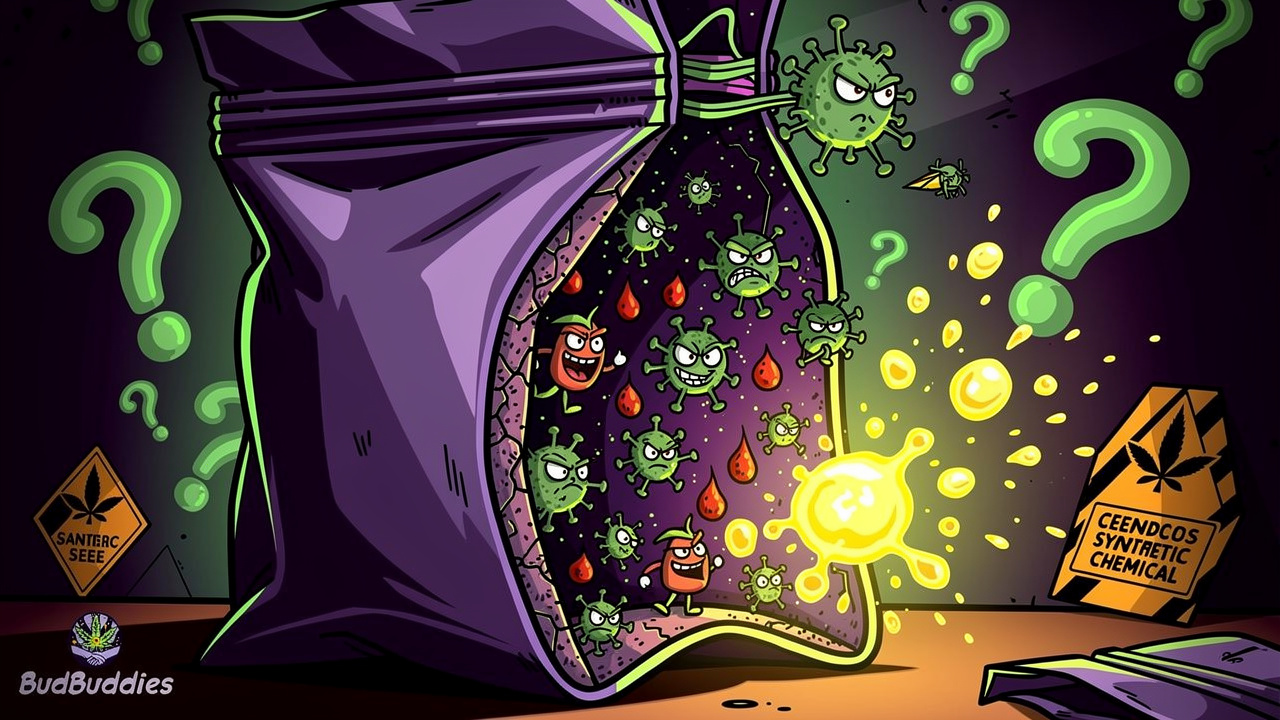
When you look closely at what is actually inside street weed, the main problem is uncertainty. You rarely know the strain, the strength, or what has been added along the way. That uncertainty sits at the heart of the street weed vs medical cannabis difference.
Street cannabis sits in an unregulated corner of the market, and the Cannabis Use Disorder – clinical reference from NCBI highlights how unknown potency and contaminants in illicit sources contribute to harmful use patterns. There is no batch number, no lab report, and no meaningful label. A familiar strain name might be written on the bag, but without testing that name has no solid link to reality.
Researchers at the European Monitoring Centre for Drugs and Drug Addiction have shown that average THC levels in European herb have climbed over recent years, a trend also documented in A 10-year trend in cannabis potency data from the United States between 2013 and 2022. On the street, you do not know whether you are holding something gentle or something far stronger than your last purchase. For new or anxious users, that guesswork alone can ruin the experience.
Then there is the unseen part. Street growers have every reason to focus on yield and speed, and almost none to focus on cleanliness. You cannot see pesticide residue with the naked eye. You cannot smell heavy metals in the soil. Synthetic cannabinoids used to stretch weak batches are invisible once sprayed and dried.
Common hidden extras in street weed include:
Pesticides and plant growth regulators that were never meant for inhalation. These chemicals can stay on the flower after harvest. Over time, repeated exposure can build up in your body, even if a single joint does not feel any different on the day.
Mould and bacteria from poor drying or damp storage. You might notice a musty smell, but many spores are too subtle to spot. For anyone with asthma or a sensitive chest, this can turn a relaxed evening into days of coughing and tight breathing.
Synthetic cannabinoids used to fake strength or revive old stock. These lab-made chemicals can be far more aggressive than THC. Reports collected by Public Health England link them to sudden confusion, heart problems, and severe agitation that feels nothing like natural cannabis.
You also have no easy way to trace where a bad reaction came from. If one bag makes you feel awful, the next bag with the same name could be totally different again. That lack of accountability is exactly what people move away from when they start looking at medical-style options and consistent brands such as BudBuddies.
Why Contamination Matters More Than Most People Realise
Contamination in street weed matters because the effects are often slow and subtle. A harsh hit or a strange taste might pass in minutes, while the residue that caused it quietly stays in your system. That is why many people shrug off worrying batches and carry on.
Synthetic cannabinoids are a good example. Natural THC has a long research history, but these newer chemicals do not. Case reports shared through NHS services describe people arriving in hospital disoriented, panicked, or even unconscious after using products laced with them. The users thought they were having a normal smoke.
Then think about mould and bacteria. If you already have allergies or a breathing condition, you may simply blame yourself when symptoms flare. Yet every repeat purchase from an unknown source increases that background exposure. Over months and years, that extra irritation adds up, even if no single joint stands out as the cause.
Research into drug use disorders in young adults from the 2021 Global Burden of Disease study underscores that the burden of illicit cannabis use falls disproportionately on vulnerable groups, and people at higher risk from contamination often include:
Anyone with asthma or other breathing problems
People with weakened immune systems
Those with existing heart concerns
Anyone prone to anxiety or panic
As many harm-reduction workers put it, the real issue is not just what you feel tonight, but what your body is dealing with again and again in the background.
So contamination is not only about the dramatic worst case. It is about low-level stress on your body that never needed to be there. Clean, lab-tested products remove much of that guessing game and make it easier to connect how you feel with what you actually consumed.
How Lab-Tested Cannabis Changes Everything
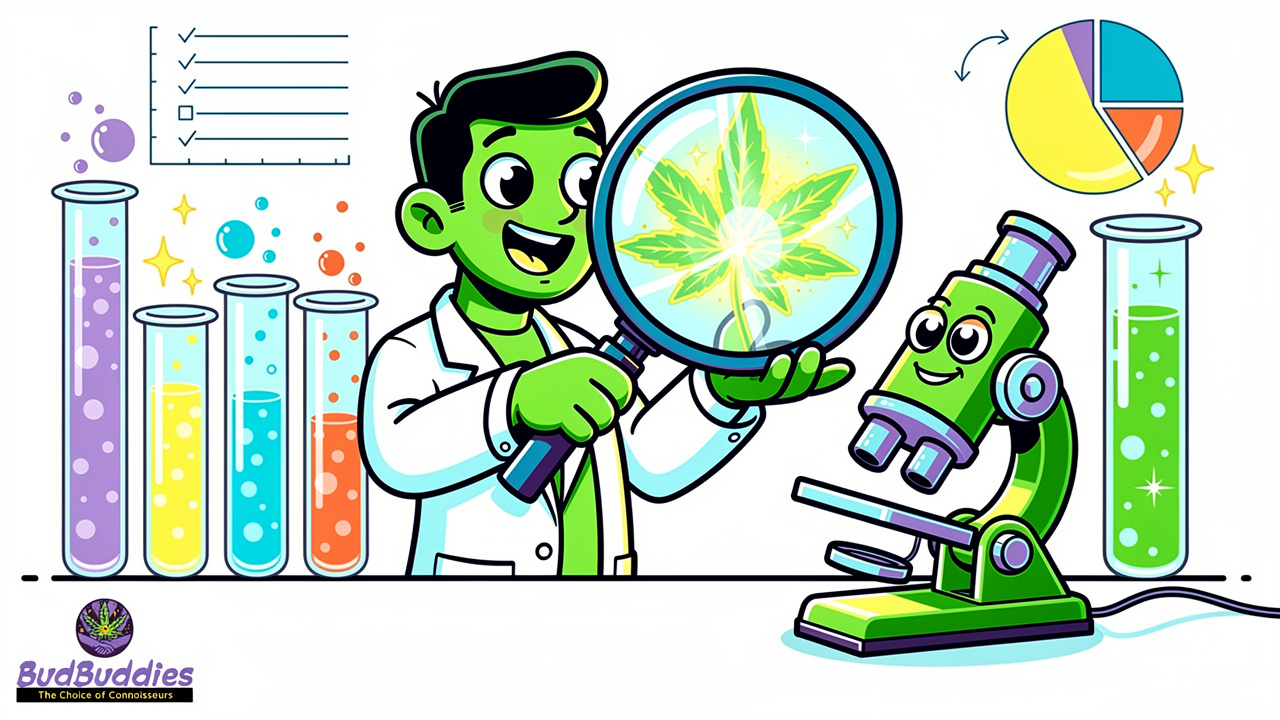
Lab-tested cannabis changes the street weed vs medical cannabis comparison by turning mystery into measurement. Instead of trusting a name or a friend of a friend, you see hard numbers. That means you can choose based on facts, not folk stories.
A proper lab test often uses methods such as high-performance liquid chromatography to measure cannabinoids and screen for contaminants. Each batch is checked before it goes anywhere near a shelf. You see THC percentage, CBD percentage, and often minor cannabinoids such as CBG listed clearly.
According to monitoring from EMCDDA, the average strength of European cannabis products has roughly doubled over the past couple of decades, consistent with the Frontiers | A 10-year analysis of potency trends across different US regions from 2013 to 2022. Without lab reports, you only feel that change when it hits you unexpectedly. With tested products, you can step up or down in strength with your eyes open.
Here is what that means for you in practical terms:
You know what is in the bag rather than guessing. A product that lists 18% THC and 1% CBD gives you a clear idea of the ride ahead. You can compare that to another option at 10% THC and pick calmly instead of rolling the dice.
You get consistency from one order to the next. When a batch is tested, producers can match future harvests against the same standard. If you liked how a certain flower from BudBuddies felt last month, you can reorder with confidence that the next pouch will behave in a similar way.
You lower avoidable risk without losing enjoyment. Screening for mould, pesticides, heavy metals, and solvent residue removes many of the nastier surprises. That means you can focus on flavour, effect, and setting, instead of worrying whether a strange taste means trouble.
For many experienced consumers, that shift to transparency feels like moving from guessing the alcohol content of a home brew to checking the label on a bottle from a trusted brewery. The plant is familiar. The difference is how clearly it is described.
A simple harm-reduction rule sums this up well: “If you choose to use THC products, start low and go slow.” That advice only works if you know the numbers in the first place.
What a Certificate Of Analysis Actually Tells You
A Certificate of Analysis, often shortened to CoA, is the document that proves the testing happened. It is usually produced by an independent laboratory and linked to a specific batch number, not just a strain name. Reading one gives you a snapshot of what you are really buying.
A typical CoA covers:
Cannabinoid potency – THC, CBD, and sometimes other cannabinoids listed as percentages or milligrams per gram
Safety data – confirmation that levels of pesticides, heavy metals, and microbes sit below strict thresholds
Terpene profile (in many cases) – showing which aromatic compounds are present and in what amounts
Those terpene details help explain why one strain feels citrusy and lively while another feels earthy and soothing, and observed data from Table 1 Observed CBD and minor cannabinoid studies confirms how much variation exists across tested batches. They do not just affect how cannabis smells; they work alongside cannabinoids to shape how the experience feels.
BudBuddies goes a step further with double verification, where two separate tests confirm each strain before it reaches the website. Every flower, edible, and THC vape on BudBuddies.cc is listed with clear potency information and flavour notes. That means when you browse, you are not just looking at pretty names. You are looking at evidence.
THC Levels, CBD Balance, and Why The Ratio Matters
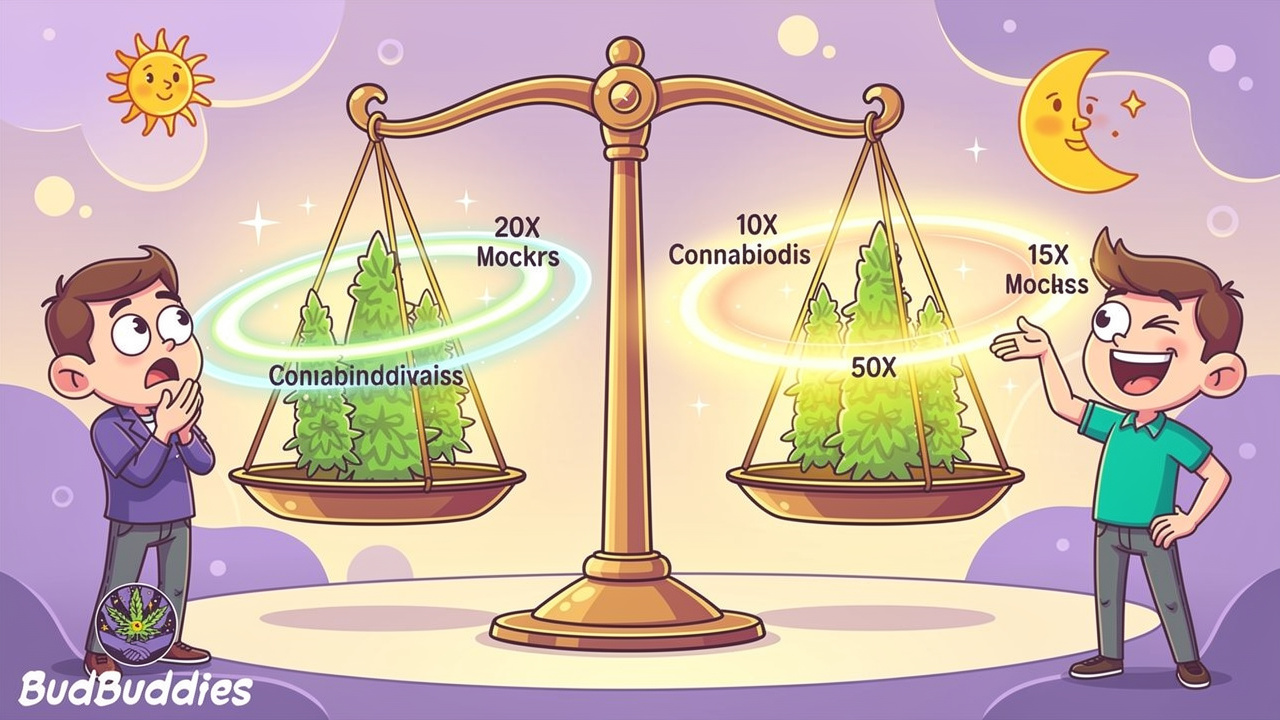
THC levels, CBD balance, and their ratio sit at the centre of the street weed vs medical cannabis conversation. They shape how you feel in the moment and how you feel the next day. Knowing the numbers lets you pick experiences rather than surprises.
THC is the main driver of the classic high. CBD does not cause a high on its own, yet it can soften some of THC’s sharper edges. Street cannabis has been bred for years with one aim in mind: more THC, and surveys on Medicinal use of non-prescribed cannabis in the Netherlands show that users of illicit sources often have no idea of the THC-to-CBD ratio in what they are consuming. CBD content is often close to zero, even when marketing language suggests balance.
Research from Lancet Psychiatry, led by teams at King’s College London and University College London, found that daily use of high‑potency cannabis was linked with around a fivefold increase in risk of psychotic disorder compared with never users. That does not mean everyone who uses strong weed will develop problems, and research into Understanding motives for illicit medicinal cannabis use shows that many people turn to unregulated sources precisely because they feel they lack better options. It does show why constant exposure to very high THC with little or no CBD deserves respect.
Medical-style products, and quality-focused suppliers, treat the THC to CBD ratio as a key decision, not an accident. That is where you gain control. You can match the numbers to your plans instead of hoping a random bag will suit your mood.
Here is how thinking in ratios can help:
For clear-headed daytime use, you might look for lower THC with higher CBD. This combination often feels calmer and less intrusive. It can be a better fit when you want to stay social, focused, or productive without heavy sedation.
For deep evening relaxation, you may prefer moderate THC with a gentle amount of CBD. Many BudBuddies indica-leaning strains sit in this middle ground. They offer body comfort and a warm mood lift, while CBD keeps the experience smooth instead of edgy.
For experienced users who enjoy stronger effects, a high-THC option can still make sense. The difference is that with tested products you know exactly how strong it is before you load your vape. You can then start low, see how it lands, and build from a place of awareness.
Other factors still matter — your tolerance, what you have eaten, and your setting all play a part — but once you get used to reading ratios, strain names start to matter less than the actual data.
That simple shift in thinking is one of the biggest upgrades you gain when you move away from street guessing and toward consistent, quality-focused sources.
Where BudBuddies Fits Into This

BudBuddies sits firmly on the medical-style, lab-tested side of the street weed vs medical cannabis divide. The whole setup is built for people who care about flavour, strength, and privacy as much as the buzz itself. You get the reassuring parts of clinical-style products with the enjoyment of a modern cannabis range.
Instead of a cluttered wall of random strains, BudBuddies curates a focused menu — a direct response to findings that Barriers to accessing medical cannabis persist even among certified patients, leaving many to seek reliable quality through other channels. There is AAAA+ flower across indica, sativa, and hybrid lines, with familiar names such as Gelato and Amnesia Haze. Each one is slow-cured for smoothness, then double-tested so the THC, CBD, and terpene profiles on the product page match what lands in your grinder.
If you prefer not to smoke, BudBuddies offers:
Precisely dosed edibles – gummies and baked options with clear milligram amounts per piece, making it easier to start small and build
THC vapes – cartridges and disposables that show THC strength per unit, so you can choose lighter or stronger formats instead of relying on dramatic flavour names
CBD flower and oils – for those who want calmer effects, daytime options, or a way to balance out THC use
The experience does not stop at the products themselves. Orders are vacuum-sealed, scent-proof, and packed in plain outer packaging so nothing draws attention at the door. Deliveries across the UK and Northern Ireland are fully tracked, often arriving the next working day. Payments are straightforward, with options such as bank transfer and Bitcoin, and regular customers can benefit from BudCash rewards and cryptocurrency discounts.
Most importantly, every listing on BudBuddies.cc reads like a mini guide. You see cannabinoid percentages, terpene highlights, expected effects, and real customer reviews. That combination of detail and discretion is what many people hope for when they first start looking beyond their usual street contact. Here, it is simply the standard way of doing things.
The Bottom Line

The real difference between street weed and properly sourced, medical-style cannabis is not the plant. It is how much you know about what you are actually using.
On one side, you have:
Unknown strength
Hidden contaminants
Wild swings between batches
On the other, you have:
Clear lab reports
Consistent potency
Transparent descriptions and reviews
If you value steady effects, cleaner smoke or vapour, and parcels that arrive quietly at your door, street guessing quickly loses its appeal. BudBuddies offers a straightforward way to move into that more informed space.
Browse the flower, edibles, and vapes on BudBuddies.cc, compare the numbers, and choose the experience that fits you — not the other way around.
Frequently Asked Questions
Question: Is Street Weed Stronger Than Lab-Tested Cannabis?
Answer: Street weed is not automatically stronger than lab-tested cannabis. Some bags are very potent, others are surprisingly weak, and you have no figures to compare. With tested products from places like BudBuddies, the THC percentage is confirmed for every batch, so you can see at a glance how strong it really is.
Question: What Is A Terpene And Why Does It Matter?
Answer: Terpenes are the aromatic compounds in cannabis that shape flavour and feel. They explain why one strain smells citrusy and uplifting while another smells earthy and heavy. Terpenes work alongside cannabinoids to influence your mood and body, and BudBuddies lists terpene profiles on every product page so you can choose more precisely.
Question: Can You Tell If Weed Has Been Contaminated Just By Looking At It?
Answer: In most cases you cannot reliably spot contamination by eye. Pesticide residue, synthetic cannabinoids, and many microbes are invisible and have no obvious smell. Mould sometimes shows as white or grey fuzz, but not always. Lab testing is the only dependable way to confirm that a batch is clean before you use it.
Question: What Makes One Cannabis Strain Different From Another?
Answer: Each strain has its own mix of cannabinoids, terpenes, and minor compounds, plus differences in how it was grown and cured. That mix affects taste, strength, and whether the effect feels energising or sleepy. BudBuddies lists strain type, potency, and flavour notes for every product, so you can match the strain to the experience you want.

