


THC Driving Laws in Ireland: Know the Facts
Introduction
Cannabis users heading to Ireland need to understand one crucial fact: the country operates under some of the strictest thc driving laws ireland in Europe. The Road Traffic Act 2016 introduced a zero-tolerance policy that makes it illegal to drive with any detectable amount of cannabis in your system, regardless of whether you feel impaired or not. This approach differs significantly from other jurisdictions that focus on impairment levels rather than simple presence of the substance. For more information on the legal aspects of cannabis, you can refer to our article on UK cannabis legislation.
The Irish police force, An Garda Síochána, now has the authority to conduct roadside drug testing using sophisticated oral fluid tests. These tests can detect THC consumption that occurred hours or even days earlier, creating a challenging environment for both recreational and medicinal cannabis users. The consequences of testing positive extend far beyond a simple fine, with potential drug driving penalties ireland including:
- Substantial fines up to €5,000
- Possible imprisonment
- Mandatory driving disqualification for at least one year
For cannabis enthusiasts who travel between the UK and Ireland, understanding these regulations becomes essential for avoiding severe legal consequences. The detection windows for THC vary significantly based on consumption patterns, individual metabolism, and the potency of cannabis products used. Whether you’re using cannabis recreationally or for medical purposes, Ireland’s current legislation makes no distinction between different types of users when it comes to drug driving offences.
This comprehensive guide examines Ireland’s THC driving laws, testing procedures, penalties, and practical considerations for anyone who might be affected by these stringent regulations. By understanding the current legal framework, you can make informed decisions about cannabis consumption and travel plans.
Understanding Ireland’s Zero-Tolerance Approach
Ireland’s approach to cannabis and driving represents one of the most stringent policies in Europe. Unlike countries such as the Netherlands or certain US states that establish specific THC blood concentration limits, Irish law criminalises any detectable presence of cannabis while operating a vehicle. This zero-tolerance policy means that even trace amounts of THC can result in prosecution, regardless of when consumption actually occurred.
The Road Traffic Act 2016 fundamentally changed how drug driving offences are prosecuted in Ireland. Before this legislation, proving drug impairment required complex evidence about a driver’s behaviour and capabilities. Now, the simple presence of THC in oral fluid or blood samples provides sufficient grounds for conviction. This legislative shift has made enforcement significantly easier for authorities while creating additional challenges for cannabis users who drive.
What makes Ireland’s marijuana driving laws ireland particularly challenging is the disconnect between THC detection and actual impairment. Cannabis compounds can remain detectable in the body long after the psychoactive effects have completely worn off. While alcohol typically clears from the bloodstream within hours and shows a more direct correlation with impairment, THC metabolites can persist for days or weeks, especially in regular users.
Why does Ireland maintain such a strict position on cannabis detection time driving matters?
Authorities justify this approach by citing road safety concerns and the current lack of scientifically validated impairment thresholds for THC. Unlike alcohol, where blood alcohol concentration directly correlates with impairment levels, establishing similar standards for cannabis presents significant scientific challenges. The Irish government argues that any presence of THC indicates recent use that could affect driving abilities, even if impairment isn’t immediately apparent. To understand more about the effects of THC, you can read our guide on does THC get you high.
“The zero-tolerance approach in Ireland reflects a precautionary principle, but it may not align with the scientific evidence about cannabis impairment,” – Dr. Arno Hazekamp, cannabis researcher at Leiden University.
Critics of these drug driving legislation ireland policies argue that they potentially criminalise safe drivers who consumed cannabis days earlier. Medical cannabis patients face particular difficulties, as they may need to choose between their prescribed treatment and legal driving. For more information on obtaining a prescription, refer to our article on prescription cannabis UK. The current system doesn’t differentiate between someone who smoked cannabis an hour before driving and someone who consumed it three days earlier.
Roadside Testing and Detection Methods
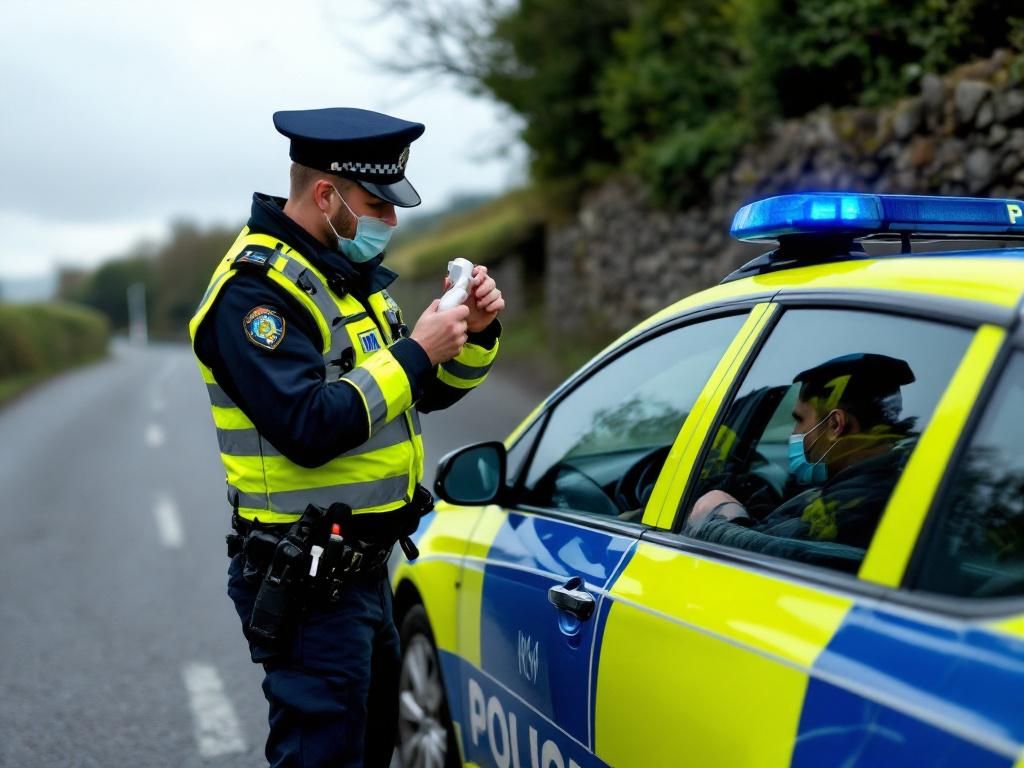
When you’re stopped by the An Garda Síochána on suspicion of drug driving, understanding the roadside drug testing ireland procedures becomes crucial. Ireland’s roadside drug testing procedures rely primarily on the Drager DrugTest 5000, an oral fluid testing device that has been used nationwide since 2017. This technology allows officers to quickly screen for multiple substances, including THC, without requiring a blood sample at the roadside.
The oral fluid test works by collecting a small saliva sample, typically using a collection pad that you’ll be asked to place under your tongue. The device then analyses this sample for the presence of various drugs, including cannabis. These drug driving test ireland procedures can detect THC typically within 6-12 hours after consumption, though this detection window varies significantly based on several factors including:
- Frequency of use
- Individual metabolism
- Potency of cannabis consumed
Officers don’t need a warrant or specific probable cause to administer these tests. They can request testing based on observations such as bloodshot eyes, the smell of cannabis, erratic driving behaviour, or simply during routine traffic stops. The process usually takes about 8-10 minutes to complete, and a positive result will immediately trigger your arrest and transportation to a Garda station for confirmatory testing.
How accurate are these roadside screening devices?
While the Drager DrugTest 5000 is designed to be reliable, like all testing equipment, it can produce both false positives and false negatives. Environmental factors, certain medications, and even some foods might potentially interfere with results. However, positive roadside tests are always followed by more comprehensive blood testing at a Garda station, conducted by qualified medical personnel.
“Oral fluid testing represents a significant advancement in roadside drug detection, but users must understand that detection doesn’t equal impairment,” – Dr. Michelle Peace, forensic toxicologist at Virginia Commonwealth University.
The blood test represents the definitive evidence used in court proceedings. These samples are sent to the Medical Bureau of Road Safety for laboratory analysis, which can detect THC and its metabolites with much greater sensitivity than oral fluid tests. Blood tests can identify cannabis use that occurred days or even weeks earlier, particularly in regular users. This extended detection capability makes the blood test the primary concern for anyone who uses cannabis regularly.
| Consumption Method | Oral Fluid Detection | Blood Detection |
|---|---|---|
| Smoking Cannabis | 6-12 hours | Up to 7 days |
| Cannabis Edibles | 6-12 hours | Up to 30 days |
| Regular Use | 12-24 hours | Weeks to months |
Different consumption methods affect detection times in various ways. Smoking cannabis typically results in shorter detection windows compared to consuming edibles, as THC from inhaled cannabis is processed and eliminated more quickly. However, regular users may test positive for extended periods regardless of consumption method, as THC accumulates in fatty tissues and is released slowly over time. For tips on managing consumption, consider a beginner weed tolerance break.
Legal Consequences and Penalties

The penalties for violating Ireland’s THC driving laws are severe and can profoundly impact your life beyond the immediate legal consequences. Under the current drug driving penalties ireland framework, conviction is largely automatic once proper testing procedures have been followed and THC presence is confirmed. Irish courts have very limited discretion in these cases, as the law focuses on detection rather than impairment.
First-time offenders face:
- Fines up to €5,000
- Potential imprisonment for up to six months
- Mandatory driving disqualification for minimum one year
These penalties increase significantly for repeat offenders, with longer prison sentences and extended driving bans becoming standard. The court system treats these offences seriously, and suspended sentences are not guaranteed even for first-time violations.
Beyond immediate legal penalties, a drug driving conviction creates lasting consequences that extend far beyond the courtroom. Secondary consequences include:
- Dramatically increased insurance premiums
- Potential employment difficulties
- International travel complications
- Professional license implications
Insurance companies typically classify convicted drivers as high-risk, resulting in dramatically increased premiums when driving privileges are eventually restored. Some insurers may refuse coverage entirely, forcing you to seek specialist high-risk insurance policies at premium rates.
What happens to your employment prospects after a conviction?
Employment implications can be substantial, particularly for jobs requiring driving or security clearances. Many employers conduct criminal background checks, and a drug driving conviction may disqualify you from positions in transportation, healthcare, education, or finance. Professional licenses in certain fields may also be affected, potentially impacting long-term career prospects.
“The current Irish approach to drug driving creates a legal minefield for cannabis users, as the law criminalises presence rather than impairment,” – Professor David Nutt, former UK government drug advisor.
International travel can become complicated following a drug driving conviction. Some countries, including the United States and Canada, have strict entry requirements for individuals with drug-related convictions. While a drug driving offence might not automatically bar entry, it could lead to additional scrutiny, delays, or denial of entry in certain circumstances.
The absence of a medical defence in Irish law creates particular challenges for medicinal cannabis users. Unlike some other jurisdictions that provide statutory medical defences for prescribed cannabis patients, Ireland currently offers no such protection. This means that even patients using cannabis under medical supervision face identical penalties to recreational users if caught driving with detectable THC levels.
The burden of proof in these cases falls on the prosecution to demonstrate that testing was conducted properly and that chain of custody procedures were followed. However, once these procedural requirements are met, conviction becomes highly likely regardless of arguments about impairment or medical necessity.
Conclusion
Ireland’s zero-tolerance approach to THC and driving represents one of the most stringent cannabis driving laws ireland globally. The current legislation creates significant risks for cannabis users who drive, as detection can occur long after consumption and any impairing effects have completely subsided. This policy differs markedly from other jurisdictions that focus on actual impairment rather than simple presence of cannabis compounds.
The extended detection windows for THC, combined with the sensitivity of modern testing methods, mean that even occasional cannabis users face substantial legal risks when driving in Ireland. Regular users may find themselves unable to drive legally for weeks after their last consumption, particularly given the unpredictable nature of individual metabolism and elimination rates.
For anyone who uses cannabis products and plans to drive in Ireland, complete abstention well before any planned driving represents the only reliable strategy for avoiding legal complications. Understanding the detection capabilities of both oral fluid and blood testing methods is essential for making informed decisions about consumption timing and travel plans.
As cannabis legislation continues to evolve across Europe and scientific understanding of cannabis impairment advances, Ireland may eventually reconsider its current approach. Some advocates argue for evidence-based policies that focus on actual driving impairment rather than simple presence of THC. However, until legislative changes occur, awareness of the current zero-tolerance policy remains essential for all cannabis users who might drive on Irish roads.
The consequences of underestimating these laws extend far beyond immediate legal penalties, potentially affecting insurance, employment, and travel opportunities for years to come. Staying informed about these regulations and planning accordingly represents the most practical approach for cannabis users who need to navigate Ireland’s strict driving laws.
Key Takeaways
Ireland maintains a zero-tolerance policy for THC and driving, making any detectable amount of cannabis an offence regardless of impairment levels. The Road Traffic Act 2016 empowers Gardaí to conduct roadside oral fluid tests that can detect THC for 6-12 hours after consumption, followed by more sensitive blood tests if positive results occur. These blood tests can identify cannabis use days or weeks after consumption, particularly in regular users.
Penalties for violations include:
- Fines up to €5,000
- Potential imprisonment up to six months
- Mandatory driving disqualification for at least one year
The law makes no distinction between recreational and medicinal cannabis use, leaving medical patients subject to identical penalties. Secondary consequences include dramatically increased insurance premiums, potential employment difficulties, and possible international travel complications.
Detection timeframes vary significantly based on consumption frequency, individual metabolism, and cannabis potency. The current legal framework focuses on THC presence rather than actual impairment, creating challenges for users who may no longer feel any effects but still test positive. Understanding these extended detection windows is crucial for anyone planning to drive in Ireland after cannabis consumption.
FAQs
How long should you wait after using cannabis before driving in Ireland?
There is no definitive safe waiting period because THC detection times vary dramatically between individuals and consumption patterns. Oral fluid tests can detect THC for 6-12 hours in most users, while blood tests may show positive results for days or weeks, especially in regular consumers. Factors such as body weight, metabolism, frequency of use, and cannabis potency all influence detection windows. The only reliable approach is complete abstention for extended periods before driving, though even this doesn’t guarantee negative test results for regular users. For more insights on this, you can explore our guide on weed reset.
Is there an exception for medical cannabis patients in Ireland?
Currently, Ireland provides no statutory medical defence or exception for prescribed cannabis patients regarding drug driving laws. Even if you’re using cannabis under medical supervision for legitimate therapeutic purposes, you face identical penalties to recreational users if caught driving with detectable THC levels. This policy contrasts with some other jurisdictions that offer medical defences for properly prescribed cannabis use. Medical patients must choose between their prescribed treatment and legal driving under current Irish legislation.
How accurate are the roadside drug tests used in Ireland?
The Drager DrugTest 5000 devices used for roadside screening are designed to be reliable, but they can occasionally produce false positives or negatives due to environmental factors, certain medications, or individual physiological variations. However, positive roadside tests are always followed by confirmatory blood testing at Garda stations, conducted by qualified medical personnel. These blood tests are highly accurate and form the primary evidence used in court proceedings. The two-stage testing process helps ensure reliability while the laboratory analysis provides definitive results.
Can you refuse a roadside drug test in Ireland?
Refusing to provide a sample for roadside drug testing without reasonable medical excuse constitutes an offence under Irish law regarding driving under influence ireland. The penalties for refusal are similar to those for testing positive, including fines, potential imprisonment, and driving disqualification. Reasonable medical excuses might include conditions preventing sample collection, but these are evaluated on a case-by-case basis. Generally, cooperation with testing procedures is required, though you retain the right to legal representation during subsequent questioning and proceedings.
What should you do if stopped for drug driving in Ireland?
If stopped on suspicion of drug driving, remain calm and polite while cooperating with officers’ requests. Provide the required samples for testing as refusal itself constitutes an offence. Avoid making any statements about recent cannabis use or consumption patterns, as these can be used as evidence against you. If arrested following a positive test, exercise your right to legal representation before answering detailed questions. Contact a solicitor experienced in drug driving cases as soon as possible, as they can advise on potential defences and proper procedures that must be followed during testing and evidence collection.


