


UK Workplace Drug Testing for THC: What You Need to Know
Workplace drug testing has become as common as morning coffee in many UK companies, particularly those where safety matters most. Whether you’re someone who enjoys cannabis recreationally or uses it for medical purposes, understanding how workplace drug testing THC UK policies work can save you from unexpected complications. The rules around drug test at work UK requirements have evolved significantly, creating a complex landscape that affects millions of workers across the country.
Cannabis testing in the workplace isn’t just about catching people who might be impaired at work. These policies serve multiple purposes, from maintaining insurance requirements to ensuring compliance with industry regulations. For cannabis users, this means navigating a system where THC can remain detectable long after any effects have completely disappeared. The detection windows vary dramatically depending on the testing method used, your consumption patterns, and individual biological factors.
Understanding your rights under workplace drug policy UK guidelines is equally important. The legal framework balances employer safety obligations with employee privacy rights, creating protections that many workers don’t fully understand. Medical cannabis users, in particular, have specific protections under equality legislation that can affect how positive test results are handled.
BudBuddies recognises that cannabis users need reliable information to make informed decisions about their consumption habits. Our commitment extends beyond providing premium cannabis products to offering educational resources that help you navigate workplace policies confidently. This comprehensive guide will explore everything from detection timeframes to legal protections, ensuring you have the knowledge needed to balance your cannabis use with workplace responsibilities.
Key Takeaways
- THC remains detectable in your system far longer than the actual effects last, with detection periods varying dramatically based on testing method and usage frequency. Urine tests, the most common workplace screening method in the UK, can detect cannabis metabolites anywhere from 3 days for occasional users to over 30 days for heavy daily users. This extended detection window means that weekend cannabis use could potentially show up in a Monday morning test, even though you’re completely sober.
- Employers must follow strict guidelines when implementing drug testing policies, including having legitimate business reasons and clear written policies that employees understand. The workplace drug detection process isn’t something employers can implement arbitrarily – it requires proper procedures, employee consent, and adherence to data protection laws. Medical cannabis patients receive additional protections under the Equality Act 2010, which may require employers to make reasonable adjustments rather than automatically imposing penalties.
- Different testing methods offer varying detection capabilities, with saliva tests detecting recent use within 24-72 hours, while hair tests can reveal usage patterns over the past 90 days. Understanding these differences helps you assess your risk levels and plan accordingly. The legal landscape around cannabis drug test work policies continues evolving, making it essential to stay informed about your rights and obligations as both an employee and cannabis user.
Common Workplace Drug Testing Methods
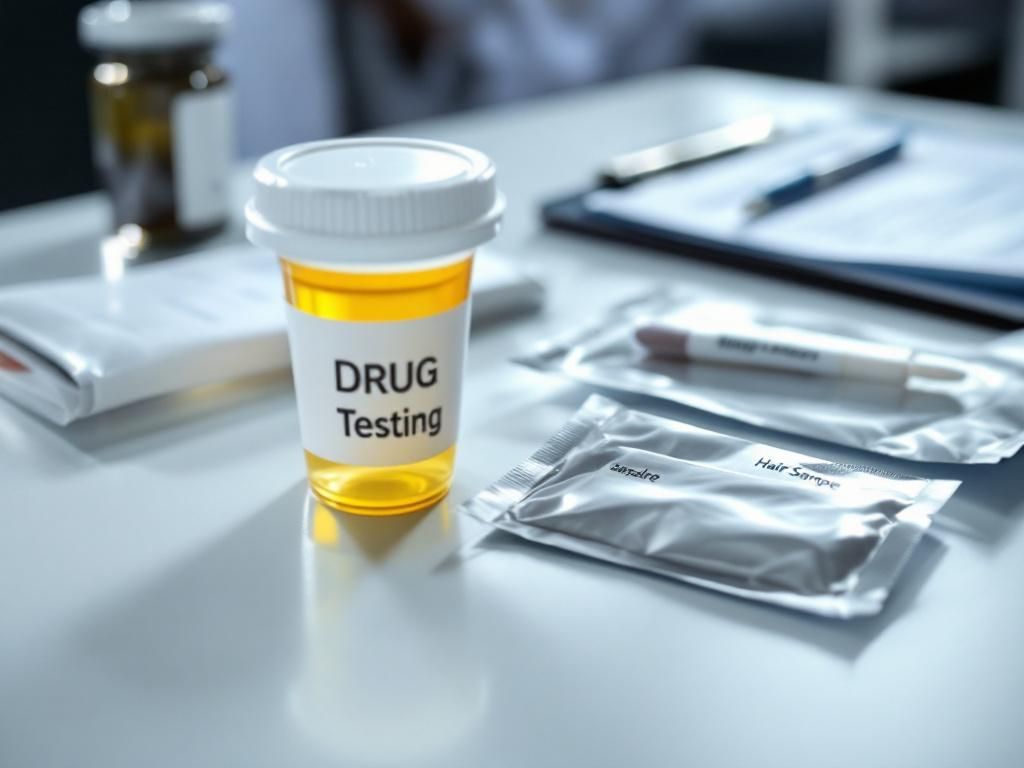
Drug testing in UK workplaces typically employs three main methods, each designed to detect different aspects of cannabis use. The choice of testing method often depends on what employers want to achieve – whether they’re screening for recent impairment or looking for longer-term usage patterns.
| Testing Method | Detection Window | What It Detects | Best For |
|---|---|---|---|
| Urine | 3-30+ days | THC-COOH metabolites | Standard workplace screening |
| Saliva | 24-72 hours | Active THC | Recent use detection |
| Hair | Up to 90 days | THC metabolites | Long-term usage patterns |
Urine testing dominates the workplace drug screening landscape because it’s cost-effective, reliable, and legally defensible. These tests don’t actually detect THC directly but instead identify THC-COOH, a metabolite that your body produces when processing cannabis. The standard screening threshold sits at 50 ng/mL, though confirmation tests typically use a lower 15 ng/mL cutoff. This means that even trace amounts of cannabis use can trigger a positive result weeks after consumption.
The detection window for urine tests varies significantly based on usage patterns. Occasional users might test positive for 3-5 days after a single session, while weekly users could show positive results for up to 10 days. Heavy daily users face the longest detection periods, sometimes exceeding 30 days depending on factors like body composition and metabolism. This extended timeframe creates challenges for cannabis users because the test can’t distinguish between recent use and consumption that occurred weeks earlier.
Saliva testing is gaining popularity among employers because it offers a more practical approach to detecting recent cannabis use. These tests identify active THC rather than metabolites, providing a detection window of 24-72 hours after consumption. This shorter timeframe makes saliva testing more suitable for determining whether someone has used cannabis recently enough to potentially affect workplace performance. The less invasive nature of saliva collection also makes it easier to administer in workplace settings.
“The choice of testing method should align with the employer’s specific safety concerns. Saliva testing is becoming increasingly popular because it provides a more accurate picture of recent use, which is what really matters for workplace safety.” – Dr. Kim Wolff, Reader in Clinical Pharmacology at King’s College London
Hair testing, while less common due to higher costs and longer processing times, provides the longest detection window of up to 90 days. A standard 1.5-inch hair sample can reveal a three-month history of cannabis use, making this method particularly valuable for pre employment drug test UK screening. However, hair tests can’t detect very recent use – cannabis metabolites need time to travel through the bloodstream and deposit in hair follicles, creating a detection delay of several days.
Each testing method has specific advantages and limitations that employers consider when developing their random drug testing workplace policies. BudBuddies understands these complexities and provides clear product information to help customers make informed decisions about their cannabis consumption timing.
When and Why Employers Conduct Drug Tests

Employers implement drug testing programmes for various reasons, each tied to specific business needs and legal obligations. Understanding these motivations helps you better navigate workplace policies and anticipate when testing might occur.
- Pre-employment screening – Standard practice in safety-critical industries
- Random testing – Ongoing deterrent using arbitrary selection
- For-cause testing – Based on reasonable suspicion of impairment
- Post-incident testing – Following workplace accidents or safety violations
- Safety-critical roles – Enhanced requirements for high-risk positions
Pre-employment screening has become standard practice in many industries, particularly those involving safety-critical roles. This initial hurdle allows employers to identify candidates who might pose risks before they join the team. The pre employment drug test UK process typically occurs after a conditional job offer, giving employers legal grounds to withdraw offers based on positive results. Industries like transportation, construction, and healthcare commonly require this screening due to regulatory requirements and insurance obligations.
Random testing serves as an ongoing deterrent, creating an environment where employees know they could face screening at any time. This approach aims to maintain drug-free workplaces by discouraging substance use among existing staff. The random selection process must be truly arbitrary to remain legally defensible, often using computer-generated selections or third-party services to ensure fairness. Some employers announce random testing programmes during orientation to set clear expectations from the start.
For-cause testing occurs when employers have reasonable suspicion that an employee might be impaired or under the influence. This could include erratic behaviour, performance issues, or involvement in workplace accidents. The key legal requirement is that suspicion must be based on observable facts rather than hunches or discriminatory assumptions. Proper documentation of the circumstances leading to testing helps protect both employers and employees from potential legal challenges.
Post-incident testing frequently follows workplace accidents or safety violations, particularly in industries where impairment could contribute to dangerous situations. This type of testing aims to determine whether substance use played a role in the incident, potentially affecting workers’ compensation claims and liability issues. The timing of post-incident testing is crucial – delays can affect accuracy and legal defensibility.
Safety-critical roles face more intensive testing requirements due to the potential consequences of impairment. Jobs involving heavy machinery, driving, or public safety often have specific regulatory requirements that mandate regular testing. These positions typically have lower tolerance for positive results and may require immediate removal from safety-sensitive duties pending investigation.
Understanding these testing scenarios helps you assess your risk levels and make informed decisions about cannabis use. BudBuddies provides discreet, premium products with clear labelling that helps customers understand potency and plan their consumption accordingly.
Legal Framework for Workplace Drug Testing in the UK

The legal landscape surrounding workplace drug testing balances employer safety obligations with employee privacy rights, creating a framework that protects both parties when properly implemented. Understanding these legal foundations helps you navigate workplace policies and know when your rights might be violated.
The Health and Safety at Work Act 1974 forms the cornerstone of employer obligations, requiring companies to ensure the health, safety, and welfare of employees and anyone else who might be affected by work activities. This legislation gives employers legal justification for implementing drug testing programmes, particularly in roles where impairment could create safety risks. However, the Act also requires that safety measures be reasonable and proportionate to the risks involved.
Data protection laws add another layer of complexity to workplace drug testing. Under the Data Protection Act 2018 and GDPR, drug test results qualify as special category personal data, requiring explicit consent and careful handling. Employers must obtain informed consent before testing, maintain strict confidentiality of results, and have legitimate business reasons for processing this sensitive information. This means you should receive clear information about when testing occurs, how results are used, and who has access to your data.
“Employers must strike a careful balance between their duty of care for workplace safety and respecting employee privacy rights. The key is ensuring any drug testing policy is proportionate, fair, and legally compliant.” – Sarah Johnson, Employment Law Specialist at Lewis Silkin LLP
Employment contract provisions play a crucial role in establishing the legal basis for testing. Most enforceable drug testing policies are explicitly mentioned in employment contracts or company handbooks that employees acknowledge upon hiring. Without this contractual foundation, testing programmes may face legal challenges. However, employers can’t simply add drug testing requirements to existing contracts without proper consultation and agreement.
The Equality Act 2010 provides important protections for employees with disabilities, including those using prescribed medical cannabis. If your medical condition qualifies as a disability under the Act, employers must consider reasonable adjustments rather than automatically imposing penalties for positive test results. This might include modified duties, flexible scheduling, or alternative safety measures that accommodate your medical needs while maintaining workplace safety.
THC testing laws UK continue evolving as medical cannabis becomes more accepted and workplace policies adapt. Recent legal developments have strengthened protections for legitimate medical users while maintaining employer rights to ensure workplace safety. The key is finding balance between accommodation and safety requirements.
BudBuddies stays current with these legal developments to provide customers with accurate information about their rights and responsibilities. Our educational resources help you understand how changing laws might affect your workplace situation and cannabis use decisions.
Detection Windows and Factors Affecting THC Testing

Understanding how long cannabis remains detectable in your system empowers you to make informed decisions about consumption timing and workplace obligations. The detection window depends on multiple interconnected factors that affect how your body processes and eliminates THC metabolites.
Usage frequency represents the most significant factor influencing detection times. Occasional users who consume cannabis once or twice per month typically clear THC metabolites within 3-5 days. Weekly users might test positive for 5-10 days after their last session, while daily users face detection windows extending beyond 30 days. This happens because THC is lipophilic, meaning it stores in fat cells and releases slowly over time.
“Individual variation in THC elimination is enormous. We’ve seen daily users test positive for over 45 days, while some occasional users clear within 72 hours. There’s no one-size-fits-all answer.” – Professor Val Curran, Director of the Clinical Psychopharmacology Unit at UCL
Your chosen consumption method also affects detection periods. Smoking or vaping creates rapid THC absorption but generally results in shorter detection windows compared to edibles. When you consume cannabis edibles, your liver processes THC differently, potentially creating metabolites that linger longer in your system. Concentrates and high-potency products can extend detection times due to their elevated THC content.
Individual biological factors play crucial roles in determining how quickly you eliminate THC metabolites. Body fat percentage significantly impacts detection windows because THC accumulates in fatty tissues. People with higher body fat percentages often face longer detection periods, while those with lower fat percentages and faster metabolisms may clear THC more quickly. Hydration levels, physical activity, and overall health also influence elimination rates.
The sensitivity of testing methods affects what constitutes a positive result. Standard workplace urine tests use a 50 ng/mL cutoff for initial screening, but confirmatory tests often employ more sensitive 15 ng/mL thresholds. This means that even minimal THC levels could trigger positive results, especially in heavy users whose baseline metabolite levels remain elevated between uses.
Age and gender can influence detection windows due to differences in metabolism and body composition. Younger individuals typically process substances faster than older adults, while biological differences between men and women can affect elimination rates. These factors combine uniquely for each individual, making it impossible to predict exact detection windows with complete accuracy.
Exercise and diet may influence THC elimination, though effects vary between individuals. Some people believe that increased physical activity helps flush metabolites from fat cells, while others worry that exercise might temporarily raise THC levels in blood and urine. The reality is that while healthy lifestyle choices support overall metabolism, they can’t dramatically alter detection windows.
BudBuddies provides detailed product information including THC content and consumption guidance to help customers understand how different products might affect their detection windows. Our premium products come with clear labelling that supports informed decision-making about consumption timing.
Frequently Asked Questions About Workplace Drug Testing
Can I refuse a drug test at work?
You have the legal right to refuse workplace drug testing, but this decision comes with potential consequences that depend on your employment contract and company policies. If your contract explicitly states that drug testing is a condition of employment, refusal could constitute a breach of contract, potentially leading to disciplinary action or dismissal. Before making this decision, carefully review your employment agreement and any workplace policies you signed during onboarding.
The circumstances surrounding the test request also matter. Refusing a random test might be treated differently than refusing for-cause testing after an incident. Some employers might view refusal as admission of guilt, while others might simply follow standard disciplinary procedures. If you’re considering refusal, document the circumstances and consider seeking advice from your union representative or employment lawyer.
Remember that refusal doesn’t necessarily protect you from consequences. Employers might still take disciplinary action based on the refusal itself, arguing that you’ve violated company policy regardless of whether you would have tested positive. The legal landscape around test refusal continues evolving, making it essential to understand your specific situation before making this choice.
Will CBD products cause me to fail a drug test?
Pure CBD isolate products should not cause positive drug test results because they contain no detectable THC. However, full-spectrum CBD products may contain trace amounts of THC that could accumulate in your system with regular use. UK law permits CBD products to contain up to 0.2% THC, which seems minimal but could theoretically trigger positive results in heavy users of high-dose products.
The quality and accuracy of CBD product labelling varies significantly across manufacturers. Some products marketed as “THC-free” have been found to contain detectable THC levels, while others may have higher concentrations than advertised. This inconsistency creates risks for employees subject to workplace drug testing who rely on CBD products for wellness purposes.
If you regularly use CBD products and face workplace drug testing, consider switching to verified THC-free isolate products or broad-spectrum formulations that have been tested for THC content. BudBuddies provides clearly labelled products with accurate cannabinoid profiles, helping customers make informed decisions about their risk levels.
How can I ensure my medical cannabis prescription is recognised by my employer?
Proactive communication with your employer offers the best protection for medical cannabis patients facing workplace drug testing. Before any testing occurs, provide your employer with documentation from your prescribing physician explaining your condition, treatment plan, and any workplace accommodations that might be necessary. This approach demonstrates transparency and gives your employer opportunity to consider reasonable adjustments under the Equality Act 2010.
Document everything related to your medical cannabis use and workplace communications. Keep copies of your prescription, medical records, and any correspondence with your employer about accommodations. This documentation becomes crucial if disputes arise about testing results or workplace policies. Consider involving HR early in the process to ensure proper procedures are followed.
“Medical cannabis patients have significant protections under disability discrimination law, but the key is proactive communication with employers and proper documentation of medical needs.” – Dr. Michael Barnes, Director of Specialist Clinics at Sapphire Medical Clinics
Understanding your rights under disability discrimination laws helps you advocate effectively for appropriate workplace accommodations. If your condition qualifies as a disability under the Equality Act, your employer must consider reasonable adjustments that might include modified duties, flexible scheduling, or alternative safety measures. However, these accommodations must balance your medical needs with legitimate workplace safety requirements.
Can secondhand cannabis smoke cause a positive drug test?
Under normal circumstances, passive exposure to cannabis smoke is unlikely to cause positive drug test results. However, prolonged exposure in poorly ventilated, enclosed spaces with heavy smoking could potentially lead to detectable THC metabolite levels. The key factors include exposure duration, space ventilation, and the amount of cannabis being smoked around you.
Most workplace drug tests use cutoff levels designed to distinguish between passive exposure and actual use. The standard 50 ng/mL urine test threshold typically prevents positive results from casual secondhand exposure. However, extended exposure in extreme conditions – such as spending hours in a car with heavy smoking – might theoretically approach detectable levels.
To minimise any risk, avoid enclosed spaces where intensive cannabis smoking occurs, especially if you know workplace testing is imminent. If you must be in such environments, ensure adequate ventilation and limit exposure time. While the risk remains low, taking precautions protects you from potential complications.
What factors influence how quickly I can clear THC from my system?
Several interconnected factors affect THC elimination rates, making it impossible to predict exact clearance times for every individual. Your metabolism plays a crucial role – people with faster metabolic rates typically eliminate THC metabolites more quickly than those with slower metabolisms. Age also influences this process, with younger individuals generally clearing substances faster than older adults.
Body composition significantly impacts detection windows because THC accumulates in fatty tissues. Individuals with higher body fat percentages often face longer detection periods, while those with lower fat percentages and more muscle mass may clear THC more rapidly. Regular exercise and healthy diet support overall metabolism, though their specific effects on THC elimination vary between individuals.
Hydration levels, kidney function, and overall health status all contribute to elimination rates. Well-hydrated individuals with healthy kidney function typically process metabolites more efficiently than those with dehydration or health issues. However, excessive water consumption immediately before testing can dilute urine samples, potentially raising suspicion or triggering retesting requirements.
The frequency and amount of your cannabis use creates the most significant impact on clearance times. Heavy daily users develop higher baseline metabolite levels that take longer to eliminate, while occasional users typically clear THC much faster. BudBuddies provides dosing guidance and consumption recommendations to help customers understand how different usage patterns might affect their individual elimination rates.
Conclusion
Workplace drug testing for THC in the UK operates within a complex framework that balances employer safety obligations with employee rights and privacy protections. Understanding these dynamics empowers you to make informed decisions about cannabis consumption while maintaining professional responsibilities. The key lies in recognising that positive test results indicate past use rather than current impairment, and that detection windows vary dramatically based on usage patterns and individual factors.
For medical cannabis patients, the Equality Act 2010 provides important protections that may require employers to consider reasonable adjustments rather than automatic penalties. However, these protections work best when you communicate proactively with employers about your medical needs and maintain proper documentation. The legal landscape continues evolving as medical cannabis becomes more accepted, making it essential to stay informed about changing rights and obligations.
BudBuddies remains committed to supporting cannabis users through education and premium product offerings that enable informed decision-making. Our clearly labelled products, discreet delivery, and comprehensive educational resources help customers navigate workplace policies confidently while enjoying cannabis responsibly. Whether you’re a recreational user, medical patient, or someone exploring cannabis for the first time, understanding workplace drug testing helps you balance personal choices with professional requirements.
The future of workplace drug testing will likely evolve alongside changing attitudes toward cannabis and improved testing technologies that better distinguish between impairment and past use. Until then, staying informed about your rights, understanding detection windows, and making thoughtful consumption decisions remain your best strategies for navigating this complex landscape successfully.

