


Too High Around Friends: What To Do And Stay Calm
Introduction
Finding yourself too high around friends can feel intense, awkward, and a bit scary. If you are literally googling too high around friends what to do, you are exactly who this guide is for.
The good news is simple. Cannabis effects pass, your body knows what to do, and there are clear steps that make the next hour or two much easier. We will walk through how to recognise what is happening, what to do right now, how to help a mate, and how to prevent a repeat. Cannabis on its own is very unlikely to cause a medical emergency in a healthy person; it just has a strong effect on how you feel for a while.
By the end, you will have a calm, practical plan for any too high around friends what to do moment. Keep reading, breathe slowly, and let this be your anchor while things settle.
As many regular smokers tell anxious friends, “The high always fades. Your job is just to ride it out as calmly as you can.”
How To Tell If You’ve Had Too Much (And Why It Happens)
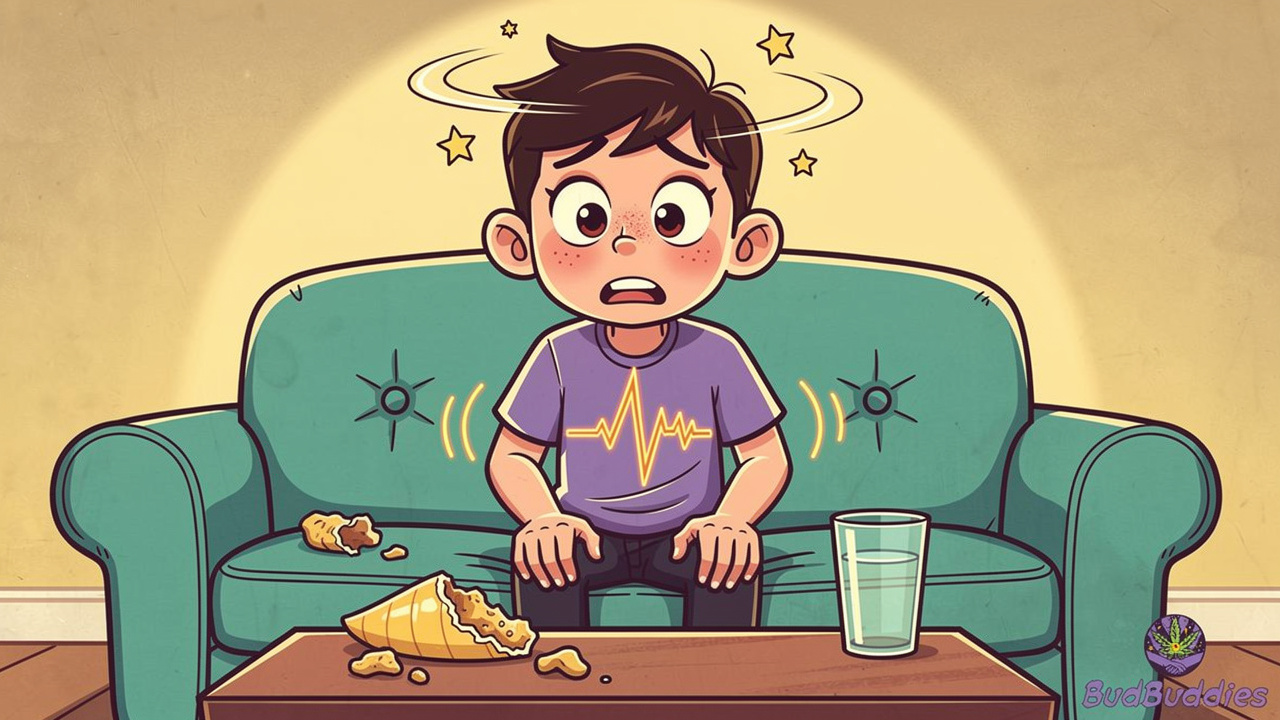
Knowing how to spot when you have overdone it helps you respond before panic takes over. This section explains the main signs of taking too much and why it happens so often in social settings.
Typical signs include a racing heart, dry mouth, sweaty or shaky hands, anxious thoughts, paranoia, dizziness, nausea, and time feeling very slow or strange. According to the National Institute on Drug Abuse, cannabis can raise heart rate by 20 to 50 beats per minute, which can feel alarming but is usually short lived in healthy adults. These feelings are uncomfortable, yet they are temporary and pass as THC moves through your system. Doctors also point out that there are no confirmed cases of fatal overdose from cannabis alone in otherwise healthy adults, even when the experience feels intense.
You might also notice mental fog, trouble following conversations, or forgetting what you were just saying. That can make you suddenly self‑conscious in a group and kick off the inner loop of too high around friends what to do. Reminding yourself that these effects are a known response to THC, and not a sign that something is permanently wrong, can stop the spiral early.
So why does this happen more in social sessions?
You may try a product that is stronger than you are used to, especially concentrates or powerful edibles. Potency has climbed over time, and the National Institute on Drug Abuse reports that average THC levels in seized cannabis samples increased from about 4 percent in the mid‑1990s to more than 15 percent in recent years. That jump alone makes misjudging a dose far easier.
Social pressure makes it easy to keep up with the heaviest user in the room instead of listening to your own limits, and research on peer influence shows that adolescents and young adults are particularly susceptible to this dynamic, as explored in studies on An Experimental Study on how friends and popular peers shape risky decisions in group contexts. When people roll back to back or pass a strong vape quickly, it is simple to take two or three hits more than you planned.
Edibles and drinks often kick in late, usually after 60 to 90 minutes, so people top up too soon. Mixing cannabis with alcohol, or having very different tolerance levels across the group, adds to the risk of overdoing it without noticing until your body is already on overload.
Recognising your own early signs is the first step in any too high around friends what to do plan. Once you can name what is happening, it feels less mysterious and easier to manage.
What To Do Right Now: Immediate Steps That Actually Help
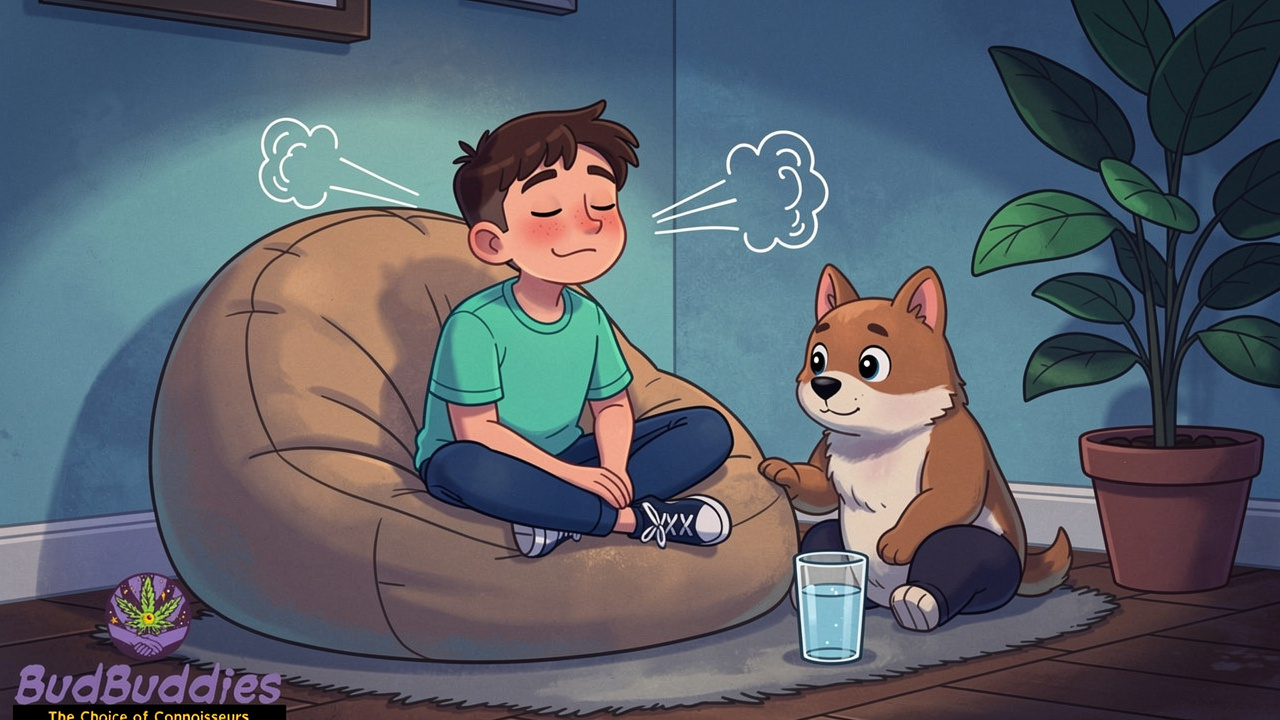
When your brain is looping too high around friends what to do, you need a simple order of actions. This section gives you a clear sequence to follow so you can calm your body, steady your thoughts, and ride it out more comfortably.
Start by accepting that you have just had a bit too much and that it will ease. According to Harvard Health Publishing, inhaled cannabis usually peaks within about 30 minutes and often settles over the next 2 to 3 hours, while edibles can last longer. Knowing there is a time frame helps you stay grounded and reminds you that what you are feeling is temporary.
Here is a calm, step‑by‑step plan you can follow:
Tell one trusted friend quietly that you are not feeling great.
You can keep it simple and say something like, “I think I have had a bit too much and need to chill for a bit.” Most people have been there and will respect it. Trying to act normal while you are panicking inside is much harder than letting one person support you.Move somewhere calmer and reduce stimulation.
Loud music, bright lights, and lots of chatter can make everything feel much stronger. Ask your friend to sit with you in a quieter room, on a balcony, or in the garden. Fewer noises and faces mean your brain has less to process, and you usually feel a small but real drop in intensity within a few minutes.Support your body with water, a light snack, and rest.
Sip water slowly to ease dry mouth and help your system feel more balanced, and avoid alcohol completely because it tends to make cannabis effects feel rougher. A small snack with some natural sugar, such as fruit or a biscuit, can help steady blood sugar, which often makes you feel a little more stable. Sitting or lying somewhere comfortable, with your back supported and your head slightly raised, also reassures your body that it is safe to relax.Use grounding, breathing, and CBD to quiet the panic.
Box breathing works well here: inhale for four counts, hold for four, breathe out for four, hold for four, and repeat. The 5‑4‑3‑2‑1 grounding method is also handy: name five things you can see, four you can feel, three you can hear, two you can smell, and one you can taste. If you have CBD nearby, many people find it softens the high because CBD can modulate THC at receptor level according to the National Institute on Drug Abuse. BudBuddies stocks CBD oils, capsules, and CBD flower that experienced customers often keep for exactly these too high around friends what to do moments.
Distraction also helps once the panic starts to ease. Putting on a familiar comedy on Netflix, a low‑key playlist on Spotify, or a simple game on your phone can give your brain a safer focus. The aim is not to pretend everything is normal, but to give yourself something gentle to rest your attention on while time passes.
Tip: Before a session, agree with close friends that anyone can ask for a “time out” without being teased. That simple house rule makes it much easier to speak up when you need a break.
How To Help A Friend Who’s Too High
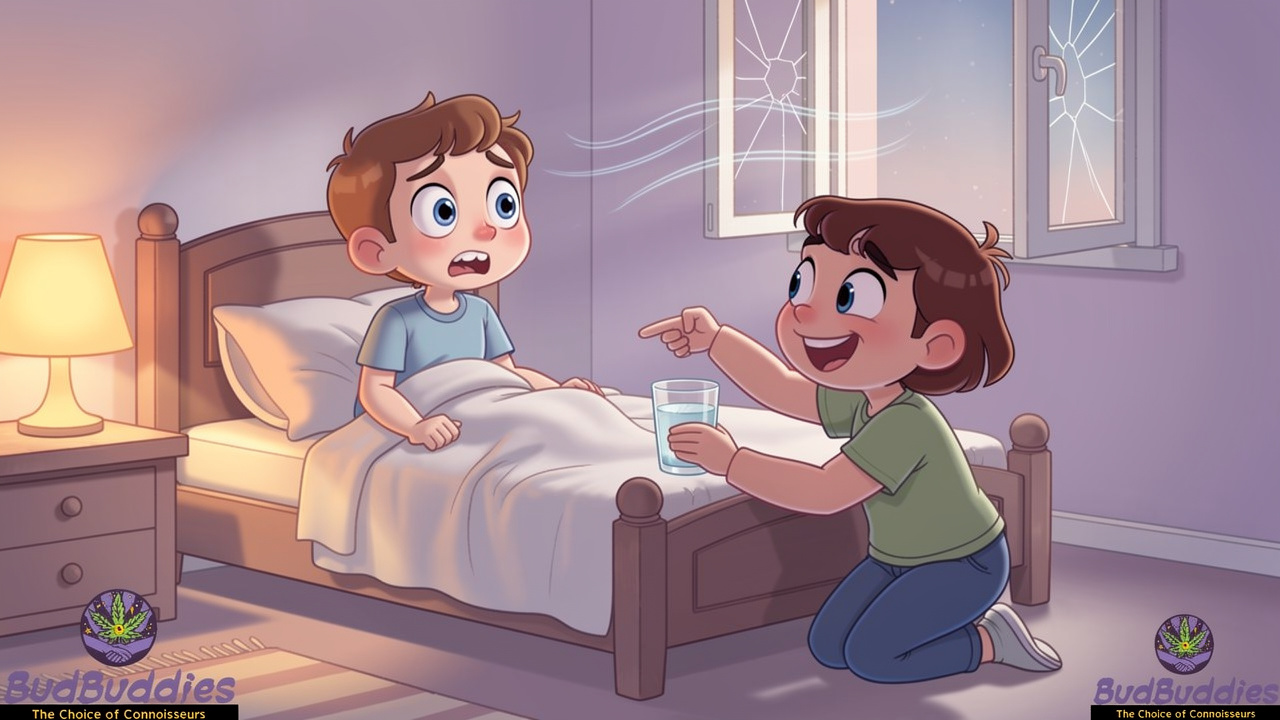
If you are thinking my mate is too high around friends what to do for them, the basics are simple. Stay calm, help them feel safe, and keep an eye on any worrying signs — approaches validated by peer intervention research such as Friends in Focus: Developing a peer-to-peer intervention model for supporting people through distressing substance-related experiences.
Your own energy is important. Speak slowly, keep your tone steady, and use reassuring phrases like “You are safe” and “This will pass, I am staying with you.” According to the NHS, cannabis can trigger anxiety and panic in some people, especially at higher doses, so your job is to be the calm presence that they currently cannot be for themselves.
Once you have checked in with them, you can focus on a few practical actions:
Guide them somewhere quieter with less sensory load. Ask before you touch them, then help them to a sofa, spare room, or quiet corner. Turning the music down, dimming lights, or stepping outside to fresh air all reduce the noise in their nervous system. Offer water and a small snack, and remind them gently that their body is just working through THC and nothing is permanently wrong.
Stay nearby so they are not alone with spiralling thoughts. Some people like to chat softly, others prefer near silence with you close by, so follow their lead instead of forcing conversation. Check in regularly with simple questions like “Do you want more water” or “Would you like to lie down”, which also give them a feeling of control. Try not to laugh at their state in front of them or announce it loudly to the group, as this can feed paranoia — research on Effects of experimental, network‑based social norm feedback confirms that a person’s perceived social environment strongly influences their psychological state and anxiety levels during substance use.
Avoid giving them more cannabis, alcohol, or strong caffeine. Extra substances can make their anxiety feel sharper and drag the experience out, even if the group is still passing things around.
Try to avoid:
Filming them or posting about them on social media
Making them the centre of jokes while they are distressed
Leaving them alone in a noisy or unfamiliar place
A simple line such as, “You are not going mad, you are just very high and it will fade,” can be surprisingly soothing when someone is scared.
Know the rare red flags that need medical help. If they are struggling to stay awake, cannot speak clearly at all, have severe chest pain, or cannot stop vomiting, it is time to act. Calling 999 is the correct move in those situations, and staff will focus on their health rather than judging the cause. If you are unsure but not in a clear emergency, you can call 111 for advice and follow what they say.
Handled well, a rough moment becomes just another story that you both laugh about later. Your steady support is often the biggest difference between a scary memory and a manageable blip.
How To Avoid Getting Too High In The First Place

Prevention means you rarely need to search too high around friends what to do again. This section covers simple habits and tools that keep group sessions enjoyable, predictable, and in your comfort zone.
The golden rules are clear:
Start with less than you think.
Wait long enough before adding more.
Avoid mixing cannabis with lots of alcohol.
Choose settings and products that match your tolerance.
According to Harvard Health Publishing, edibles can take up to 2 hours to reach full effect and may last 4 to 8 hours, so patience is key.
First, think about dose. With flower or vapes, begin with one or two small puffs, then wait at least 10 to 15 minutes to see how you feel. With edibles, many people find 5 milligrams of THC or less a sensible starting point, especially if they are new or have taken a break. Never redose simply because “nothing is happening yet” in the first hour, as that is how many rough nights begin.
Next, know your product. Lab‑tested, clearly labelled options from BudBuddies show THC and CBD percentages, so you can line up your plans with real numbers instead of guesses. Indica‑leaning strains on BudBuddies are described for calmer evenings, Sativa options for brighter social energy, and balanced hybrids when you want something in the middle. Having this clarity for yourself and your friends keeps everyone closer to their comfort level.
Your environment matters as well, and Effects of experimental, network‑based social norm research shows that the people around you and the social cues in your setting can meaningfully shift how intensely you experience substance effects. If you are already stressed, tired, or in a room full of strangers, you are more likely to tip into anxiety. Plan bigger sessions in places where you feel safe, with people you actually like, and have a backup place to chill if the main room gets too much. Eating a proper meal beforehand and sipping water throughout the night both help your body handle THC more smoothly.
BudBuddies also gives you tools to plan sensibly. The Edible Dosage Calculator on budbuddies.cc helps you pick a starting dose that matches your experience, body size, and desired intensity. The Weed Tolerance Calculator on the same site helps you understand how breaks, frequency, and strength affect how hard something might hit you. Combine those with clear product pages and friendly support through live chat, email, or Telegram, and you massively cut down the odds of another too high around friends what to do situation.
“Start low and go slow” is common harm‑reduction advice around cannabis, and it applies just as much when you are relaxing with friends as it does in medical settings.
The Bottom Line
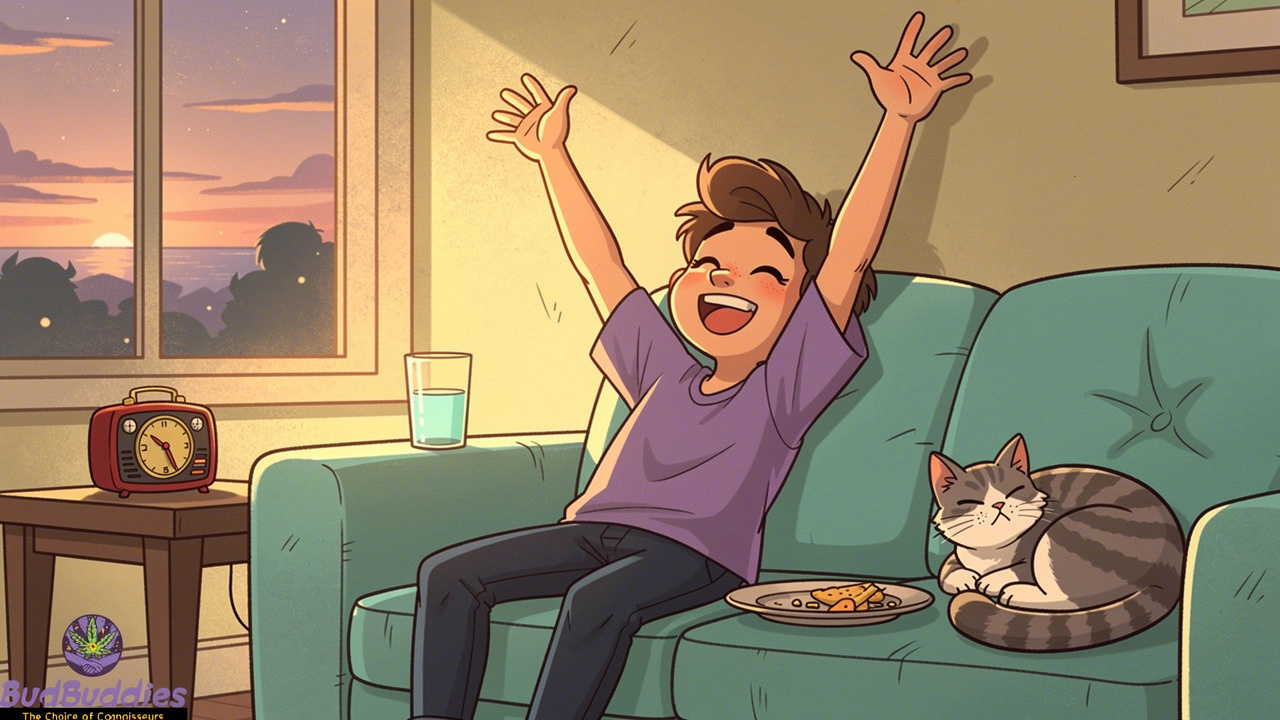
Being too high in a group feels intense, yet it is almost always temporary and manageable with a calm plan. You now know how to recognise the signs, what to do in the moment, how to support a friend, and how to set yourself up so too high around friends what to do becomes a rare thought rather than a regular one.
For clearly labelled flower, edibles, vapes, CBD, and easy dosing tools, BudBuddies keeps things simple, private, and well explained. Start low, go slow, plan ahead, and let your next session feel confident instead of chaotic.
Frequently Asked Questions
How Long Does Being Too High Last?
Question: How long does being too high last?
Being too high usually lasts a few hours, depending on how you consumed. Smoked or vaped cannabis tends to peak within about 30 minutes and ease off over 2 to 3 hours, according to the National Institute on Drug Abuse. Edibles often peak around 2 to 3 hours after eating and can linger for 4 to 8 hours, gradually fading as your body processes THC.
Does CBD Actually Help When You’re Too High?
Question: Does CBD actually help when you’re too high?
Yes, CBD can help some people feel more settled when they are too high. Research discussed by the National Institute on Drug Abuse suggests CBD can modulate THC’s effects at receptor level, which may soften anxiety and intensity. Many people take a measured CBD oil dose or a CBD capsule in this situation. BudBuddies offers CBD oils, capsules, and CBD flower on budbuddies.cc for exactly this kind of backup.
Is Black Pepper Really A Remedy For Being Too High?
Question: Is black pepper really a remedy for being too high?
Black pepper might help a little in some cases. It contains beta‑caryophyllene, a terpene that interacts with the endocannabinoid system, and early research in Frontiers in Neuroscience discusses its calming potential. Sniffing or gently chewing a couple of peppercorns is safe for most people and easy to try while you wait for the high to ease.
What Should You Do If A Friend Won’t Stop Vomiting After Consuming Cannabis?
Question: What should you do if a friend won’t stop vomiting after consuming cannabis?
Persistent vomiting after cannabis is a warning sign and needs attention. It can point to cannabinoid hyperemesis syndrome in heavy, long‑term users, or suggest that something else is in the product. If they cannot keep water down or seem weak and confused, call 111 for medical advice or 999 if you feel it is an emergency, and follow what they say.
How Do You Avoid Getting Too High On Edibles Specifically?
Question: How do you avoid getting too high on edibles specifically?
To avoid overdoing edibles, start at 5 milligrams of THC or less and wait at least 90 minutes before even thinking about more. Edibles creep up slowly, and topping up early is the classic mistake. BudBuddies edibles are clearly labelled per piece, so you know exactly what you are taking, and the Edible Dosage Calculator on budbuddies.cc helps you pick a sensible amount before you start.

