


Does Weed Make You Forget Things? Science & Real Risks
Conversations trail off, keys go missing, a story stalls halfway through. No wonder many people ask, “does weed make you forget things?” It can feel unsettling when your memory seems less reliable after a smoke or a vape.
That fuzzy feeling can be worrying if you care about staying sharp for work, study, or family life. Nobody wants every relaxed evening to come with a side of confusion or blank spots.
Here is the short answer. Weed does interfere with how the brain stores and pulls up memories while you are high, mainly because THC acts on areas that handle learning and recall. For most healthy adult users the effect is short lived. This guide walks through what the science, including Washington State University research, actually shows and how BudBuddies helps you make calmer, informed choices.
So if your big question is does weed make you forget things, the next sections give clear answers, without scare stories or sugar coating.
How Does Weed Actually Affect Your Memory?
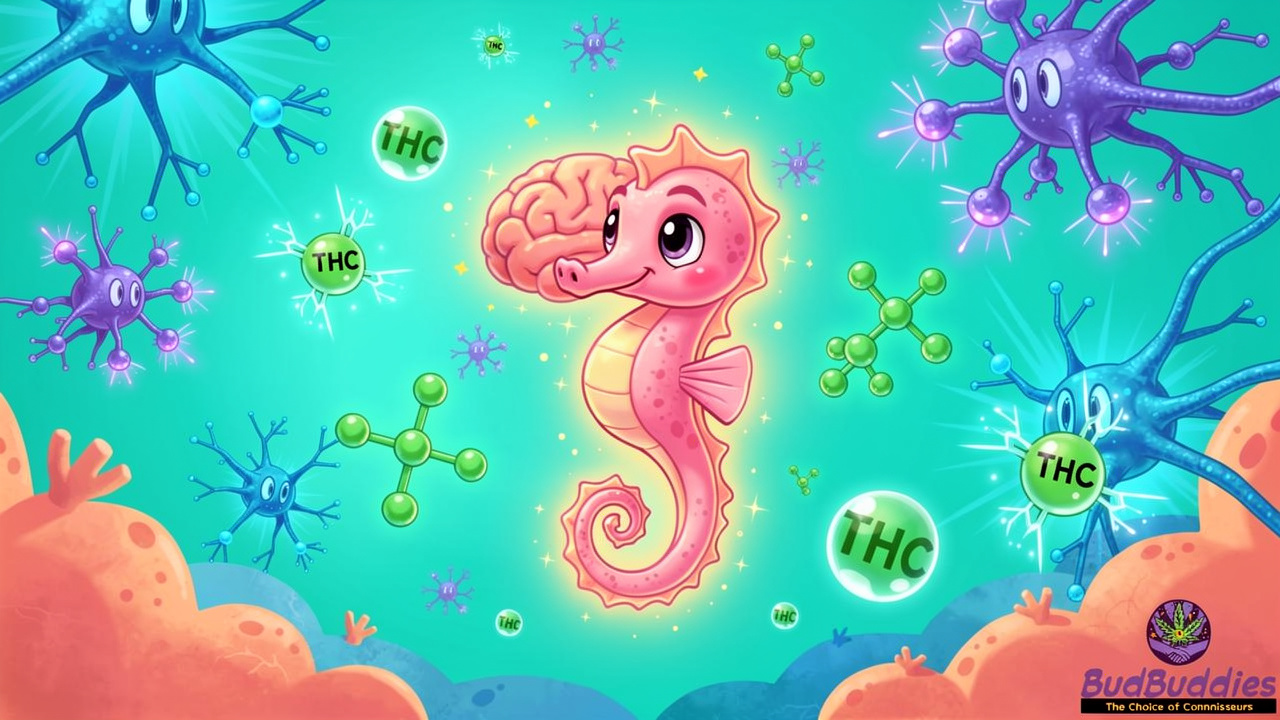
Weed affects your memory because THC changes how key brain areas encode and retrieve information while it is active in your system. Put simply, your brain does not stop working, but it records and organises new experiences less reliably.
THC (tetrahydrocannabinol) attaches to CB1 receptors in the brain’s endocannabinoid system, especially around the hippocampus, which helps form new memories. Research summarised by the National Institute on Drug Abuse explains that these receptors help regulate mood, movement, and memory. When THC sits on those receptors, normal signalling between brain cells shifts, so new information does not stick as well.
A wide ranging study from Washington State University, published in the Journal of Psychopharmacology, tested 120 regular cannabis users. People vaporised either placebo cannabis, 20 milligrams of THC, or 40 milligrams. They then completed about an hour of tasks covering seven kinds of memory. Across those tasks, the THC groups scored lower on 15 out of 21 measures, showing broad disruption rather than a single weak spot.
BudBuddies Tip: New information is the most fragile when you use THC. Older, well established memories usually stay in place.
The key point is that THC mainly interferes with making and organising new memories while you are high. Older, well established memories usually stay intact, but new conversations, plans, or facts can feel slippery. That lines up with the everyday picture of forgetting what you were saying or walking into a room and blanking.
Different people feel this to different degrees, depending on dose, past use, strain, and even sleep. The rest of this guide breaks down which memory types are most affected, how long the effect tends to last, and how brands like BudBuddies help you keep more control over the experience.
Which Types of Memory Does Weed Affect Most?
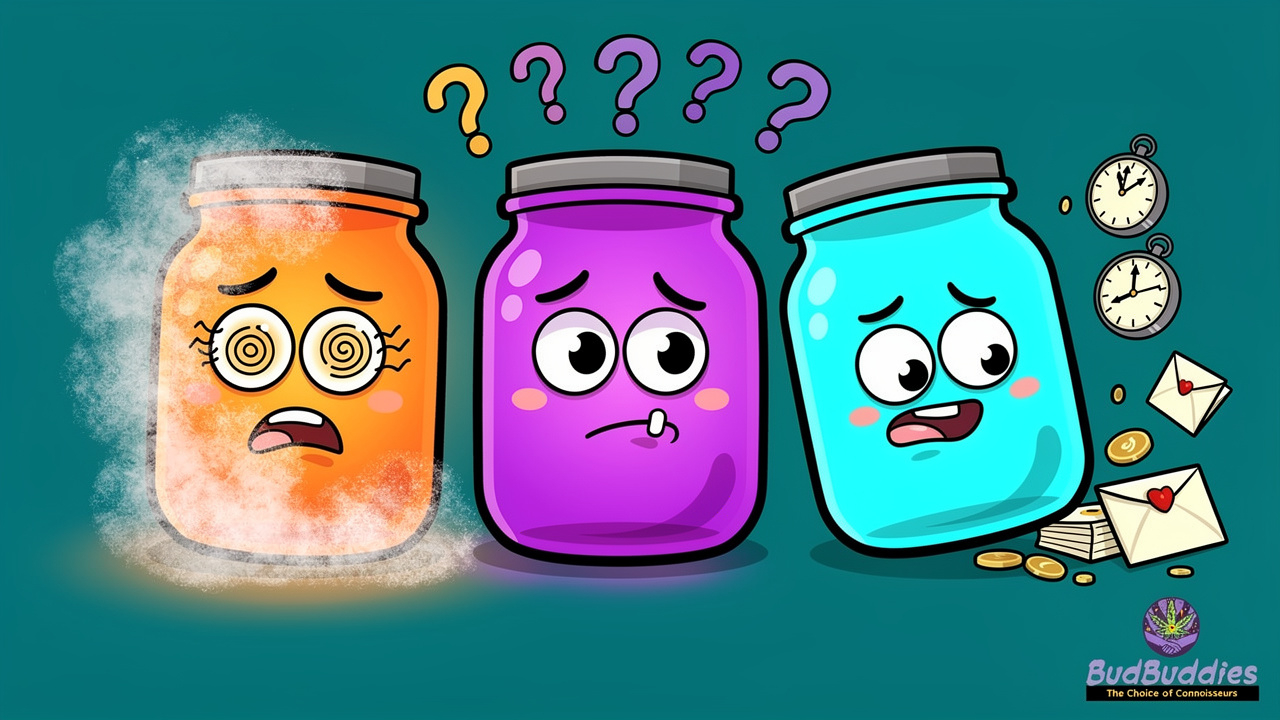
Weed with THC affects several memory systems at the same time, not just simple word recall. The WSU research showed clear changes in false memory, source memory, prospective memory, and also in verbal, visuospatial, and temporal order memory.
In that study, led by psychologist Dr Carrie Cuttler at Washington State University, regular users completed tests that looked far beyond basic word lists. According to the Journal of Psychopharmacology, the THC groups struggled on most of the tasks, which helps explain why everyday life can feel scattered after a strong session. Here is how the most sensitive systems show up.
False Memory
False memory means remembering things that did not actually happen. After THC, people in the WSU study often felt sure they had seen or heard words that never appeared. In daily life, that could mean “remembering” you sent a message or had a certain chat when you did not.Source Memory
Source memory is your ability to recall where you learned something. Under the influence, people more easily mix up whether an idea came from a friend, a social feed, or their own thoughts. That can make it harder to judge how trustworthy a fact feels later on.Prospective Memory
Prospective memory covers things you intend to do later, such as taking tablets, sending an email, or calling someone back. THC makes that sort of delayed task easier to miss, even if it felt important when you first thought of it. This is why many users prefer to finish key tasks before they get high.
Verbal memory, visuospatial memory, and temporal order memory also dipped in the WSU results, consistent with a Frontiers | Same dose, different impact study showing visuospatial working memory is broadly disrupted by acute cannabis intoxication. That means recalling spoken details, remembering layouts and locations, and keeping track of the order of events can all feel less solid for a while. Episodic content memory, which covers rich personal events, did not show a clear drop in that particular study, although researchers such as Dr Cuttler note that more work is still needed, and a Frontiers | The association between chronic substance use and autobiographical memory confirms this remains an active area of investigation.
So, does weed make you forget things in a simple “blank screen” way? Not quite. It shifts how your brain records, labels, and sequences information, so the whole picture becomes fuzzier, even when you feel confident in your own recall.
Does A Higher Dose Of THC Make Memory Worse?
A higher dose of THC does not always mean double the memory trouble, and the effect is not a straight line. In the Washington State University experiment, people who took 20 milligrams of THC and those who took 40 milligrams showed very similar drops across the memory tests.
That finding, reported in the Journal of Psychopharmacology, surprised even some researchers like co author Dr Ryan McLaughlin. It suggests that once THC reaches a certain level in the brain, memory systems are already quite disrupted, so adding more THC does not always create a much deeper slump on those tasks.
For real life use, that matters. A “moderate” edible or a few strong vape pulls can affect memory almost as much as a heavier session. Dose control still helps with comfort and anxiety, but timing, product choice, and spacing use, with support from clear brands such as BudBuddies, are just as important for memory.
Short-Term Vs Long-Term Memory Effects: What’s The Difference?
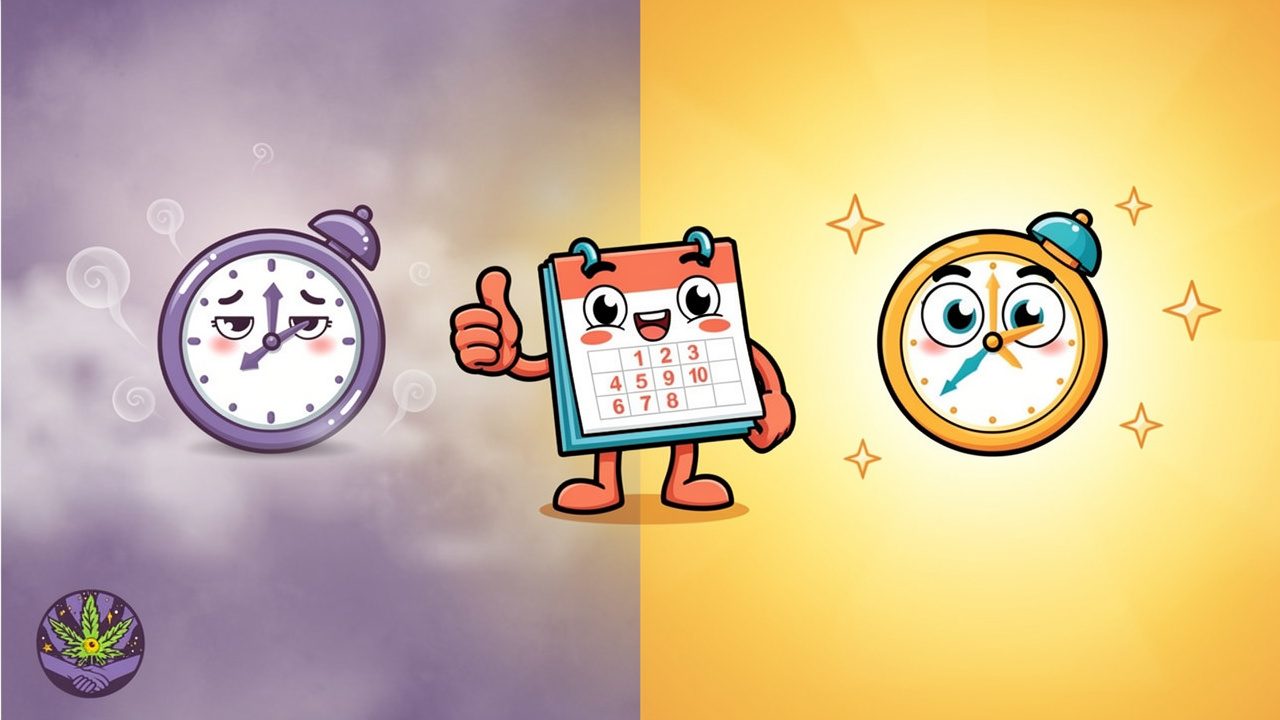
Short term memory effects from weed mostly show while THC is active in your body, whereas possible long term changes relate to heavy, repeated use, often from a young age. The two questions need slightly different answers.
The WSU study looked at people during a single session. Once the high wears off and THC levels fall, performance on those same memory tasks tends to move back towards normal. Reviews from the National Institute on Drug Abuse note that attention and memory problems after heavy use can linger for several days, but they usually ease after a period without cannabis. That matches many users’ experience of feeling clearer after a good break.
Long term effects are more about patterns than one evening. Large cohort research summarised by the National Institute on Drug Abuse and groups such as King’s College London links frequent, heavy cannabis use in the teenage years with lower cognitive test scores and more memory complaints in adulthood. One long running study that followed more than 1,000 people found that those who started heavy, regular use in adolescence reported more lasting concentration and memory issues later on.
For adults who start later and use weed in a moderate, spaced way, current evidence is less alarming. Reviews in journals such as Lancet Psychiatry point out that many cognitive changes in adult users improve after some weeks without cannabis. That does not mean there is zero long term risk, but it does suggest that occasional evening use is very different from daily heavy use that starts at school age.
So when you ask, does weed make you forget things forever, the picture is more hopeful for most BudBuddies style readers. Short term fuzziness is common while you are high. Longer term change appears mainly in people who use a lot, very often, over many years, especially from their teens.
How To Consume Cannabis More Mindfully With Memory In Mind

The best way to reduce annoying memory slips is to think about when, how, and what you consume before you light up or snack. Weed will still affect memory, yet you can keep more control by planning your sessions instead of leaving everything to chance.
Research from Harvard Health Publishing advises new users to follow a “start low, go slow” approach with THC. BudBuddies builds that idea into its product pages, with clear cannabinoid percentages and dose guidance for flowers, vapes, and edibles. Here are three simple levers that matter most for memory.
Timing
Try to avoid being high at the point you need sharp recall, such as important calls, childcare, study, or detailed work. Finish key tasks first, then enjoy cannabis when only relaxed activities are left. Setting phone reminders before you use weed can also help catch any to do items your future self might miss.Context
Choose low pressure settings for THC heavy sessions, such as a calm evening at home with no tight plans. Mixing weed with complex tasks or alcohol can make memory and judgement problems stack on top of each other. A quiet, predictable setting makes it easier to notice how a strain affects you and to stop if memory feels too cloudy.Product Knowledge And Dose
Lab tested, clearly labelled products from BudBuddies give you far more control than mystery weed from a friend. AAAA+ flowers, measured edibles, and THC vape carts on budbuddies.cc all list cannabinoid levels, so you can pick lower THC or CBD rich options if memory is a concern. Taking a small amount, waiting, and adjusting slowly helps you find your sweet spot without needless cognitive fog.
BudBuddies Tip: Treat THC like any other substance that affects thinking—use the smallest amount that gives you the effect you want, and give it time to settle before you take more.
BudBuddies also offers CBD oils, hemp flower, and balanced ratio products, which many users prefer when they want a gentler head effect. That mix of clear education and intentional range helps you line up your cannabis habits with how sharp you like your mind to feel the next day.
The Bottom Line
So, does weed make you forget things? Yes, THC can blur several memory systems while it is active, even at doses that feel fairly modest. Most of those changes are short lived for healthy adult users, especially when use is moderate and spaced out.
The real skill lies in understanding what is happening and planning around it. Choosing transparent, lab tested products from BudBuddies, paying attention to timing, and favouring lower THC or CBD balanced options when needed all help you enjoy cannabis while staying realistic about your memory.
Frequently Asked Questions
Question: Does Weed Cause Permanent Memory Loss?
Weed does not usually cause permanent memory loss for moderate adult users. The clearest evidence for lasting change comes from heavy, frequent use that starts in the teenage years. For adults who use occasionally and take regular breaks, memory tends to return towards their personal baseline once THC is out of the system.
Question: Does CBD Affect Memory The Same Way THC Does?
CBD does not act on CB1 receptors in the same way as THC and is not linked with the same memory problems. Reviews from bodies such as the World Health Organization suggest CBD has a low risk profile. Some studies even hint that CBD may soften certain psychoactive effects of THC when both appear together.
Question: Can You Build A Tolerance To Cannabis’s Memory Effects?
Some people report that memory issues feel less intense after regular use, which suggests a level of tolerance. At the same time, tolerance often leads to higher doses, which can keep cognitive effects in play. It is safer to manage memory by moderating dose and frequency rather than relying on tolerance alone.
Question: Is It Safe To Drive After Using Cannabis?
It is not safe to drive after using cannabis, even if you feel fairly normal. THC affects attention, reaction time, visuospatial memory, and decision making, all of which matter behind the wheel. Research highlighted by the NHS links cannabis use with poorer driving performance, so the sensible choice is to wait until you are fully sober.

