


Weed and All Nighters: What It Really Does to You
Introduction
That last coffee is wearing off, the deadline is close, and weed and all nighters start to sound like a plan. The idea feels simple enough – stay up, smoke or vape a bit, and push through.
Here is the catch. When you mix weed and all nighters, your tired brain, hormones, and focus all react differently compared with a normal evening session. You are not just adding cannabis, you are stacking it on top of sleep debt.
This guide explains what actually happens inside your body, how THC and CBD behave when you are exhausted, which strains and formats suit a long night better, and how to recover after. You will also see how BudBuddies products, from vapes to CBD sleep gummies, can fit into a calmer, more controlled plan.
Ready to see what your late night routine is really doing to you?
What Does Weed Actually Do To Your Body During An All-Nighter?
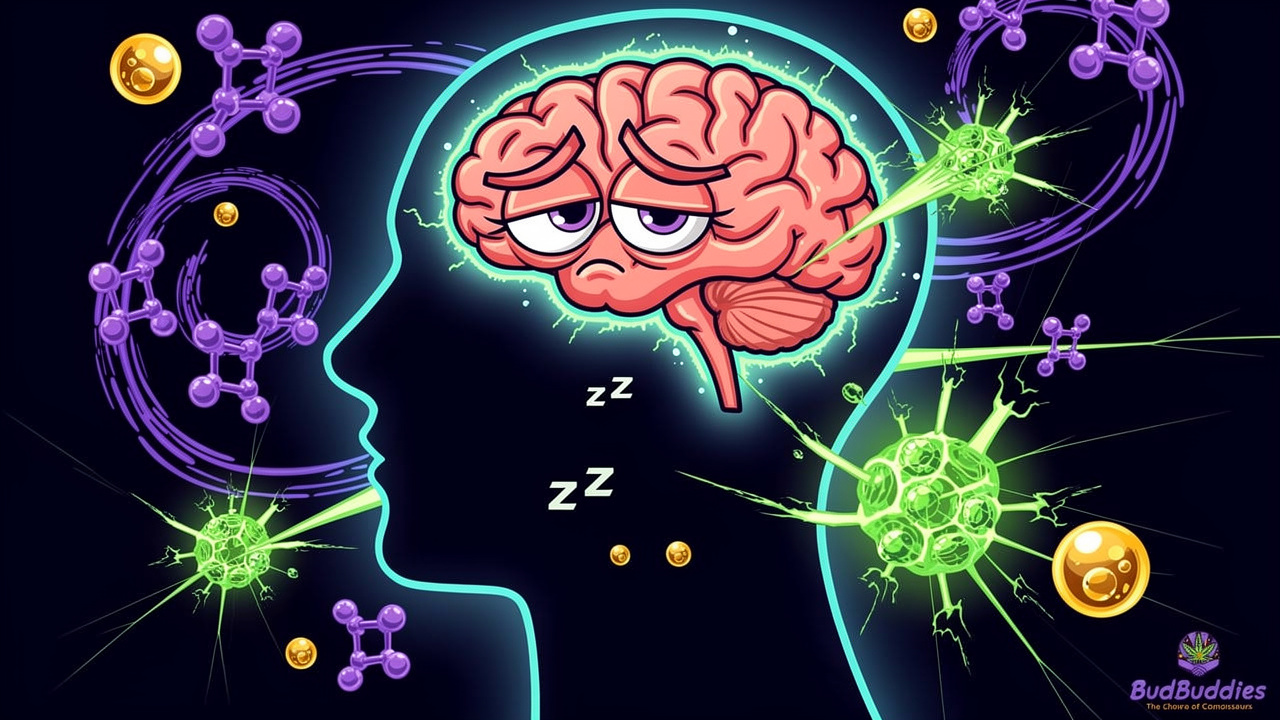
During an all-nighter, weed changes how your tired brain and body handle stress, focus, memory, and recovery. Cannabis interacts with the same internal systems that sleep loss is already pushing hard, so the combined effect often feels stronger than usual.
When you stay awake, adenosine builds up in the brain and makes you feel heavy eyed. According to the Sleep Foundation, long periods awake slow reaction time and decision making in a way similar to mild alcohol intoxication. THC then arrives and binds to endocannabinoid receptors that already sit in a sleep starved state.
That mix is why weed and all nighters can feel very different from a normal evening session — research exploring cannabinoids for sleep: exploring both nighttime and daytime use confirms that timing and fatigue level significantly alter how cannabis is experienced. The endocannabinoid system, which helps regulate sleep, mood, and appetite, is already trying to pull you towards bed. Add THC, and you may either perk up for a short spell or crash much sooner than planned. CBD adds another layer, as low doses can feel slightly alert while higher doses feel more calming.
Here is what that usually means in practice when you mix cannabis and heavy fatigue:
Amplified Sedation
Sleep pressure on its own makes your eyelids heavy and your thoughts slow. Add an indica leaning product and THC often deepens that drowsy feeling rather than fighting it. Many people find they simply fall asleep on the sofa halfway through their task. For work based weed and all nighters, that is rarely the goal.Extra Anxiety And Edginess
Lack of sleep raises cortisol, the stress hormone, and can make emotions more fragile. Research from NHS notes that poor sleep links with higher anxiety levels. High THC on top of this can bring racing thoughts or paranoia much more easily than usual. A dose that feels fun on a rested day can feel overwhelming at 3 am.Memory And Focus Problems
The National Institute on Drug Abuse explains that THC affects attention, memory, and learning in the short term. Sleep loss already harms these same skills, so together they hit revision, detailed writing, and coding especially hard. You may feel awake enough to continue yet keep re reading the same paragraph without it sticking.“THC can interfere with attention, memory, and learning for several hours after use.”
— National Institute on Drug Abuse (NIDA)Strange Time Perception
THC is known for bending your sense of time, making minutes feel longer or shorter. When you are exhausted, hours can already drag. The combo can make a night feel endless or, the opposite, vanish in a fog where you get less done than you expected.
BudBuddies leans into this science by offering clear potency and terpene details on product pages, so you can pick something that matches your plan rather than guessing in the middle of the night.
Does Strain Choice Actually Matter When You’re Staying Up?

Strain choice during an all-nighter matters because different cannabinoid and terpene mixes pull you towards either wakefulness or deep relaxation. The old sativa versus indica labels are only part of the story, yet they still hint at how your night might go — as documented in true weed facts: sovereign cannabis guides that break down how terpenes and cannabinoid ratios drive real-world effects.
Sativa leaning options, often higher in limonene and pinene, are usually described as brighter and more head focused. Those terpenes are linked with alertness in early research from groups like University College London. Indica dominant strains tend to be rich in myrcene and linalool, which many people associate with heavier body relaxation and sleep. When you pair weed and all nighters with lots of myrcene, bed often wins.
Here is the tricky bit. Two strains both sold as sativa can feel very different depending on the exact THC, CBD, and terpene balance. That is why BudBuddies organises flower and vape products by effect profile instead of just plant shape. On budbuddies.cc you will see categories like Energy, Relax, Sleep, and Creativity, along with terpene breakdowns, so the label on the bag actually matches how the session feels.
For a long night, it helps to think in terms of the job you need to do:
If You Need To Stay Alert And Functional
Look for products tagged for focus or energy, often with moderate THC and noticeable limonene or pinene. These are better suited to light creative work, light admin, or gaming where you want to feel switched on but not wired. BudBuddies sativa leaning vapes and balanced hybrids sit neatly in this space, especially when you microdose small puffs across the night.If You Want To Ease Stress Without Zoning Out
A balanced THC:CBD profile, or a CBD dominant flower or gummy, can soften anxious edges while keeping your head clear. According to Harvard Medical School, CBD does not affect cognition in the same way THC does, which makes it easier to stay on task. BudBuddies CBD products are clearly labelled with milligrams per gummy or per drop, so you can keep the effect gentle.If The Plan Is To Sleep Right After The Task
When the work is done and you want to knock yourself out quickly, an indica dominant strain with solid myrcene and linalool levels can help you unwind. BudBuddies stocks sleep focused flowers and CBD sleep formulations so you can switch from caffeine filled focus to deep rest more smoothly once the all nighter ends. The key is timing this for the recovery window, not the middle of your work.
By matching strain style and terpene profile to the stage of the night, you decide whether cannabis helps you push through or helps you wind down.
Which Cannabis Format Gives You The Most Control During A Long Night?
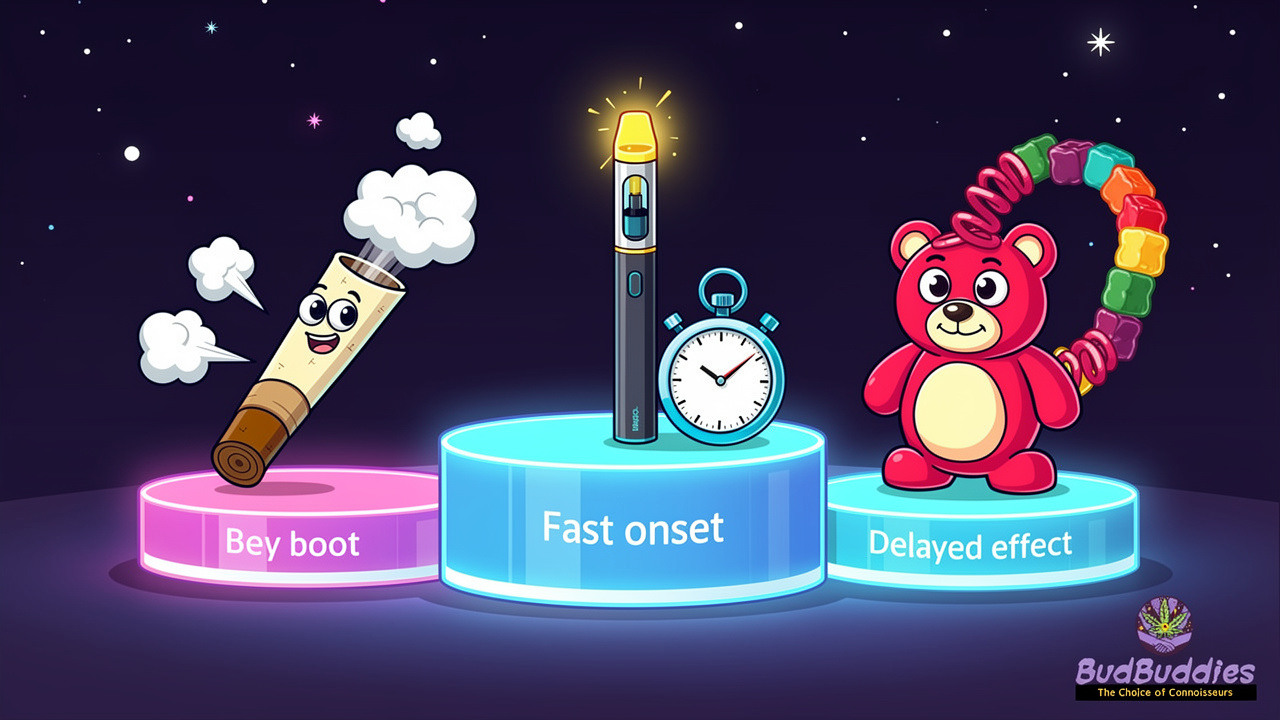
The format you choose for cannabis use on an all-nighter decides how fast it hits, how long it lasts, and how easy it is to adjust. For weed and all nighters, control is everything, because your body is already less predictable when tired.
Inhaled formats like flower and THC vapes reach the brain quickly through the lungs. Most people feel the first wave within minutes, and the main effect fades after one to three hours. That short window means you can take a small amount, wait, and top up if needed. Edibles work very differently, travelling through the stomach and liver first, which delays and often intensifies the high. The Sleep Foundation notes that edibles usually take at least 30 minutes and sometimes up to two hours to peak.
Here is a simple comparison that matters on a long night:
| Format | Onset Speed | Typical Duration | How It Fits An All-Nighter |
|---|---|---|---|
| Flower (smoked or vaped) | Minutes | 1 to 3 hours | Good for small, repeated doses and testing your tolerance while tired |
| THC vape pens | Minutes | 1 to 3 hours | Discreet, portable, easy to microdose during work or gaming |
| Edibles | 30 to 120 minutes | 4 to 8 hours | Harder to time, stronger body load, lingers into the next day |
BudBuddies offers all three formats, but their vape and dry herb options are especially handy for night owls. You get clearly stated THC and CBD levels per cart or per gram, along with terpene data, so each puff is less of a surprise. For weed and all nighters, that kind of predictability keeps you closer to your plan.
Edibles are where many people come unstuck. Because you feel nothing for a while, it is easy to snack a second portion, only for the combined dose to land heavily later. Sleep deprivation often makes the eventual effect feel stronger and more disorientating — a finding supported by research showing 0259 alcohol and cannabis compounds neurobehavioural impairment from acute total sleep deprivation in measurable ways. A practical approach is to treat all edibles as long haul: start at 2.5 to 5 mg THC, then wait a full 90 minutes before even thinking about more. BudBuddies edible labels show THC per piece clearly so you can follow that rule without mental maths at 2 am.
For recovery use after the night, a low to medium dose indica edible or CBD sleep gummy can be helpful when you finally get to bed and want rest to last. Just remember that it may carry mild grogginess into the next afternoon, so plan your commitments around that.
Tip: Treat any edible taken after midnight as something that can still affect you the following afternoon, not just the next morning.
How To Use Cannabis Responsibly Before, During, And After An All-Nighter
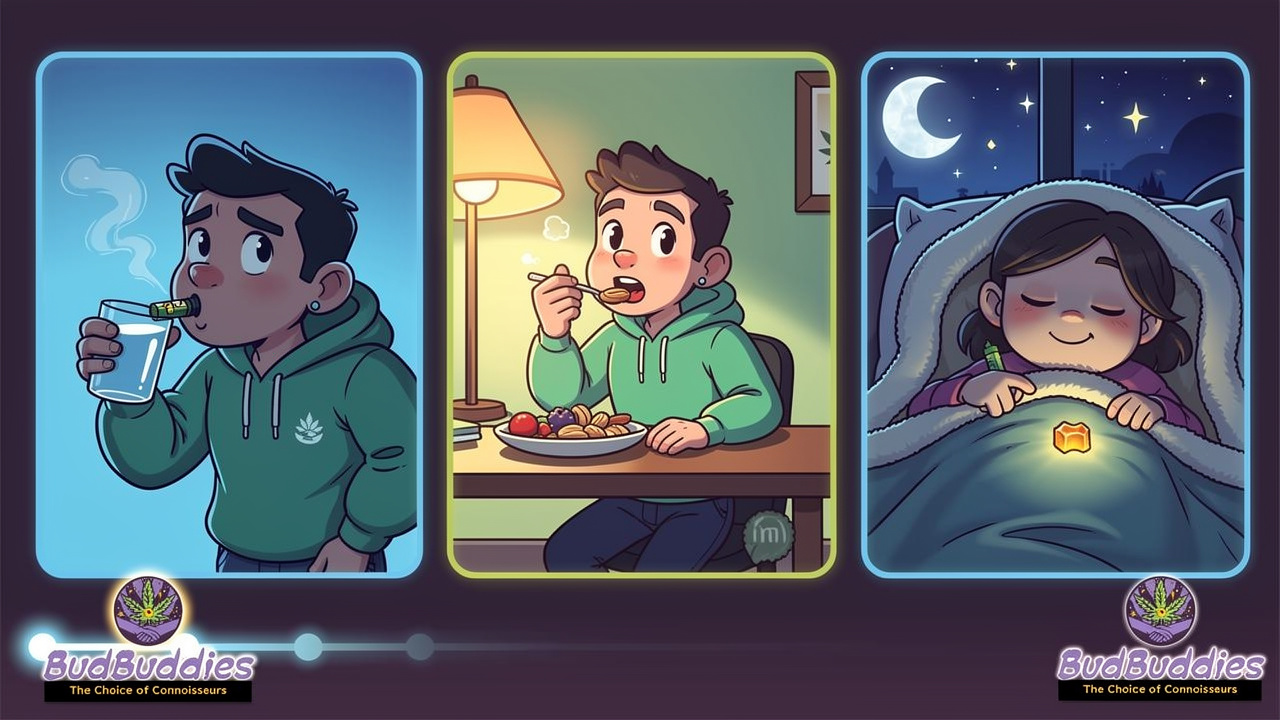
Using cannabis wisely around an all-nighter means adjusting dose, timing, and product choice to protect your already tired body. It also means accepting that no amount of weed can replace proper sleep.
Before you even start, it helps to check your goal. Are you trying to feel calmer while you revise, stay awake through a shift, or fall asleep quickly afterwards? Each aim points to different products on BudBuddies, from energising vapes to CBD sleep oils. According to NHS, most adults need around 7 to 9 hours of sleep for good health, so an all nighter should stay an exception, not a weekly habit.
“Most adults need between seven and nine hours of sleep a night to function at their best.”
— NHS, Sleep And Tiredness
During the night itself, small choices make a big difference:
Start Low And Increase Slowly
Sleep loss lowers your effective tolerance, so your usual dose can feel like quite a lot. Try half your normal amount of flower or vape first, then pause for at least 20 to 30 minutes. BudBuddies product pages lean heavily on the start low, go slow idea, with clear THC numbers per puff or per piece so you can actually do it. This approach helps both newcomers and experienced smokers avoid uncomfortable spikes.Stay Hydrated And Eat Light Food
Dry mouth, snack cravings, and sugary drinks can all hit harder when weed and all nighters mix. Dehydration worsens headaches and next day fogginess, so keep water nearby and sip often. Light, steady snacks such as nuts or fruit keep your energy more stable than one giant takeaway. Your endocannabinoid system links closely with appetite, so feeding it gently helps your body cope.Treat Caffeine And THC As A Careful Pairing
Many people chase focus with energy drinks alongside a joint or vape. The European Food Safety Authority notes that caffeine has an average half life of several hours, so late night shots can still sit in your system well into the morning. Combined with high THC this can feel jittery and anxious instead of smoothly alert. It is usually better to use moderate caffeine and modest THC than to push both hard.Plan Your Recovery Window, Not Just The Night
When the all nighter ends, your body needs real rest — and the smoke, sip, sleep, repeat: study investigating daily-level relationships between substance use and sleep underscores how recovery sleep quality is directly shaped by what you consumed during the night. THC can shorten the time it takes to fall asleep, but research collected by the Sleep Foundation shows that it can reduce REM sleep, the dream heavy stage linked with memory processing. For occasional use that trade off might be fine. If you expect several short nights, consider BudBuddies high CBD, indica leaning options or sleep gummies that support relaxation without so much REM change.
BudBuddies backs this whole approach with lab reports, terpene transparency, and clear product descriptions, so you know what is in your grinder or vape. Their discreet delivery and loyalty rewards, like BudPoints and BudCash, also mean you can plan your weed and all nighters routine without last minute scrambles. None of this replaces proper rest, but it makes those rare long nights gentler on your system.
The Bottom Line
Mixing weed and all nighters is not a simple good or bad choice; it is a sliding scale shaped by strain, format, dose, and timing. THC and CBD behave differently in a sleep deprived body, and the same product can either help you glide through a task or send you straight to bed.
If you treat cannabis as a tool, pick sativa leaning or balanced options for focused work, go easy on edibles during the night, and keep indica and CBD products for recovery sleep. BudBuddies makes that easier by listing clear cannabinoids, terpene profiles, and effect tags across flower, vapes, edibles, and CBD sleep formulations, all delivered discreetly across the UK. With that information to hand, you can build late night habits that feel deliberate rather than random.
Frequently Asked Questions
Question 1: Can Weed Help You Stay Awake During An All-Nighter?
Weed can sometimes help you feel more awake during an all-nighter, but only in certain situations. Low to moderate doses of sativa leaning products with limonene or pinene may feel lighter and more functional. High THC or indica heavy items usually push you towards sleep, especially when your body is already tired. Individual tolerance, mood, and what you have eaten all play a part.
Question 2: Does Being Sleep-Deprived Make Weed Hit Harder?
Yes, being sleep deprived often makes weed feel stronger and less predictable. Your brain chemistry, hormones, and attention are already under strain, so THC adds to that load. A dose that feels gentle on a rested evening can feel intense at 4 am. That is why the start low, go slow approach matters even more for weed and all nighters.
Question 3: Is Weed Bad For Memory When You’re Studying Through The Night?
Weed, especially high THC products, is usually unhelpful for memory during late night study. THC already affects short term memory and learning, and sleep loss does the same thing, so together they reduce how much information sticks. If you still want some support, CBD forward or lower THC options from BudBuddies are a calmer fit for revision focused nights.
Question 4: What Is The Best Cannabis Product To Use After An All-Nighter To Sleep?
After an all nighter, a gentle, sleep focused product tends to work best. Indica leaning flower, CBD sleep gummies, or an evening CBD oil can help you relax into proper rest. BudBuddies stocks indica strains with sleep friendly terpenes and CBD formulations designed for bedtime, all clearly labelled so you can match strength to how sensitive you feel.
Question 5: Are Edibles A Bad Idea During An All-Nighter?
Edibles are usually a risky choice during an all nighter, because the delayed onset makes timing hard. They can take up to two hours to peak and often last 4 to 8 hours, which is awkward when you need control. If you still use them, keep portions around 2.5 to 5 mg THC and wait the full 90 minutes before considering more, as BudBuddies dosing guides suggest.

