


Weed and student productivity: a realistic student guide
Weed and student productivity often clash, even when it feels like a joint helps you focus or chill. The truth is mixed. For most study tasks, cannabis weakens memory, slows thinking, and blurs focus, although it can help with winding down and stress.
That is the core tension behind weed and student productivity. You want calm, creativity, and sleep, without wrecking grades or motivation.
This guide explains how cannabis works in the student brain, when it is most likely to hurt or help your studies, what happens with regular use, and how to reduce harm if you choose to use. BudBuddies appears throughout as a reference point for clear product info and calm, adult guidance.
If you want honest answers and practical ideas rather than scare stories, keep reading.
How Cannabis Actually Affects the Student Brain

Cannabis affects the student brain by acting on the same areas that drive focus, memory, and decision making. That is why weed and student productivity are so closely linked. When THC reaches CB1 receptors in the prefrontal cortex and hippocampus, thinking speed, working memory, and learning can all change for a while.
The prefrontal cortex and hippocampus are doing most of the heavy lifting when you study:
The prefrontal cortex helps you plan essays, hold arguments in your head, and juggle tasks.
The hippocampus helps you turn lecture notes into memories you can use in exams.
THC disrupts the normal signalling in both regions, which is why revising while very high often feels fuzzy or scattered.
Research on young adults backs this up, with studies on Mental Health and Academic outcomes in first-year undergraduates confirming measurable links between cannabis use and cognitive performance. Studies summarised in The Lancet Psychiatry link heavy cannabis use in youth with measurable drops in attention and memory over time. Around one in five people aged 16 to 24 in England report cannabis use in the past year, according to NHS Digital, so this is not a rare issue.
Age matters too. The student brain keeps developing into the mid twenties. The wiring that supports impulse control, long term planning, and flexible thinking is still fine tuning. Regular, strong THC through this period can:
Make it harder to hold several ideas at once while you solve problems. That shows up as losing your place in readings or forgetting what the question asked halfway through an answer. Over a term, that slight edge can affect how confident you feel in seminars and exams.
Reduce mental stamina so long study sessions feel harder to stick with. You might notice more scrolling, more drifting off, and more half finished tasks. That can turn into a pattern where you avoid deep work and lean on last minute cramming.
Blur the link between effort and reward. When everyday tasks feel slightly numbed, it can be easier to put off reading or problem sets and reach for short term comfort instead. That can chip away at motivation in subtle ways.
So the biology explains a lot of student experience: you might enjoy the high, but the same effect that feels relaxing also leans against sharp, organised thinking.
“No substance is completely risk free for a brain that is still developing.” — summary of findings from multiple public health reports
What CBD Does Differently

CBD behaves very differently from THC, even though both come from the same plant. CBD does not bind to CB1 receptors in the same direct way, and it does not cause a high or the classic memory fog that hurts study performance.
Early research reviewed by Neurotherapeutics suggests CBD can lower anxiety in some people, which matters for students who feel tense before exams or presentations. A calmer baseline can support productivity more than a strong high that scrambles focus.
That is where BudBuddies becomes helpful. On budbuddies.cc you can choose from CBD oils, edibles, hemp flower, and vapes, all with clear CBD content and straightforward descriptions. For many students, CBD gives a gentler way to manage stress or sleep without the cognitive hit that THC heavy products bring.
Does Weed Help or Hurt When You’re Studying?
Weed can sometimes make studying feel nicer, but for most serious academic work it tends to hurt more than it helps. When you look closely at weed and student productivity, the key point is simple: THC may soften anxiety or boredom, yet it reliably weakens working memory, processing speed, and careful attention.
Short term, some students feel more creative, chatty, or relaxed after a small amount. That can help with low pressure tasks such as mind maps, rough planning, or sorting notes. It can also help with the emotional side of study, by easing the sense of dread before a big revision block.
The trouble starts when you try to learn and store new material while high, as research on Associations between Cannabis Use, GPA, and stress levels among college students demonstrates a consistent negative relationship between THC use and academic performance. The hippocampus struggles to encode information properly under strong THC. Psychologists call this encoding failure. You might feel as if you understood a lecture or a chapter, then sit in an exam and find that almost nothing sticks. Research including a daily diary study titled From fried to focused? documents clear short term drops in attention and downstream performance effects after THC use.
Analytical work suffers too. Maths questions, statistics, coding, and complex readings ask your brain to hold several steps in order. THC makes that chain wobblier. Even small delays in reaction time or slight confusion over symbols can snowball in problem based subjects.
So where can cannabis fit at all?
Light use after you have finished the day’s main work can help you relax. That can stop you burning out mentally, which has an indirect benefit for study across the week. The key is that the work comes first and the high comes after.
Some students find a tiny amount of THC with some CBD before a creative task helps them loosen up. That might suit early idea generation, sketches, or rough drafts. It still makes sense to polish and proof while sober so logic and spelling stay sharp.
Weed can also support social connection. Feeling closer to friends and laughing off stress has real emotional value. A steadier mood can support grades, as long as use sits outside core study hours.
The honest answer is that cannabis is a poor study aid for heavy reading, writing, and number work. It can be part of rest and recovery, but it fights against the mental skills you need while you actually learn.
How Strain Type and Format Change the Picture
Strain type and format affect how strongly weed touches your productivity, because they change the feel, speed, and length of the high. Sativa leaning strains like Amnesia Haze or Lemon Haze tend to feel brighter and more head focused. Indica strains such as Cheese or Zkittlez sit more in the body and lean toward drowsiness.
For most students, that means sativa forward options suit daytime or creative use, while indica works better as a late evening choice. Even then, high THC can still send thoughts racing or trigger anxiety, which is the last thing you want before an essay deadline.
Format also shapes the experience. Flower and vape carts hit within minutes and fade in one to three hours, so you learn quickly how a dose feels. Edibles can take up to two hours to appear and can last most of an evening. A strong edible before “just one episode” can quietly remove the rest of the night from your revision plan.
BudBuddies helps you read these variables clearly. Each product page lists THC and CBD percentages, terpene notes, and expected effect, so you can pick something that matches your timing and goals rather than guessing. That kind of clarity matters if you care about grades as well as good sessions.
What Regular Use Does to Your Grades Over Time
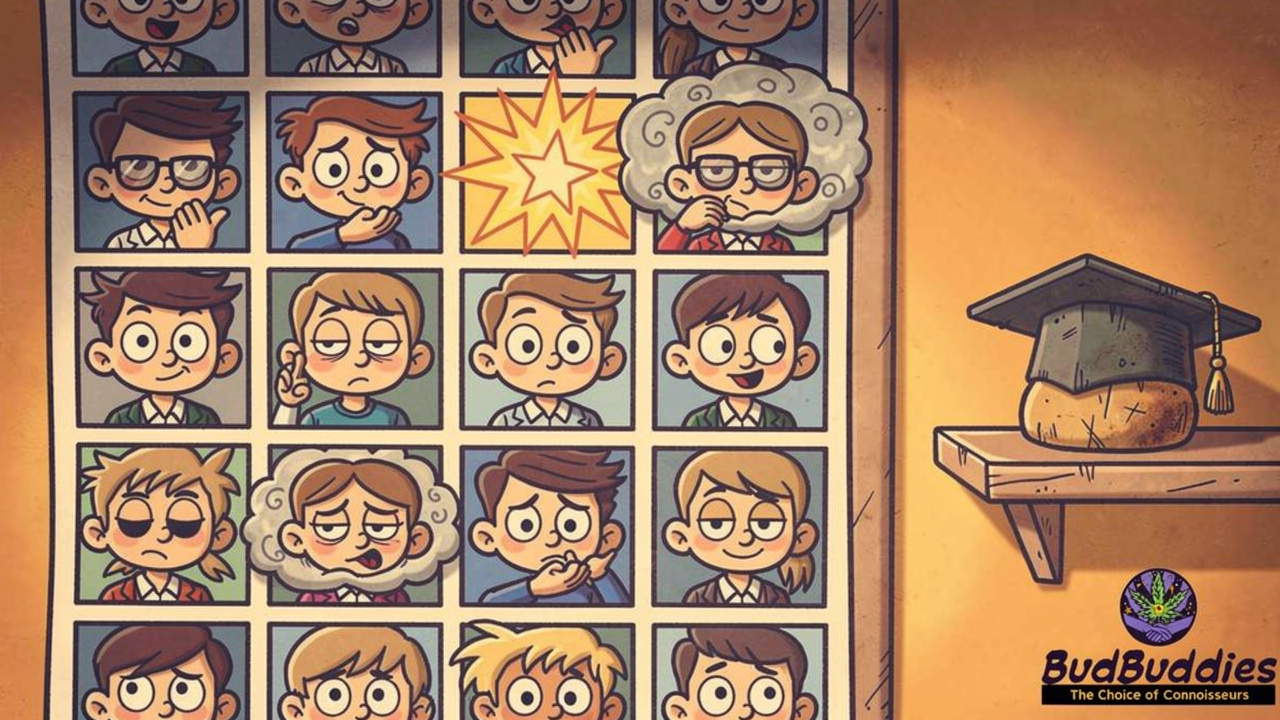
Regular, heavy use is where weed and student productivity clash the hardest. An occasional joint at the weekend is very different from vaping strong THC most evenings of the week. Studies follow this pattern again and again.
Long term research on the Dropout Epidemic—Who Is (Not) graduating high school found that young people who used cannabis daily were up to 60 percent less likely to finish school than those who did not. That work focused on teenagers, but the pattern still rings true for university students. Frequency and dose matter more than simple yes or no use, as shown by studies examining The Effect of Smart intervention programs on reducing dropout risk through national-level data.
There are a few main pathways that connect regular use with lower grades:
Sleep quality shifts. THC helps many people fall asleep quicker, yet it cuts into REM sleep, which is prime time for memory building. Reviews in Sleep Medicine Reviews link THC with altered sleep stages. If your REM time shrinks night after night, your brain has fewer chances to file the day’s learning. Revision then feels less efficient, so you might lean on even more cannabis to relax, and the loop repeats.
Motivation can thin out. Some heavy users describe a flat, “could not be bothered” feeling that just will not shift. Tasks that used to feel rewarding start to seem pointless. You still attend lectures, but you check out mentally. Over a term or a year, that slow drift can pull marks down.
Carry over effects build up. Even when you do not feel high in the morning, your sharpness can still be dulled after frequent evening use. You may read the same page three times or lose track during fast lectures. That kind of background fog is hard to notice day by day, yet it shows in exam performance.
None of this means that any cannabis use ruins your academic future. It does mean that daily or near daily use during term time carries real cost. Students who set clear rules for themselves, like no THC on weeknights or no use in the two weeks before exams, usually keep more of their cognitive edge.
“Cannabis rarely blows up a degree overnight. It chips away at focus, motivation, and sleep until marks start to slide.” — typical observation from university support staff
Practical Harm-Reduction Strategies for Students Who Choose to Use
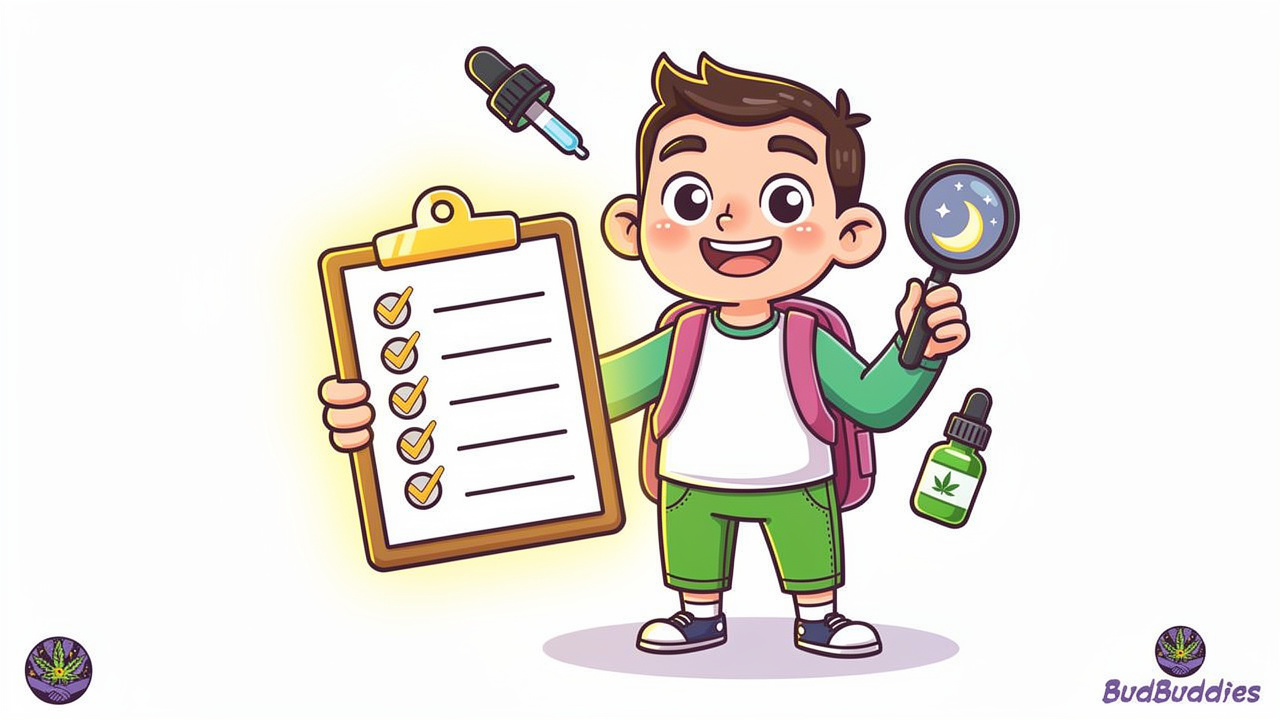
If you are going to use cannabis as a student, harm reduction gives you a practical way to protect both wellbeing and grades. The aim is not perfection. The aim is to line up your habits with the parts of life you care about.
Timing has the biggest impact, a point reinforced by a daily diary study titled From fried to focused? which found that when cannabis is used relative to work tasks significantly shapes its downstream effects on performance. Keep THC for after you finish key tasks, not before. Many students find a simple rule works well, such as “no THC until I have done three focused study blocks” or “no weed the night before a morning lecture”. That creates a clear mental line between work and chill time. It also protects sleep if you avoid very late sessions.
Next comes dose and product choice. Starting low and moving up slowly gives you far more control. That matters a lot with edibles, which creep in slowly and last for hours. With BudBuddies you can see milligrams per gummy or per piece, along with advice on starting amounts, which reduces the chance of an unexpectedly heavy night that eats into the next day’s plans.
“Start low and go slow” is standard advice from clinicians and harm-reduction workers when it comes to cannabis edibles.
Quality is another big factor. Unknown strength products can swing from mild to overwhelming without warning. BudBuddies publishes Certificates of Analysis for its range, so you can see actual lab results for THC, CBD, and contaminants. That kind of transparency lets you match potency to your tolerance and your schedule, instead of guessing.
Here are some practical patterns many students find helpful:
Set “study first, weed later” rules for the week. This might mean using THC only after your last planned task, or keeping it for certain evenings. Over time that habit protects your work rhythm while still leaving room for enjoyment and release.
Use CBD where you want calm without a high. CBD oils, capsules, or vapes from BudBuddies suit evenings before early lectures or revision days, because they ease stress without fogging your head. That can be especially helpful nearer exams when you cannot afford hazy mornings.
Plan regular check ins with yourself. Once a month, ask simple questions. Is cannabis helping me relax without wrecking my plans? Have my marks, attendance, or mood dipped since I changed my use? Honest answers help you catch problems early and adjust rather than drift.
Discreet, smell proof packaging and tracked delivery through Royal Mail also reduce background stress. Students in shared houses or halls often worry about parcels standing out. BudBuddies keeps outer packaging plain, so you can focus on making smart choices about your use instead of worrying about who sees what.
Wrapping Up
Weed and student productivity sit in a grey area that memes and scare stories both miss. For most core study tasks, THC heavy products reduce focus, slow thinking, and weaken memory, especially when used often or during revision.
The picture shifts when you look at timing, dose, strain, and format. Moderate, well planned use away from study hours, along with more CBD forward options, can fit more safely into student life. BudBuddies supports that thoughtful approach with clear lab data, strain specific guidance, and a range that runs from classic flower to precise edibles and CBD products. With same day dispatch before 3 pm, free delivery over £60, and discreet, smell proof packaging, the whole experience stays smooth and private.
If you choose to use cannabis as a student, let your grades, sleep, and long term goals shape how you use it, not the other way round.
Frequently Asked Questions
Question 1: Can Weed Help With Exam Anxiety?
Weed can ease exam nerves for some people at low doses, but it can also make anxiety and paranoia worse at higher doses. THC can speed your heart, scatter focus, and trigger worry spirals under pressure. For many students, CBD forward products from BudBuddies give a calmer, clearer option to support nerves without a high.
Question 2: How Long Does Weed Affect Your Concentration After Using It?
For smoked or vaped cannabis, strongest effects on focus usually sit within one to three hours. With edibles, the main high often lasts four to eight hours. Heavy or frequent users can notice a milder fog into the next morning. Planning use around lectures and study blocks helps avoid those carry over effects.
Question 3: Is CBD Okay to Use While Studying?
CBD does not cause a high and does not carry the same short term memory problems as THC. Many students use CBD while revising or before bed to soften stress without losing clarity. BudBuddies offers CBD oils, capsules, and edibles with clear labelling, which suits daytime or study adjacent use. As with any supplement, start with a small amount and see how alert you feel.
Question 4: What Is the Best Strain for Students?
There is no single best strain for every student. The right choice depends on your goal, timing, and tolerance. Lighter, balanced THC and CBD strains may suit evenings on study days, while heavier indica options are better kept for nights off. BudBuddies product pages include effect notes and customer reviews to help you narrow options.
Question 5: Does Weed Affect Sleep Quality for Students?
Weed can help you fall asleep faster, but THC often reduces REM sleep, which plays a strong role in memory and learning. Over time that can blunt how well revision sticks. Students who want sleep support without that trade off often look at CBD options from BudBuddies rather than strong THC right before bed, or keep THC for nights when study demands are low.

