Weed for Restless Legs: Can Cannabis Calm RLS?
Introduction
Lying still, trying to drift off, but your legs feel like they have their own plans. The crawling, fizzing, almost electric urge to move keeps building until you have to get up and walk around the room again. Restless Legs Syndrome (RLS) can turn bedtime into something to dread.
When usual tips and tablets do not give enough relief, it is natural to start looking at weed for restless legs and wondering whether it might help. Cannabis is already part of many people’s sleep routines, so the idea of using it for RLS does not come out of nowhere. There is also a reasonable scientific story behind it, which centres on the way cannabis interacts with the brain’s movement and sleep systems.
It is important to be clear though. Cannabis does not work the same way for everyone, and it is not a magic fix. Some people report real relief, especially with night-time symptoms and sleep, while others feel only a mild change or none at all. The useful part is understanding why it might help, and how to give yourself the best chance of a good outcome.
If your legs will not let you sleep, you are not alone — and cannabis might be worth understanding better. In this guide, you will see what RLS actually is, how the endocannabinoid system ties into it, which cannabinoids and terpenes matter most, which products fit night-time use, and how BudBuddies can help you move from guesswork to a calmer, more confident routine.
What Is Restless Legs Syndrome — And Why Does It Happen At Night?
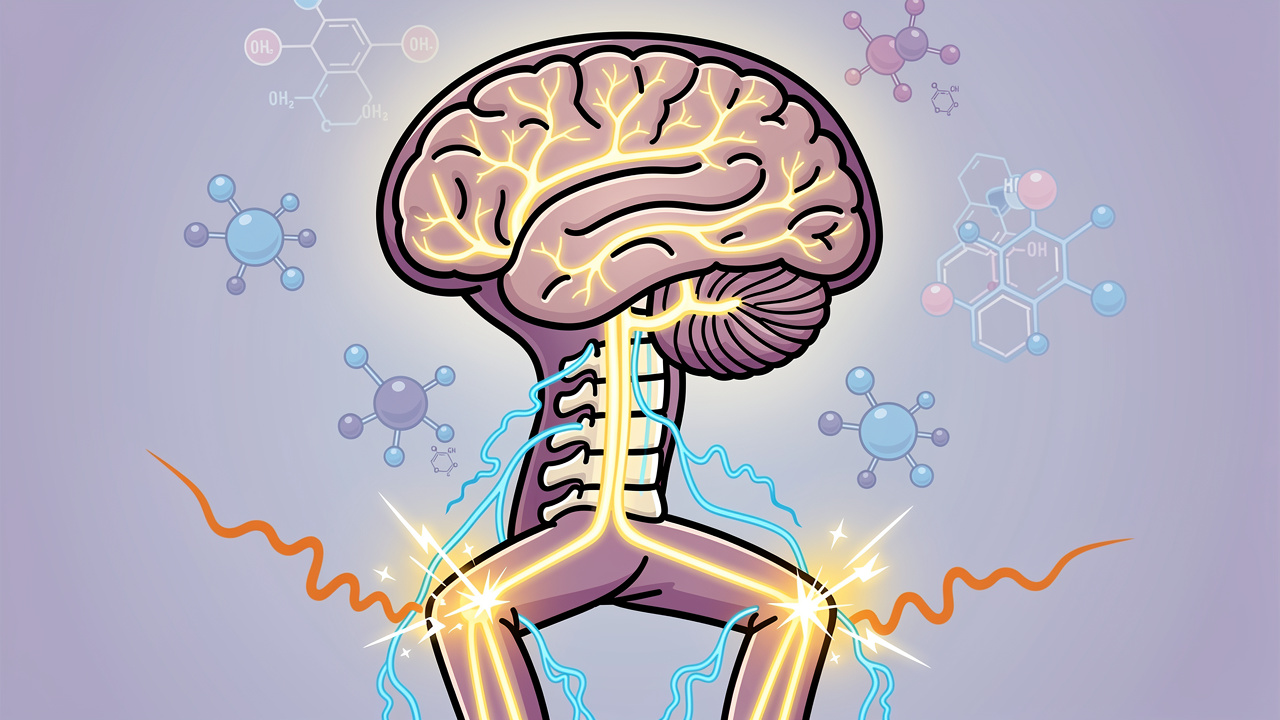
Restless Legs Syndrome is a neurological condition where you feel an overwhelming urge to move your legs, usually when you are resting in the evening or at night. It often comes with odd, hard-to-describe sensations deep in the legs that are not like normal cramps or pins and needles. Moving the legs brings relief, but only for as long as you keep them moving.
Doctors use four simple points to describe RLS. There is a strong urge to move your legs, usually due to uncomfortable feelings. The sensations start or worsen when you are resting. They ease when you move, at least while the movement continues. And they are worse at night than during the day. Put together, that is why RLS and sleep tend to clash.
People often describe their symptoms in similar ways, even if the intensity varies:
You might feel crawling or creeping feelings under the skin that will not settle. These can come in waves, growing until you feel you have to move. Even when you know nothing is actually on your skin, the sensation feels very real and very hard to ignore.
You might notice a deep pulling or aching feeling in the muscles. This is not quite like soreness after exercise, more like a dull but constant pressure. Stretching may take the edge off, but as soon as you stop, the tension seems to snap back.
Some people talk about a fizzy or electric buzz in the legs. It can feel as if the nerves are firing at the wrong time, especially when you are trying to relax. That mismatch between a tired mind and restless legs is what makes RLS so draining.
The National Institute of Neurological Disorders and Stroke describes RLS as “a neurological disorder characterized by unpleasant sensations in the legs and an irresistible urge to move them, often during periods of rest or inactivity.”
RLS is strongly linked to changes in dopamine, a chemical the brain uses to control movement. Dopamine levels naturally dip in the evening, which helps explain why your legs behave during the day but not when you get into bed. Triggers such as low iron, pregnancy, certain medicines, or stress can also make things worse. This dopamine link is one of the reasons people are looking at cannabis, because the endocannabinoid system and dopamine system are closely connected.
How Cannabis Interacts With RLS Symptoms — THC, CBD, And The ECS

To understand why some people explore weed for restless legs, it helps to look at the endocannabinoid system (ECS). You can think of the ECS as your body’s internal balancing network. It uses natural chemicals and receptors spread through the brain and body to help steady mood, sleep, pain, and movement.
Many ECS receptors, especially the CB1 type, sit in parts of the brain that manage movement and muscle control. These same areas use dopamine heavily. When the ECS is nudged, it can change how dopamine is released and how signals are passed along movement pathways. That is the bridge between cannabis, which interacts with the ECS, and a condition like RLS, which seems to involve misfiring movement signals.
Research on cannabis for Restless Legs Syndrome is still limited and mostly based on small studies and real-world reports, so nothing here replaces medical advice. It does, however, offer a useful starting point for understanding how different cannabinoids might affect your symptoms.
The two best-known cannabis compounds are THC and CBD. They both link into the ECS, but in different ways, and that matters when you are thinking about restless legs:
THC interacts quite directly with CB1 receptors in the brain. For some people, this helps calm the urge-to-move cycle by smoothing out signalling in movement areas. THC also has a strong muscle-relaxing effect, which can soften that tight, twitchy feeling in the legs. At night, its sedating side can help you fall asleep faster and stay asleep, although the psychoactive effects mean you need to be careful with dose and timing. At higher doses, THC can also cause anxiety or a racing mind in some people, which is the opposite of what you want at bedtime.
CBD works more indirectly. It helps your own endocannabinoids hang around for longer and interacts with other systems linked to pain and anxiety. For RLS, that can mean softer background discomfort and a calmer mind at bedtime. Many people find CBD takes the edge off evening stress, which is known to worsen leg symptoms, and it does this without making you feel high.
You often get the best out of cannabis when these compounds work together, along with aromatic plant chemicals called terpenes. This combined action is sometimes called the entourage effect. A product that brings THC, CBD, and the right terpenes into one formula may offer a broader, smoother effect than any one part alone.
For RLS-style symptoms, terpenes worth paying attention to include myrcene, which is linked with heavy body relaxation and drowsiness, linalool, which has a gentle, lavender-like calm, and caryophyllene, which can support comfort through its interaction with certain receptors. Once you understand how these pieces fit, the next step is choosing a product that matches your needs, sensitivities, and evening routine.
Choosing The Right Cannabis Product For Restless Legs
Knowing that weed for restless legs might help is one thing. Choosing where to start is another. The aim is simple: you want something that helps your legs settle, helps your mind wind down, and fits the timing of your symptoms. This is where strain type, terpene profile, and product format all come together.
At BudBuddies, the range is curated with this kind of thinking in mind. Rather than a messy wall of options, you will find clear categories, effect filters, and detailed descriptions that help you match what you feel in your legs with what is in the product.
Indica, Hybrid, Or CBD-Led? Picking Your Starting Point
If your main problem is an over-active body at night, indica and indica-leaning hybrid strains tend to be the natural starting place. These strains are known for a heavy, body-focused calm that helps muscles relax and makes it easier to stay still. They are best kept for evenings, when that weighty sense of relaxation is exactly what you are looking for.
If you are new to cannabis or know you are sensitive to THC, high-CBD strains and CBD-led hybrids give you another path. They aim for steady comfort, less mental chatter, and better sleep quality, but without the same intensity of psychoactive effects. For many people, this feels like a smoother introduction to using weed for restless legs, especially when work or family life means you need a clear head the next day.
Balanced THC:CBD ratios can also be helpful. A product with a more even split between THC and CBD may give enough body relief for RLS while keeping the high more grounded and manageable.
On budbuddies.cc, you can filter by effects such as relaxation and sleep to narrow things down quickly. You will see indica and hybrid flowers chosen for their myrcene-heavy profiles, chilled evening vapes, and CBD-focused options if you would rather stay away from strong THC at first. That way, you are not picking in the dark or guessing from strain names alone.
Consumption Method Matters — Timing Is Everything For RLS
With RLS, timing really matters. Your symptoms usually kick off in the evening and disturb the first part of the night the most. The method you choose to take cannabis changes how fast it starts working and how long it lasts, so it is worth matching this to your pattern.
Where possible, many people prefer options other than smoking, as inhaling burnt plant material can be harsh on the lungs. Vapes, oils, and edibles often feel kinder for regular use.
Vaping or other inhalation methods act within minutes, which makes them handy when your legs suddenly flare up as you sit down to relax. A small amount from a BudBuddies evening vape can quickly soften that restless buzz so you can settle back on the sofa or slide into bed more calmly. Because the effects fade in a few hours, this method suits those early, sharp episodes.
Edibles and gummies take longer to start working, but once they do, they tend to last much of the night. If you take a measured THC edible or one of BudBuddies’ CBN gummies an hour or so before bed, the gradual onset can carry you through the restless patch and keep your sleep steadier. This can be particularly helpful if your legs tend to wake you at three or four in the morning.
Tinctures and oils sit somewhere between inhalation and edibles. A dropper of full-spectrum or broad-spectrum CBD oil from BudBuddies under the tongue can start working within half an hour and last for several hours. You also get fine control over dose, which makes it easier to adjust in small steps as you learn what your body responds to.
Topicals and balms give local comfort when your muscles feel sore or tense from all the moving about. Rubbing a cannabis-infused cream into your calves or thighs can feel soothing, especially as part of a wind-down ritual. On their own they are unlikely to calm the deep neurological drive to move, but they pair well with another method.
For many people with restless legs, a layered approach works well: something fast-acting to handle that first burst of symptoms, plus something longer-lasting to support sleep through the night. BudBuddies’ clear product labelling and effect filters make it easier to set up that kind of simple, repeatable plan.
How To Start — Dosage, Terpenes, And Finding What Works For You
Once you have a rough idea of which products interest you, the most important rule is simple. When you are using weed for restless legs, start low and go slow. Your endocannabinoid system is personal to you, and gentle, gradual testing is the safest way to find your sweet spot.
With inhalation, that might look like one small puff on an indica vape, then waiting fifteen to twenty minutes before deciding if you need more. With edibles, it usually means starting with around 2.5–5 mg of THC, or a low-dose CBN or CBD gummy, and waiting at least two hours before adding anything else. Rushing extra doses is one of the fastest ways to feel uncomfortable rather than calm.
Keeping a simple note on your phone can help more than you would think. Jot down the product, dose, timing, and how your legs and sleep felt. After a week or two, patterns start to show. You can see, for example, that a certain indica at a certain dose half an hour before bed cuts down the number of times you have to get up and walk around.
Terpenes are worth watching here too. When you browse BudBuddies flowers, vapes, and oils, you will see terpene profiles listed alongside THC and CBD. Myrcene over about 0.5% often lines up with heavier body relaxation. Linalool points towards a more calming, soothing effect. Caryophyllene leans towards comfort and a sense of ease. These are not just flavour notes; they help shape how the weed for restless legs actually feels in your body.
To keep things safer and more predictable, it helps to:
Check local laws and only use cannabis where it is legal and appropriate.
Talk to your doctor, especially if you are pregnant, have other health conditions, or take medicines for RLS or sleep.
Avoid driving or using machinery after taking THC, even if you “feel fine”.
Be cautious mixing cannabis with alcohol or sedative medicines, as this can make you more drowsy than you expect.
Increase doses slowly and only after you have tested the same amount over several nights.
BudBuddies backs this up with lab-tested CBD products, clear Certificates of Analysis, and detailed descriptions covering genetics, expected effects, and customer reviews. Orders arrive in discreet, unmarked packaging with tracked delivery, which matters if you value privacy as much as you value sleep. You can take your time, read through the information on budbuddies.cc, and move at a pace that feels right for you.
The right product, the right dose, and a consistent routine can make a real difference to restless evenings. Getting there is a steady, simple process, not a race.
Conclusion
Restless Legs Syndrome can drain your energy, mood, and patience, especially when it steals your sleep night after night. Because RLS is tied to changes in dopamine and movement control, it makes sense that many people are exploring cannabis, and especially weed for restless legs at night, as a way to calm the body and support better rest.
Cannabis is not a cure, and it will not act the same for everyone. What you can do is stack the odds in your favour: choose indica or CBD-led products that match your sensitivity, pay attention to terpenes that support relaxation, and follow a careful start-low-go-slow approach. Combining a fast-acting method with a longer-lasting one often suits the way RLS behaves.
BudBuddies is set up to help you do this in a clear, confident way. From terpene-rich flowers and evening vapes to CBN gummies, THC drinks, and carefully tested CBD oils, everything is presented with straightforward explanations, transparent lab reports, and discreet delivery.
If you are ready to explore whether cannabis can help your legs settle and your sleep improve, head to budbuddies.cc and use the effect filters to browse products aimed at relaxation and sleep. Take your time, listen to your body, and build a routine that gives your evenings back.
FAQs
Can Weed Really Help With Restless Legs Syndrome?
Some people find that cannabis eases the uncomfortable sensations of RLS and makes it easier to stay still and fall asleep. The link seems to come from how THC and CBD interact with the endocannabinoid system, which in turn connects with dopamine and movement control. It is not guaranteed, and evidence is still developing, but it is a serious option many are exploring with medical guidance.
Is Indica Or Sativa Better For Restless Legs?
For most people with restless legs, indica and indica-dominant hybrids are a better fit than lively sativa strains. Indicas tend to relax the body, soften muscle tension, and encourage sleep, which suits night-time symptoms. Sativas can feel more stimulating, which is rarely what you want when you are trying to calm restless legs in bed.
What Is The Best Time To Take Cannabis For RLS Symptoms?
Evening use usually makes the most sense. If you vape, using a small amount shortly before or at the first sign of symptoms can help quickly. If you use edibles or oils, taking them around thirty to ninety minutes before bed gives them time to settle in so they can support you through the night. Always allow time for effects to appear before adding more.
Can CBD Alone Help With Restless Legs?
Yes, CBD on its own can be helpful, especially if anxiety, general discomfort, and broken sleep are part of your RLS picture. It supports the endocannabinoid system, helps many people feel calmer, and does not make you feel high. THC may add stronger muscle relaxation, but starting with a BudBuddies CBD oil or gummy is a gentle entry point.
What Terpenes Should You Look For If You Have Restless Legs?
When you are shopping, look for products with myrcene, linalool, and caryophyllene in their terpene profile. Myrcene is often linked with strong body relaxation and drowsiness. Linalool tends to feel calming and soothing. Caryophyllene is associated with comfort and ease. BudBuddies lists terpene information on product pages so you can choose with more confidence.