


Why Am I So Sensitive to THC? Causes and Calmer Use
Introduction
That moment when a tiny amount of cannabis feels like far too much often leads to the question, why am I so sensitive to THC? Racing thoughts, a pounding heart, and a wobblier reality can feel very unsettling. Yet that reaction starts with biology, not weakness.
THC sensitivity simply means your body reacts strongly even at low doses. Genetics, body chemistry, product strength, and format all shape that response. This guide explains why some people are more reactive, what actually triggers those overpowering highs, and how to make sessions calmer and more predictable.
Stay with this page to turn that “why am I so sensitive to THC” worry into clear steps, with BudBuddies as a steady, privacy‑minded place to choose products that match your comfort level.
Why Does THC Hit You Harder Than Other People?
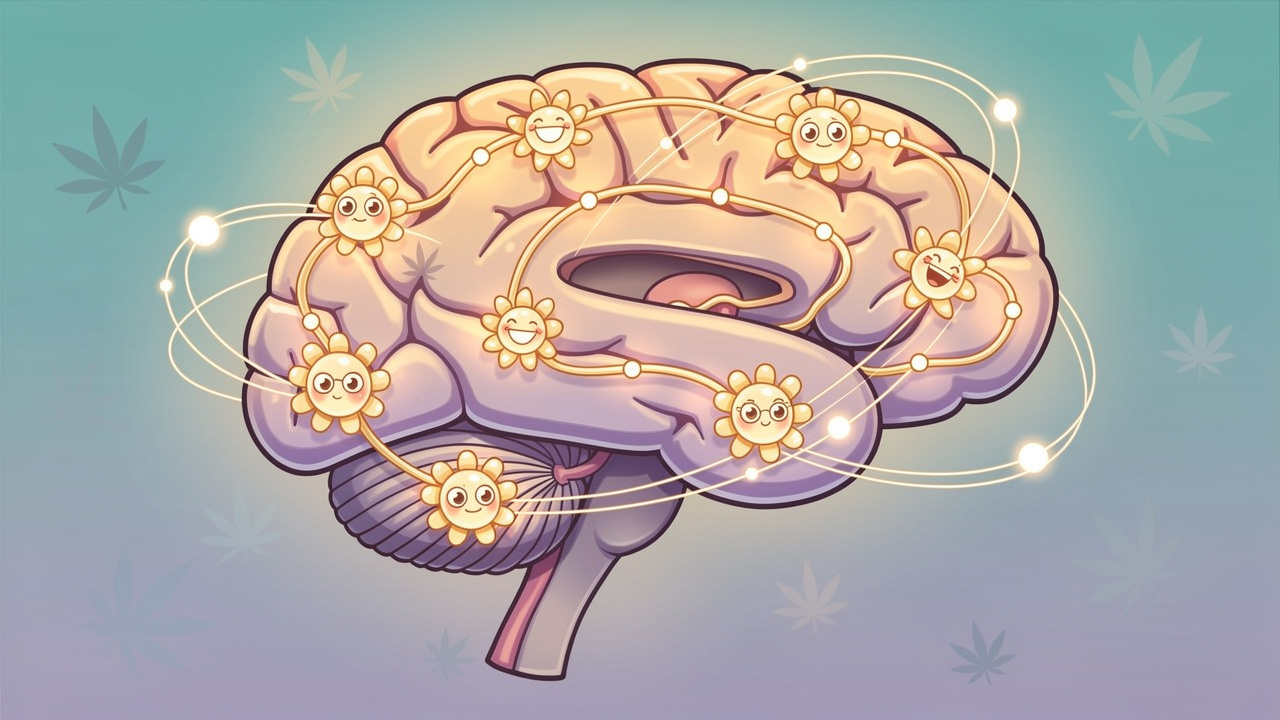
THC hits some people harder because their endocannabinoid system reacts more strongly at the same dose. The number and behaviour of CB1 receptors in your brain, plus your genes and metabolism, set the tone for how intense a session feels.
THC (tetrahydrocannabinol) binds to CB1 receptors spread through brain areas that handle mood, memory, and perception. These receptors form part of the endocannabinoid system, along with CB2 receptors and natural messengers like anandamide. According to the National Institute on Drug Abuse, inhaled THC reaches the brain within minutes and usually peaks in around 30 minutes, which is why effects can rush in so quickly.
The exact layout of this system varies from person to person. Some people have denser CB1 receptor networks or receptors that respond more strongly, and research into Assessing the influence of CYP2C9 and related genotypes confirms how significantly individual metabolism shapes these outcomes. Others clear THC more slowly, so the same amount hangs around longer. When you ask “why am I so sensitive to THC” after sharing the same joint as friends, these differences often sit underneath that feeling.
Several key genetic factors often sit behind repeated THC sensitivity:
CNR1 Gene
The CNR1 gene affects how your CB1 receptors look and behave. Certain versions of this gene link to receptors that grip THC more tightly. People with these variants can feel strong mental effects from what others see as a tiny dose, even early in their cannabis use.FAAH Gene
The FAAH gene guides production of the enzyme that breaks down anandamide, sometimes nicknamed the “bliss molecule”. A less active FAAH enzyme means more anandamide sitting in your system. Add THC on top and that pathway can feel overstimulated, which for some people translates into intense highs or anxiety spikes.CYP2C9 Enzyme
CYP2C9 is a liver enzyme that helps turn THC into other compounds so the body can clear it, and Hypothesized pharmacogenomic and medication influences on THC metabolism suggest that genetic variants in this enzyme can dramatically extend how long THC remains active in your system. The result can be highs that feel stronger, last longer, and sometimes return in waves.
All of this means two people can use the same amount of THC, from the same product, and still have very different experiences.
How Your Body Type And Hormones Play A Role
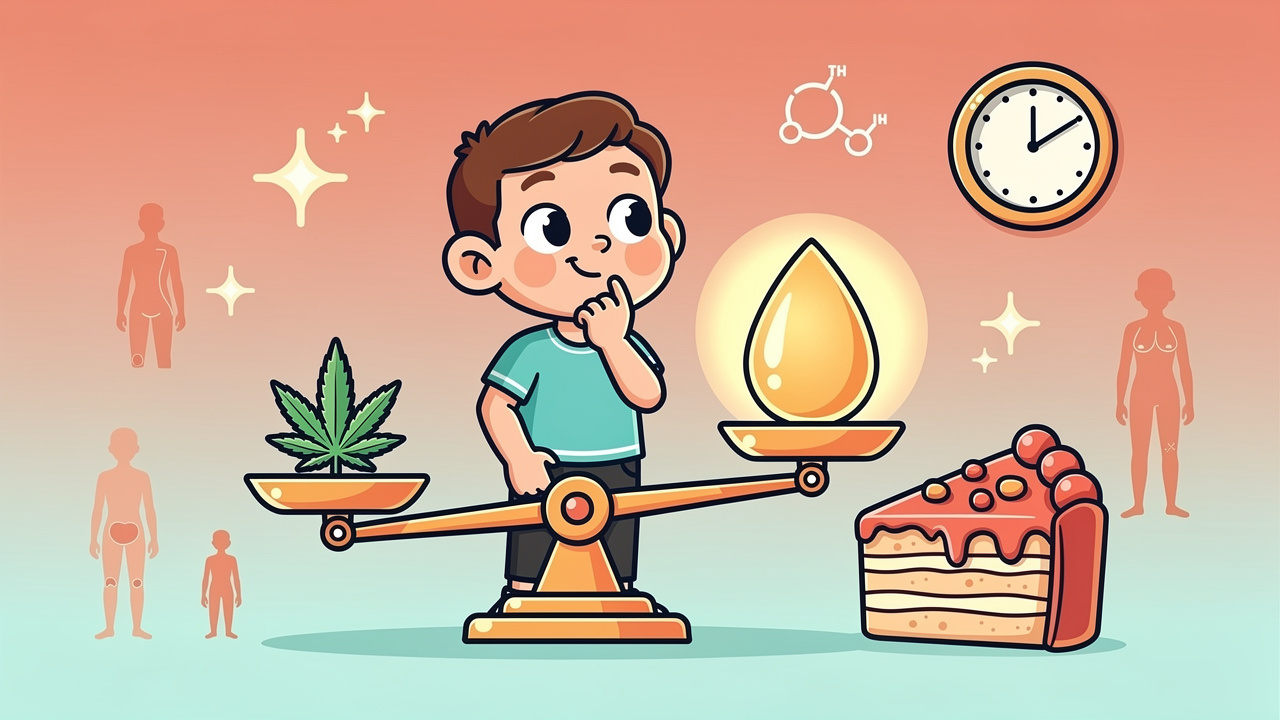
Body type and hormones often fine‑tune THC sensitivity even when genes stay the same. THC dissolves in fat, so it moves into fatty tissue before slowly drifting back into the blood. People with very low body fat sometimes feel a sharper, quicker onset because there is less tissue acting as a sponge.
Several physical factors stand out:
Body Fat
With very low body fat, there is less storage for THC. That can mean a quicker climb in blood levels and a more intense first phase of the high.Metabolism
A slower metabolism gives THC more time to act before the body clears it. That can stretch out the high and make each dose feel heavier. A very fast metabolism, on the other hand, can give a strong initial peak that settles more quickly.Hormones
Hormones add another layer, especially oestrogen. Research reviewed by Frontiers in Neuroscience suggests that higher oestrogen can increase sensitivity to THC. Many people notice that the same amount of cannabis feels different at various points in the month or compared with friends who have different hormone levels.
As many cannabis educators like to say, “Your dose is yours alone.” Two people can share the same joint and feel completely different.
Tolerance, Potency, And Product Format: The Three Practical Triggers
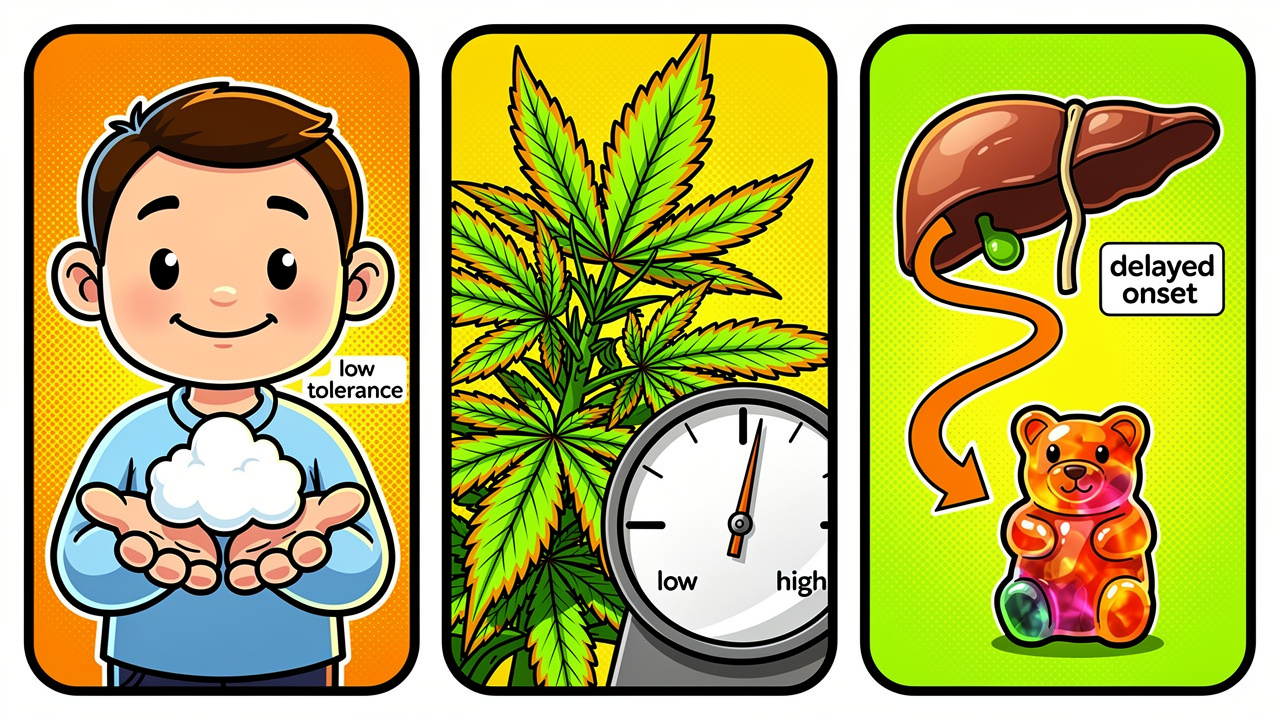
Tolerance, product strength, and consumption method explain many “why am I so sensitive to THC” moments. Even without any genetic tests, changes in these three areas can turn a once gentle effect into something far more intense.
Tolerance builds when CB1 receptors see THC often. With frequent use, the brain protects itself by dialling down how many receptors are available or how strongly they respond. When you stop for a while, those receptors start to return. If you then take your old dose straight after a break, your body meets that amount as if you were a beginner again.
Product strength sits on top of this. Modern strains and concentrates are often far stronger than products people remember from earlier years. If you switch from a mild flower to a high‑strength concentrate without changing your dose, the difference can feel huge.
Format shapes how fast THC reaches your brain and how it changes in your body. Harvard Health Publishing notes that smoked or vaped cannabis usually peaks within 30 minutes and fades in 2 to 3 hours, whereas edibles can take up to 2 hours to start and then last 4 to 8 hours.
Here is how those three triggers usually play out in real life:
Tolerance
When tolerance is low or freshly reset, CB1 receptors respond to THC with full strength. Someone who has not used cannabis for weeks, or who is completely new, often needs only a very small amount. If that person matches the dose of a heavy daily user, they are much more likely to later ask, “why am I so sensitive to THC?”Potency
Strong flower or concentrates pack more THC into each puff. A small dab of concentrate or a strong vape cart can quietly contain several times the THC of an older‑style joint. Without checking the label, people can move from a mild product to a much stronger one by accident and feel overwhelmed.Format
Edibles send THC through the liver before it reaches the brain. There it changes to 11‑hydroxy‑THC, a form that passes into the brain more easily and often feels heavier. Because the onset is delayed, many people redose too soon, then both doses land together and feel far more intense than expected.
How Modern THC Potency Levels Have Changed The Game
Modern potency levels help explain why many returning users suddenly wonder, “why am I so sensitive to THC now?” They often are not more fragile; the products around them are simply stronger.
Data from the National Institute on Drug Abuse show that average THC levels in seized cannabis samples rose from around 4 percent in the 1990s to more than 15 percent in recent years, a shift that mirrors broader trends in how Accounts Receivable Statistics (2026): product market data tracks consumer exposure to increasingly potent formulations. On top of that, many current strains on commercial menus sit in the 20 to 30 percent range.
Concentrates go even further, often testing above 80 percent THC. Someone who steps from a mid‑strength 10 percent flower to a 25 percent flower or a strong vape cart, without changing dose, can suddenly feel side effects they have never met before.
A common harm‑reduction reminder is, “Know what’s in your stash before you light it.” Reading labels and lab reports is one of the simplest ways to avoid an unwanted intense high.
What Actually Helps: Managing THC Sensitivity The Right Way
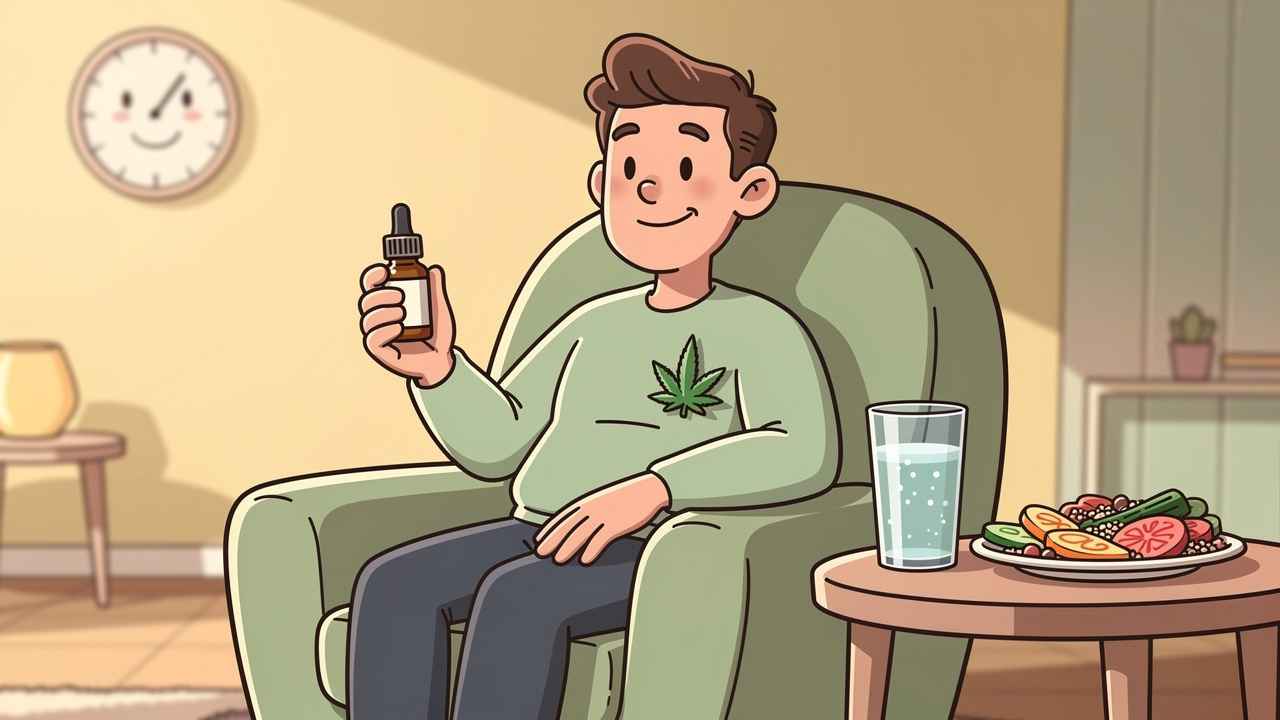
Managing THC sensitivity well means pairing gentle doses with clear product information and formats you can read. The goal is not to “toughen up” but to find a level where you feel present, relaxed, and in control.
That starts with dose. BudBuddies guides beginners and cautious users to start with 15 mg THC or less per session and to wait at least two hours before any top‑up. This patient, measured approach gives your system time to show how it responds instead of stacking doses too quickly.
“Start low and go slow” is a phrase repeated by many cannabis clinicians and educators, and it applies especially to anyone who feels very sensitive to THC.
Now to the practical steps you can use straight away:
Start Low And Go Slow
Take the smallest amount that still feels meaningful. For flower, that might be one or two gentle puffs. For edibles, BudBuddies stocks products with clear per‑piece doses so you can start around 2.5 to 5 mg THC. Wait for full onset before adding more, especially when you already ask yourself, “why am I so sensitive to THC?”Pick Lower‑Potency And Balanced Products
Choosing flower in the 10 to 15 percent THC range often feels easier to handle than very strong strains. Products with meaningful CBD content can soften the mental edge of THC. BudBuddies lists THC and CBD percentages, plus terpene details, on every product page so you can pick options that match your comfort zone.Use Formats With Readable Onset
Vaping or smoking lets you feel effects within minutes, so you can stop when you reach your preferred level. Edibles are trickier, as 11‑hydroxy‑THC develops in the liver and can catch people off guard. BudBuddies supports safer edible use with clear dosing, capsules, THC beverages, and an edible dosage calculator to help you plan.Pay Attention To Set And Setting
Your mood and environment strongly colour your high. Use cannabis in a safe, familiar place, with people you trust or on your own if that feels calmer. Avoid sessions when you are very stressed, upset, or short on sleep, because those states make THC more likely to push you into push you into anxiety.Support Your Body
Eat a solid meal beforehand, stay hydrated, and avoid alcohol with THC. Mixing alcohol and cannabis raises THC levels in the blood and often makes people dizzy and nauseous. Simple steps like these reduce the chances of “greening out” and help you notice your real sensitivity rather than a reaction to an empty stomach and dehydration.Keep CBD Nearby
A review in Frontiers in Psychiatry links CBD with reduced anxiety at moderate doses for some people. Many users find that CBD oil or high‑CBD flower takes the sharpest edge off an unexpected high. BudBuddies offers high‑CBD, low‑THC strains and blends so you can have that safety net ready.
Does CBD Actually Help With THC Sensitivity?
CBD can help many people who feel “too high” by softening some of THC’s effects. Laboratory work summarised in the British Journal of Pharmacology describes CBD as a negative modulator at CB1 receptors, and Pharmacogenetic association study of cannabis use in chronic pain populations further illustrates how individual genetic profiles shape the balance between THC and CBD effects.
That shift often shows up as less anxiety, clearer thinking, and a smoother comedown. The wider entourage effect also matters, where cannabinoids and terpenes work together. Calming terpenes such as terpenes such as myrcene and linalool can make a THC and CBD mix feel gentler. BudBuddies highlights terpene profiles and offers balanced THC:CBD products so anyone who wonders, “why am I so sensitive to THC?” can choose combinations built for calmer sessions.
When Should You Take A Tolerance Break?
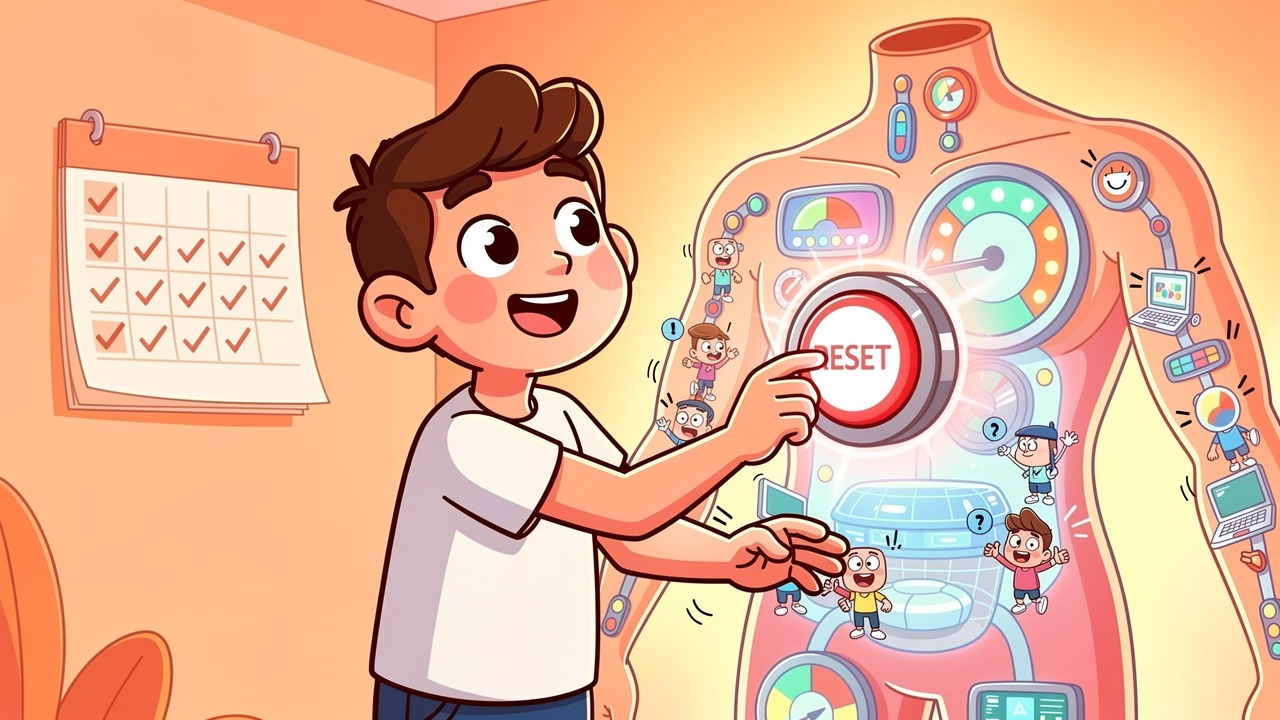
A tolerance break helps when cannabis feels blunt at high doses or, oddly, when very small amounts suddenly feel too sharp. Both patterns can show that your endocannabinoid system is tired and needs a reset.
With regular heavy use, CB1 receptors downregulate, so you need more THC for the same effect. When you stop using cannabis, the brain gradually brings receptor numbers back up. Research reported in Neuropsychopharmacology found that frequent users showed higher CB1 availability after four weeks without cannabis, which matches many people’s real‑life reports.
Signs that a break may help include:
needing much more than friends to feel any effect
finding that cannabis no longer feels pleasant or clear
noticing rising anxiety at doses that used to feel fine
feeling confused about why some days you seem “too sensitive” and on other days you barely notice effects
Many people in this situation quietly ask themselves, “why am I so sensitive to THC some days and barely feel it on others?” Often the real answer is restless tolerance, not a sudden change in character.
For most people, a pause of two to four weeks gives the system time to settle. When you come back, treat it like a first session: pick lower‑potency flower or balanced products, reduce your dose sharply, and stick to gentle formats. BudBuddies supports this process with a weed tolerance calculator, clear dosage guidance, and a wide spread of strengths so you can step back in carefully rather than guess.
Many experienced users treat a “t‑break” as routine maintenance: a short reset now that keeps cannabis feeling helpful later.
Laat Ons Afronden: Your Sensitivity Is a Signal, Not a Weakness
THC sensitivity simply means your brain and body respond strongly; it does not mean you are fragile or “bad” with cannabis. Genetics, hormones, tolerance, and product choices all feed into that “why am I so sensitive to THC” feeling.
Two actions matter most:
Understand your triggers – biology, tolerance, potency, and format.
Match that knowledge with clearly labelled, lab‑tested products, gentle doses, and patient pacing.
BudBuddies makes that second step easier through precise potency information, high‑CBD and lower‑THC options, discreet delivery, and plain‑English guidance.
When you give your system this level of respect, cannabis can move from unpredictable spikes to calmer, more reliable sessions that fit you.
Frequently Asked Questions
Question: Why do I feel anxious every time I use THC, even with a small amount?
Answer: The anxiety comes from THC activating brain areas that handle fear and threat, such as the amygdala. People who already feel tense, stressed, or prone to worry are more likely to react this way. Lower doses, high‑CBD products, and a relaxed setting usually help most.
Question: Can THC sensitivity get worse over time?
Answer: Sensitivity often drops with regular use as tolerance builds, then rises again after breaks or big dose jumps. Poor sleep, high stress, and empty‑stomach edibles also make reactions feel stronger. Keeping doses steady, taking planned breaks, and looking after basic health habits helps keep things stable.
Question: Is it possible to be genetically predisposed to never tolerating THC well?
Answer: Yes, some CNR1, FAAH, and CYP2C9 gene patterns link to stronger and longer THC effects. People with these patterns may always find high‑THC products uncomfortable. Many of them do far better with high‑CBD, low‑THC flower, balanced oils, or CBD‑only formats instead of chasing stronger strains.
Question: Does eating before consuming cannabis actually reduce sensitivity?
Answer: Eating first usually softens the impact, especially with edibles. Food slows THC absorption, which stops blood levels from spiking so fast. Sensitive users often find that a normal meal plus water before a session reduces dizziness, nausea, and racing thoughts quite noticeably.
Question: How do I know which BudBuddies products are right for my sensitivity level?
Answer: Every BudBuddies product lists THC and CBD percentages, terpene profile, and verified reviews, so you can match choices to your comfort level. Start with high‑CBD or lower‑THC options, use the edible dosage calculator and beginner charts, and build up slowly until you find your personal sweet spot.

