Why Do I Throw Up After Smoking Weed? CHS Explained
Introduction
Having a smoke and then sprinting to the bathroom is rattling, especially when the thought why do I throw up after smoking weed keeps coming back. It feels confusing, even a bit scary, when cannabis suddenly turns your stomach instead of chilling you out. That worry can build fast, and it can be hard to know whether you just overdid it or whether something more serious is going on.
For some adults, repeated sickness after a session fits a recognised pattern called Cannabis Hyperemesis Syndrome (CHS), where long term heavy use flips cannabis from soothing to upsetting the gut. For others, the answer to why do I throw up after smoking weed is simpler, like using far too much, mixing with alcohol, or inhaling poor quality product.
This guide explains what CHS is, how cannabis can lead to vomiting, the three stages doctors describe, and where hot showers fit in. You will also see clear harm reduction tips, when to speak to a GP, and how BudBuddies can support you with premium, clearly labelled products. Keep reading to make sense of your own pattern and plan your next steps with more confidence.
What Is Cannabis Hyperemesis Syndrome (CHS)?
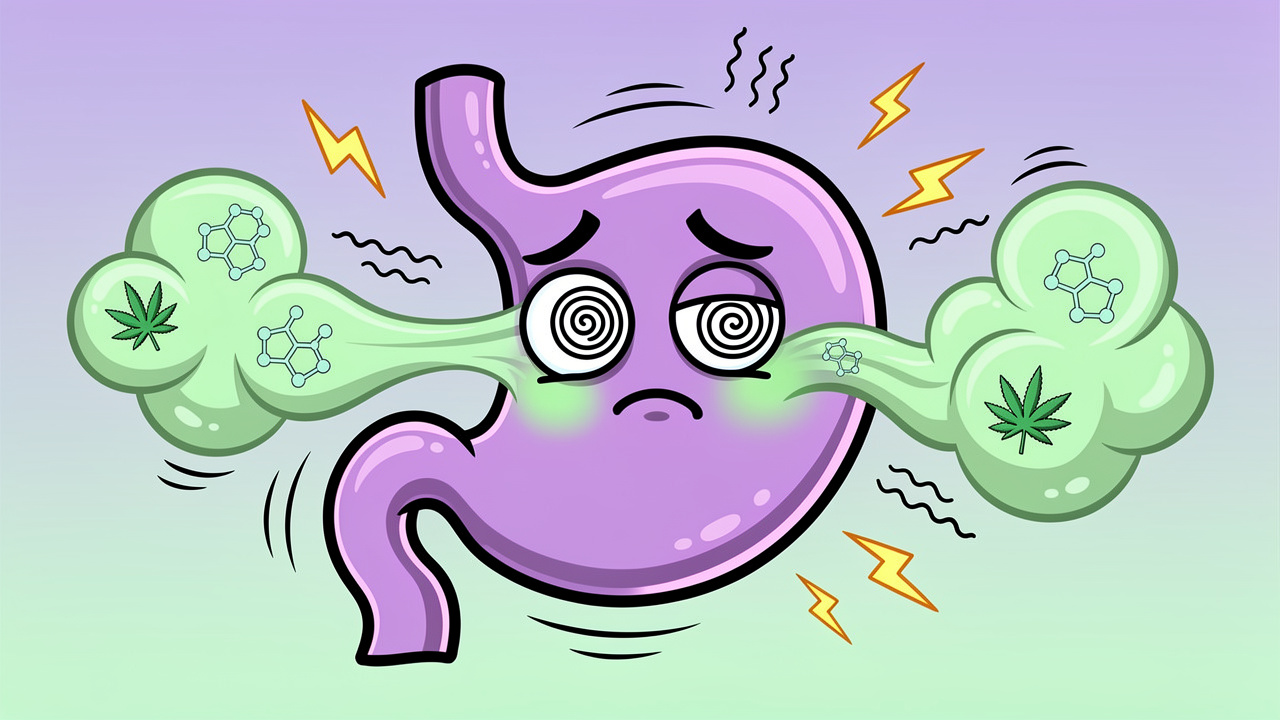
Cannabis Hyperemesis Syndrome (CHS) is a pattern of severe sickness that affects some long term, heavy cannabis users. It shows up as repeating cycles of nausea, vomiting, and stomach pain that keep returning while cannabis use continues. For people who keep facing the thought why do I throw up after smoking weed every week or month, CHS can be the missing piece.
According to Cleveland Clinic, many people with CHS have used cannabis at least weekly for years, often a decade or more, before symptoms fully appear. The pattern usually follows three phases that loop: a warning phase with morning nausea, a violent vomiting phase, then a recovery phase when cannabis stops.
There is a puzzle at the heart of CHS. THC, the main active compound in cannabis, is used in medicines to reduce chemotherapy sickness, yet here it seems to trigger vomiting. Current research from groups such as Mayo Clinic Proceedings suggests that very frequent THC exposure can gradually change how receptors in the brain and gut behave. If you have one rough evening and briefly wonder why do I throw up after smoking weed after a very strong session, that does not automatically mean CHS, but repeating cycles linked to regular use should never be ignored.
Not everyone who uses cannabis heavily develops CHS, but when the pattern appears it tends to come back until use stops. Later in this article you will see how product strength, format, and dosing choices, including premium options from BudBuddies, may lower the chances of heavy, uncontrolled intake that can move you towards this pattern.
Why Does Cannabis Make Some People Vomit?
Cannabis makes some people vomit because THC acts on receptors in both the brain and the digestive system, and heavy use can tilt that balance. In the brain, THC can calm nausea signals, which is why THC based medicines appear in cancer care guidance from bodies such as the National Cancer Institute. In the gut, the story is different.
The digestive tract also carries cannabinoid receptors. When THC keeps hitting those receptors, it can:
Slow how fast the stomach empties
Alter the valve at the top of the stomach
Disrupt normal movement of food through the gut
With occasional use, the brain’s calming effect tends to win. With very frequent use, researchers think parts of the brain stop responding so strongly, so the gut side effect takes over and sickness starts.
Not every upset stomach means CHS though. Sometimes the answer to why do I throw up after smoking weed is much more direct. Here are other common triggers:
Greening out from too much THC
Taking several strong hits in quick succession, or eating a big edible on top of flower or vapes, can overwhelm the body. You may feel spinning dizziness, a racing heart, cold sweats, and then vomit. This is especially common after tolerance breaks or with strong concentrates, and usually settles within a few hours once THC levels drop.Anxiety and fast heartbeat
High THC strains can leave some people feeling wired, shaky, and uneasy. That anxious surge can upset the stomach through the gut–brain link. If you feel panicky, notice your heart pounding, and then feel sick, the anxiety rather than CHS may be the main driver, especially if it happens only on rare, stronger sessions.Empty stomach, alcohol, or harsh products
Smoking on an empty stomach or after several drinks can easily lead to vomiting. Mixing cannabis with alcohol seems to increase absorption of THC, which makes side effects stronger, as highlighted in summaries from BMJ. Poor quality or contaminated flower can also irritate the gut, which is one reason a curated source such as BudBuddies, with clear product information, matters.
The Three Stages of CHS: What to Look For
The three stages of CHS are prodromal, hyperemetic, and recovery, and each stage has its own signs. Understanding these helps you work out whether repeated sickness is random or part of a pattern. Doctors described this three stage cycle in case series later discussed in journals like Academic Emergency Medicine.
The pattern often looks like this:
Prodromal phase
People often notice early morning nausea, mild stomach discomfort, and a growing fear of being sick. Eating usually stays normal, and there might even be weight gain from late night snacking. Many adults actually increase cannabis use here, hoping it will soothe the queasy feeling, which sadly feeds the cycle instead of calming it.Hyperemetic phase
This is when life can feel turned upside down. Vomiting becomes relentless, sometimes many times in an hour, often with strong cramps and an inability to keep food or water down. According to Cleveland Clinic, this stage often leads to A&E visits for dehydration and low salts in the blood. Hot showers or baths start to feel strangely comforting here, offering short bursts of relief that fade when the water stops.Recovery phase
This phase begins only when cannabis use stops completely. Over days to weeks, the sickness eases, appetite returns, and weight stabilises. If cannabis use restarts heavily, the loop usually begins again and the thought why do I throw up after smoking weed tends to come back quickly. That repeat cycle, especially linked with hot shower relief, is a strong sign to speak with a GP.
How Hot Showers Fit Into the CHS Picture
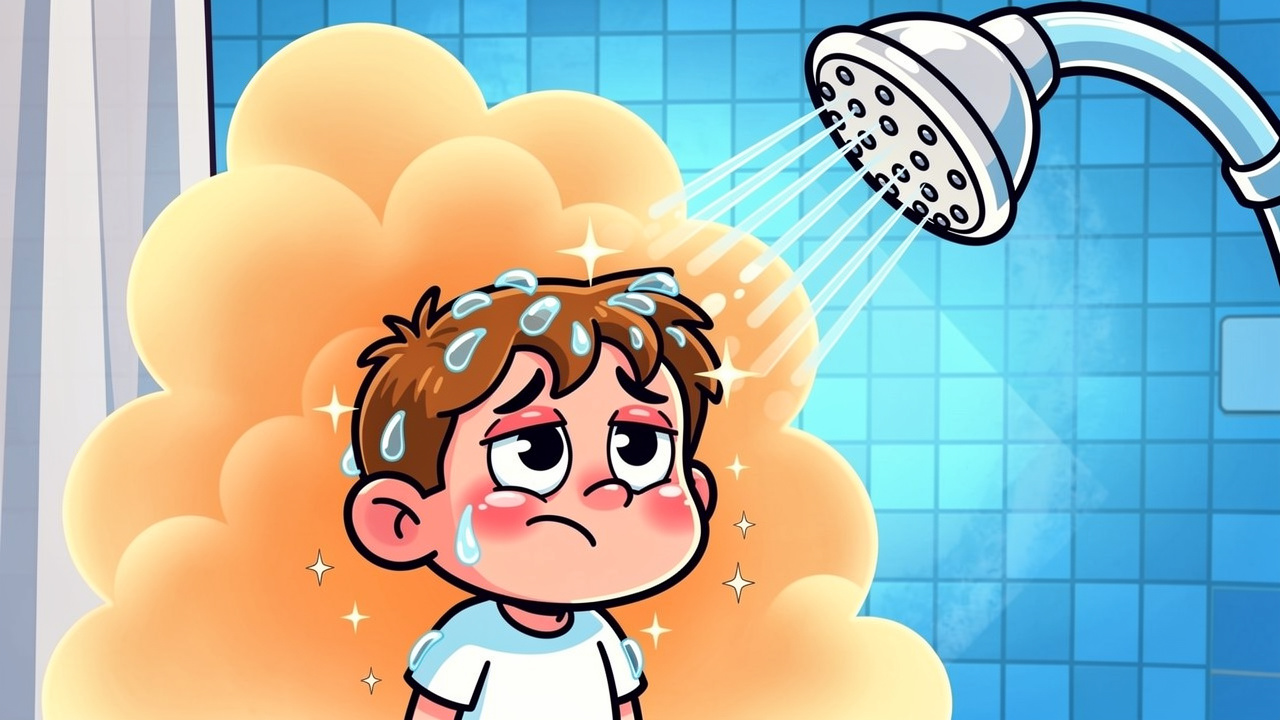
Hot showers fit into the CHS picture as a coping habit rather than a cure. Many people in the hyperemetic phase discover by trial and error that very hot water calms their sickness for a short time. This pattern is so common that it is now a key clue doctors look for.
Researchers think the heat affects the hypothalamus, the part of the brain that helps manage both body temperature and nausea signals. Flooding the skin with heat seems to distract or reset those signals for a while. It is helpful as a short break from symptoms, but it does not fix the underlying problem, and should never replace seeking medical help if vomiting will not stop.
Many people with CHS say hot showers are “the only thing that takes the edge off, even if it’s just for a few minutes,” but they also describe symptoms rushing back as soon as the water is off.
If you rely on very hot baths or showers, take care not to stay in so long that you feel faint, and keep the water temperature at a level that will not burn the skin.
How to Reduce Your Risk and Consume More Responsibly
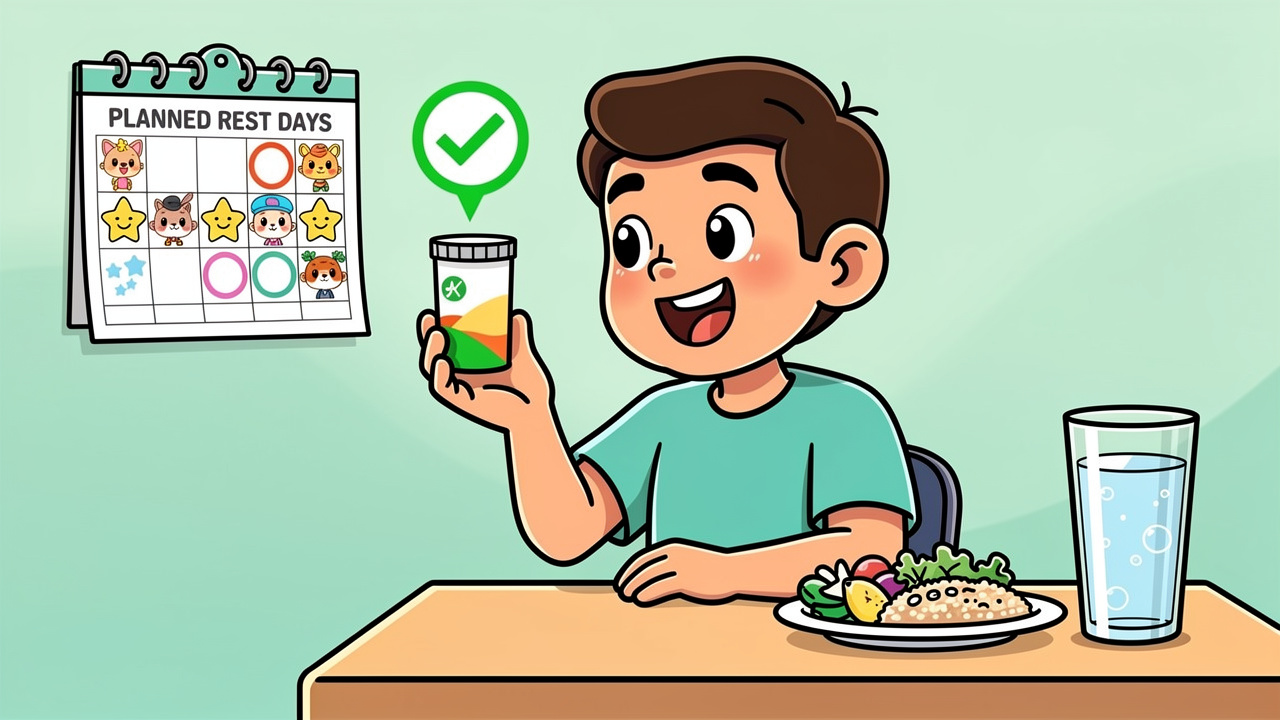
Reducing your risk of vomiting from cannabis use means changing how often, how much, and which products you choose. Nothing can give a full guarantee, because every body reacts differently, but sensible habits lower the chance of bad nights and long term patterns. Here is what that looks like in real life:
Start low and go slow with THC
When trying a new strain, vape, or edible, begin with a small amount, then wait at least an hour before taking more. This matters most with edibles, as research reported in Annals of Internal Medicine found that edibles caused about one in ten cannabis related emergency visits despite lower use. With BudBuddies edibles, clear milligram labels make it easier to keep that first step gentle.Avoid mixing with alcohol and keep food in your stomach
Drinking and consuming cannabis together often intensifies dizziness and nausea. Alcohol can also dehydrate you, which makes any vomiting feel worse. Eating a light meal beforehand steadies blood sugar and slows THC absorption, so the experience feels smoother rather than like a sudden wave.Take tolerance breaks and notice patterns
Using several times a day for months on end gives receptors in your brain and gut very little rest — a dynamic explained clearly in this Introduction to Cannabinoid Hyperemesis resource covering how chronic exposure affects the endocannabinoid system. Short breaks, even a few days each month, help you spot whether morning nausea or stomach aches appear when you restart. If the thought why do I throw up after smoking weed keeps returning after each break, it is time to stop and talk to a GP.Choose quality, clearly labelled products
Unknown flower or homemade edibles can vary wildly in strength, which makes overdoing it much more likely. BudBuddies focuses on premium, lab tested flower, measured edibles, and THC vapes with stated percentages, backed by Certificates of Analysis. That level of detail supports better dosing choices and helps value conscious shoppers pick the right strength for their comfort zone.Consider CBD or lower THC options
Some adults find they can still enjoy aspects of cannabis culture by shifting to CBD flower or balanced THC and CBD products. CBD does not produce the same high and may reduce some of THC’s sharper edges. A curated shop like BudBuddies, which lists cannabinoid percentages clearly, makes this kind of switch easier to manage.Stay hydrated and give your body a rest
Sip water regularly during and after a session, especially if you are smoking or vaping. If you feel even mildly queasy, pause rather than topping up the dose, and wait to see how your body responds.
When Should You See a Doctor?

You should see a doctor about cannabis linked sickness when vomiting is severe, keeps coming back, or appears with warning signs. Repeated vomiting is not just unpleasant, it can quickly lead to dehydration and salt imbalance that affects the heart. Reviews in BMJ note that low potassium from ongoing vomiting can trigger dangerous rhythm problems.
As many emergency doctors put it, “If you’re vomiting for hours and can’t keep fluids down, it’s safer to be checked than to wait it out at home.”
Look out for these red flags:
Vomiting that will not stop for a day or more
If you cannot keep food, water, or even small sips of electrolyte drinks down, your body starts losing fluid rapidly. Headaches, extreme tiredness, and feeling faint on standing are all signs that dehydration is building and medical care is needed.Signs of more serious illness
Blood in your vomit, black or very dark stools, severe sharp stomach pain, or a high temperature alongside vomiting all need urgent attention. These can point to problems other than CHS that only tests can rule out, so delaying here is not safe.A repeating cycle linked to cannabis use
If every spell of heavy use is followed by days of vomiting, especially with hot shower relief, speak honestly with your GP about your pattern. NHS 111 can advise when to go straight to A&E, and sharing your cannabis history clearly helps teams reach the right diagnosis more quickly.
If you feel worried but are not sure how serious things are, calling NHS 111 (or your local urgent care line if you are outside the UK) is a practical first step.
The Bottom Line on CHS and Weed-Related Nausea
The bottom line on CHS and weed related nausea is that regular vomiting points to a pattern, not a single off night. For some, the answer to why do I throw up after smoking weed is simple overuse, anxiety, or harsh products, which better habits and quality items can often calm.
For others, especially long term daily users, CHS is a real risk that makes continued heavy use unsafe. In that case, stopping cannabis is the only known way symptoms fully clear. Along the way, choosing clearly labelled, premium products from BudBuddies and paying close attention to your body’s feedback supports safer choices and a more settled relationship with cannabis.
Frequently Asked Questions
These frequently asked questions about CHS and weed related sickness give short answers you can refer to quickly.
Question: Can you get CHS from smoking weed occasionally?
No, CHS is linked to long term, frequent cannabis use rather than the odd joint. People who only ask why do I throw up after smoking weed once in a while are very unlikely to have CHS. The main risk is daily or near daily heavy use over many years.
Question: How long does it take for CHS to go away after stopping cannabis?
Symptoms usually start to ease within days once cannabis use stops, although full recovery can take weeks or even months. According to Cleveland Clinic, sickness almost always returns if heavy cannabis use restarts, even after a long break.
Question: Is there a cure for CHS?
There is no tablet or quick treatment that cures CHS while cannabis use continues. In hospital, doctors may give fluids, anti sickness medicine, and sometimes capsaicin cream for short term relief. The only proven way to stop the cycle for good is to stop using cannabis completely.
Question: Why does a hot shower help with CHS symptoms?
Hot showers seem to help CHS symptoms by affecting the hypothalamus, the brain region that manages body temperature and sickness signals. Heat on the skin offers a brief reset, so nausea eases for a short while. It is a comfort measure, not a treatment, and should never replace medical care.
Question: Could poor-quality cannabis products make nausea worse?
Yes, poor quality cannabis can make sickness worse, even without CHS. Flower with mould, residues from pesticides, or unknown additives can irritate the gut and lungs. Some adults find the only time they ask why do I throw up after smoking weed is after harsh, unknown products, which is why lab tested ranges from BudBuddies matter.
Conclusion
This conclusion brings together the key points about cannabis, CHS, and looking after your health while consuming. Repeated sickness, especially when linked with hot shower relief and long term heavy use, fits the CHS picture and calls for a full stop, plus support from a GP.
Milder, occasional nausea often relates to dose, mixing with alcohol, or rough products, which better habits and clearer labelling can improve. Understanding the possible answers to why do I throw up after smoking weed helps you take your body’s signals seriously instead of brushing them aside. When you are ready to explore carefully chosen flowers, measured edibles, or balanced THC and CBD options, BudBuddies offers a calm, well explained range to match that more mindful approach.