Medical Cannabis for Parkinson’s UK: A 2026 Guide
Introduction
Many people living with Parkinson’s in the UK still face daily symptoms even when they take their usual medicines. These problems can linger for years and touch almost every part of life.
Pain, poor sleep, anxiety and movement problems can chip away at confidence and independence. That is why interest in medical cannabis for Parkinson’s UK has grown among patients, families and carers who want extra ways to feel better.
When people talk about medical cannabis for Parkinson’s in the UK, they usually mean using carefully chosen cannabis products alongside existing care to ease hard‑to‑manage symptoms. This guide explains what Parkinson’s involves, how cannabis might help, which product types suit different needs, and how BudBuddies offers a calm, discreet way to explore high‑grade options. If that sounds helpful, read on for clear, practical detail.
What Is Parkinson’s Disease And Why Are Patients Looking Beyond Conventional Treatment?

Parkinson’s disease is a long‑term condition that affects movement, mood and thinking. Many people look beyond standard treatment when symptoms still disrupt daily life. It is common in the UK and brings far more than just a hand tremor.
Across the country more than 153,000 people live with Parkinson’s, with someone newly diagnosed roughly every two hours, according to Parkinson’s UK. The condition usually appears later in life, and men are around one and a half times more likely to develop it than women. That scale means almost every family knows someone who lives with it.
The best known features are tremor, stiffness and slowness. Yet many people also deal with deep muscle pain, disturbed sleep, fatigue, constipation, anxiety, low mood, mild memory change and softer speech. Together, these problems can make work, hobbies and simple daily tasks feel much harder than they should.
Doctors often group symptoms into:
Motor symptoms: tremor, stiffness, slowness, balance problems and small or shuffling steps.
Non‑motor symptoms: pain, constipation, bladder issues, sleep problems, mood changes and mild memory or thinking changes.
As many Parkinson’s specialists point out, “no two people with Parkinson’s experience exactly the same mix of symptoms.”
Standard treatment focuses on medicines that increase or imitate dopamine, the brain chemical that becomes low in Parkinson’s. Common options include levodopa, dopamine agonists, MAO‑B inhibitors, COMT inhibitors and amantadine, along with therapies such as physiotherapy and speech and language support, described by the NHS. For many people these options bring strong relief, especially early on.
Over time, though, the picture often changes. Some people find each tablet lasts for less time, or that symptoms swing between “off” periods and involuntary movements called dyskinesia. Others struggle with nausea, sleepiness, low blood pressure, impulse control problems or confusion.
It is understandable that people start looking for extra ways to feel better. A large survey from Parkinson’s UK found that about 26 percent of respondents had already tried cannabis‑based products, and 59 percent said they would consider them if good evidence of benefit appeared. BudBuddies steps into that space with clear education and carefully selected products, rather than noise or cliché.
How Might Medical Cannabis Help With Parkinson’s Symptoms?
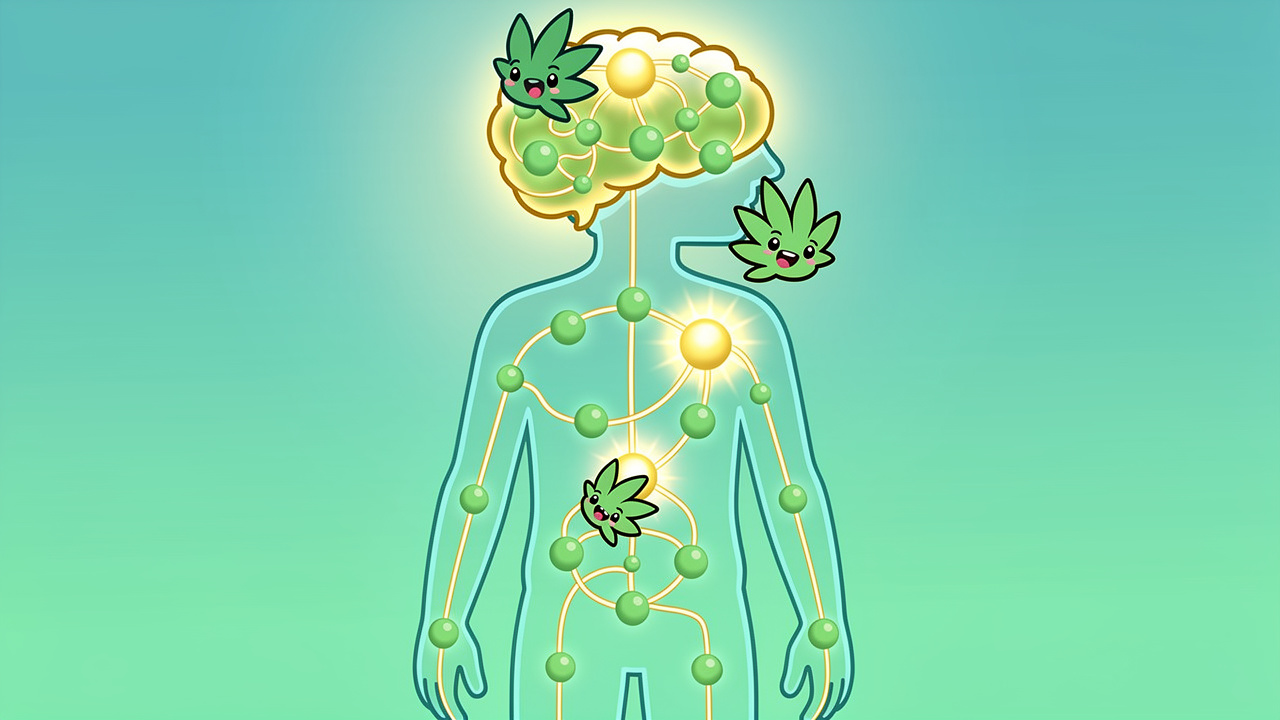
Medical cannabis may help some Parkinson’s symptoms by interacting with the body’s endocannabinoid system, which helps regulate movement, pain, mood and sleep. Rather than replacing usual medicines, cannabis products are usually explored as an extra layer when symptoms remain hard to handle.
The endocannabinoid system is a network of receptors and signalling chemicals spread through the brain and body. Research highlighted by Nature Reviews Neurology links this system to motor control, inflammation, mood, pain and sleep regulation. All of those areas tend to be affected, in different ways, in Parkinson’s.
Plant cannabinoids such as THC and CBD interact with this system. THC is the component that can cause a high, yet it may also help with pain, muscle tightness and sleep. CBD does not cause a high and has drawn interest for anxiety, psychosis and inflammation, as reported in reviews from the National Institutes of Health. Many medical products combine both to balance possible benefits and unwanted effects.
Early real‑world data give a helpful, if limited, picture, and research such as the study on low doses of cannabis extract ameliorating non-motor symptoms in Parkinson’s patients helps illustrate what careful, small-scale evidence can show. An analysis of the UK Medical Cannabis Registry, shared through the British Geriatrics Society, looked at 34 people with Parkinson’s who had used cannabis‑based products for more than a month. The group showed clear improvement in general quality of life scores, especially for pain and daily activities, while anxiety and sleep scores changed less.
Side effects in that study were reported by only two people, around 6 percent of the group, and were mostly mild or moderate. No life‑threatening problems appeared in that early follow up. That does not guarantee safety for everyone, yet it does suggest that carefully chosen products can be tolerated by many.
Common side effects reported with cannabis medicines, especially in older adults, can include:
Sleepiness or fatigue
Dizziness or light‑headedness
Dry mouth
Changes in appetite
Short‑term memory or concentration problems
Many clinicians stress that “cannabis should be introduced slowly and reviewed often, especially in older people or anyone on several medicines.”
Research is still moving. Parkinson’s UK is funding a controlled study at King’s College London, led by Professor Sagnik Bhattacharyya and Dr Latha Velayudhan, to see whether CBD can help with Parkinson’s‑related psychosis, with a new study to see whether those findings translate into real patient benefit. Results will take time, but the fact that such work runs at a major centre shows how seriously this topic is now treated.
What Parkinson’s Symptoms Can Cannabis Products Potentially Support?
Current evidence suggests cannabis products may ease several Parkinson’s symptoms, although not everyone benefits and effects can vary. Findings come from registry data, smaller studies and patient surveys, so they need to be read with care. Even so, some patterns keep appearing.
Pain and general discomfort
Many people with Parkinson’s report long‑lasting muscle and joint pain. In the UK Medical Cannabis Registry study shared by the British Geriatrics Society, the biggest gains appeared in the pain and discomfort scores. Some people describe a looser, less cramped feeling in their body. This can make movement and daily chores feel more manageable.Sleep disturbance
Sleep problems are common and often very tiring. Patients using cannabis products frequently report falling asleep faster and waking less in the night, especially when they use evening oils or edibles. Even a small improvement in sleep can lift daytime mood and energy. Better rest can also make motor symptoms easier to cope with.Tremors
Hand or limb tremor is one of the most visible signs of Parkinson’s. Surveys collected by Parkinson’s UK include people who feel their tremor softens after using CBD or balanced products. Controlled trials are less clear so far, and not everyone notices a change. For some, even a partial easing in certain situations, such as mealtimes, can still feel helpful.Anxiety and low mood
Living with a long‑term condition can leave people feeling tense, restless or down. CBD‑heavy products are often chosen here because they do not cause a high and may help people feel calmer. Some users describe a softer, more even mood and less background worry. Better mood can also support motivation for exercise and social contact.Dyskinesia linked with levodopa
Dyskinesia means involuntary, sometimes writhing movements that often follow years of levodopa use. Early lab work and small human series suggest cannabinoids might reduce this effect in some people. A few patients in registry studies report less troublesome movements on cannabis‑based products. More research needs to confirm who gains the most.
Because Parkinson’s shows up differently person to person, any trial of cannabis products needs patience, symptom tracking and honest talks with the medical team — an approach supported by integrative reviews examining tetrahydrocannabinol and cannabidiol in the treatment of Parkinson’s disease.
A simple rule many doctors use is “start low and go slow” so that benefits and side effects can be spotted before doses are changed.
Which Cannabis Products Are Best Suited To Parkinson’s Patients?

For many people with Parkinson’s, the gentlest starting point is a high‑CBD, low‑THC product with dose increased slowly as confidence grows. Others later move towards balanced CBD‑to‑THC ratios, or stronger THC products, when pain, sleep disturbance or stiffness remain hard to control.
High‑CBD oils or capsules suit daytime use because they do not cause a high yet may ease anxiety, soreness and general unease. Balanced CBD and THC options can offer a broader effect on pain and sleep, while still staying manageable at low doses. THC‑heavy products are usually better kept for experienced consumers who understand how their body reacts.
Format also matters, because it shapes how quickly relief arrives and how long effects last.
Oils and tinctures
Oils taken under the tongue are popular for Parkinson’s symptoms. Effects usually start within 30 to 90 minutes and can last several hours. Doses are easy to measure in small steps, so people can follow the “start low, go slow” approach. CBD oils are often tried first, then balanced formulas added if needed.Edibles such as gummies and baked goods
Edibles offer long‑lasting relief that can stretch from two to six hours. They take longer to start working, often one to two hours, so they suit evening use or steady daytime coverage rather than quick rescue. Many people find them helpful for overnight pain and sleep problems. Precise dosing on BudBuddies gummies and capsules makes it easier to keep track.Vape cartridges and pens
Vapes are fast acting, with effects felt within minutes. This can help when symptoms spike suddenly, for example during a painful “off” period. The trade‑off is that effects wear off sooner, often within an hour or two. Discreet THC vape cartridges on BudBuddies carry clear strength labels so experienced users can control each inhale. People with lung or heart disease should speak with a doctor before using inhaled products.Flower and concentrates
Premium dried flower offers a full‑plant experience with rich terpene profiles, which some people feel gives smoother relief. Concentrates such as wax or shatter are far stronger and suit only those with high tolerance and steady routines. On BudBuddies, AAAA+ grade flower and selected concentrates are chosen for clean cultivation and consistent effects.
In the 2019 survey from Parkinson’s UK, CBD oil from shops was the most commonly used cannabis product among respondents. BudBuddies builds on that interest by stocking full‑spectrum CBD oils, accurately dosed edibles, THC vape cartridges and AAAA+ flower, all backed by third‑party lab tests and double potency checks. That level of quality and clarity helps people focus on how they feel rather than worrying about what is really in the bottle or bag.
How To Access Medical Cannabis For Parkinson’s In The UK Through BudBuddies

People in the UK who want to explore medical cannabis for Parkinson’s can use BudBuddies as a clear, discreet route from learning to delivery. The platform is set up for curious newcomers, experienced consumers and value‑conscious shoppers alike. Throughout, cannabis is treated as one part of a wider care plan, alongside advice from doctors and Parkinson’s nurses.
Many clinicians advise that “any new product, including cannabis, should be discussed with your own Parkinson’s specialist or GP.”
Before ordering, it helps to think about safety and goals:
Talk with a Parkinson’s nurse or doctor about medicines you already take.
Decide which symptoms you want to focus on first, such as pain, stiffness or sleep.
Keep a simple diary to record doses, timing and effects.
A helpful first move is to learn and plan. BudBuddies publishes guides, strain notes and blog articles in plain English, so readers can understand CBD, THC, terpenes and product formats without jargon. Many people find it helpful to pick one or two target symptoms, such as sleep or pain, rather than trying to change everything at once. Reading summaries from groups like Parkinson’s UK or centres such as King’s College London can add extra scientific background.
Next comes choosing the right product type and strength. On budbuddies.cc the catalogue is split into clear sections for flowers, edibles, vapes, concentrates and CBD products. Filters make it simple to sort by strain type, potency or flavour. Detailed product pages show THC and CBD percentages, expected effects and Certificates of Analysis, which helps people follow the “start low, go slow” approach and adjust carefully over time.
Ordering is then straightforward. The three‑step process is simple: add items to the basket, pick delivery options, then pay using card, bank transfer or cryptocurrency. Guest checkout suits anyone who prefers not to set up an account, while registered customers collect BudPoints on every order and can access bundle deals. Orders over £50 qualify for free next‑day delivery, all parcels arrive in plain, unbranded packaging with vacuum‑sealed, smell‑proof bags, and every shipment is fully tracked for peace of mind.
BudBuddies’ support team is on hand to answer practical questions about formats and strengths, helping people feel less alone as they experiment. Many customers build a steady routine with regular reorders, knowing that quality and privacy stay consistent from one package to the next.
Final Thoughts On Medical Cannabis And Parkinson’s In The UK

Medical cannabis for Parkinson’s in the UK offers early yet real promise for easing pain, sleep problems, anxiety and some movement issues when usual medicines leave gaps. The science is still growing, but registry data and ongoing trials point to a helpful role for some patients.
Success depends on the right product, thoughtful dosing and honest discussion with the medical team. Cannabis is not a cure and it will not replace levodopa, yet it can sit alongside it as another tool for comfort and quality of life.
For anyone ready to explore, BudBuddies provides a discreet way to try carefully selected oils, edibles, vapes and flower. Lab tests, clear labelling and a “start low, go slow” mindset keep the focus on safety and control. The next step can simply be browsing the BudBuddies range, reading a few guides and deciding calmly what feels right to try first.
Frequently Asked Questions
These short answers cover some of the most common questions people ask about cannabis products and Parkinson’s symptoms.
Question 1: Can CBD Oil Help With Parkinson’s Tremors?
CBD oil may ease tremors for some people, although research is still at an early stage. CBD interacts with the endocannabinoid system, which affects motor control, a mechanism explored in detail by studies on measuring public preferences for treatment thresholds and patient-centred outcomes in neurological conditions. A high‑CBD, low‑THC oil is often a gentle starting point. It makes sense to involve a Parkinson’s specialist when testing any new product.
Question 2: What Is The Difference Between CBD And THC For Parkinson’s Patients?
CBD is non‑intoxicating and usually better for daytime use or for people who feel wary of feeling high. THC can bring stronger effects on pain, muscle tightness and sleep, yet it is the part that alters perception. Many Parkinson’s patients start with CBD and then slowly explore balanced CBD and THC ratios.
Question 3: Are Edibles Or Oils Better For Parkinson’s Patients?
Neither format is better for everyone. Edibles give a slow, steady effect lasting two to six hours, which can help overnight or during long days. Oils act faster and are easier to adjust in tiny steps. Plenty of people use oils for flexible daytime dosing and keep edibles for longer coverage.
Question 4: What Does “Start Low, Go Slow” Mean For Cannabis And Parkinson’s?
Start low, go slow means beginning with a very small dose and staying on it for several days before any change. Increases should be small, with only one product changed at a time. This approach is especially helpful for older adults or anyone on several medicines. It also fits BudBuddies guidance across its product range.
Question 5: Can Parkinson’s Patients Use Cannabis Alongside Levodopa?
Many people with Parkinson’s use cannabis products while still taking levodopa, and registry data suggest this can be tolerated. Even so, interactions are possible and effects differ by person. It is wise to let a Parkinson’s nurse or doctor know exactly what is being used. BudBuddies supports that by providing clear cannabinoid percentages on every item.