Medical Cannabis for Rheumatoid Arthritis UK Guide
Introduction
Rheumatoid arthritis pain, stiffness, and fatigue can make everyday life feel much harder than it should be. Many people start searching for medical cannabis for rheumatoid arthritis in the UK when usual options do not quite give enough relief.
That search often brings a mix of success stories, mixed evidence, and confusing product choices.
Medical cannabis refers to THC- and CBD-based products used to ease symptoms such as pain, inflammation, poor sleep, and low mood. In this guide, you will see how rheumatoid arthritis works, why cannabinoids are being explored, what current research actually shows, which formats fit which symptoms, and how BudBuddies keeps things clear, discreet, and quality led.
Stay with this page to move from guesswork to a calmer, better organised approach.
“Think of cannabis as one possible tool for comfort, not as the whole toolbox.” — BudBuddies Team
What Is Rheumatoid Arthritis And Why Do People Explore Cannabis For It?
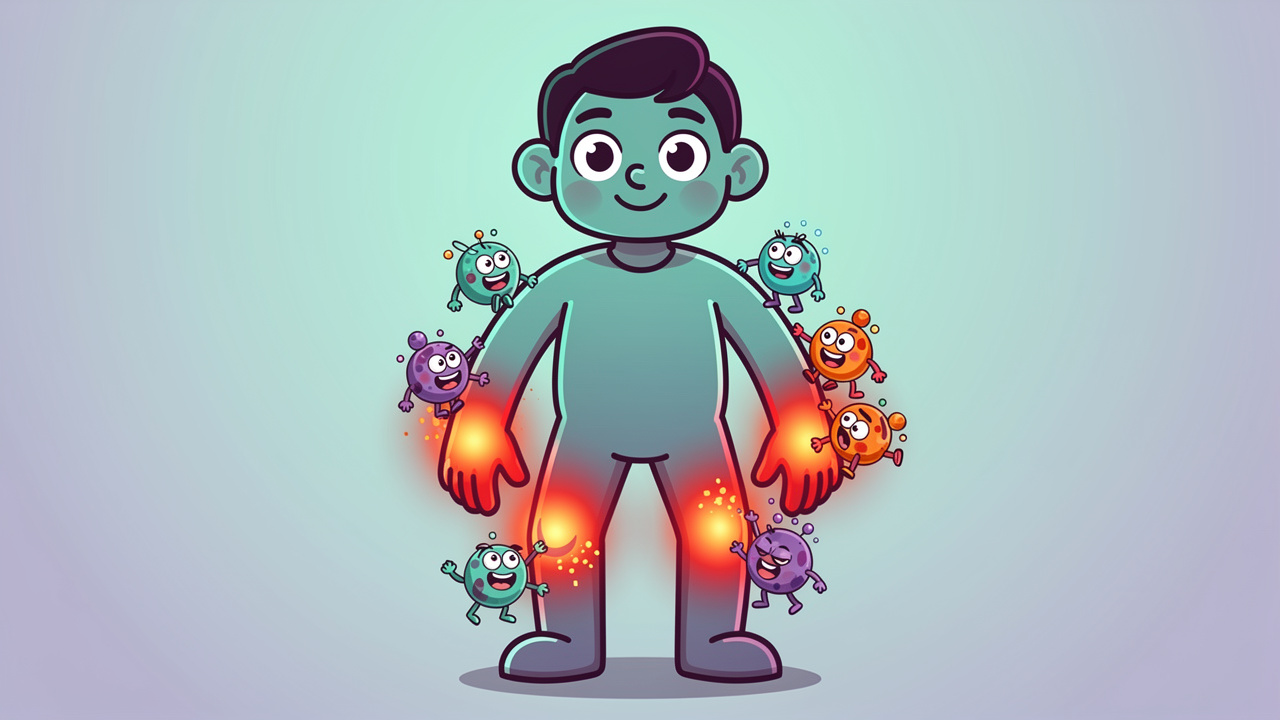
Rheumatoid arthritis is an autoimmune disease where the immune system attacks the joints, which is why some people explore cannabis for extra symptom relief. Unlike simple wear and tear problems, this condition affects the whole body and often needs layered support.
Rheumatoid arthritis (RA) is different from osteoarthritis because the main driver is immune activity rather than long term joint use. It often affects joints on both sides of the body in a similar pattern, for example both hands or both knees, and brings long lasting morning stiffness. According to the NHS, around 400,000 people in the UK live with rheumatoid arthritis. Wider joint problems, including osteoarthritis, affect over 10 million people across the country according to Versus Arthritis.
Symptoms go beyond sore joints. Many people notice fatigue, low mood, and a general feeling of being unwell. Research shared by the Arthritis Foundation suggests anxiety and depression are several times more common in people with inflammatory arthritis compared with the general population.
Joint symptoms often include swelling, warmth, and pain that can move between joints over time. Stiffness after rest, especially in the morning, may last for an hour or more and can make simple tasks feel heavy. Over years, uncontrolled inflammation can damage cartilage and bone and change joint shape.
Whole body symptoms can show up as tiredness, mild fever, and weight changes. Some people also develop eye dryness, lung irritation, or heart related issues, because rheumatoid arthritis is a systemic condition. These extra features remind people that they are dealing with more than a local joint problem.
Life impact can be large, touching work, family life, sleep, and social plans. Frequent flare ups and uncertainty often lead to stress and worry about the future. This mix of physical and emotional load is one reason many people start looking at options like medical cannabis alongside standard care.
So where does cannabis fit in? The body has an endocannabinoid system, a network of receptors and messengers that help regulate pain, inflammation, mood, and sleep. THC and CBD from cannabis connect with this system. That link is why researchers and patients are both interested in how medical cannabis for rheumatoid arthritis in the UK might support day to day symptom control.
What Are The Potential Benefits And What Does The Evidence Actually Say?
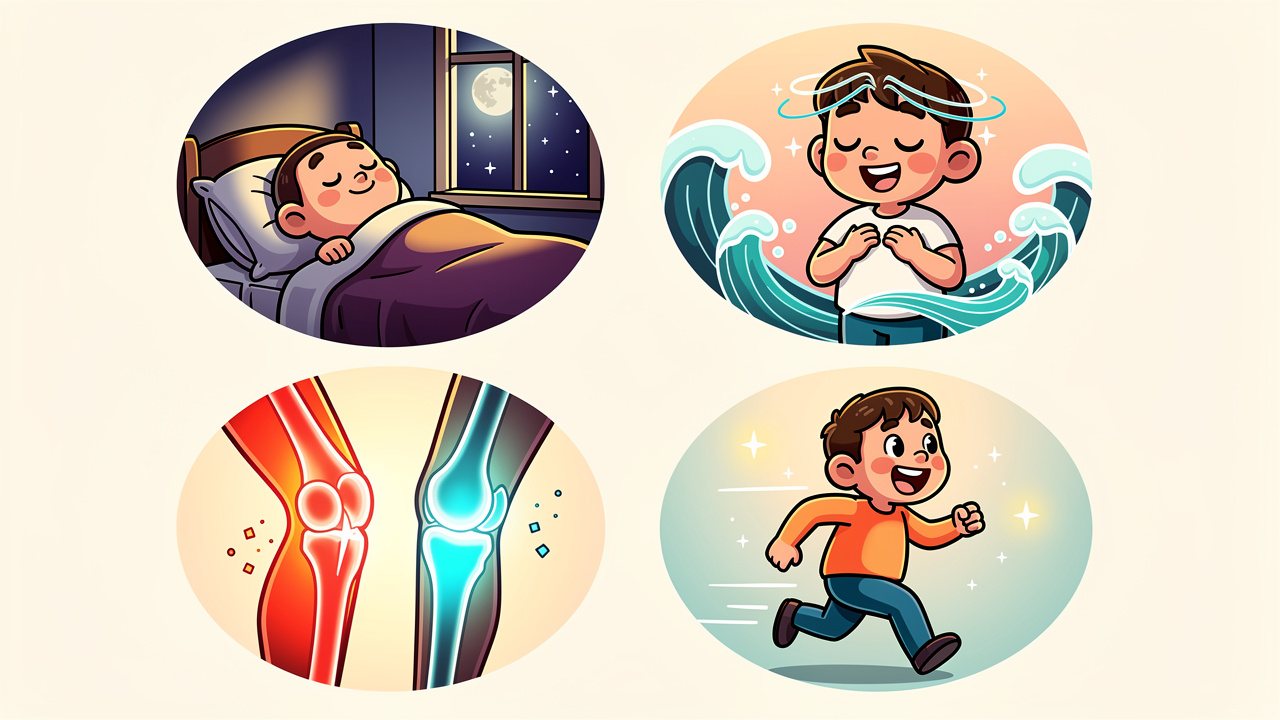
Potential benefits of medical cannabis for rheumatoid arthritis sit around four main areas, but the research picture is still early and mixed. Many UK readers hear personal stories, yet large studies give more cautious messages.
The four main symptom areas people talk about are pain, inflammation, sleep, and mental wellbeing. A major review from the National Academies of Sciences, Engineering, and Medicine found solid evidence that cannabis can help some forms of chronic pain, although rheumatoid arthritis specific trials remain limited. That means benefits are possible but not guaranteed.
Pain modulation is often the first hope. THC and CBD can influence how pain signals travel in the brain and spinal cord, which may reduce the intensity of joint pain. Some people report needing fewer traditional pain tablets when they use cannabinoid products steadily. Others notice only mild change, which fits with research showing variable responses.
Anti inflammatory properties, especially from CBD, are another focus. Laboratory studies described in journals such as Frontiers in Immunology show that cannabinoids can calm down certain immune pathways. In real life RA, this might translate into less swelling and stiffness, although clear human trial data is still fairly sparse.
Sleep improvement often feels more reliable than pure pain relief. THC leaning products can help people fall asleep faster and stay asleep longer. The Arthritis Foundation notes that poor sleep makes pain feel worse the next day, so even indirect sleep gains can soften the overall symptom load.
Mood and anxiety support matter as well. CBD, and balanced THC:CBD products at modest doses, may ease anxious thoughts and help people feel more level during hard flare periods. Small clinical and observational studies reported in journals like Journal of Clinical Medicine suggest benefits for anxiety in some groups, although doses and formulas vary widely.
A few key points that often get missed:
Cannabis products may improve comfort and function without changing blood tests or X-rays.
Effects can fade over time if doses rise too quickly or too often.
What works well for one person may feel unhelpful for someone else with very similar symptoms.
What about the overall evidence check? Experts at meetings such as the European League Against Rheumatism (EULAR) congress have highlighted that results from pain studies often look similar to placebo when averaged across many people. The National Rheumatoid Arthritis Society (NRAS) points out that there is currently no strong proof that cannabis products directly treat inflammatory arthritis itself. At the same time, dozens of clinical trials on cannabinoids are running worldwide, and research such as the Phyto- and Endo-cannabinoids Exhibit ex vivo anti-inflammatory effects study points toward the potential for personalised cannabinoid therapy in rheumatic disease.
“Hope is reasonable; overconfidence is not.” — BudBuddies View On The Evidence
The fairest summary is steady interest and measured optimism rather than overstatement. Medical cannabis for rheumatoid arthritis in the UK may help some people, mainly around sleep and general wellbeing, but it is not a replacement for disease modifying treatment.
Which Cannabis Formats Work Best For RA Symptoms?
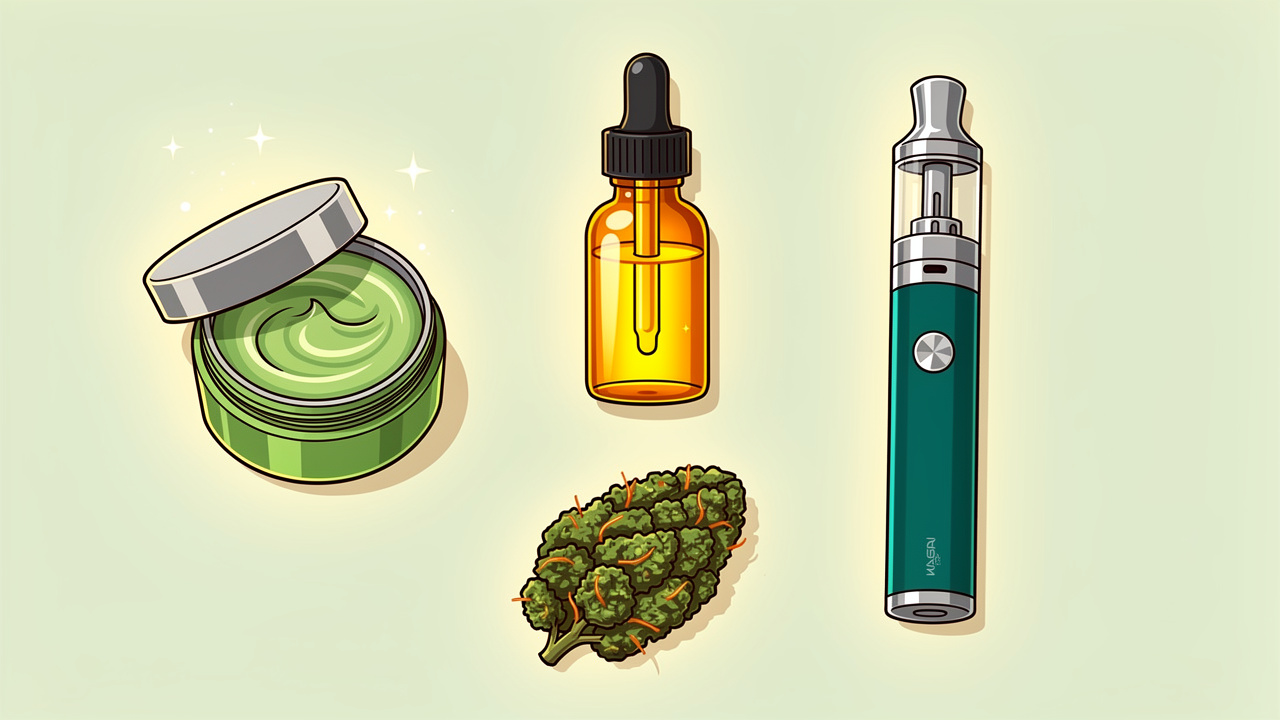
Different cannabis formats can suit different rheumatoid arthritis symptoms, and matching format to need makes a big difference. For many readers exploring medical cannabis for rheumatoid arthritis in the UK, the question is less “if” and more “how”.
Topicals sit at the gentle end. Cannabis creams, balms, and BudBuddies nano CBD gel are rubbed directly onto sore joints. They act on local cannabinoid receptors in the skin and tissues, with very little reaching the bloodstream. That makes them a handy daytime option for hands, knees, or feet, without noticeable mental effects.
Oils and edibles help with background pain and night time comfort. A measured CBD or balanced THC:CBD oil under the tongue can give fairly steady effects for several hours. Edibles such as RSO infused gummies or chocolates from BudBuddies take longer to start working but often last longer through the night. For many people, this slow and steady action is more helpful than sharp peaks.
THC vapes are about speed. Inhaling a small amount from a BudBuddies cartridge or disposable pen can bring noticeable relief within minutes. This is handy for flare ups that come on suddenly, or for easing sharp spikes before bed. According to Health Canada, inhaled cannabis products usually reach peak effect within about 30 minutes, which matches many user reports.
Flower offers the most flexible approach. BudBuddies stocks AAAA grade indica, sativa, and hybrid strains with clear terpene and cannabinoid details, so you can match strain choice to your pattern of pain, energy, and sleep. Many experienced consumers prefer flower because they can microdose small amounts through a vaporiser during the day, then slightly increase in the evening without changing product type.
Quality and consistency are especially important for a chronic condition:
A study published in JAMA Network found that around 70 percent of online CBD products were mislabelled on strength, a concern echoed by the Analysis of CBD Products conducted by the UK Food Standards Agency, which identified similar labelling discrepancies across commercially available CBD items.
Poor labelling can make careful dosing almost impossible.
Contaminants such as pesticides or leftover solvents are another concern, as a Comprehensive analysis of 19 cannabinoids in commercial CBD oils found notable variations in cannabinoid concentrations and raised safety implications for regular consumers.
BudBuddies tackles this by linking third party Certificates of Analysis on product pages and keeping THC and CBD percentages clear, batch by batch, so you can repeat doses confidently.
How To Choose Between High CBD And Balanced THC CBD Products
Choosing between high CBD and balanced THC:CBD products depends on your daily routine, sensitivity, and main symptoms. Many people with rheumatoid arthritis prefer starting with CBD led products, then adjusting only if needed.
High CBD options:
Suit daytime use and those who need a clear head for work, driving, or caring duties.
Focus on calming inflammation, gentle mood support, and easing muscle tension.
Carry little risk of feeling “high”, especially at modest doses.
Balanced THC:CBD oils, edibles, or vapes:
Add more THC, which can bring stronger pain relief and sleep support.
Also raise the chance of short term dizziness, dry mouth, or confusion if you take too much.
Are often kept for evenings or bad flare days.
BudBuddies product pages list THC and CBD percentages, along with terpene profiles that hint at likely effects, such as relaxation or alertness. Many readers find that full spectrum products feel more rounded than pure isolates, because they make use of the entourage effect where several cannabinoids and terpenes work together. For a complex condition like RA, that combined approach often feels closer to real life needs.
Important Things To Know Before You Start

Before adding cannabis to a rheumatoid arthritis routine, it helps to think through medicines, dosing, tracking, privacy, and product quality. Medical cannabis for rheumatoid arthritis in the UK should sit inside a thoughtful plan, not as a random extra.
Drug interactions come first. Many RA treatments, such as DMARDs and biologic injections, pass through liver enzyme systems that can also process cannabinoids. The NHS and MedlinePlus both note that CBD in particular can change how certain medicines are broken down. Always tell your rheumatology or pain team about any cannabis products you use so they can keep an eye on blood tests, side effects, and overall progress.
Dosing is the next key point. A simple rule is to begin with a low amount, stick with it for several days, and only increase in small steps. Sudden big jumps often lead to side effects without better pain control. Many BudBuddies customers keep a short diary noting product, dose, time taken, pain level, sleep quality, and mood. Over a few weeks, patterns usually appear and help you fine tune your plan.
“Start low, go slow, and write it down.” — BudBuddies Dosing Tip
A few other points worth keeping in mind:
Talk openly with healthcare professionals about cannabis use, rather than hiding it. Your team can only weigh up risks, benefits, and medicine changes if they know the full picture. Honest conversation also lowers the chance of blaming the wrong drug if something changes in your blood results or symptoms.
Treat cannabis as one part of a bigger toolkit that may also include exercise, joint protection, heat pads, psychological support, and prescribed drugs. RA is driven by immune activity, so stopping disease modifying medicine without guidance can let joint damage progress quietly. Many people aim for a mix where cannabis helps pain and sleep while standard medicine controls the disease process.
Pay close attention to product quality and privacy practices from any provider you choose. Mislabelled or contaminated items can waste money and, in some cases, cause harm. BudBuddies focuses on AAAA grade flower, verified strengths, discrete plain packaging, encrypted checkout, and tracked delivery across the UK and Northern Ireland, so your order feels as calm and private as your reading experience here.
Know the possible side effects. Dry mouth, red eyes, increased appetite, short term memory issues, and, at higher THC doses, anxiety or palpitations can all appear. If that happens, pause, drop the dose, or switch to a CBD led product and talk things through with a clinician.
Tolerance can build over time, especially with regular high THC use. Some people reduce this by rotating between strains, mixing CBD led days with THC days, or taking short breaks when symptoms allow. BudBuddies’ wide but curated range makes this kind of rotation easier without becoming confusing.
Laat Ons Samenvatten Concluding Phrase Heading
Rheumatoid arthritis management rarely revolves around one single tool, and cannabis is no exception. The most realistic aim is better comfort, steadier sleep, and a calmer mind in the middle of a long term condition.
Medical cannabis for rheumatoid arthritis in the UK currently sits in a space where lived experience often runs ahead of formal research. That is why balanced information, honest expectation setting, and reliable products matter so much.
Ready To Explore Cannabis For Rheumatoid Arthritis? Start With The Right Products
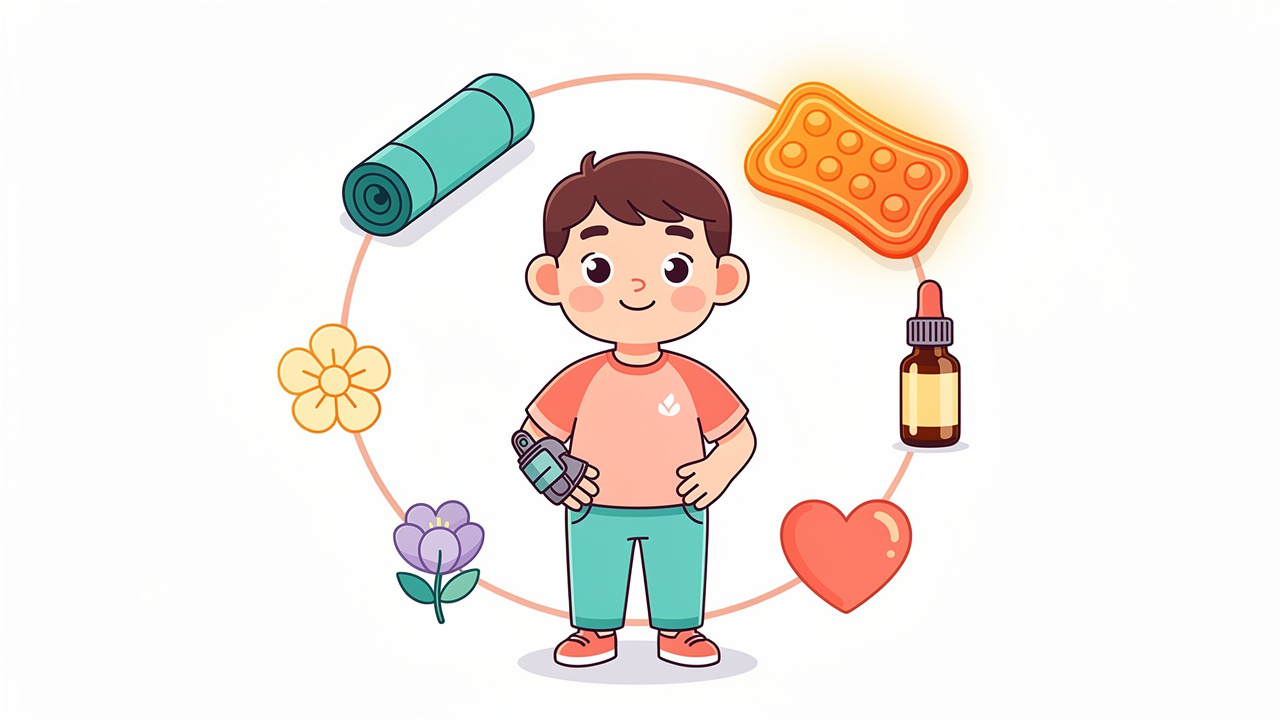
Rheumatoid arthritis is complex, and cannabis will not replace your prescribed treatment, but it may play a helpful part alongside it. The strongest gains usually appear when format choice, product quality, and consistent dosing work together.
Topicals can soothe busy joints.
Oils and edibles can smooth out background pain and support sleep.
Fast acting vapes or flowers can take the edge off sharp flare moments.
BudBuddies brings these options together in a single, well organised place, with AAAA grade flower, nano CBD gel, balanced oils, RSO edibles, and carefully selected THC vapes. Every item is lab tested, clearly labelled, and sent in discreet, tracked packaging so you can focus on comfort rather than worry.
If you are ready to explore medical cannabis for rheumatoid arthritis in the UK, browsing the BudBuddies ranges at budbuddies.cc is a calm next step. Read the product notes, compare formats, and build a plan that respects both your condition and your lifestyle.
Frequently Asked Questions
Question 1 Can I Use CBD Cream Directly On Arthritic Joints?
Yes, you can apply CBD creams and balms straight onto arthritic joints. Topicals act on local tissues and usually stay close to the application area, so they suit daytime use without noticeable head effects. BudBuddies nano CBD gel is designed for deeper local absorption than standard creams, which many joint pain users appreciate. Always patch test on a small area first if you have sensitive skin.
Question 2 What Is The Difference Between Full Spectrum And Broad Spectrum CBD For RA?
Full spectrum CBD includes tiny amounts of THC plus other cannabinoids and terpenes, which may support the entourage effect.
Broad spectrum CBD keeps the wider mix but removes THC, suiting people who want to avoid it completely.
Isolate uses pure CBD only, giving very predictable dosing but often feeling less rounded for complex conditions.
For rheumatoid arthritis, many people start with full or broad spectrum products and see how their body responds, then adjust strength and format over time.
Question 3 How Long Does It Take For Cannabis To Work For Joint Pain?
The timing depends on format:
Vaped cannabis usually starts working within minutes, which helps with sudden pain spikes.
Oils tend to take between half an hour and an hour and a half to reach full effect.
Edibles may need one to two hours but often last longest.
Topicals act locally and can bring gradual easing without wider effects.
Give each new product and dose several days before judging it, unless you notice clear side effects.
Question 4 Can Cannabis Interact With My RA Medications?
Yes, cannabis products can interact with rheumatoid arthritis medicines by affecting liver enzymes that process many drugs. This can change blood levels of DMARDs, biologics, or blood thinners.
Always tell your rheumatology team before adding any cannabinoid product. BudBuddies offers education and quality products, but your medical team remains the clinical guide for diagnosis, prescriptions, and monitoring.
Question 5 Is It Safe To Use Cannabis During An RA Flare Up?
Many people do use cannabis during flare ups to handle breakthrough pain and sleep problems. Fast acting options, such as vapes or carefully measured flower, can give quicker relief, while topicals may calm swollen joints.
sensible steps include:
Start with a low dose and increase slowly if needed.
Avoid mixing high THC doses with alcohol or sedative medicines.
Keep notes so you can see what genuinely helps during a flare and what does not.
This guide is for information only and does not replace personalised advice from a qualified healthcare professional.