


Why Does Weed Make Colours Brighter? THC & Vision
Introduction
Colours can seem to explode into life after a joint, vape, or gummy, yet the reason is rarely obvious. If you have ever asked yourself why does weed make colours brighter, you are already noticing how tuned in your vision becomes. That shift can feel magical, but there is solid science behind it.
What you are feeling is your brain and eyes working differently under tetrahydrocannabinol, or THC. At BudBuddies, we care about explaining that in calm, plain English, so you know what is happening and which products are most likely to bring that rich visual feel. You will see how THC affects your visual cortex, your pupils, your brain chemistry, and even how strain choice matters.
So, if you want to understand why colours pop and how to shape that experience with BudBuddies products, keep reading.
BudBuddies Tip: Before you consume, stare at a favourite poster, plant, or painting for a few seconds. Look again as your session settles in and notice how the same colours and textures can feel different, rather than rushing to find new visuals.
How THC Interacts With Your Brain’s Visual System

THC makes colours look brighter because it plugs into your endocannabinoid system and changes how your visual cortex handles signals from your eyes. When this system turns up the gain on those signals, colours can feel more saturated, detailed, and alive. That is the short answer to why does weed make colours brighter on a basic brain level.
Your brain has a built-in network called the endocannabinoid system. It uses its own messenger chemicals, such as anandamide, to help fine tune mood, memory, and sensory input. THC looks a lot like anandamide, so it slips into the same CB1 receptors that are scattered densely through your brain, especially in areas that handle sight and other senses. Research from the National Institutes of Health describes CB1 as one of the most common receptor types in the human brain.
When THC lands on those CB1 receptors in the visual cortex, it changes how nerve cells talk to each other — a mechanism detailed in this THC Effects On The body clinical guide. The electrical signals flowing from your eyes are not different, but the brain cells that read them fire more readily and for longer. Here is what that means for you: the picture coming in from your eyes feels more important, so your brain treats each colour and edge with extra attention.
This effect makes everyday scenes look richer without creating full hallucinations. You are still seeing the real world, just with the volume knob for colour and contrast turned up. According to Harvard Medical School, your brain already uses around 20 percent of your body’s energy at rest, and THC shifts how some of that energy is directed towards sight. That red cushion, green plant, or blue sky was always vivid. Under THC, your brain finally gives it centre stage.
BudBuddies Tip: If you enjoy visual detail, try pairing your session with nature documentaries, animated films, or slow visual art videos. The extra texture and contrast give your visual cortex more to work with.
Dopamine, Serotonin, and Why Colours Feel More Alive
THC does not only act on CB1 receptors. It also raises levels of dopamine and nudges serotonin pathways, which changes how rewarding and meaningful colours feel to you. This is another layer in the answer to why does weed make colours brighter during a session.
Dopamine is strongly linked with reward and interest. When THC raises dopamine activity in parts of your brain linked with perception, simple visual details can feel gripping. Studies reviewed by Nature Reviews Neuroscience show that dopamine systems help decide which sights feel important and attention-grabbing. Under THC, more of your visual field gets tagged as worth your focus.
Serotonin also comes into play. Drugs such as LSD and psilocybin work mainly through serotonin receptors and are known for changing colour perception. Cannabis works differently, yet still brushes against serotonin circuits that influence how your brain handles light and contrast, and Psychedelic experience dose-dependently modulated by cannabis research highlights just how significantly these neurotransmitter pathways shape perception. That mix of altered dopamine and serotonin helps explain why even familiar rooms can feel newly colourful. Put simply, your brain is both amplifying the signal and feeling more emotionally tuned in to what you see.
The Role of Pupil Dilation and Reduced Sensory Filtering
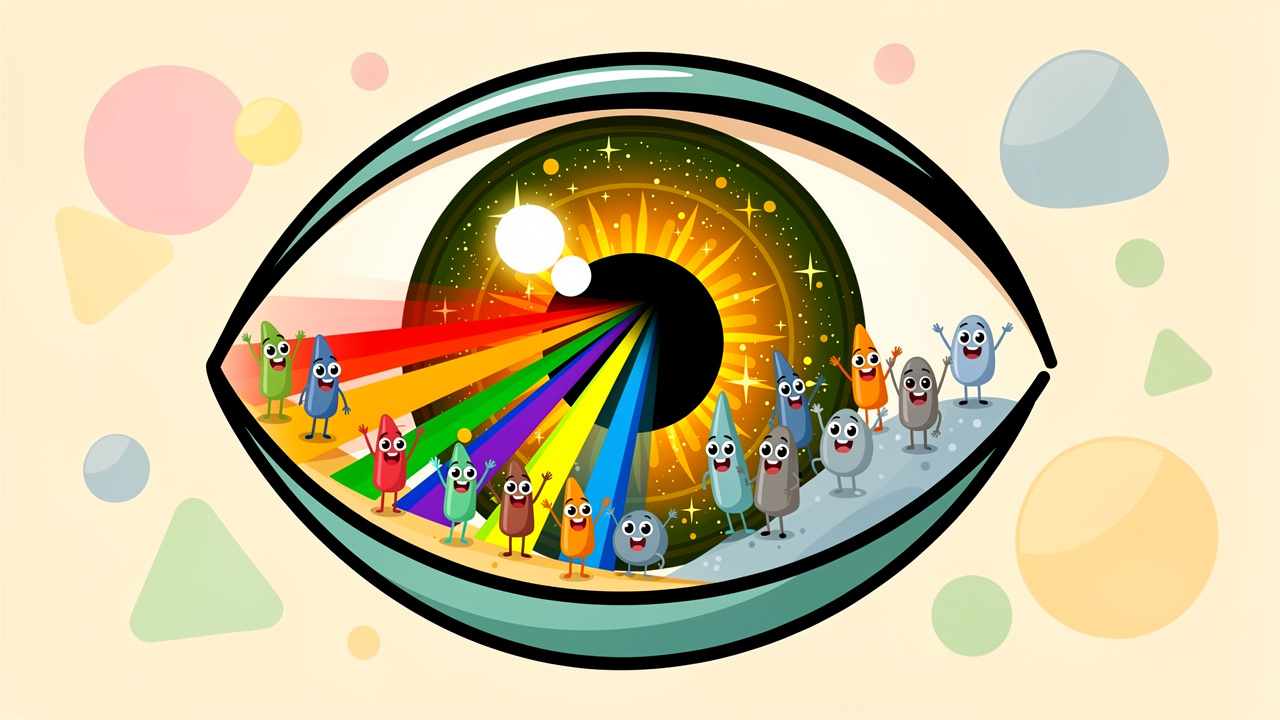
Weed also makes colours brighter by letting more light into your eyes and softening the brain’s usual filters. Slight pupil dilation plus weaker sensory gating means more raw colour information reaches your awareness. So you are not imagining that extra glow in a sunset or on your TV.
THC often causes your pupils to open a little wider, and research into Cannabis Extract vs THC: metabolic and physiological effects helps explain why these bodily responses can differ depending on the form of cannabis consumed. That wider opening lets more light reach the retina at the back of your eye, where rods and cones sit. Rods mostly deal with light and dark, while cones handle colour — and the structure of the Morphology of the normative human cone photoreceptor mosaic illustrates just how densely packed these colour-sensing cells are across the retina. According to the National Eye Institute, the average eye holds around 120 million rods and about 6 million cones, so even a small increase in light gives a lot of cells extra work to do.
Once more light hits those cones, the electrical signals heading towards your brain carry a stronger colour message. By the time that signal reaches the visual cortex, the stage is already set for stronger reds, deeper blues, and richer greens. For many people using BudBuddies flowers or vapes in a softly lit room, this change feels like moving from standard to high definition.
At the same time, THC changes how your brain filters sensory input. Normally, sensory gating cuts out repeated or unimportant details so you are not overloaded. Under THC, that filter relaxes, so more visual details slip through instead of getting ignored. That is why paint textures, fabric patterns, or leaves on a tree suddenly feel worth staring at for long stretches.
Here is a simple way to picture it: your eyes send a louder colour signal because of extra light, and your brain lets more of that signal through instead of brushing it aside. Together, those shifts help explain why does weed make colours brighter without needing any full-blown visual distortions.
Your pupils tend to widen slightly when THC is active in your system. That gentle widening lets more light reach the cones that sense colour. Because more cones react at once, the message they send your brain has stronger colour information packed into it.
Your sensory filter relaxes when CB1 receptors in attention areas are busy with THC. The brain stops throwing away small visual details you usually overlook. As more of those details reach conscious awareness, your surroundings can seem denser, richer, and more interesting to look at.
BudBuddies Tip: Softer, indirect lighting often works best. Harsh overhead bulbs can feel too sharp, while lamps, fairy lights, or sunset light tend to make those brighter colours feel gentle rather than overwhelming.
Does Increased Blood Flow to the Occipital Lobe Play a Part?
Yes, increased blood flow to the occipital lobe, where your visual cortex sits, likely adds another layer to the colour shift. THC widens blood vessels, and that can raise activity in the brain’s main vision hub.
The occipital lobe depends on a steady stream of oxygen and glucose to keep processing images. Research described in the journal Neuropsychopharmacology reports that THC raises regional blood flow in visual areas during intoxication. When more fuel reaches this region, nerve cells can fire more often and handle more complex patterns at once.
Remember that your brain already uses a large share of your body’s resources. Harvard Medical School notes that this single organ accounts for about a fifth of your oxygen use. When THC nudges extra blood towards the back of the head, the visual system has even more capacity to analyse colour and contrast. To you, that extra processing power feels like colours taking on depth and intensity, especially when you slow down and really look.
Does the Strain Or Consumption Method Change the Experience?
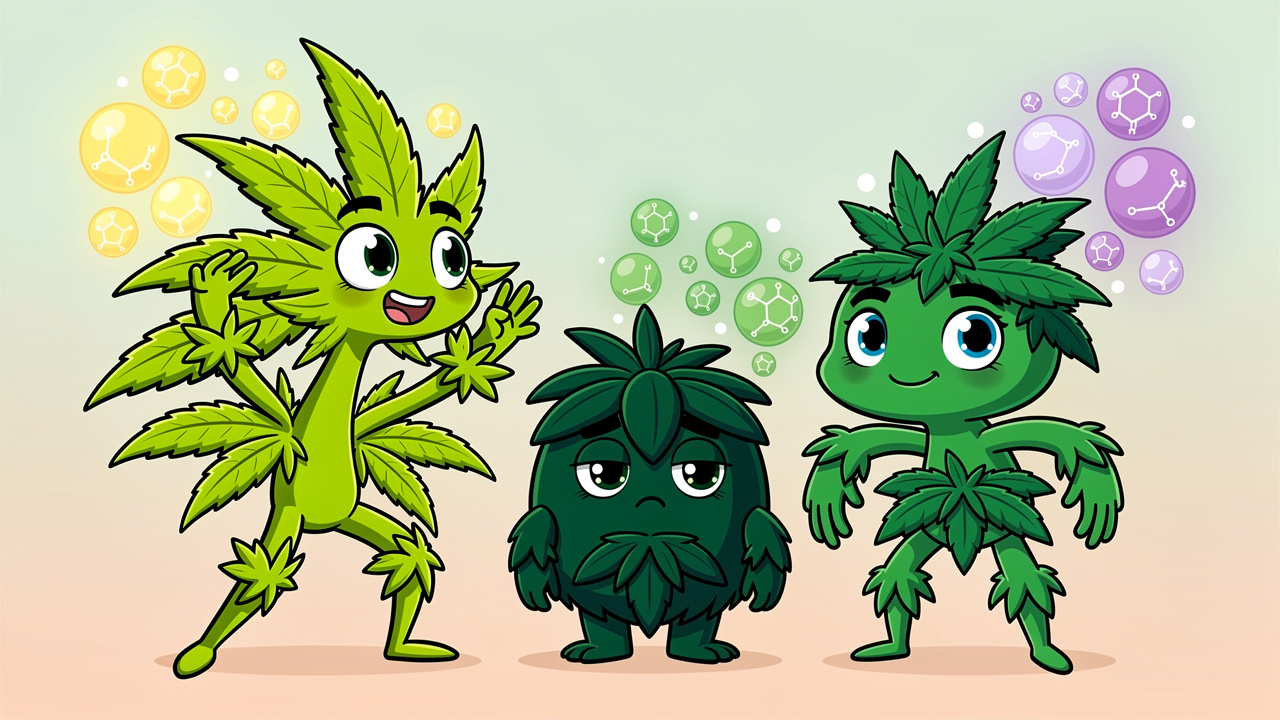
Strain choice and how you consume cannabis both change how bright colours appear and how long that effect lasts. The chemistry in your bud or vape and the path THC takes into your body shape your answer to why does weed make colours brighter on any given day.
Many people find that sativa-leaning, higher THC strains feel more visually lively. At BudBuddies, options like Amnesia Haze and Blueberry Haze often appeal to those who enjoy a clear, uplifting headspace with crisp colours and detailed patterns. Indica-leaning choices such as Blue Cheese lean more towards body comfort, so any visual change may feel softer and more background. Hybrid strains, including Gelato or Gorilla Glue #4, can sit somewhere between the two, depending on their cannabinoid and terpene mix.
Terpenes matter here as well:
Limonene and pinene are often linked with bright, alert moods, which can pair nicely with colour-focused sessions.
Myrcene tends to feel more heavy and sleepy, which some people prefer for couch-based film nights.
BudBuddies product pages highlight terpene profiles, flavour notes, and THC percentages in plain English, so you can match your strain choice to the kind of visual feel you prefer.
Consumption method shapes how quickly and how intensely these changes arrive. Vaping or smoking BudBuddies flower or cartridges sends THC into your bloodstream through your lungs within about 2 to 5 minutes. The visual shift often feels fast and clear, especially in the first hour or so. Edibles take longer, as your liver converts THC into 11-hydroxy-THC before it reaches your brain. According to Healthline, effects from edibles usually start between 30 and 120 minutes after you eat them.
When you inhale flower or vapes, you feel the first changes very quickly. That quick onset makes it easier to stop at the point where colours feel bright yet comfortable. Many experienced BudBuddies customers like this route when they want fine control over how strong that visual shift becomes.
When you take edibles, the experience tends to develop slowly then stay for several hours. Once it peaks, colours and sounds can feel deeper and more immersive. This longer arc can be perfect for a relaxed evening with music or films, yet it also calls for careful dosing because redosing too early is easy.
Concentrates and very strong products can make colours feel almost overwhelmingly intense if you take too much. These formats are better kept for times when you already know your limits well. At BudBuddies, potency and serving information sit clearly on each label and product page to help you line up your choice with your comfort zone.
Keep in mind that everyone’s brain chemistry is slightly different. Two people can use the same BudBuddies strain and method yet describe colour changes in very different ways, from soft and dreamy to sharp and focused.
How to Get the Most From the Experience — Responsibly
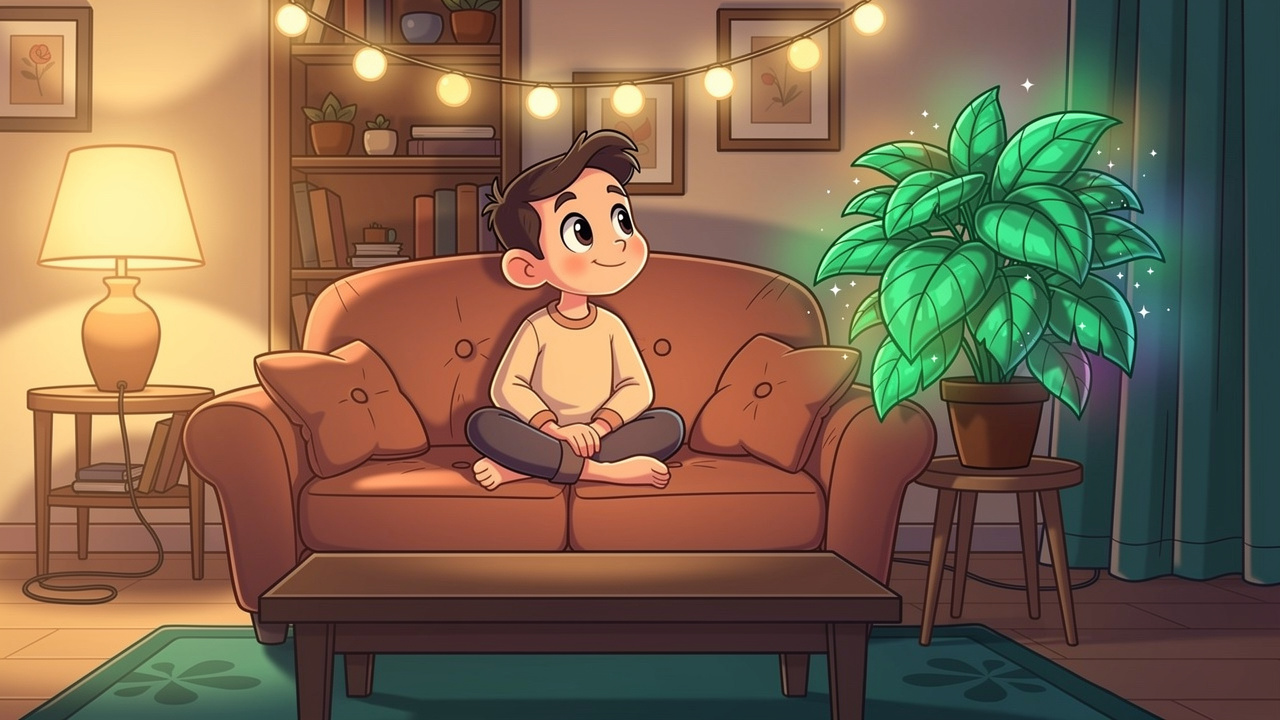
You get the most from colour changes when you pair the right dose with a calm setting and products you understand. That way, why does weed make colours brighter stops being a mystery and starts feeling like a conscious, controlled choice.
Dose is the first lever. For newcomers, a small amount of a mid-strength BudBuddies flower or a low dose edible is more than enough to notice colours without feeling overwhelmed. Clear THC numbers on budbuddies.cc make it simple to compare options. Once you know how a level feels, you can adjust slowly, rather than jumping to very strong products too fast.
Setting is the second lever. Cannabis often stretches out your sense of time, so you linger on what you see. A cosy living room with warm lamps, a favourite series, or a tidy bedroom with soft colours helps that focus feel comforting instead of intense. Research from Nielsen Norman Group shows that people filter huge amounts of sensory input in daily life, so picking a gentle environment means the details that break through feel pleasant.
Tolerance also plays a role. Regular high THC use can lead to CB1 receptors becoming less responsive, which takes some edge off the visual shift. Studies discussed by the National Institute on Drug Abuse link this effect with frequent heavy use. A short break, even a week, often helps many people notice colours and textures again at lower doses.
To keep your experience grounded:
Start with a low dose and wait before taking more. This simple habit protects you from colour changes tipping into anxiety or confusion. BudBuddies labels make this easy by spelling out THC per gram, per gummy, or per cartridge so you can track what you take.
Look after your body while you enjoy the view. Sip water, rest your eyes from phone or laptop screens, and keep some light snacks nearby. Dry eyes and thirst can distract from the colour richness you were hoping to enjoy in the first place.
Think about balance. Products that add CBD alongside THC, such as full spectrum oils or balanced vapes from BudBuddies, often feel gentler and more grounded. Many people find that this balance keeps colours interesting without pushing their thoughts too far out of their comfort zone.
Stay safe. Avoid driving, cycling, or handling dangerous equipment while high, even if you feel alert. Save your colour-deepening sessions for times when you can simply relax and observe.
BudBuddies Reminder: Everyone’s response to THC is personal. If colours stop feeling fun and start feeling too intense, that is a sign to lower your dose next time or to switch to a more CBD-heavy option.
The Bottom Line: What’s Really Happening When Colours Pop
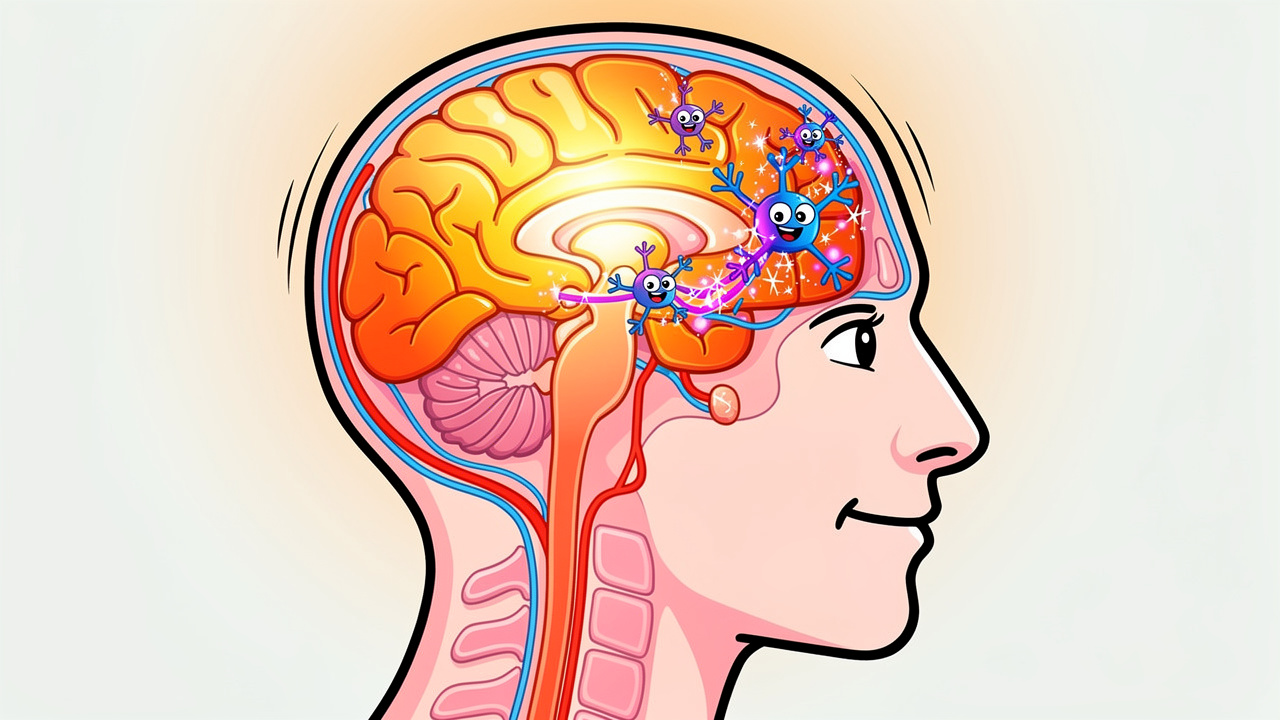
When colours pop on cannabis, your brain is not simply tricking you. THC is adjusting how your visual system and key brain chemicals handle light and colour, so your experience of reality genuinely shifts. That is the deeper explanation behind why does weed make colours brighter when your favourite product lands just right.
CB1 receptor activity in the visual cortex, altered dopamine and serotonin levels, wider pupils, looser sensory filters, and extra blood flow in vision areas all stack together — a convergence well illustrated by research into quantitative analysis of subjective visual experience reports under altered states. Add the influence of strain choice, terpenes, and format, and you have a layered yet understandable picture of what is going on. BudBuddies brings these threads together by pairing clear education with carefully chosen flowers, vapes, edibles, and CBD products, so you can explore that visual richness with confidence.
Conclusion
Colour intensification with cannabis sits at a sweet spot between hard science and personal taste. Now you know how your eyes, brain chemistry, and product choices combine to create that high definition feeling. When you next select a strain like Amnesia Haze or Gelato on budbuddies.cc, you can think about how its profile might shape the way your world looks.
If you stay curious, go gently with dose, and pick settings that make you feel safe and relaxed, those brighter colours become a calm, enjoyable part of your session. BudBuddies is here to guide you with terpene-transparent pages, lab-tested ranges, and discreet, reliable delivery, so your next order feels as considered as the science behind your experience.
Frequently Asked Questions
Question: Why do colours look so vivid when you’re high?
Colours look vivid when you are high because THC activates CB1 receptors in your visual cortex, raises dopamine, loosens sensory filters, and slightly widens your pupils. More light reaches your cones, more detail reaches your awareness, and your brain treats colours as more interesting and emotionally meaningful.
Question: Does weed affect your vision permanently?
Weed does not affect your vision permanently in typical use. The colour sharpening and visual shifts match the time THC stays active in your body. Once THC and its main breakdown products clear, your visual processing returns to its usual baseline, although tolerance levels can change how strong later sessions feel.
Question: Do edibles make colours brighter than smoking?
Edibles often make colours feel deeper for longer than smoking or vaping. Your liver turns THC into 11-hydroxy-THC, which reaches the brain differently and can feel stronger. Effects usually start after 30 to 120 minutes and may last 4 to 8 hours, so the colour shift can build slowly then stay with you.
Question: Which strains are best for visual and sensory enhancement?
Sativa-leaning, high limonene strains often feel best for visual sparkle. At BudBuddies, choices like Amnesia Haze and Blueberry Haze tend to suit people who enjoy bright, detailed perception. You can browse terpene and THC information on each BudBuddies product page to match a strain to the sensory feel you want.
Question: Can CBD make colours look brighter?
CBD on its own does not usually make colours look brighter, because it is not strongly psychoactive. Full spectrum products that combine CBD, THC, and terpenes can support subtle sensory changes while keeping the overall effect gentler. Many newcomers start with these balanced BudBuddies options to explore perception without intense intoxication.


