


Weed for Student Anxiety UK: What Students Should Know
Introduction
Many people now search for weed for student anxiety UK when stress starts to feel constant and heavy. The phrase usually means students in the UK turning to cannabis to take the edge off racing thoughts, sleepless nights, and performance pressure. It is easy to see the appeal when everything feels too much.
Lecture deadlines, money worries, new social circles, and crowded house shares all stack up. Support often feels slow, while a vape or edible can feel like the quickest option on the table. Big question though: does it actually help, or does it quietly make anxiety worse over time?
This guide walks through what research from places like King’s College London and the University of Bath shows, how CBD and THC affect anxiety differently, which formats work best, and how BudBuddies.cc fits in. You will see how to match products to your needs, spot warning signs, and keep cannabis in a safer place in your routine.
Ready to see how weed for student anxiety UK really plays out in day‑to‑day student life, and how to choose more calmly if you do use it?
Why Students In The UK Are Turning To Weed For Anxiety

Students in the UK turn to weed for student anxiety UK because cannabis feels fast, familiar, and easier to control than long waiting lists. Research from the Cannabis & Me project at King’s College London shows many young adults use cannabis to manage anxiety, low mood, and stress symptoms.
University can look glossy from the outside, yet the reality often feels intense. Academic pressure, part‑time work, rising rent, and new independence all arrive at once. The Office for Students reports sharp growth in mental health declarations among undergraduates, which matches what many campuses see on the ground.
Support is often available, but it can be slow or limited. University counselling services, NHS waiting lists, and busy GPs mean you may wait weeks before you feel heard. A friend offering a joint, or a link to a weed delivery, seems like something you can actually act on tonight.
Here is where cannabis starts to look attractive:
Many students want something that calms the body right now. A THC vape or microdose edible produces noticeable effects within minutes or an hour, whereas therapy and prescribed medicine can take far longer. For someone lying awake before an exam, that speed matters.
Weed also feels normal for a lot of student groups. When everyone at a house party passes a vape, it can feel less intense than telling friends you plan to try medication. That social comfort can nudge someone with anxiety towards cannabis first.
A lot of people see cannabis as a plant that sits closer to herbal tea than strong medicine. That story, plus the sheer amount of content on platforms like Instagram and Reddit, can make weed seem like a gentle shortcut instead of a drug that needs respect.
According to the Cannabis & Me survey of 3,389 people, many participants first used cannabis to self‑manage anxiety or depression (University of Bath). Those who started for self‑help reasons later showed higher paranoia scores than those who first tried it out of curiosity or with friends. That single detail already hints that intent and mindset shape the way weed and anxiety interact.
Tip: If you are thinking about cannabis for anxiety, be honest about your motive. Using it to escape every difficult feeling tends to backfire much more than using it carefully alongside other support.
Does Weed Actually Help With Anxiety – Or Can It Make Things Worse?
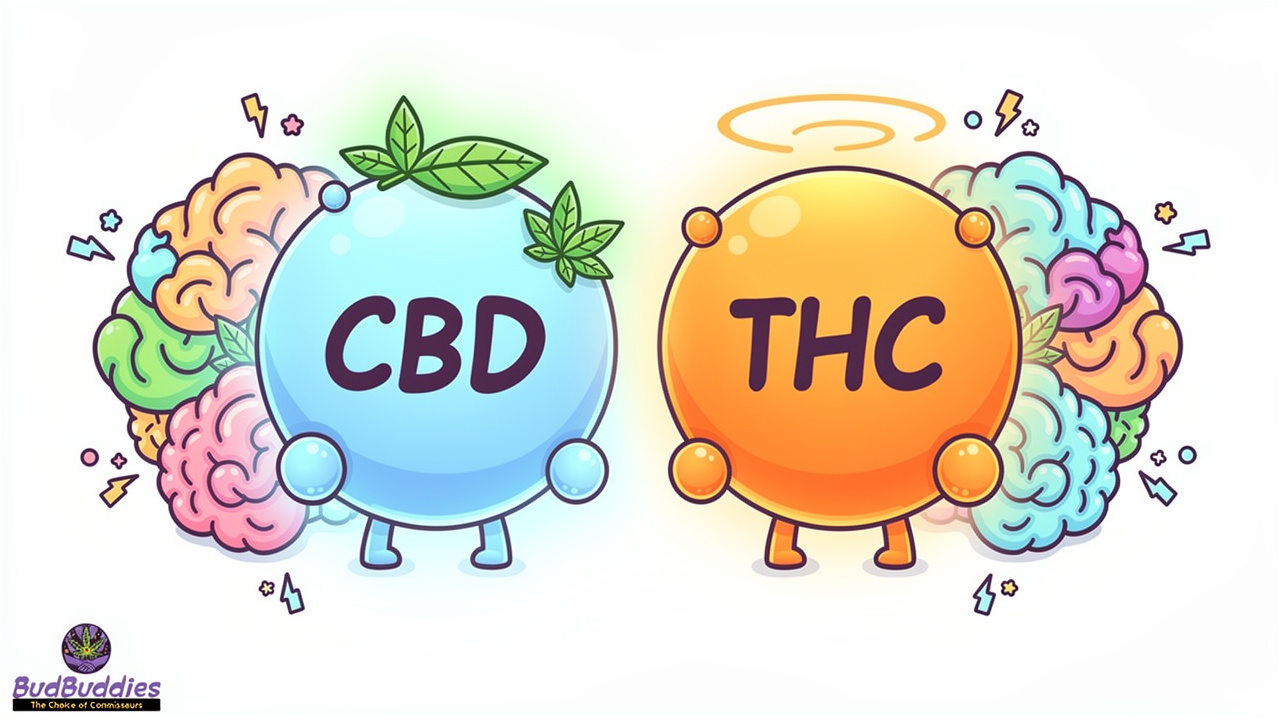
Weed for student anxiety UK can feel calming in the short term, especially when products are CBD‑heavy and doses stay low. At the same time, high THC and rising use are closely linked with stronger anxiety and paranoia in research from BMJ Mental Health.
To understand why, it helps to separate CBD and THC:
CBD is non‑intoxicating and does not make you feel high. Several small studies suggest CBD can reduce activity in brain regions involved in fear and stress, including the amygdala, which may explain reports of a quieter mind. Many medical cannabis programmes across Europe focus on CBD‑rich or balanced products for this reason.
THC is different. THC produces the high and alters perception. At low doses some people feel relaxed, chatty, or spaced out in a pleasant way. Past a certain dose, though, THC can flip. Heart rate jumps, thoughts race, and social situations feel more threatening. That tipping point is different for every person and can change with tiredness, caffeine, or previous experience.
The Cannabis & Me work used a standard THC unit system, similar to alcohol units, to track use. On average, respondents consumed around 206 THC units per week (King’s College London). Those who started cannabis specifically to manage anxiety used roughly 248 units each week, and people who started around a family member who used cannabis climbed close to 287 units weekly — a pattern further explored in research on Understanding Tobacco and Cannabis co-use and cessation among young adults in the UK. That is a clear pattern of heavier intake for self‑medicating groups.
Here is a simple view of that pattern:
| Group | Weekly THC Units (Approx) |
|---|---|
| Overall sample | 206 |
| Started for anxiety | 248 |
| Started for depression | 255 |
| Influenced by household cannabis use | 287 |
Higher THC intake links with worse anxiety and more paranoia across the study. Those who first used cannabis just for fun or curiosity actually showed the lowest average paranoia and anxiety scores in the sample (BMJ Mental Health). That does not mean weed is harmless. It does suggest that using it as a pressure valve for anxiety carries specific hazards.
So the answer is nuanced. CBD‑heavy, clearly labelled products, taken in modest doses as part of a wider care plan, may feel helpful. Unmeasured THC‑heavy weed, especially when used daily to cope with stress, often pulls anxiety in the opposite direction.
The Risks Students Should Know Before Using Cannabis For Anxiety
The main risks around weed for student anxiety UK centre on trauma history, high potency, dependence, and product quality. These do not affect every person in the same way, yet they matter a lot when you already feel on edge.
A linked study in Psychological Medicine looked at childhood trauma, cannabis use, and paranoia in detail. Around 52 per cent of respondents reported some form of trauma, and that group showed much higher paranoia scores than those without trauma (Psychological Medicine). Emotional abuse and household conflict were especially linked with stronger paranoia when THC use rose — findings that align with the UK medical cannabis registry updated clinical outcomes analysis for patients with post-traumatic stress disorder.
Dependence is another quiet risk. The same research from King’s College London found that people who started cannabis for anxiety or depression, or who copied a family member, used more THC each week than other groups. Over time, the body gets used to regular THC, so previous doses feel weak. That pattern nudges people towards bigger hits, more frequent sessions, and a feeling that they cannot cope without weed.
Product quality also plays a big part. Unregulated street weed often has:
no test results
no reliable THC numbers
no terpene information
One bag might feel smooth and predictable; the next could be far stronger than expected or contaminated with mould. That guessing game can turn a chilled night into a shaky, panicky few hours.
BudBuddies takes the opposite approach. Every flower, vape, and edible on BudBuddies.cc comes with lab‑verified cannabinoid percentages and terpene data, so you know what you are putting into your body. That level of clarity gives students a far better chance of finding doses and profiles that support calm rather than chaos.
Tip: If a product does not come with clear lab reports, treat that as a warning sign, especially if you already struggle with anxiety or past trauma.
Which Cannabis Products Work Best For Student Anxiety?
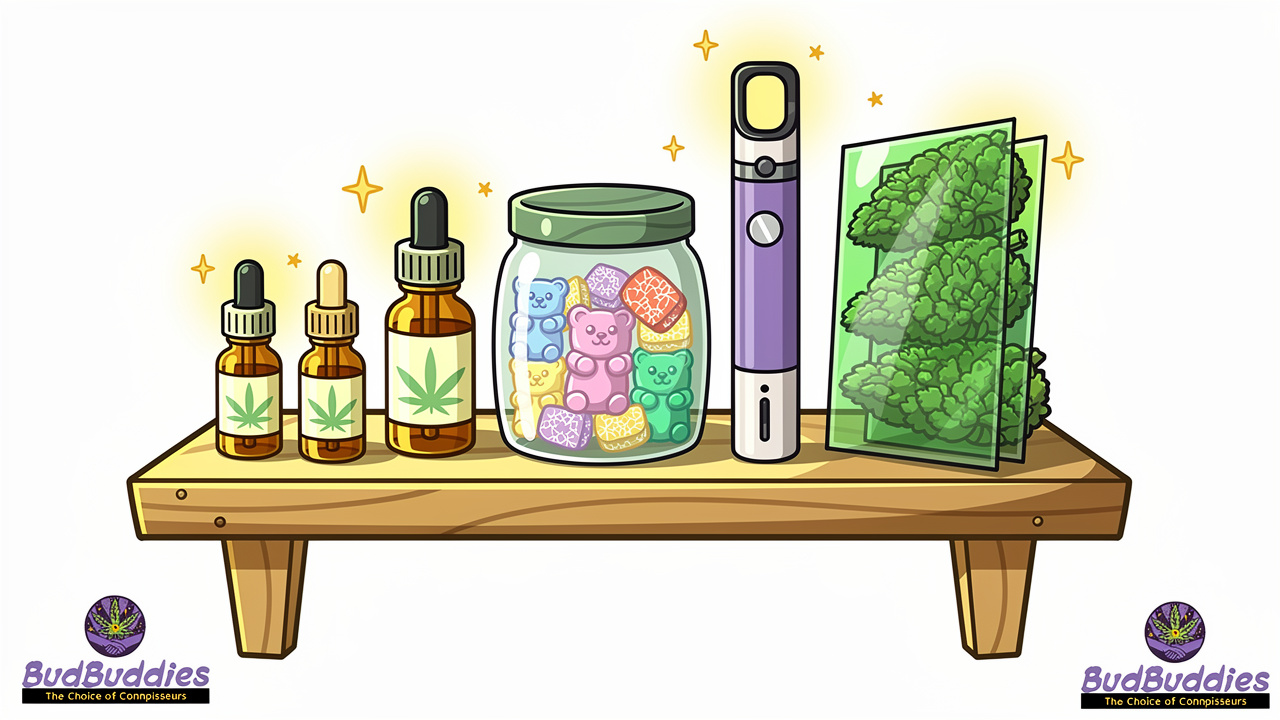
The most suitable weed for student anxiety UK usually has more CBD than THC, or at least a balanced mix, plus calming terpenes like Myrcene and Linalool. The right format then depends on whether your anxiety feels like slow background pressure or sharp spikes. BudBuddies curates flowers, edibles, oils, and vapes to match these real‑life patterns.
On BudBuddies.cc, every product page lists THC and CBD percentages, strain type, and full terpene breakdown. That means you can see at a glance whether a gummy leans mellow or punchy, or whether a particular indica flower includes Myrcene for deep relaxation. This structure turns what might feel like guesswork on social media into a more grounded choice.
Here is how main formats line up with common student situations:
Edibles suit long, stressful days or revision blocks when you want a steady base level of calm. They usually take 60 to 90 minutes to show clear effects, then last roughly 4 to 8 hours. BudBuddies BudBuddies microdose edibles start as low as 2.5 to 5 mg THC per piece, which is ideal for learning how your body responds without tipping into an intense experience.
THC vapes work better when anxiety spikes fast, such as pre‑exam nerves or sudden social worry. Vapour reaches the brain within minutes, so you can judge the effect quickly and decide whether one or two gentle pulls are enough. BudBuddies BudBuddies strain‑specific cartridges list exact potency and terpenes, which matters when you want a calmer, not racier, headspace.
CBD oils and CBD gummies are popular for daytime use where you want less impairment. A CBD oil under the tongue tends to kick in within 30 to 45 minutes and allows small, precise dose steps. Because CBD does not produce a high, many students use it alongside therapy and breathing work for a more stable mood through the day.
Flower, especially indica‑leaning strains like ACDC, Cannatonic, or Master Kush, often fits best for evening wind‑down. The combination of THC, CBD, and terpenes can ease both mental chatter and physical tension. BudBuddies only stocks AAAA‑plus grade flower, with double‑checked potency, so that the same strain feels consistent from bag to bag.
Terpenes deserve their own moment, because they help explain why one product feels soothing while another feels edgy:
Myrcene tends to promote a heavy, body‑based calm. Many students find Myrcene‑rich strains helpful before sleep, especially when racing thoughts show up as restlessness. BudBuddies clearly highlights Myrcene levels on relevant flower and vape products.
Linalool, also found in lavender, links with gentle mood softening and reduced tension. Products with noticeable Linalool content often feel softer and more comforting, which suits social anxiety or pre‑seminar nerves.
Caryophyllene interacts with stress pathways and may support resilience during busy periods. It also adds peppery notes to the flavour. When a BudBuddies product lists Caryophyllene alongside CBD and moderate THC, that often points toward grounded, less jittery effects.
When you combine a calm terpene profile, balanced cannabinoids, and a format that matches your anxiety pattern, weed shifts from random gamble to a more intentional tool.
How To Use Cannabis Responsibly If You’re A Student In The UK

Responsible use of weed for student anxiety UK rests on three pillars: modest doses, honest reflection, and steady routines away from the joint or vape. Clear information from a platform like BudBuddies.cc makes those choices easier, because you know exactly what is in each product.
Dosing is the first place to slow down. For edibles, a beginner‑friendly starting point is 2.5 to 5 mg THC. Take one piece, wait the full 90 minutes, then ask yourself how your body and mind feel. Writing a quick note in your phone about time, dose, and effect turns each session into useful feedback for the next week.
With vapes or flower, the same principle applies. One slow inhale, then a 10 to 15 minute pause, usually gives enough information about direction of travel. If your heart races or thoughts feel scattered, that is your sign to stop for the evening. If you feel slightly calmer without heavy fog, you have probably landed under your personal limit.
Here are simple guidelines that many students find helpful:
Keep cannabis as one part of your anxiety toolkit, not the only part. Sleep routines, daytime movement, balanced food, and honest talks with friends or a counsellor still matter more than any product. When weed starts to feel like the only way you can face lectures or social plans, it is time to step back and seek extra support.
Plan regular check‑ins with yourself. Once a week, look at how often you used cannabis, how strong the doses were, and how your overall anxiety felt. Research from King’s College London shows that people who use weed mainly to cope often drift into heavier patterns over time — a concern also highlighted in this Qualitative Exploration of Cannabis and nicotine co-use and mental health study among young adults in the UK — so early awareness is your best tool.
Avoid heavy mixing with alcohol. Both substances can raise heart rate and blur memory. Together they increase the chance of panic, blackouts, and risky choices. Most people find they sleep worse as well, which feeds anxiety the next day.
For students, privacy adds another layer. Many people live in halls or shared houses and do not want flatmates, family, or neighbours to see what arrives in the post. BudBuddies leans into that need. Orders ship in plain, unmarked, smell‑proof packaging with no logos, and parcels are fully tracked. Next‑day delivery is available on orders placed before 3 pm, with free next‑day delivery once your basket passes £50, which suits tight student timetables.
Quality also ties directly into responsibility. Every BudBuddies product carries third‑party lab reports that confirm cannabinoid levels, terpene content, and absence of mould or pesticides. That level of detail cuts out a huge amount of guesswork compared with unlabelled street weed and gives you a more solid base for calm, measured choices.
Tip: A good rule of thumb is “start low, go slow, stay aware”. If any session leaves you more anxious, shorten the next one or take a break.
The Bottom Line
When it comes to weed for student anxiety UK, the biggest difference between a helpful and a harsh experience sits in what you use and how much you take. CBD‑focused or balanced products, chosen at low doses and paired with healthy routines, are far kinder to anxious minds than unmeasured, high‑THC hits.
Research from BMJ Mental Health and Psychological Medicine shows that self‑medicating anxiety with heavy THC often leads to more paranoia and escalating use. That does not mean cannabis must be off‑limits. It does mean respect and structure matter.
BudBuddies exists to give UK and Northern Ireland students a clearer route. On BudBuddies.cc you find lab‑tested flowers, edibles, vapes, and CBD products with full terpene and cannabinoid data, guidance in plain English, and discreet delivery. If you choose to use cannabis for anxiety, those details help you do it with far more confidence and control.
Frequently Asked Questions
Question: What is the best type of cannabis for anxiety as a student?
The best starting point is a CBD‑dominant or balanced CBD to THC product with a calm terpene profile. Indica‑leaning flowers that include Myrcene and Linalool, or low‑dose CBD‑rich edibles, usually feel softer on anxious minds. Edibles suit steady, background relief, while vapes work better for short, sharp spikes of worry.
Question: Can weed make student anxiety worse?
Yes, it can, especially when THC levels and frequency climb. Studies from King’s College London link self‑medicated cannabis use with higher anxiety and paranoia scores. You lower the risk when you keep doses small, choose CBD‑forward or balanced products, and avoid chasing stronger highs.
Question: How do I know what dose of cannabis to start with for anxiety?
For edibles, 2.5 to 5 mg THC is a sensible first step for most adults. Take that dose once, wait the full onset window, then record how you feel in a simple note. BudBuddies product pages show precise cannabinoid percentages, which takes out the guesswork when you plan your next session.
Question: Is discreet delivery of cannabis available in the UK?
Yes. BudBuddies sends every order in plain, unmarked, smell‑proof packaging with no references to contents on the outside. Parcels are fully tracked, and orders placed before 3 pm can arrive the next day. When you spend over £50, BudBuddies upgrades you to free next‑day delivery.
Question: What is the difference between CBD and THC for anxiety?
CBD does not make you feel high and is linked in research with anxiety‑reducing effects for some people. THC is psychoactive and can feel calming at low doses but often makes anxiety and paranoia worse at higher amounts. For anxiety‑focused use, balanced or CBD‑heavy products are usually the safer, steadier choice.

