


Bud Rot Prevention Guide: Stop the Spread Now
Bud rot strikes when you least expect it, silently destroying your cannabis from the inside out. That’s why having a bud rot prevention guide is crucial. This devastating fungal infection, scientifically known as Botrytis cinerea, can wipe out weeks of careful cultivation in just days. The worst part? By the time you notice those telltale brown patches, the damage has already spread through your precious buds.
Every cannabis cultivator faces this threat, whether growing indoors or outdoors. High humidity, poor airflow, and dense canopy conditions create the perfect storm for this destructive pathogen. Understanding how to prevent bud rot isn’t just about saving your current crop—it’s about protecting every future harvest from this silent destroyer.
This comprehensive bud rot prevention guide reveals proven strategies that experienced growers rely on to safeguard their cannabis. You’ll discover how environmental controls, smart growing techniques, and vigilant monitoring can keep your plants healthy from seedling to harvest. We’ll also explore post-harvest prevention methods that ensure your cured buds remain pristine during storage.
Key Takeaways
Bud rot prevention requires a multi-layered approach that begins with understanding your enemy. Botrytis cinerea thrives in humid conditions above 50% relative humidity, particularly when combined with poor air circulation and temperature fluctuations. This fast-spreading fungal infection typically starts deep within dense flower clusters, making early detection challenging but absolutely critical for crop preservation.
Environmental control forms the backbone of effective mold prevention strategies:
• Maintain humidity levels between 40-50% during late flowering
• Ensure consistent airflow through your canopy
• Stabilize temperatures between 20-25°C
• Install proper ventilation systems
Daily plant inspections become increasingly important as your cannabis approaches harvest time. Learning to recognize early warning signs—subtle leaf discoloration, soft spots in dense buds, and that characteristic musty odor—allows for immediate intervention before widespread contamination occurs. Strict sanitation protocols, including sterilized pruning tools and proper disposal of infected material, prevent spore dispersal to healthy plants.
Post-harvest prevention through controlled drying and curing techniques protects your investment after harvest. Proper air circulation during the drying phase, followed by methodical curing with regular jar burping, eliminates residual moisture that could trigger late-stage mold development during storage.
Understanding Bud Rot: The Silent Threat to Cannabis
Bud rot represents one of the most feared adversaries in cannabis cultivation, earning its reputation through devastating crop losses worldwide. This fungal pathogen, caused by Botrytis cinerea, operates with stealth precision, establishing itself deep within your flower clusters long before external symptoms become visible. The fungus feeds on decaying plant matter, systematically breaking down cell walls and creating the soft, brown rot that gives this condition its name.
“Botrytis cinerea is one of the most economically important plant pathogens worldwide. In cannabis cultivation, it can destroy an entire crop within 48-72 hours under optimal conditions for the fungus.” – Dr. Zamir Punja, Plant Pathologist, Simon Fraser University
What makes this infection particularly insidious is its preference for attacking the most valuable parts of your plant. Dense, resinous buds provide the perfect microclimate for spore germination and fungal development. The tightly packed calyxes trap moisture while restricting airflow, creating pockets of stagnant air where humidity levels remain consistently high. These conditions mirror those found in the fungus’s natural habitat, where it typically colonizes dying plant tissue in damp environments.
Environmental factors play a crucial role in determining whether your cannabis becomes susceptible to infection. Relative humidity levels above 50% during flowering create ideal conditions for spore activation, while temperature fluctuations between day and night cycles can cause condensation to form on plant surfaces. Poor ventilation compounds these problems by allowing humid air to stagnate around your plants, particularly in grow tent setups or dense outdoor canopies.
The economic impact of bud rot extends beyond immediate crop loss. Infected plants often require complete destruction to prevent contamination of nearby healthy specimens. Even partial infections can compromise entire harvests, as affected buds become unsuitable for consumption due to mycotoxin production. Understanding these fundamental aspects of Botrytis behavior enables growers to implement targeted prevention strategies that address the root causes rather than merely treating symptoms.
Identifying Bud Rot: Early Signs and Advanced Symptoms
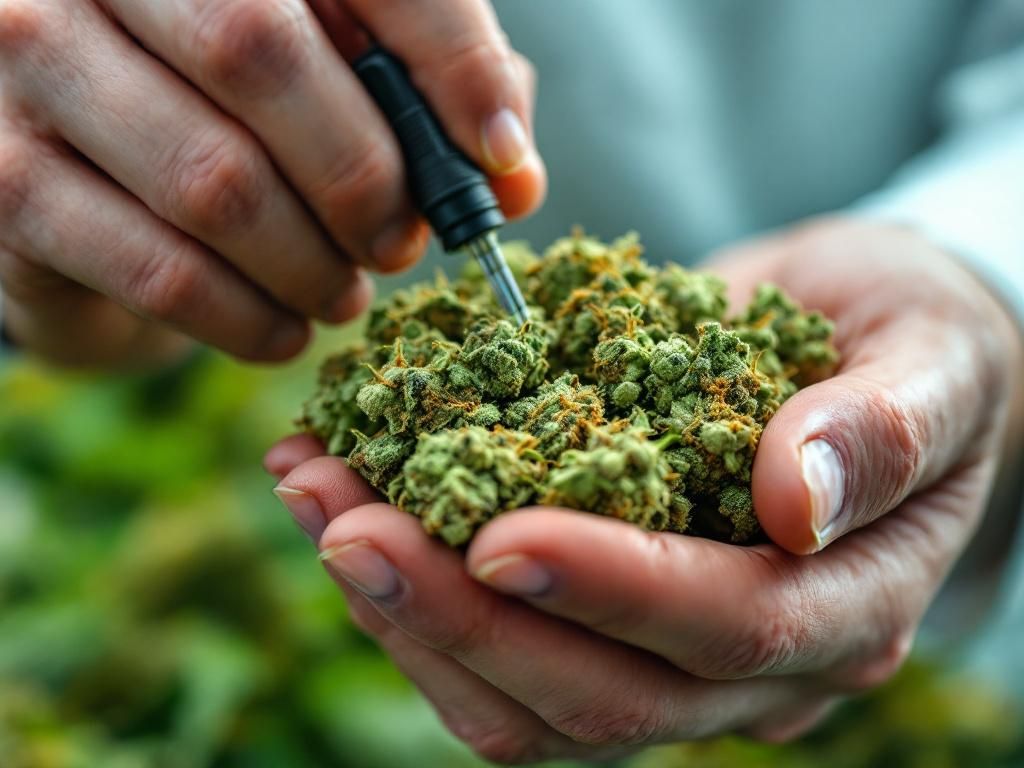
Early detection of bud rot requires keen observation skills and systematic plant monitoring throughout the flowering cycle. Initial symptoms often appear as subtle changes in leaf coloration around the base of flower clusters, typically manifesting as yellow or brown patches on sugar leaves. These discolored areas may feel slightly softer than surrounding healthy tissue when gently pressed, indicating internal cellular breakdown has begun.
Early detection symptoms include:
• Subtle yellow or brown patches on sugar leaves around flower clusters
• Slightly softer texture when gently pressed
• Characteristic musty odor
• Fuzzy, thread-like growth visible under magnification
The characteristic musty odor associated with fungal decay often provides the first sensory clue that infection has occurred. This smell intensifies as the condition progresses, eventually becoming a strong, ammonia-like scent that experienced growers immediately recognize. A handheld magnifying glass or jeweler’s loupe can help distinguish between normal trichome development and the fuzzy, thread-like hyphal growth characteristic of Botrytis colonization.
Advanced symptoms become increasingly obvious as the infection spreads outward from its initial point of entry. Deep brown or black areas of decay typically appear at the center of large colas, where the densest flower development occurs. The affected tissue transitions from its normal firm texture to a spongy, water-soaked consistency that easily separates from healthy plant material. Outer buds may appear dried and crumbly while harboring soft, rotten cores that emit strong odors when disturbed.
| Condition | Location | Appearance | Texture | Odour |
|---|---|---|---|---|
| Bud Rot | Inside dense buds | Brown/black decay | Soft, mushy | Strong musty/ammonia |
| Powdery Mildew | Leaf surfaces | White, dusty coating | Dry, powdery | Minimal |
| Nutrient Deficiency | Throughout plant | Uniform yellowing | Normal | None |
Distinguishing bud rot from other common cannabis afflictions prevents misdiagnosis and inappropriate treatment responses. Powdery mildew presents as white, dusty coating on leaf surfaces rather than internal decay, while nutrient deficiencies typically cause uniform leaf yellowing without the characteristic soft rot symptoms. Heat stress and light burn affect exposed upper canopy areas uniformly, contrasting sharply with bud rot’s tendency to begin in sheltered, humid microclimates within the plant structure.
Can you imagine losing an entire harvest because you missed these early warning signs?
Visual documentation through photography helps track symptom progression and supports future diagnostic efforts. Regular photos taken from consistent angles allow growers to identify subtle changes that might otherwise go unnoticed during daily inspections.
Proactive Bud Rot Prevention Strategies
Preventing bud rot requires implementing comprehensive environmental controls combined with strategic plant management techniques. These proactive approaches address the fundamental conditions that allow Botrytis cinerea to establish and spread throughout your cannabis garden.
Mastering Environmental Control
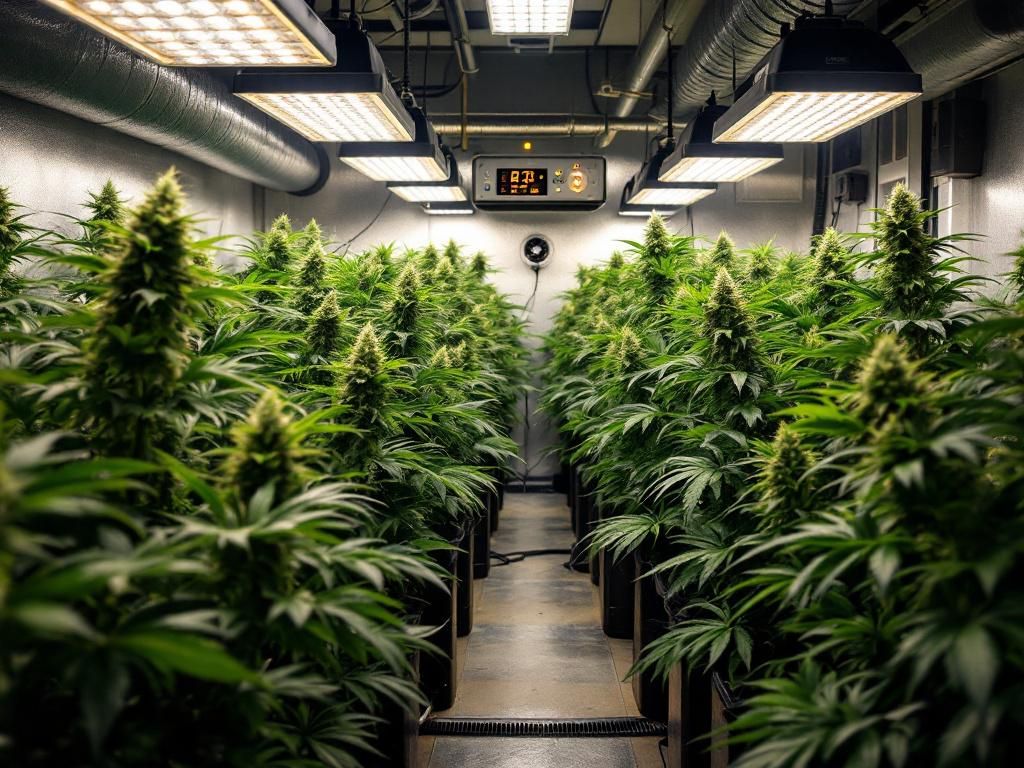
Environmental management serves as your primary defense against fungal infections in cannabis cultivation. Cannabis humidity control takes precedence among all environmental factors, as excessive moisture provides the foundation for spore germination and hyphal growth. Maintaining relative humidity between 40-50% during the critical flowering period creates conditions that inhibit fungal development while supporting healthy plant metabolism and resin production.
“The key to preventing bud rot is creating an environment that favors the plant over the pathogen. Humidity control is absolutely critical – even a few days above 60% relative humidity during late flowering can trigger widespread infections.” – Ed Rosenthal, Cannabis Cultivation Expert
| Growth Stage | Humidity Range | Temperature Range | Key Considerations |
|---|---|---|---|
| Vegetative | 55-70% | 22-28°C | Higher humidity tolerance |
| Early Flowering | 50-60% | 20-26°C | Begin humidity reduction |
| Late Flowering | 40-50% | 20-25°C | Critical prevention period |
| Drying | 50-55% | 18-21°C | Gradual moisture removal |
Dehumidifier for grow tent systems become essential tools for indoor growers, particularly during periods of high ambient humidity or when plants naturally increase transpiration rates. Properly sized dehumidifiers should cycle regularly to maintain target humidity levels without creating excessive energy costs or equipment wear. Outdoor cultivators can achieve similar results through strategic site selection, favoring locations with natural air movement and avoiding low-lying areas where moisture tends to accumulate.
Temperature stability works in conjunction with humidity control to create inhospitable conditions for fungal growth. Maintaining consistent temperatures between 20-25°C prevents the condensation that occurs when warm, humid air contacts cooler plant surfaces during temperature drops. Night-time temperature management becomes particularly important, as rapid cooling can create dew formation on flower surfaces, providing the moisture necessary for spore activation.
Effective air circulation requires:
• Oscillating fans creating gentle, continuous air movement
• Intake and exhaust systems for proper air exchanges
• Strategic fan positioning for horizontal and vertical airflow
• Prevention of stagnant air pockets
Cannabis air circulation tips extend beyond simple fan placement to encompass comprehensive airflow patterns throughout your growing space. Oscillating fans should create gentle, continuous air movement that reaches all plant surfaces without creating excessive wind stress. Intake and exhaust systems work together to establish air exchanges that prevent stagnant pockets where humidity can accumulate. Strategic fan positioning ensures air moves both horizontally through the canopy and vertically to prevent layering of warm, moist air above cooler zones.
Implementing Smart Plant Management
Plant management strategies complement environmental controls by reducing the physical conditions that promote fungal colonization. Strain selection provides your first opportunity to build resistance into your cultivation system, as certain cultivars demonstrate natural tolerance to humidity-related problems through genetic traits that promote better airflow and moisture management.
Sativa-dominant varieties typically develop looser bud structures with better natural ventilation compared to dense indica phenotypes. These genetics evolved in tropical climates where high humidity and fungal pressure selected for plants with improved air circulation through their flower clusters. Research established seed companies and consult experienced growers to identify specific cultivars known for mold resistance in your climate conditions.
Daily inspection protocols become increasingly critical as plants enter their final flowering weeks. Systematic examination of each plant should include gentle manipulation of flower clusters to expose interior surfaces where early infections typically begin. Look for changes in leaf color, unusual odors, and textural differences that might indicate developing problems. Document findings through written logs or photographs to track trends and identify patterns that might predict future infections.
Pruning and defoliation techniques require careful balance between promoting airflow and maintaining adequate leaf surface for photosynthesis. Strategic removal of lower branch growth and interior foliage that receives poor light penetration reduces humidity retention while eliminating potential infection sites. Lollipopping techniques concentrate plant energy into upper canopy development while creating clear airflow channels through the lower plant structure.
Sanitation practices prevent cross-contamination between plants and growing cycles. Sterilize all cutting tools between plants using rubbing alcohol or flame sterilization to prevent spore transfer. Remove dead or dying plant material immediately upon discovery, sealing infected debris in plastic bags for disposal rather than composting where spores might survive and spread to future crops.
Watering practices significantly influence humidity levels around your plants and should align with your overall moisture management strategy. Morning watering allows foliage to dry completely before evening humidity typically increases. Drip irrigation or soaker hose systems deliver water directly to root zones while minimizing leaf wetness that promotes fungal growth. Ensure containers provide adequate drainage to prevent waterlogged soil conditions that increase root zone humidity and overall plant stress.
Post-Harvest Bud Rot Prevention: Drying and Curing
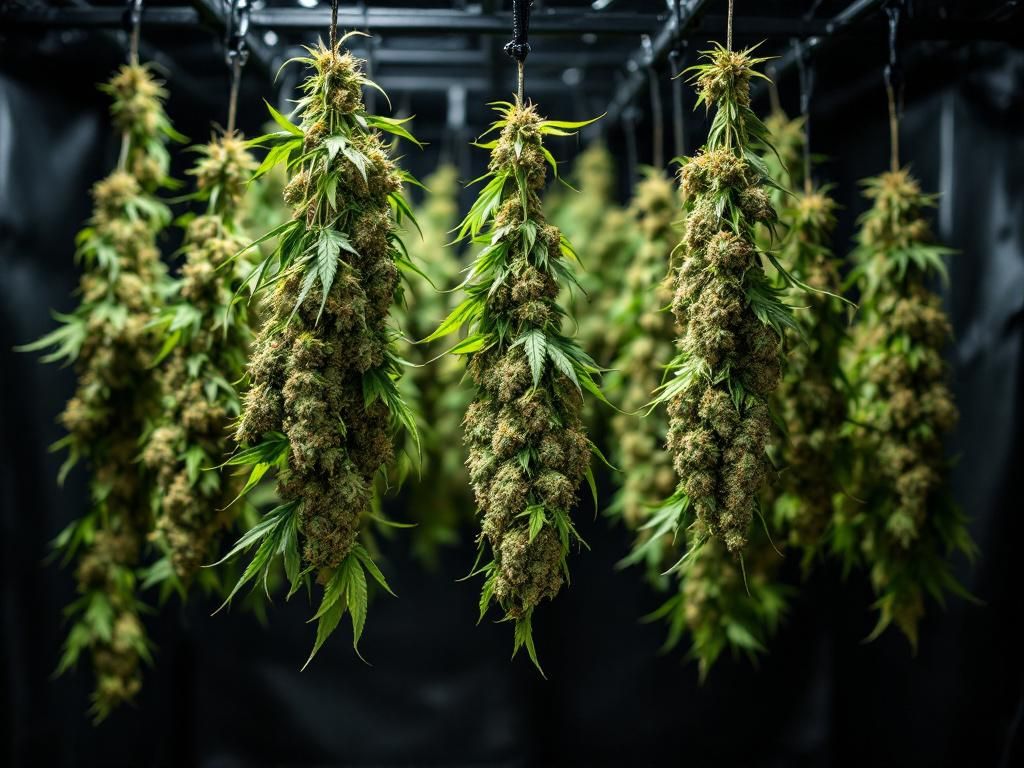
The transition from living plant to dried cannabis presents unique challenges for maintaining quality and preventing late-stage mold development. Proper post-harvest handling becomes critical as plant defenses shut down while residual moisture remains trapped within dense flower structures. Understanding these vulnerabilities allows growers to implement targeted strategies that preserve their harvest investment.
“More crops are lost to mold after harvest than during cultivation. Proper drying technique is where many growers fail, rushing the process and creating conditions for late-stage contamination.” – Jorge Cervantes, Author of “Marijuana Horticulture”
Optimal drying conditions require precise environmental control similar to flowering room management but with different targets. Temperature ranges between 18-21°C provide ideal conditions for gradual moisture removal without degrading volatile compounds that contribute to flavor and effect profiles. Humidity levels around 50-55% create the perfect balance for consistent drying while preventing both overdesiccation and conditions favorable to continued fungal growth.
Air circulation during drying differs significantly from growing environment requirements, emphasizing gentle, indirect airflow rather than direct ventilation. Hanging whole branches or individual stems allows gravity to assist in moisture movement from interior stem tissues outward through the flower material. Avoid direct fan airflow that creates rapid surface drying while trapping moisture in dense bud cores where late-stage rot can develop undetected.
Monitoring techniques during the drying process help identify potential problems before they compromise your entire harvest. Check hanging material daily for signs of developing mold, paying particular attention to the largest, densest flower clusters where problems typically first appear. The classic stem snap test provides reliable indication of proper moisture content—stems should break cleanly rather than bend when adequately dried.
Curing represents the final opportunity to eliminate residual moisture while developing the complex chemical profiles that distinguish premium cannabis. Glass jars provide ideal containers for this process, allowing visual monitoring while creating controlled atmospheres for continued chemical development. Initial jar filling should leave approximately 25% headspace to facilitate air exchange during the critical first weeks of curing.
Burping schedules during early curing require daily attention to moisture management and quality assessment. Open jars for 15-30 minutes daily during the first week, gradually reducing frequency as internal moisture stabilizes. Monitor for any unusual odors or visible moisture accumulation that might indicate developing problems requiring immediate intervention. Humidity control packets can provide additional security during longer-term storage but should complement rather than replace proper initial moisture management.
What to Do if Bud Rot Is Detected
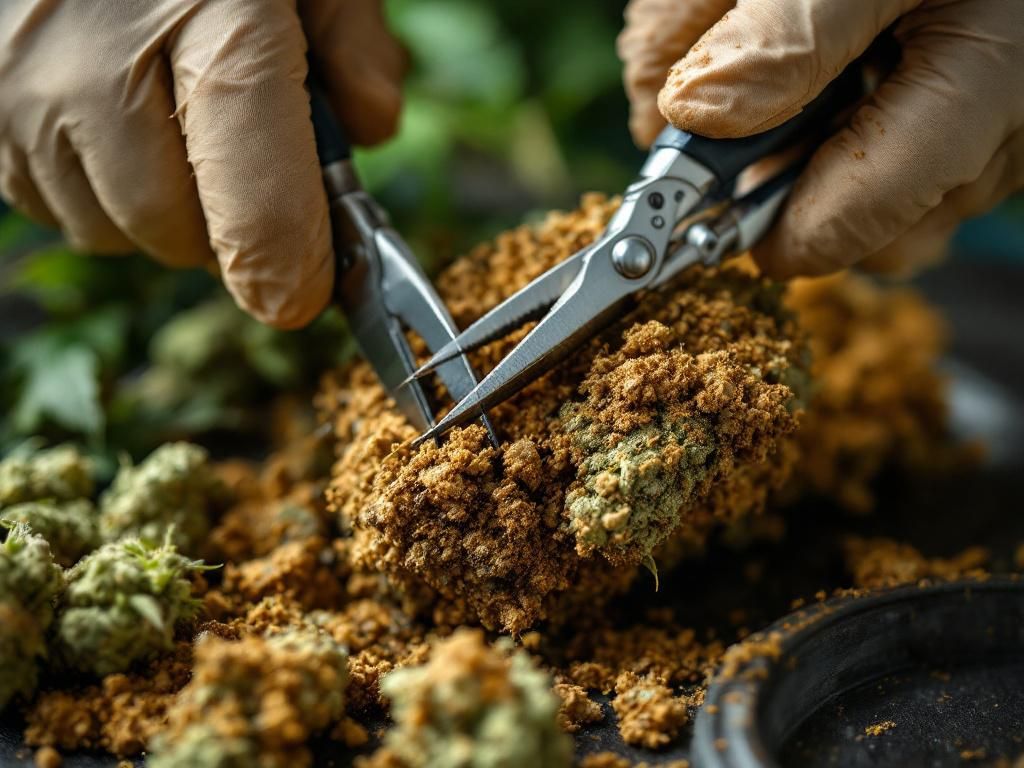
Discovering bud rot in your cannabis garden triggers an immediate crisis response that can determine whether you salvage most of your crop or face complete devastation. Swift, decisive action combined with systematic assessment prevents minor infections from becoming major disasters that destroy weeks of careful cultivation work.
Immediate isolation prevents spore dispersal to unaffected plants through air currents or physical contact during handling. Avoid disturbing infected areas unnecessarily, as agitation releases thousands of microscopic spores into your growing environment where they can settle on nearby healthy plants. Work during periods of minimal air movement when possible, and consider temporarily shutting down circulation fans to prevent spore distribution during remediation efforts.
Removal techniques require surgical precision to eliminate infected tissue while preserving maximum amounts of healthy plant material. Use sharp, sterile pruning shears to make clean cuts well below visible infection boundaries, sterilizing blades between cuts with rubbing alcohol to prevent cross-contamination. Remove entire affected branches rather than attempting to salvage partially infected areas, as fungal hyphae often extend beyond visibly damaged tissue.
Disposal protocols protect both your current crop and future growing cycles from recontamination. Seal all infected material in plastic bags immediately after removal, avoiding compost piles or garden areas where spores might survive and spread. Municipal waste disposal ensures complete destruction of contaminated material without risk of environmental persistence that could affect future cultivation efforts.
Environmental adjustments address the underlying conditions that allowed initial infection to occur while preventing spread to remaining healthy plants. Immediately reduce humidity levels below 40% if possible, increase air circulation throughout the growing space, and stabilize temperatures to eliminate condensation potential. These changes create hostile conditions for continued fungal growth while supporting plant recovery from stress caused by partial harvesting.
Assessment and monitoring of remaining plants becomes critical for determining whether additional interventions are necessary. Inspect neighboring plants thoroughly for early signs of secondary infections that might have occurred before initial detection. Document environmental conditions and plant responses to guide future prevention efforts and identify systematic weaknesses in your cultivation approach.
Health considerations demand extreme caution when handling infected material or considering consumption of potentially compromised cannabis. Botrytis produces mycotoxins that pose serious respiratory and systemic health risks, particularly for individuals with compromised immune systems or existing respiratory conditions. When in doubt about product safety, disposal represents the only responsible choice to protect both yourself and others who might consume affected material.
BudBuddies: Your Partner in Premium Cannabis
While preventing bud rot remains a critical skill for cultivators, choosing premium cannabis products eliminates many quality concerns that plague lower-grade alternatives. BudBuddies specializes in sourcing cannabis flowers, edibles, and vapes that undergo rigorous quality standards before reaching your door. Our commitment to excellence means you receive products cultivated using professional-grade environmental controls and post-harvest handling that minimize mold-related risks from the start.
Professional cultivation standards employed by our partner growers include state-of-the-art climate control systems, advanced air filtration, and systematic quality monitoring throughout the growing cycle. These facilities maintain optimal environmental conditions that prevent bud rot and other quality issues that commonly affect amateur growing operations. Starting with professionally produced cannabis gives you confidence in both product safety and consistent potency across every purchase.
Our discreet packaging system protects your privacy while maintaining product integrity during shipping and storage. Each order arrives in unmarked, odor-proof containers designed to preserve freshness and prevent moisture infiltration that could compromise quality during transit. These professional packaging standards reflect our understanding that maintaining cannabis quality requires attention to every detail, from cultivation through final delivery.
Fast UK-wide delivery options, including next-day service for orders placed before 3:00 PM, minimize the time your products spend in transit where temperature fluctuations and handling stress might affect quality. Reduced shipping time translates to fresher products that retain their optimal characteristics while reducing exposure to environmental factors that could trigger degradation or contamination during extended transport periods.
Customer service excellence ensures you receive expert guidance for proper storage and handling practices that maintain product quality long after delivery. Our knowledgeable team understands the importance of continued care in preserving cannabis characteristics and can provide recommendations for storage containers, humidity control, and other factors that extend product lifespan while maintaining peak quality standards.
Conclusion
Effective bud rot prevention demands constant vigilance and proactive management throughout every phase of cannabis cultivation and storage. Environmental controls that maintain 40-50% humidity during flowering, combined with strategic airflow management and temperature stability, create conditions that naturally inhibit fungal growth while promoting healthy plant development. These foundational practices, supported by daily plant monitoring and immediate response to early warning signs, form the cornerstone of successful mold prevention strategies.
Post-harvest care through controlled drying and methodical curing represents equally important phases where proper moisture management prevents late-stage contamination that can destroy your investment. Understanding the connection between environmental conditions and fungal growth empowers you to make informed decisions that protect both current crops and future cultivation efforts. Remember that mycotoxin risks make consuming any infected material extremely dangerous, so always err on the side of caution when quality concerns arise.
FAQs
Q1: What is bud rot and what causes it?
Bud rot, caused by the fungus Botrytis cinerea, represents a destructive infection that begins inside dense cannabis flowers before spreading outward. High humidity above 50%, poor air circulation, temperature fluctuations, and overcrowded growing conditions create ideal environments for spore germination and rapid fungal colonization of vulnerable plant tissue.
Q2: How can I tell if my cannabis has bud rot?
Early symptoms include subtle brown or yellow discoloration on sugar leaves, soft or mushy texture when gently examining dense buds, and faint musty odors emanating from affected areas. Advanced cases show deep brown or black decay at cola centers, fuzzy grey mold growth, and strong ammonia-like smells that indicate widespread tissue breakdown.
Q3: What’s the difference between bud rot and powdery mildew?
Bud rot attacks flower interiors, causing brown decay and soft tissue breakdown, while powdery mildew appears as white, dusty coating on exterior leaf surfaces. Bud rot creates structural damage with characteristic odors, whereas powdery mildew typically remains superficial without causing immediate tissue death or strong smells.
Q4: Can I save cannabis plants with bud rot?
Immediate removal of all infected material using sterile tools, followed by environmental adjustments to reduce humidity and increase airflow, can sometimes save unaffected portions of your crop. However, any infected buds must be completely discarded due to health risks from mycotoxins produced by the fungus.
Q5: What humidity level prevents bud rot during flowering?
Maintaining relative humidity between 40-50% during late flowering stages creates conditions that inhibit Botrytis spore germination while supporting healthy plant metabolism. Monitor humidity levels continuously and use dehumidifiers when necessary to maintain these target ranges throughout the critical flowering period.
Q6: How does choosing premium cannabis from BudBuddies help prevent quality issues?
BudBuddies partners with professional cultivators who employ advanced environmental controls and strict quality standards that prevent mold-related problems during cultivation. Our discreet, moisture-proof packaging and rapid UK delivery minimize exposure to conditions that could compromise product integrity, ensuring you receive cannabis that meets the highest safety and quality standards.

