


Hydroponic vs Soil Cannabis Flavour: Which Tastes Better?
Does Growing Cannabis in Soil or Hydroponics Affect Taste?
When you explore cannabis varieties, flavour and aroma often matter just as much as potency. You might wonder why some strains deliver earthy, spicy notes while others taste more neutral or clinical. The cultivation method plays a major role in this difference. The hydroponic vs soil cannabis flavour debate centres on how these growing techniques affect the complex terpenes that define taste.
Soil cultivation uses a living, biologically active medium that releases nutrients gradually through natural processes. This approach supports diverse microbial communities that help develop richer terpene profiles and enhance overall flavour complexity. Hydroponic systems offer precise control over nutrient delivery through water solutions, enabling faster growth but requiring careful management to avoid harsh chemical residues.
What factors actually determine whether your cannabis tastes smooth and complex or sharp and one-dimensional?
This article explores how nutrient availability and microbial interactions shape cannabis flavour profiles. You’ll discover why many connoisseurs favour the natural depth of soil-grown varieties and why hydroponic cannabis, despite its efficiency, sometimes produces cleaner but less nuanced tastes. Understanding these cultivation differences helps you appreciate how growing methods directly influence your sensory experience.
Key Takeaways
- Cannabis cultivation methods significantly impact flavour through their effects on terpene synthesis and nutrient absorption patterns
- Each growing medium creates distinct conditions that influence aroma and taste development
- Soil-grown cannabis benefits from living ecosystems that naturally enhance flavour complexity
- Hydroponic systems provide precise control that can sometimes result in chemical aftertastes when poorly managed
- Expert cultivation techniques and proper post-harvest processing remain essential for delivering optimal taste experiences
Soil Cultivation: Natural Methods for Rich Flavour
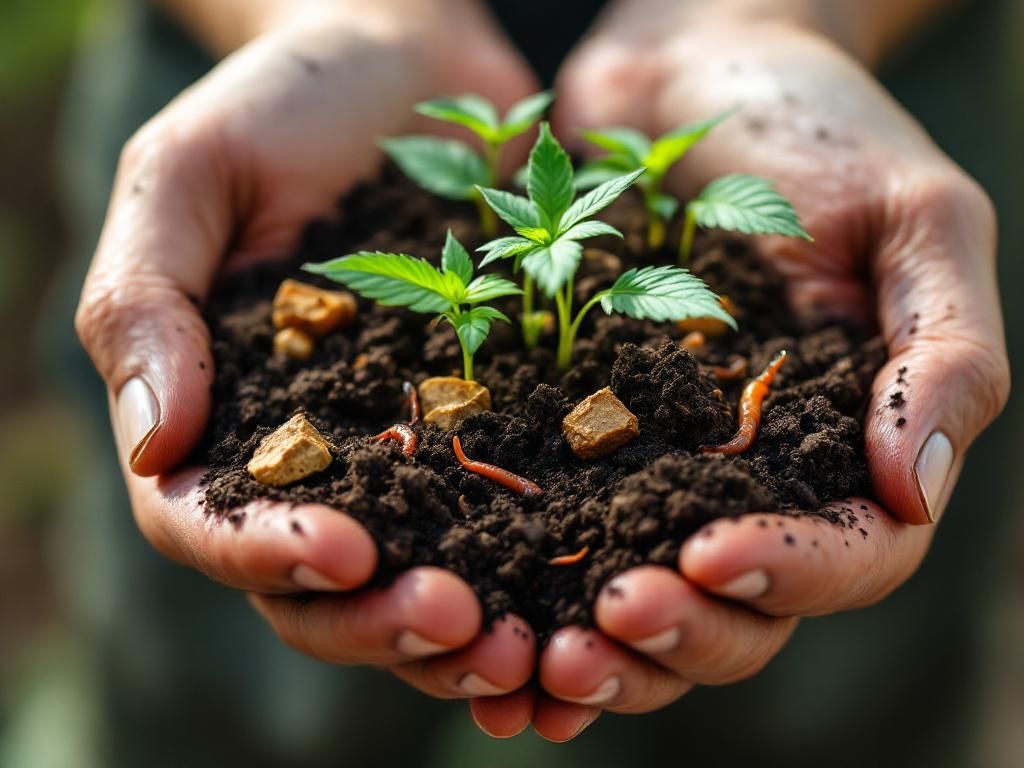
Soil cultivation, particularly organic approaches, produces cannabis with naturally rich and complex flavour profiles that many enthusiasts prefer. This method works with natural processes, allowing cannabis to develop in an environment similar to its native habitat. Soil-grown weed taste often exhibits more depth because the growing medium contains living organic matter, compost, and worm castings that provide steady nutrient release over time.
The continuous interaction between plant roots and beneficial microorganisms creates consistent terpene production that delivers smooth, authentic flavours. Many growers report that natural nutrient cycling in soil yields cannabis with fuller taste profiles and more satisfying aftertastes compared to other methods. The biological activity in quality soil creates an environment where plants can express their full genetic potential for flavour development.
Living Soil and Microbial Magic
Living soil functions as an active ecosystem that supplies cannabis plants with balanced nutrition through natural processes. This vibrant medium contains bacteria, fungi, and nematodes that break down organic matter gradually. These microorganisms convert compost and earthworm castings into readily absorbable forms that plant roots can easily take up.
As nutrients become available slowly, cannabis roots interact with them naturally, boosting terpene production significantly. This gradual process supports healthy development while creating smoother smoking experiences with authentic earthiness and spice notes. The ongoing microbial interactions ensure plants develop comprehensive profiles of natural compounds that enhance taste complexity.
Soil grown cannabis flavor benefits from this symbiotic relationship because microbes help unlock nutrients that synthetic feeding cannot replicate. The diverse microbial community creates a buffer system that prevents nutrient spikes while maintaining steady availability of essential elements.
Organic Nutrients and Steady Terpene Development
Organic fertilisers from natural sources provide slow-release nutrition that avoids the rapid nutrient spikes synthetic feeds can cause. This gradual approach helps prevent harsh or unbalanced tastes that sometimes result from aggressive feeding schedules. Cannabis cultivation taste improves when plants receive steady macro and micronutrient supplies through organic amendments.
The natural buffering effect of organic matter reduces nutrient burn risks while encouraging balanced terpene synthesis throughout the growing cycle. Plants develop layered flavour profiles often described as herbal, earthy, and subtly sweet when grown with organic methods. This consistency in terpene formation helps cannabis express its natural genetic potential fully.
Organic vs mineral nutrients create different outcomes in final product quality. While mineral feeds work faster, organic approaches allow plants to build complex chemical profiles that translate into superior taste experiences for consumers.
Hydroponic Cultivation: Precision Control and Flavour Considerations

Hydroponic systems focus on precision and accelerated growth through direct nutrient delivery to plant roots. These setups provide unmatched control over pH levels, nutrient concentrations, and environmental factors that influence development. Careful management can produce faster vegetative growth and earlier harvests compared to traditional soil methods.
However, hydroponic marijuana flavor depends heavily on nutrient formulations and management expertise since no naturally active growing medium exists. The absence of soil microbes means flavour development relies entirely on the nutrient solutions you provide. While many cultivators achieve excellent yields, hydroponic cannabis taste sometimes lacks the multi-dimensional character found in organically grown varieties.
Does this mean hydroponic cannabis always tastes inferior to soil-grown varieties?
Precision and Speed Advantages
Hydroponic setups allow exact control over nutrient mixtures and concentrations throughout each growth stage. This speed advantage appeals to commercial growers seeking quick harvests and maximum productivity.
Controlled hydroponic environments also minimise pest and pathogen risks commonly encountered in soil cultivation. The advantages include:
- Exact control over nutrient mixtures and concentrations
- Growth rates 20-50% faster than soil-based methods
- Minimised pest and pathogen risks
- Sterile growing conditions reduce contamination
However, growing mediums like coco coir, perlite, and rockwool contribute nothing to natural flavour development. While growth parameters optimise for yield, taste characteristics may lean toward cleaner but less complex profiles than soil alternatives. Growing cannabis taste test results often show hydroponic varieties can achieve good flavour when properly managed.
Nutrient Solutions and Chemical Residue Concerns
Most hydroponic systems use synthetic nutrient formulas designed for rapid plant uptake and efficient utilisation. These mineral-based nutrients deliver consistent results when managed properly, but poor nutrient management or inadequate flushing before harvest can leave chemical residues in plant tissues. Some consumers report sharp, chemical aftertastes that detract from natural flavours when these practices are neglected.
Hydroponic vs soil weed quality differences often come down to post-harvest procedures and nutrient management skills. Proponents argue that meticulous nutrient control and thorough pre-harvest flushing with pH-balanced water eliminates these concerns. The absence of living soil ecosystems means achieving complex flavour profiles requires constant attention to nutrient solutions and environmental factors.
Coco vs soil comparisons show that inert growing mediums lack the microbial diversity that contributes to flavour complexity in traditional growing methods.
Terpene Profiles: The Foundation of Cannabis Flavour
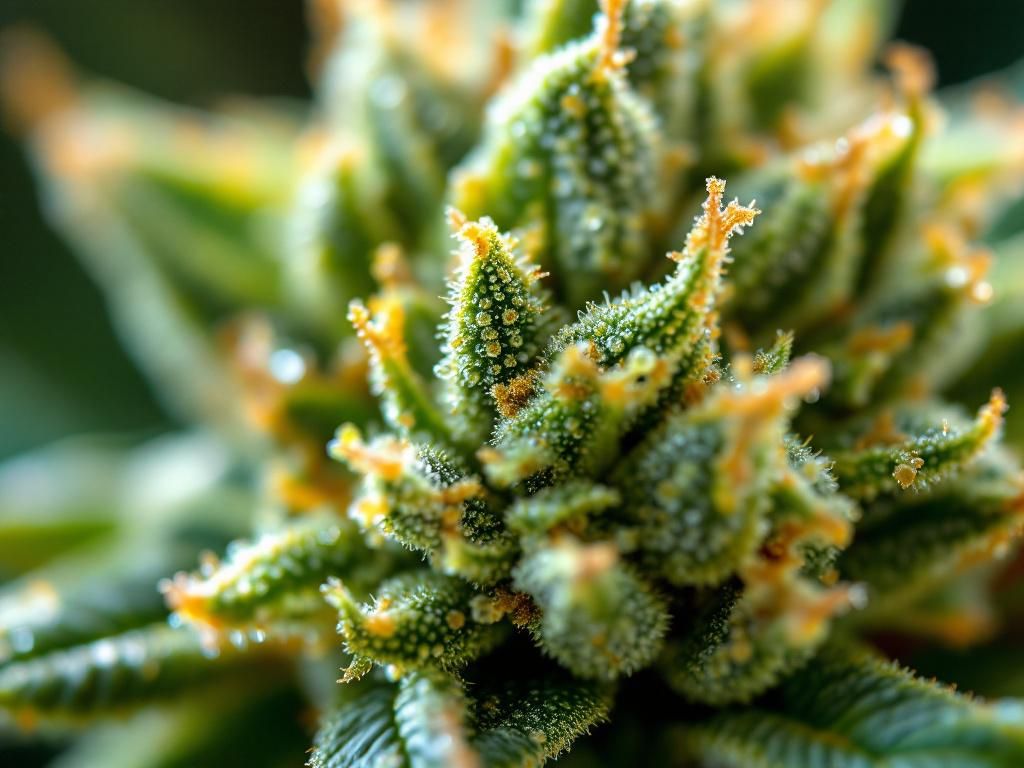
Cannabis taste experiences result primarily from terpenes, naturally occurring organic compounds that create the diverse aromas and flavours distinguishing different strains. Over 150 different terpenes exist in cannabis plants, each contributing specific sensory characteristics that make consumption memorable and satisfying.
These aromatic molecules do more than provide pleasant scents and tastes. Cannabis terpene profile development directly influences both sensory experiences and physiological effects through complex interactions with other plant compounds.
“Terpenes are the unsung heroes of cannabis. They’re what make the difference between good weed and great weed. A strain with high THC but poor terpene development will never deliver the full sensory experience that consumers expect.” – Dr. Ethan Russo, neurologist and cannabis researcher
Understanding Terpenes and Their Taste Impact
Terpenes create recognisable flavour notes including earthy, citrusy, piney, floral, and spicy characteristics that define strain identities. These compounds interact with cannabinoids like THC and CBD through the entourage effect, potentially influencing both taste perceptions and overall cannabis experiences. Individual terpene combinations and concentrations create unique flavour signatures for each variety.
Common terpenes include:
- Myrcene: earthy, musky
- Limonene: citrusy
- Pinene: pine
- Linalool: floral
- Caryophyllene: spicy, peppery
Whether you prefer sweet Gelato notes or robust OG Kush earthiness, you experience carefully balanced, naturally produced terpene profiles that define cannabis quality standards.
Cannabis flavor comparison studies show that terpene diversity and concentration levels vary significantly between cultivation methods and growing conditions.
How Growing Methods Shape Terpene Development
Growing medium selection significantly influences final terpene profiles in cannabis plants. Living soil cultivation provides organic matter and thriving microbial communities that work together to enhance terpene production stability. The slow nutrient release in soil environments allows plants to gradually build layered, complex flavour characteristics.
“Living soil is like a pharmacy for plants. The microbial interactions create a buffered system that allows cannabis to express its full genetic potential for flavour and aroma compounds.” – Jeff Lowenfels, author of ‘Teaming with Microbes’
Hydroponic cannabis quality depends almost entirely on nutrient solution formulations for terpene development. While precision hydro setups allow tailored nutrient regimes that encourage terpene synthesis, the lack of natural microbial interactions sometimes produces flavour profiles described as cleaner but less nuanced than soil alternatives.
Living soil flavour benefits from diverse microorganisms that help plants access nutrients in ways synthetic feeding cannot replicate. Whether choosing soil or hydroponic methods, optimising conditions for terpene production remains essential for unlocking full sensory potential in cannabis varieties.
“The debate isn’t really about which method is superior – it’s about understanding that each system creates different conditions for terpene development. Soil gives you complexity, hydroponics gives you control.” – Ed Rosenthal, cannabis cultivation expert
| Growing Method | Terpene Development | Flavour Profile | Management Level |
|---|---|---|---|
| Living Soil | Natural, gradual synthesis | Complex, layered, earthy | Moderate |
| Hydroponic | Controlled synthesis | Clean, precise, variable | High |
| Coco Coir | Moderate synthesis | Balanced complexity | Moderate-High |
BudBuddies’ Commitment to Premium Flavour

At BudBuddies, flavour and aroma quality matter as much as potency when selecting premium cannabis products. We carefully source flowers, edibles, and THC vapes from expert cultivators who excel with both traditional soil techniques and advanced hydroponic systems. Our commitment to taste excellence means every product delivers exceptional sensory experiences.
Our trusted growers understand how to optimise nutrient delivery, manage environmental factors, and cultivate healthy plants that produce rich terpene profiles regardless of their chosen growing method. This expertise ensures consistent quality, flavour complexity, and freshness in every product you receive from BudBuddies.
Why settle for mediocre taste when premium options exist?
When you browse our extensive selection, you discover diverse flavour profiles that cater to every preference. Whether you enjoy the earthy depth of soil-grown strains or the clean finish of expertly managed hydroponic varieties, BudBuddies offers products that satisfy discerning palates. Our rigorous quality control and partnerships with skilled cultivators guarantee superior taste experiences backed by reliable UK-wide delivery and top-rated customer service.
Conclusion
The soil vs hydro cannabis debate continues because each method offers distinct advantages for flavour development. Soil-based growing, with its rich microbial ecosystems and gradual nutrient release, often produces robust and nuanced taste profiles that many connoisseurs prefer. Hydroponic systems deliver precise control and faster growth but require careful management to avoid harsh chemical residues that can compromise flavour quality.
Cultivator expertise and proper post-harvest processing ultimately determine final product taste regardless of growing method chosen. Understanding these factors helps you appreciate diverse cannabis flavour profiles and make informed decisions when selecting premium products that match your taste preferences.
FAQs
What are terpenes and why do they matter for cannabis flavour?
Terpenes are aromatic compounds in cannabis that create distinctive flavours and aromas ranging from earthy and herbal to citrusy and spicy. They interact with cannabinoids through the entourage effect, enhancing both taste experiences and overall effects. This complex relationship defines each strain’s unique flavour characteristics.
Why is flushing important for flavour?
Flushing involves watering plants with plain, pH-balanced water before harvest to remove residual nutrients from plant tissues. Many growers, especially those using hydroponic systems, report that proper flushing reduces chemical residues and produces smoother, cleaner-tasting cannabis with fewer harsh notes.
Can hydroponic cannabis taste as good as soil-grown varieties?
Yes, meticulously managed hydroponic cannabis can achieve excellent flavour quality that rivals soil-grown alternatives. While soil cultivation often produces more complex taste profiles, skilled hydroponic growers optimise nutrient solutions and flushing practices to create cannabis with impressive, well-rounded flavour characteristics.


