


Weed and Meditation: Expert Tips for Deep Focus
Introduction to Weed and Meditation Techniques
Modern life constantly pulls your attention in different directions, leaving your mind scattered and restless. You’ve probably tried various methods to find mental clarity—from traditional meditation apps to breathing exercises—yet still struggle to quiet that internal chatter. Many people are discovering that cannabis meditation guide techniques offer a fresh approach to achieving the deep focus they’ve been seeking.
Have you ever wondered why some ancient cultures incorporated plant medicines into their spiritual practices?
The combination of weed and meditation techniques isn’t about replacing traditional methods but rather enhancing them with mindful cannabis use. When you thoughtfully integrate cannabis into your meditation routine, you may find that racing thoughts slow down, physical tension melts away, and your awareness of the present moment becomes more vivid. This practice requires careful attention to dosage, strain selection, and environmental setup to create meaningful experiences.
Dr. Michael Backes, author of “Cannabis Pharmacy,” notes that “cannabis has been used ceremonially for thousands of years to facilitate introspective states and spiritual connection.” Your journey with marijuana mindfulness practices should focus on supporting your existing meditation goals rather than creating dependency. Through proper guidance and experimentation, you can develop a personalized approach that combines ancient wisdom with modern understanding of how cannabis affects consciousness and focus.
Key Takeaways
Cannabis meditation offers several compelling benefits when approached mindfully and responsibly. The plant can help reduce mental distractions and physical discomfort that often prevent deep meditative states from emerging naturally. Selecting appropriate strains and maintaining low THC doses between 2.5-5mg creates the foundation for positive experiences without overwhelming psychoactive effects.
Various meditation methods integrate seamlessly with mindful cannabis practice, from traditional breathwork to body scanning techniques. Micro-meditation sessions work particularly well for busy schedules when combined with precise cannabis dosing. Creating a prepared environment with soft lighting and minimal distractions allows the heightened sensory awareness from cannabis to support rather than hinder your meditation goals.
Your success with weed meditation benefits depends largely on treating cannabis as a tool rather than a crutch. Consistent practice, careful observation of your responses, and gradual experimentation help you discover the optimal balance for your unique needs and meditation objectives.
The Science Behind Cannabis, Cognition, and Mindfulness
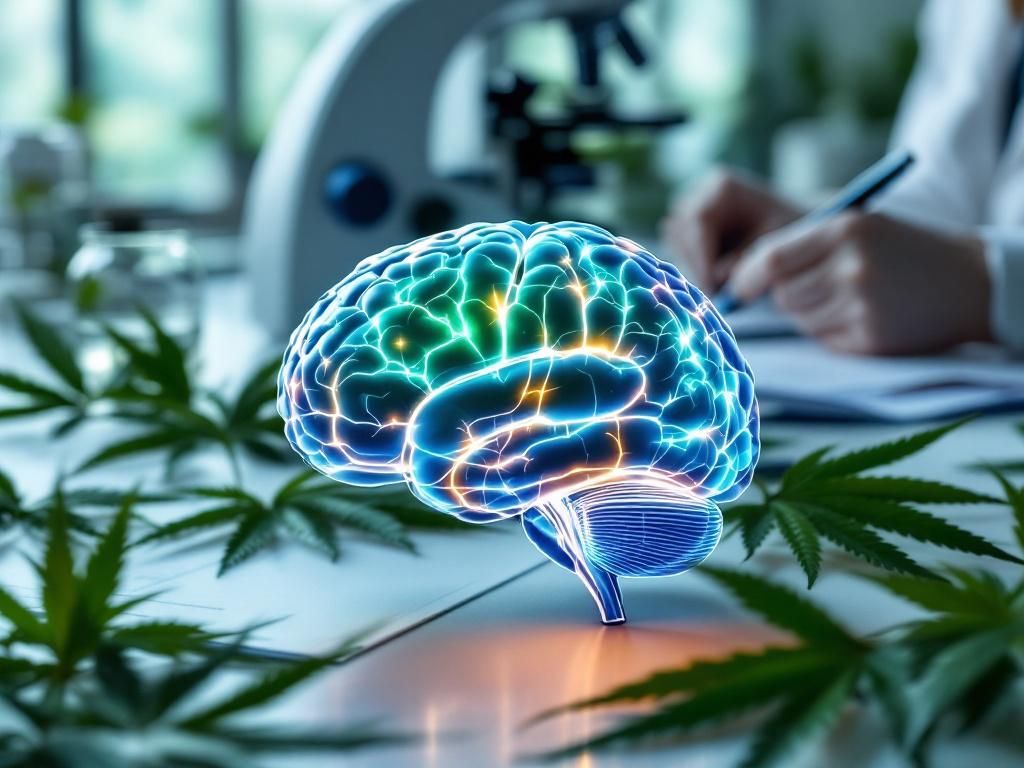
Recent research reveals fascinating connections between cannabis compounds and the brain systems responsible for attention, memory, and self-awareness. Understanding these mechanisms helps explain why so many practitioners report enhanced focus during cannabis enhanced meditation sessions. The scientific foundation provides confidence for exploring these techniques responsibly while setting realistic expectations for your practice.
Cannabis interacts with your body’s endocannabinoid system, which regulates mood, stress response, and cognitive function. This system naturally activates during meditation through the release of compounds like anandamide, often called the “bliss molecule.” When you introduce cannabis thoughtfully, you’re essentially supplementing this natural process rather than overwhelming it.
How Cannabis Affects Cognitive Function
THC, cannabis’s primary psychoactive compound, binds to CB1 receptors throughout your brain and nervous system. These receptors are particularly dense in areas controlling memory, attention, and executive function. Research from the University of Colorado found that low-dose THC can actually improve sustained attention tasks, contradicting assumptions about cannabis always impairing focus.
“The key finding is that very low doses of THC can actually enhance certain cognitive functions, particularly sustained attention, which directly contradicts the stereotype that cannabis always impairs mental performance.” – Dr. Cinnamon Bidwell, University of Colorado
Your cognitive response to cannabis depends heavily on dosage, individual tolerance, and consumption method. A 2017 study published in the Journal of Psychoactive Drugs showed that participants using 2.5-5mg THC doses performed better on attention-based tasks compared to those using higher amounts. This “biphasic effect” means small doses can enhance focus while larger doses may impair it.
The temporary changes in cognitive function during marijuana concentration techniques often include reduced “cognitive inhibition”—the brain’s tendency to filter out irrelevant information. While this might sound concerning, it can actually help during meditation by allowing you to notice subtle sensations and thoughts you’d normally ignore. Dr. Ethan Russo, a neurologist and cannabis researcher, explains that “low-dose cannabis can reduce the mental noise that prevents many people from accessing deeper meditative states.”
Cannabis, the Endocannabinoid System, and the Default Mode Network
Your brain’s default mode network (DMN) becomes active during rest and self-referential thinking. This network often generates the mental chatter, worry, and self-criticism that make meditation challenging. Studies using brain imaging technology show that both meditation and cannabis can reduce DMN activity, though through different pathways.
When you practice cannabis mindfulness meditation, you’re potentially accessing a dual mechanism for quieting mental noise. The endocannabinoid system responds to meditation practice by releasing natural cannabinoids, while introduced THC and CBD compounds provide additional calming effects. This combination may explain why many practitioners report smoother transitions into meditative states when using cannabis.
Research led by Dr. Robin Carhart-Harris at Imperial College London found that psilocybin and cannabis both reduce DMN connectivity, leading to what researchers call “ego dissolution”—a temporary reduction in self-focused thinking. For meditation practitioners, this translates to less mental interference and greater present-moment awareness. The key lies in finding the dosage sweet spot where these benefits emerge without cognitive impairment or anxiety.
Practical Considerations for Cannabis-Assisted Meditation
Success with weed for deep meditation requires careful planning and attention to multiple factors that influence your experience. Your approach to dosage, strain selection, consumption method, and environment setup determines whether cannabis enhances or hinders your practice. Most importantly, you need to view these elements as interconnected rather than separate considerations.
Creating consistency in your practice means developing systems you can replicate session after session. This might involve using the same consumption method, timing, and physical space until you understand how your body responds. Once you establish this foundation, you can begin experimenting with variables to refine your approach.
Dosage and Strain Selection for Optimal Focus
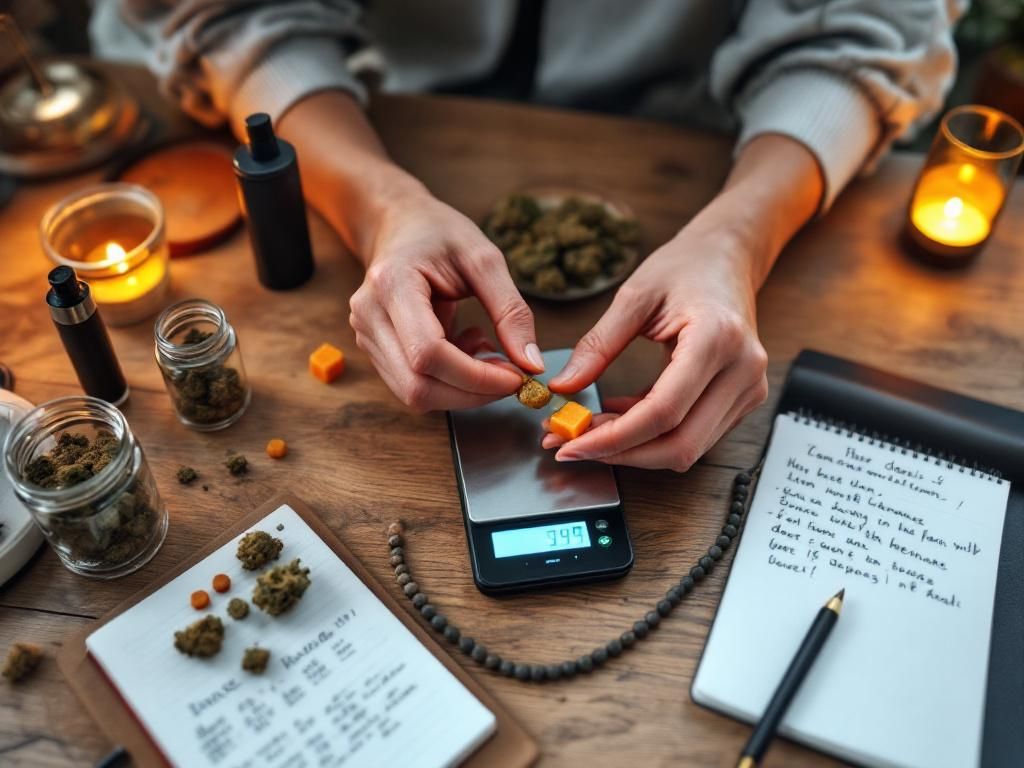
Starting with micro-doses represents the safest path for exploring THC meditation techniques. Begin with 2.5mg of THC and wait at least two hours before consuming more, especially with edibles. Your tolerance, body weight, and individual endocannabinoid system sensitivity all influence how you’ll respond to different amounts.
Sativa-dominant strains often provide the mental clarity and energy conducive to focused meditation sessions. Strains like Green Crack or Jack Herer contain terpenes such as pinene and limonene, which research suggests may enhance alertness and mood. However, some practitioners prefer indica varieties like Northern Lights for body-focused meditation or when dealing with physical tension that prevents mental stillness.
CBD-rich strains or products offer another option for those wanting meditation enhancement without significant psychoactive effects. A 2:1 or 1:1 CBD to THC ratio can provide relaxation and reduced anxiety while maintaining clear thinking. BudBuddies offers carefully selected strains with detailed terpene profiles, allowing you to choose products based on their specific effects rather than guessing. Their lab-tested cannabis flowers ensure consistent potency, which becomes crucial as you dial in your optimal dosage for regular practice.
Consumption Methods and Setting the Scene
Your consumption method significantly impacts the timing and intensity of effects during meditation sessions. Vaping provides rapid onset within minutes, allowing for precise dose control and the ability to add small amounts during longer sessions. BudBuddies’ premium THC vapes offer consistent delivery and eliminate the harshness of smoking, which could disrupt your breathing-focused practice.
| Consumption Method | Onset Time | Duration | Best For |
|---|---|---|---|
| Vaping | 1-3 minutes | 1-3 hours | Precise dosing, shorter sessions |
| Edibles | 30-90 minutes | 4-8 hours | Extended practice, retreat sessions |
| Tinctures | 15-30 minutes | 2-4 hours | Gradual onset, moderate duration |
Edibles create longer-lasting effects that work well for extended meditation retreats or deep practice sessions lasting over an hour. However, the delayed onset means you must consume them 30-90 minutes before beginning your practice. This timing requires more planning but provides steady effects without the need for re-dosing.
“Set and setting remain paramount when combining cannabis with any contemplative practice. The environment and mindset you bring to the experience will determine its value more than the specific strain or dose.” – Dr. Julie Holland, psychiatrist and cannabis researcher
Creating your meditation space involves more than just finding a quiet corner. Cannabis heightens sensory perception, making environmental details more noticeable and potentially impactful. Soft, warm lighting from candles or salt lamps creates a soothing atmosphere without harsh brightness that might feel overwhelming. Natural sounds like flowing water or gentle instrumental music can enhance focus rather than distract when your senses are heightened. Temperature control becomes more important since cannabis can affect your body’s temperature regulation. With BudBuddies’ discreet plain-packaging and reliable next-day delivery across the UK, you can maintain consistent access to your preferred products without worrying about supply interruptions affecting your practice routine.
Effective Weed and Meditation Techniques for Deep Focus
The marriage of cannabis and traditional meditation practices opens doors to enhanced awareness and deeper states of concentration. These marijuana meditation methods build upon established techniques while leveraging cannabis’s ability to reduce mental resistance and heighten sensory perception. Your success depends on approaching each method with patience and willingness to adapt based on what you discover about your responses.
Different techniques serve different purposes and mental states. Some days you might benefit from active, movement-based practices, while others call for stillness and internal focus. Having a repertoire of approaches allows you to match your method to your current needs and cannabis effects.
Cannabis-Assisted Mindfulness Practices
Mindfulness meditation forms the foundation of most contemplative practices, making it an ideal starting point for cannabis integration. After consuming your chosen dose, settle into a comfortable position and begin focusing on your breath. Cannabis often makes each inhalation and exhalation feel more vivid and substantial, providing a stronger anchor for your attention.
The enhanced sensory awareness from mindful cannabis use can transform simple breathing exercises into rich, multidimensional experiences. You might notice:
- The coolness of incoming air
- The gentle expansion of your ribcage
- The pause between breaths
- Maintaining focus when your mind wanders
This heightened perception helps maintain focus when your mind attempts to wander toward daily concerns or future plans.
Progressive muscle relaxation takes on new dimensions when combined with cannabis. Start at your toes and systematically tense and release each muscle group while paying attention to the sensations. Cannabis may amplify your awareness of physical tension you hadn’t noticed before, allowing for more complete release. Many practitioners report that this combination helps them achieve deeper physical relaxation than either technique provides alone.
Loving-kindness meditation, where you direct feelings of compassion toward yourself and others, can feel more accessible with cannabis’s mood-enhancing effects. The plant’s ability to reduce defensive mental barriers may allow you to experience genuine warmth toward difficult people in your life or forgiveness toward yourself for past mistakes.
Integrating Breathwork and Body Scan Meditation
Breathwork practices gain new depth when combined with cannabis’s physiological effects. The plant naturally slows your breathing and heart rate, creating an ideal foundation for techniques like the 4-7-8 breathing pattern:
- Inhale for four counts
- Hold for seven counts
- Exhale for eight counts
- Allow cannabis to support deeper breaths
Box breathing, used by Navy SEALs and meditation practitioners alike, involves equal-length inhales, holds, exhales, and pauses. Cannabis can help you maintain focus throughout each phase while reducing the anxiety some people experience when first learning breath control. The combination often produces profound states of calm that serve as gateways to deeper meditative experiences.
Body scan meditation becomes remarkably vivid when your tactile sensitivity increases through cannabis use. Begin at the crown of your head and slowly move your attention downward, noticing sensations in each area. Cannabis may reveal subtle feelings of warmth, tingling, or energy flow that typically remain below conscious awareness. This enhanced body awareness can help identify and release physical tension patterns that contribute to mental stress.
Dynamic breathwork techniques like Wim Hof Method breathing or holotropic breathwork require extra caution with cannabis. These practices can produce intense altered states on their own, and adding cannabis may create unpredictable effects. If you choose to explore these combinations, start with minimal cannabis doses and ensure you have experienced supervision.
Micro-Meditation and Movement-Based Practices

Busy schedules don’t have to prevent you from accessing the benefits of marijuana meditation practice. Micro-sessions lasting just 3-5 minutes can reset your mental state and provide meaningful stress relief when enhanced with small amounts of cannabis. These brief practices work particularly well with vaping, which allows for precise dosing and rapid onset.
Walking meditation transforms ordinary movement into contemplative practice. After consuming a low dose of cannabis, take a slow, deliberate walk while focusing on the sensations of each step. The enhanced sensory awareness may provide:
- Enhanced awareness of feet contacting the ground
- Increased consciousness of natural arm swinging
- Better focus on gait rhythm
- Improved present-moment awareness
Urban environments offer just as much potential as natural settings—the key lies in maintaining present-moment awareness regardless of surroundings.
Mindful eating becomes a profound practice when cannabis heightens taste and smell sensations. Choose a simple food like an apple or piece of dark chocolate and consume it with complete attention to texture, flavor, and the act of chewing. This practice can help develop patience and appreciation while working with cannabis’s tendency to enhance appetite.
Yoga and tai chi practitioners often find that small amounts of cannabis help them move deeper into postures while maintaining awareness of alignment and breathing. The plant’s anti-inflammatory properties may reduce physical discomfort that limits flexibility, while its consciousness-altering effects can enhance the mind-body connection these practices cultivate. BudBuddies’ precision-dosed edibles work particularly well for movement practices, providing steady effects throughout longer sessions without the need for re-dosing.
BudBuddies: Enhancing Your Cannabis Meditation Journey
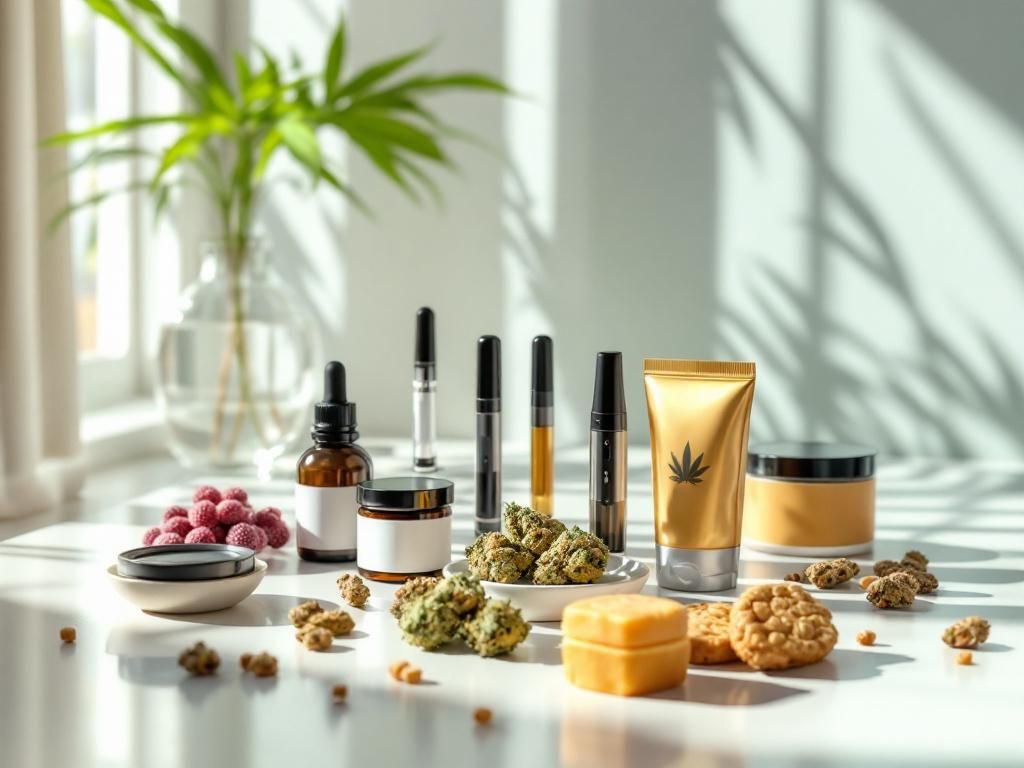
When exploring weed meditation sessions, having reliable access to consistent, high-quality products makes the difference between frustrating experiences and transformative ones. BudBuddies understands that serious meditation practitioners need predictable effects and precise dosing options to develop sustainable practices. Their curated selection focuses on products specifically suited for mindful cannabis use rather than recreational consumption.
Quality control becomes paramount when using cannabis for meditation since variations in potency can disrupt your practice or create overwhelming effects. BudBuddies’ premium cannabis flowers undergo rigorous lab testing to ensure accurate cannabinoid profiles and freedom from harmful contaminants. This consistency allows you to develop confidence in your dosing and timing, essential elements for successful meditation integration.
The discreet plain-packaging that BudBuddies provides protects your privacy while supporting your wellness journey. Many people prefer to keep their meditation practices and cannabis use private, whether due to professional considerations or personal preferences. Their unmarked deliveries ensure that neighbors, family members, or colleagues remain unaware of your purchases, allowing you to focus entirely on your practice without external concerns.
Fast, reliable UK-wide delivery, including next-day options, means you can maintain consistent access to your preferred products without interruptions that might derail your meditation routine. Regular practitioners know that consistency builds momentum, and having reliable supply removes one potential obstacle to daily practice. BudBuddies’ tracking system and responsive customer service team provide additional peace of mind, ensuring smooth transactions that don’t add stress to your life.
Their diverse product range accommodates different meditation styles and preferences. Precision-dosed edibles work excellently for longer retreat-style sessions, while their premium THC vapes offer the control needed for micro-dosing during brief mindfulness breaks. This variety allows you to match your consumption method to your practice goals rather than adapting your practice to available products.
Conclusion
The path of combining cannabis with meditation offers rich possibilities for those seeking deeper focus and expanded awareness. Your success depends on approaching this combination with respect, patience, and commitment to gradual experimentation. The techniques outlined here provide starting points rather than rigid rules, since individual responses to both cannabis and meditation vary significantly.
Remember that cannabis serves as a tool to support your meditation goals rather than replace traditional practices or personal development work. The most profound benefits emerge when you maintain regular practice, careful attention to dosage, and willingness to adjust your approach based on direct experience. Whether you’re drawn to breathwork cannabis combinations or prefer body scan weed meditation, consistency and mindfulness remain your most important guides.
“Cannabis doesn’t make you a better meditator automatically—it simply removes some of the obstacles that prevent you from accessing the focused states that were always available to you.” – Dr. Michael Moskowitz, neuroplasticity researcher
As you explore these practices, pay attention to how different strains, doses, and techniques affect your mental clarity, emotional balance, and spiritual connection. Keep notes about what works best for specific situations or mental states. This self-knowledge becomes invaluable for creating a sustainable practice that enhances rather than complicates your life.
FAQs
Is Combining Weed and Meditation Legal in the UK?
Cannabis remains classified as a controlled substance for recreational use throughout the UK. However, medical cannabis prescriptions are available for specific conditions through licensed clinics and specialists. If you’re interested in exploring cannabis meditation, consult with healthcare providers about legal medical options or consider CBD products that contain less than 0.2% THC, which remain legal for purchase and use.
What Kind of Weed Is Best for Meditation?
Strain selection depends on your meditation goals and personal sensitivity to different cannabinoid profiles. Sativa-dominant varieties often provide mental clarity and energy that support focused practices, while indica strains may help with body-centered meditation or when physical tension prevents mental stillness. CBD-rich strains offer relaxation without significant psychoactive effects. Terpene profiles also matter—pinene may enhance alertness while linalool promotes calm. Start with familiar strains and experiment gradually to find what supports your specific practice needs.
How Much Cannabis Should I Use for Meditation?
Begin with micro-doses between 2.5-5mg of THC, especially if you’re new to cannabis or combining it with meditation for the first time. This amount typically provides subtle effects without overwhelming psychoactive responses that could interfere with focus. Wait at least two hours before consuming additional amounts, particularly with edibles. Your optimal dose depends on factors like body weight, tolerance, and sensitivity to cannabis. Gradually increase only after you understand how smaller amounts affect your meditation experience.
Can Weed Help With Deep Focus During Meditation?
“The question isn’t whether cannabis enhances meditation, but whether you’re using it skillfully as part of a broader contemplative practice rather than as a shortcut to avoid the real work of training attention.” – Jack Kornfield, meditation teacher
Many practitioners report that appropriate cannabis doses help quiet mental chatter, reduce physical restlessness, and enhance present-moment awareness—all beneficial for sustained focus during meditation. The plant’s effects on the default mode network may reduce self-referential thinking that typically disrupts concentration. However, finding your optimal dose is crucial since too much cannabis can impair rather than enhance focus. Success requires treating cannabis as a meditation aid rather than expecting it to create focus without proper technique and regular practice.

