


Cannabis Cooking Temperature Chart for Best Results
Understanding the precise temperatures needed for cannabis cooking can make the difference between mediocre edibles and exceptional ones. Many home cooks struggle with inconsistent results simply because they skip the crucial step of proper heat management. Your cannabis cooking temperature chart becomes an essential tool for unlocking the full potential of your cannabis, whether you’re making butter, oil, or delicious baked goods.
The secret lies in decarboxylation, a process that transforms inactive compounds like THCA into psychoactive THC through controlled heating. Without this step, your edibles won’t deliver the effects you’re expecting. Beyond activation, maintaining optimal temperatures during infusion and baking preserves both potency and flavour, ensuring your culinary creations meet professional standards.
This comprehensive guide provides detailed temperature charts, timing guidelines, and expert techniques for every stage of cannabis cooking. You’ll discover how to avoid common mistakes that waste precious material and learn why temperature precision matters more than most people realise. BudBuddies’ premium cannabis flowers provide the consistent starting material you need for predictable results, making your cooking process smoother and more reliable.
Whether you’re crafting your first batch of cannabutter or perfecting advanced infusion techniques, mastering these temperature guidelines will elevate your edible game significantly.
Key Takeaways
- Decarboxylation activates inactive cannabinoid acids (THCA to THC, CBDA to CBD) through precise heating
- Temperature control during both decarboxylation and infusion preserves valuable cannabinoids and terpenes
- Overheating destroys these delicate compounds, leading to weaker edibles
- An accurate oven thermometer eliminates guesswork
- BudBuddies ensures consistent quality for predictable cooking outcomes
The Science of Decarboxylation: Activating Your Cannabis
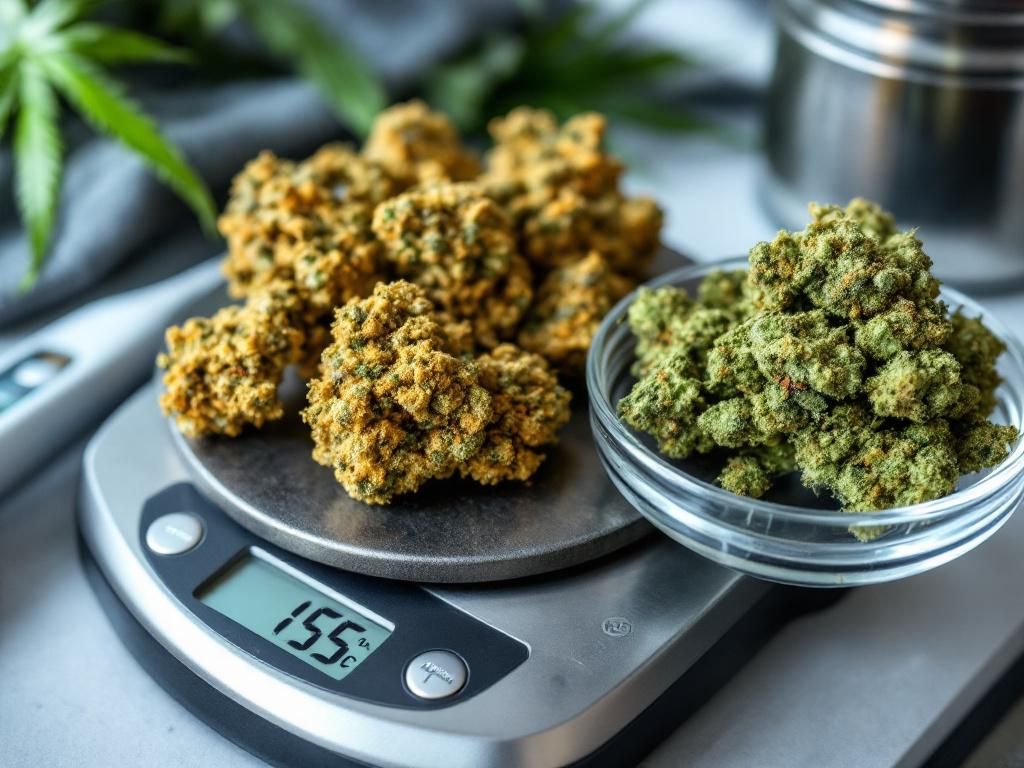
Decarboxylation represents a fundamental chemical transformation that converts cannabinoid acids into their active forms through controlled heat application. Raw cannabis contains THCA and CBDA, which remain largely inactive until heat removes their carboxyl groups, releasing carbon dioxide and creating THC and CBD respectively.
This molecular change explains why eating raw cannabis produces minimal effects compared to properly heated material. The decarboxylation process requires careful balance between temperature and time exposure. Too much heat destroys precious terpenes that contribute to flavour and work synergistically with cannabinoids through what researchers call the “entourage effect.”
Cannabis expert Dr. Ethan Russo notes that terpenes can modify how cannabinoids interact with our endocannabinoid system, making their preservation during heating crucial for optimal effects. Myrcene, limonene, and pinene are particularly heat-sensitive, degrading rapidly above 160°C (320°F).
“The effect of cannabis isn’t just about THC and CBD. It’s the interplay between all the compounds—the terpenes, the minor cannabinoids—that creates the unique therapeutic profile.” – Dr. Ethan Russo, Neurologist and Cannabis Researcher
The visual transformation during decarboxylation provides helpful feedback. Fresh cannabis displays vibrant green colouration, gradually shifting to light golden-brown as acids convert to active forms. This colour change, accompanied by increased aromatic intensity, signals successful activation.
Moisture content affects decarb weed timing significantly. Freshly harvested cannabis with higher moisture levels requires extended heating periods compared to properly cured material. Most home cooks achieve optimal results using oven temperatures between 110-120°C (230-248°F) for 30-40 minutes.
Higher temperatures around 150°C (300°F) can complete decarboxylation within 15-20 minutes but risk excessive terpene loss. Lower temperatures near 93°C (200°F) preserve more delicate compounds but require heating times exceeding 60 minutes for complete conversion.
Your Cannabis Cooking Temperature Chart for Decarboxylation
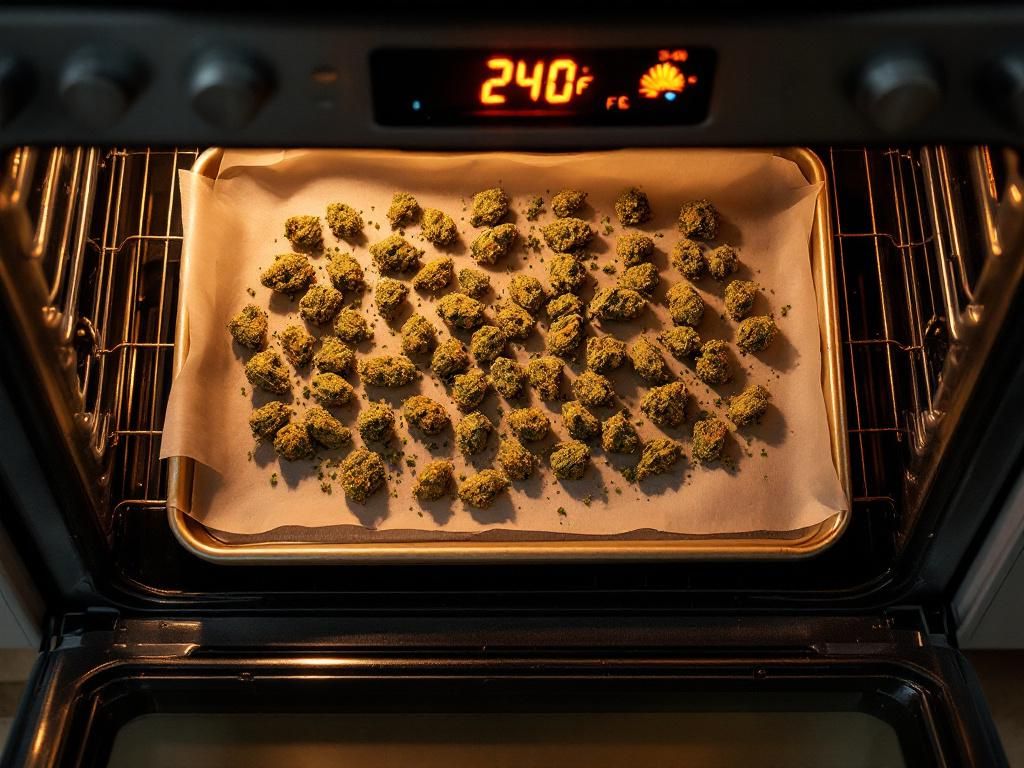
Achieving perfect decarboxylation requires following specific temperature and timing combinations that maximise cannabinoid activation while preserving valuable terpenes. This detailed decarb temperature chart eliminates guesswork from the activation process.
| Method | Temperature | Time | Best For |
|---|---|---|---|
| Low & Slow THC | 104°C (220°F) | 60+ minutes | Maximum terpene retention |
| Standard THC | 110-116°C (230-240°F) | 30-40 minutes | Balanced efficiency and quality |
| Quick THC | 121°C (250°F) | 20-30 minutes | Speed (requires monitoring) |
| Gentle CBD | 110°C (230°F) | 40 minutes | CBD activation with terpenes |
| Fast CBD | 130°C (265°F) | 12 minutes | Quick conversion |
| Sous Vide | 95°C (203°F) | 1-2 hours | Ultimate precision |
Visual and Aromatic Indicators
Watch for colour changes from bright green to light golden-brown, accompanied by intensified cannabis aroma. Properly decarboxylated material becomes noticeably drier and crumbles easily between fingers.
Preparation technique affects results significantly. Break cannabis into small, uniform pieces roughly the size of rice grains before heating. Spread material evenly on parchment-lined baking sheets, stirring gently every 10 minutes to ensure consistent heat distribution.
Oven calibration matters more than most people realise. Home ovens frequently display temperatures 10-20 degrees different from actual internal temperatures. An independent oven thermometer provides accuracy essential for consistent results.
BudBuddies’ carefully cured flowers respond predictably to these temperature guidelines, making your decarboxylation process more reliable compared to inconsistently processed material from less reputable sources.
Infusing and Baking: Temperatures for Cannabis Edibles
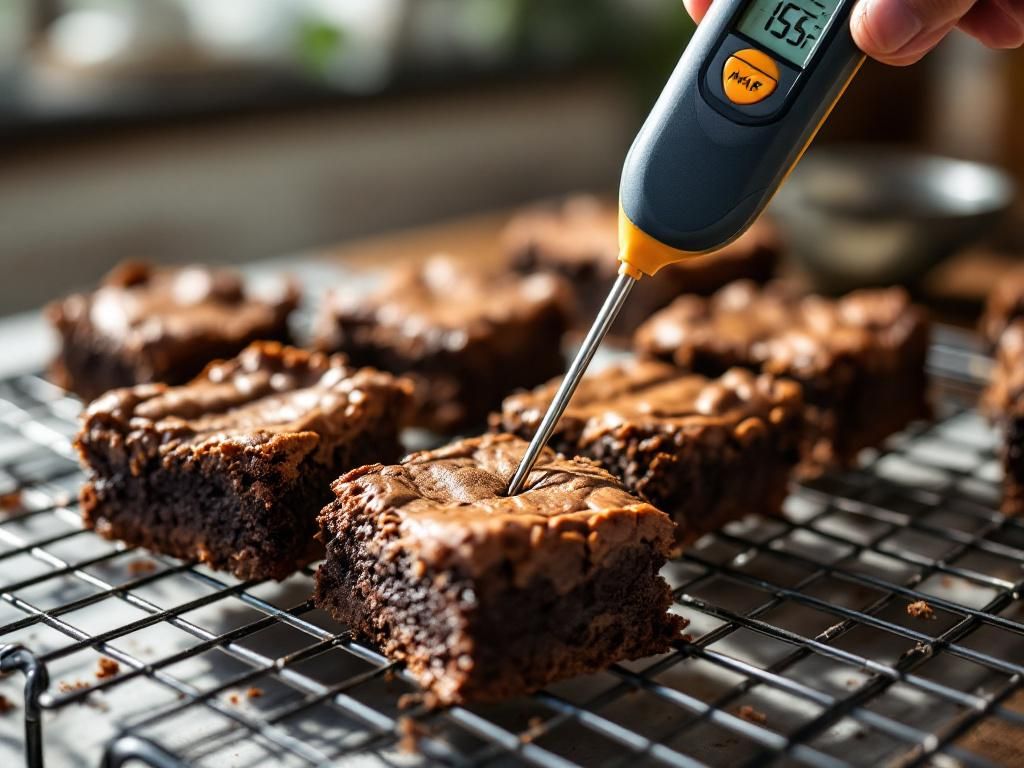
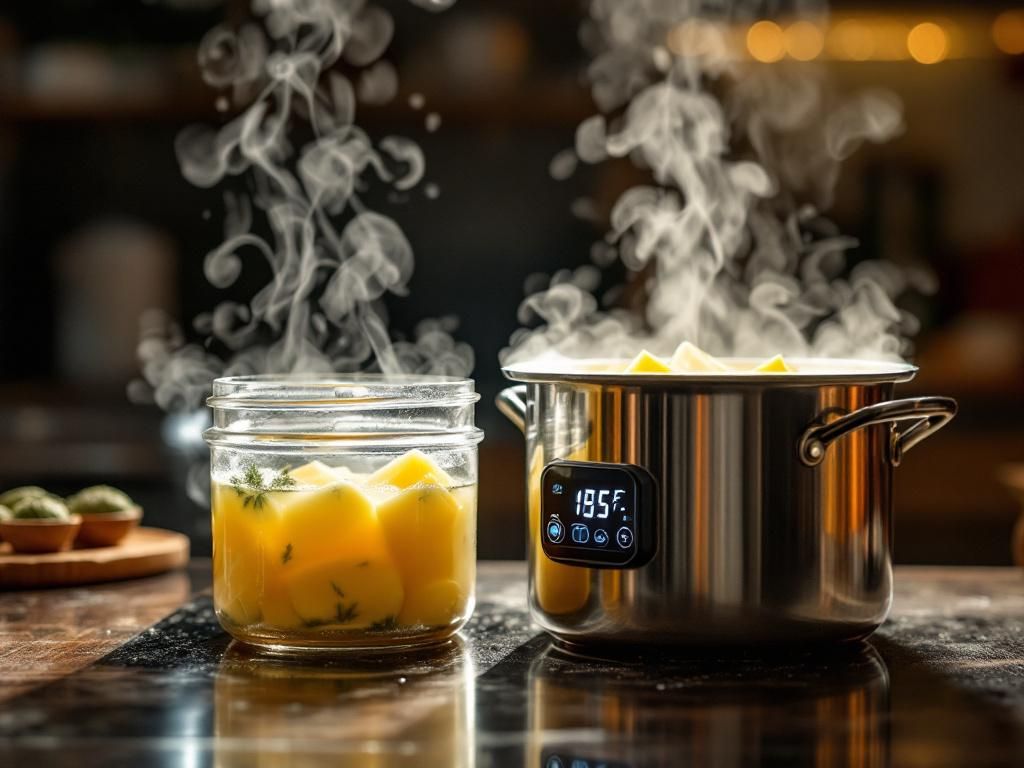
Successfully infused cannabis edibles requires maintaining gentle heat during the extraction process to preserve activated cannabinoids. Whether creating cannabutter, cannabis oil, or alcohol-based tinctures, temperature control remains critical throughout infusion and subsequent baking stages.
Cannabis Infusion Temperature Guidelines
| Infusion Type | Temperature Range | Duration | Notes |
|---|---|---|---|
| Butter/Oil | 80-90°C (176-194°F) | 2-4 hours | Double-boiler recommended |
| Alcohol Tinctures | Room temperature | Extended | Preserves terpenes |
| Water Bath | Consistent 85°C (185°F) | 3-4 hours | Prevents temperature spikes |
Butter and Oil Infusions
Maintain temperatures between 80-90°C (176-194°F) during the cannabis infusion temperature process. This range efficiently extracts cannabinoids into fatty mediums without causing further degradation. Extended simmering periods of 2-4 hours allow thorough extraction while preventing overheating.
Double-boiler methods provide excellent temperature stability for home cooks. Water bath heating prevents direct contact with stovetop heat sources that can create temperature spikes above safe ranges. Slow cookers set on low heat typically maintain ideal infusion temperatures automatically.
Alcohol-Based Tinctures
Room temperature extraction works best for alcohol-based preparations. Heat application during alcohol infusion risks evaporating the solvent and concentrating potentially harmful compounds. Cold extraction methods require extended timeframes but preserve delicate terpene profiles more effectively.
Baking with Cannabis-Infused Ingredients
Most baking recipes require oven temperatures between 160-180°C (320-356°F). These temperatures remain safe for previously activated cannabinoids during typical baking timeframes of 20-45 minutes. However, extended exposure above 180°C (356°F) can degrade THC into CBN, producing more sedating effects.
Brownies, cookies, and similar baked goods work excellently because their dense textures protect infused ingredients from direct heat exposure. Delicate items like meringues or soufflés present challenges due to higher required temperatures and longer cooking times.
“Temperature consistency is everything in cannabis cooking. A few degrees can mean the difference between preserving beneficial compounds and destroying them.” – Chef Andrea Drummer, Cannabis Culinary Expert
Professional Tips for Temperature Management:
- Monitor internal temperatures using instant-read thermometers
- Target 70-75°C (158-167°F) internal temperature for safe consumption
- Avoid recipes requiring temperatures above 200°C (392°F)
- Limit cooking periods to under one hour
- Add cannabis-infused components during final mixing stages
Consider timing when adding cannabis-infused components to recipes. Adding cannabutter during final mixing stages rather than initial preparation reduces total heat exposure time.
Storage and Handling Considerations
Properly infused cannabis products maintain potency for several months when stored correctly. Refrigerate cannabutter and oils in airtight containers to prevent oxidation. Freeze portions you won’t use within two weeks to extend shelf life significantly.
BudBuddies’ premium flowers create consistently potent infusions because their standardised cultivation and curing processes provide reliable starting cannabinoid levels. This consistency makes dosage calculations more accurate and cooking results more predictable.
Temperature management throughout every stage of cannabis cooking determines your final product’s quality, potency, and flavour profile. Following these guidelines ensures professional-level results while maximising the value of your premium cannabis investment.


