


How to Make THC Tinctures Safely at Home
Introduction
If you’ve searched how to make thc tinctures at home, you’ve probably run into a wall of mixed advice. Ratios, oven settings, alcohol strength, decarboxylation – it all stacks up fast, and many people give up before they even start.
A THC tincture is a concentrated liquid made from cannabis and either high‑strength alcohol or a carrier oil. Used under the tongue or in food, it’s discreet, measurable, and long lasting.
This guide walks through:
what a THC tincture is and why people use it
how to decarboxylate cannabis
the two main tincture methods
simple potency maths and dosing
Along the way, BudBuddies appears as a steady reference point for premium flower, concentrates, and ready‑made oils.
If you’re ready to turn theory into something you can actually use, let’s start with what a tincture is and why people enjoy it.
What Is a THC Tincture and Why Make One at Home?
A THC tincture is a liquid cannabis extract where cannabinoids sit in alcohol or oil so you can dose with a dropper. Put simply, it’s a strong cannabis liquid you can place under your tongue, mix into food, or add to drinks.
Most tinctures use either high‑proof ethanol or a neutral carrier oil such as MCT coconut oil. Alcohol‑based versions absorb quickly under the tongue, while oil‑based ones feel smoother and mix easily into food or drink. According to Healthline, many people feel effects within about 15–45 minutes when used under the tongue.
So why bother making one at home instead of just buying a bottle? Making your own lets you choose the strain, the strength, and the solvent that fits your routine. You might want a bright sativa like Amnesia Haze for daytime or a dessert‑style strain such as Gelato for evening use. You may also prefer MCT oil over alcohol because it sits better with your stomach.
BudBuddies helps because every flower and concentrate on budbuddies.cc lists clear THC percentages and a full cannabinoid profile. That means when you learn how to make thc tinctures, your maths is based on real numbers, not guesses. Before any of that, one step matters more than anything else.
How To Decarboxylate Cannabis: The Step You Cannot Skip
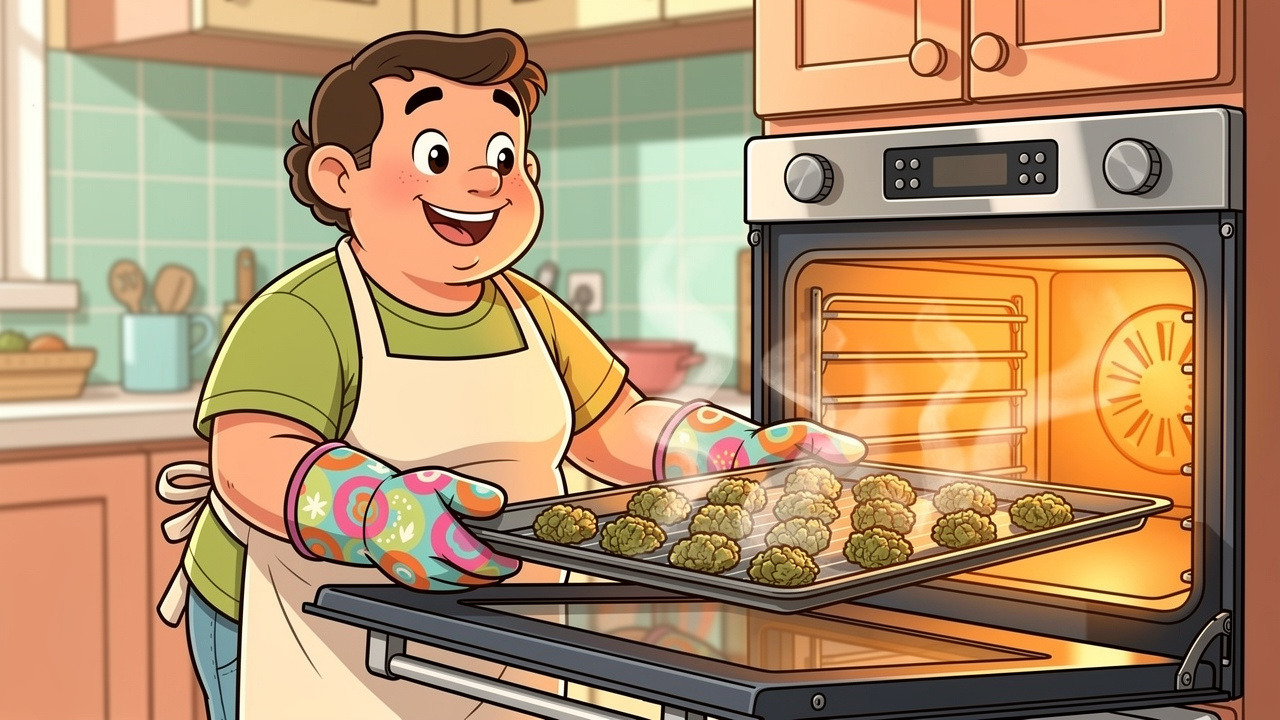
Decarboxylation is the gentle heating step that turns THCA in raw cannabis into active THC your body can use. Skip it and even the best‑looking tincture will feel weak because the plant material never truly wakes up.
Raw buds mostly contain THCA, which does not produce the classic THC feeling. Heat removes a small acid group from the molecule and turns THCA into THC. Research from Project CBD notes that this change begins at low temperatures and happens steadily between about 110–120°C.
For most home ovens, the sweet spot sits around 110–120°C. At that range, 30–45 minutes is usually enough. Your cannabis should shift from bright green to light golden brown with a toasty, earthy smell. Go much above 150°C and you start to damage both THC and terpenes.
Tip from experienced home cooks: use a separate oven thermometer rather than trusting the dial — many ovens run hotter or cooler than the setting you choose.
Common mistakes include:
grinding the flower to dust, which causes uneven heating
cranking the oven high to rush the process
pouring hot cannabis straight into alcohol
Let the herb cool before it touches alcohol or oil.
How To Decarboxylate at Home Step By Step
Follow these simple steps and you give your tincture the best starting point:
Preheat your oven to 110–120°C and give it at least 10 minutes to settle.
Break your cannabis into small, even pieces with clean fingers or a grinder on a coarse setting. Aim for rice‑grain‑sized bits, not fine powder, and pick out any stalks or seeds.
Line a baking tray with parchment and spread the cannabis in a single thin layer with no big clumps. Space between pieces helps hot air reach everything.
Bake for around 30–45 minutes, checking once or twice. Halfway through, gently stir the material so the edges and centre swap places. Stop when it turns light golden brown and smells warm and herbal.
Take the tray out and let the cannabis cool completely at room temperature. Once cool, store it in a jar until you’re ready to infuse.
How To Make a THC Tincture: Alcohol and Oil Methods Explained
Learning how to make thc tinctures mainly comes down to picking your solvent and keeping things tidy. Both alcohol and oil methods use the same decarboxylated cannabis you just prepared; the difference is what you soak it in, how long, and at what temperature.
Alcohol‑based tinctures use high‑strength drinkable ethanol to pull cannabinoids and terpenes out of the plant — for a detailed technical breakdown of the process, this guide on How to Make Cannabis tinctures covers ethanol extraction SOPs, dosing, and shelf life in depth. They tend to be more concentrated per millilitre and last longer in the cupboard. According to Leafly, alcohol tinctures stored in a cool, dark place can stay usable for several years.
Oil‑based tinctures usually rely on MCT oil from coconut, sometimes olive oil. Oil feels smoother in the mouth, suits anyone avoiding alcohol, and mixes well into food and hot drinks once you know your dose. The trade‑off is a slightly shorter shelf life and a little less strength per drop.
Whichever method you prefer, the basic kit is similar. You need decarboxylated cannabis, a clean glass jar with a tight lid, your chosen solvent, a fine strainer or cheesecloth, and dark glass dropper bottles. A common starting point is 3.5 g of cannabis for each 100 ml of alcohol or oil. BudBuddies flower, concentrates, or distillates all come with measured THC levels, so you can tweak this ratio with confidence.
The Cold Extraction Method: Alcohol Step By Step
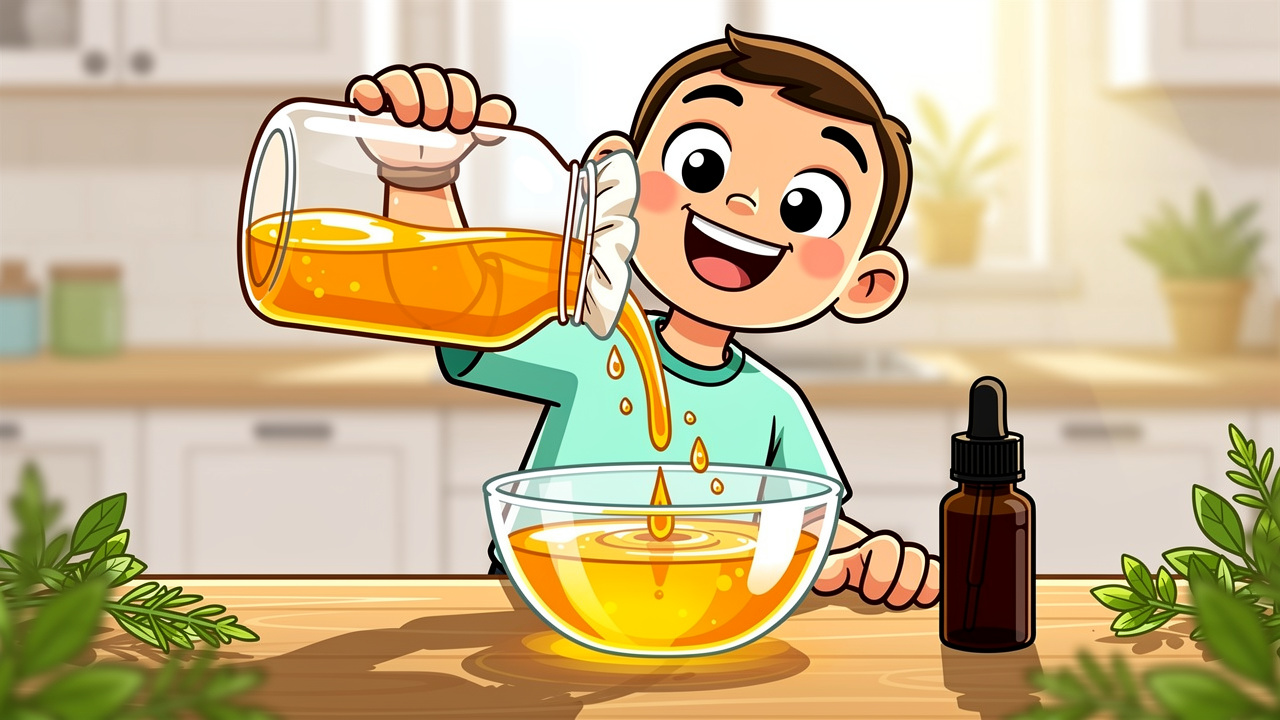
The cold or “Golden Dragon” style quick wash is a favourite for experienced tincture makers. Chilling both the cannabis and the alcohol reduces the amount of chlorophyll pulled into the liquid, leading to a cleaner taste and clearer tincture.
Place your decarboxylated cannabis in a sealed bag or jar and put it in the freezer. Chill your bottle of high‑strength alcohol beside it for at least 1–2 hours.
Take the jar and alcohol out of the freezer and work fairly quickly. Tip the frozen cannabis into the jar, then pour in just enough alcohol to cover it by 1–2 cm. Seal the lid tightly and swirl so every piece is soaked.
Shake the jar firmly for 3–5 minutes while holding the lid in place — it is worth noting that Thc Loss During Alcohol evaporation can be significant, so keep the jar sealed whenever you are not actively working with it. The liquid should pick up a pale yellow or light green tint as cannabinoids move into the solvent.
Set up a clean jug or bowl with cheesecloth or a fine strainer on top. Pour the mixture through and gently squeeze the cloth at the end to press out the last drops. For extra clarity, filter once more through a coffee filter.
Use a small funnel to transfer the filtered tincture into dark glass dropper bottles, leaving a little air gap at the top. Label each bottle with the strain, date, and rough potency so you can adjust time or ratios on the next batch.
The Oil Infusion Method: Step By Step
Oil infusion relies on gentle heat over a few hours instead of a fast cold wash. MCT oil is popular because it is neutral in taste and works well under the tongue.
Add your decarboxylated cannabis to a clean glass jar and pour in MCT oil until the plant material is well covered. A good starting ratio is 1 g of cannabis to 10 ml of oil. Stir with a clean spoon so no dry spots remain, then screw the lid on securely.
Place the sealed jar into a slow cooker or saucepan filled with water, creating a simple bain‑marie. Keep the water around 70–85°C; a kitchen thermometer helps you stay in this range.
Let the jar sit in the hot water bath for 4–8 hours. Every half hour or so, lift the jar with tongs and give it a gentle shake. Top up with warm water if the level drops.
After the infusion time, remove the jar and allow it to cool until it’s comfortable to handle. Set up a bowl with cheesecloth or a fine strainer, then pour the oil and plant mixture through. Squeeze the cloth slowly to collect as much infused oil as possible.
Funnel the warm oil into dark glass dropper bottles and seal them tightly. Label each bottle with the strain, date, and per‑millilitre strength if you’ve calculated it, then store in the fridge or a cool cupboard.
How To Calculate Potency and Dose Your THC Tincture Safely
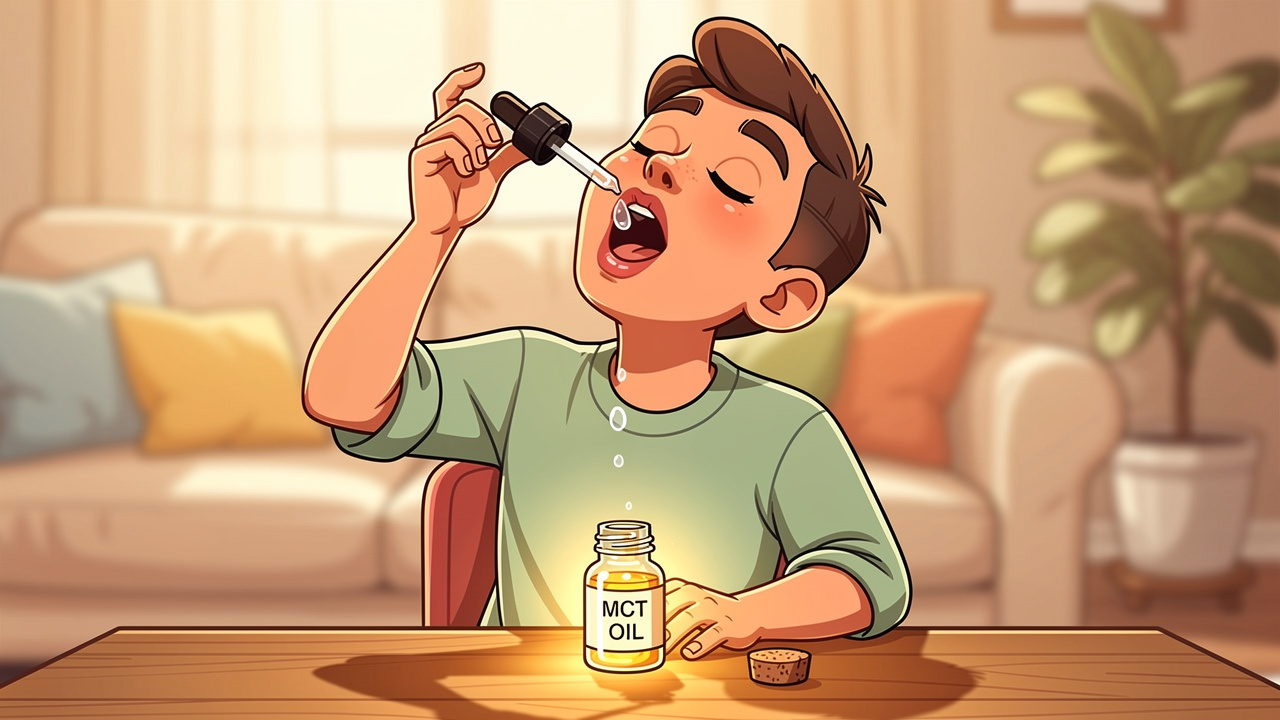
Working out how strong your tincture is takes a little maths but is easier than most people expect, and knowing the rough milligrams of THC in each millilitre lets you plan calm, predictable sessions and compare home batches with ready‑made BudBuddies oils.
Here’s the simple method: first note how many grams of cannabis or concentrate you used. Next, look at the THC percentage on the BudBuddies product page or Certificate of Analysis. Recent figures from NIDA show many modern flowers sit between 15–25% THC, which fits the BudBuddies range well.
Use this format:
multiply grams by THC percentage
multiply by 1,000 to turn grams into milligrams
divide by the total millilitres of your tincture
That gives a realistic mg THC per ml figure for dosing.
For example, 3.5 g of flower at 20% THC holds about 700 mg of THC. If you infuse that into 100 ml of alcohol or oil, you get an upper limit of 7 mg per ml. Extraction is rarely perfect — Commercial cannabis product testing: research shows that even regulated products frequently vary from their stated potency, so a realistic home estimate sits around 4–6 mg per ml.
Dosing works best with the simple idea many doctors at Harvard Medical School echo: start low and go slow.
“Start with a low dose and increase slowly.” — guidance echoed by many clinicians and patient groups
Begin with a small amount, wait, then adjust.
Here is a quick guide:
| Experience Level | Suggested First Dose | Likely Feeling |
|---|---|---|
| New or cautious | 2–3 mg THC | Gentle calm, subtle shift |
| Occasional user | 3–7 mg THC | Noticeable relaxation and mood lift |
| Regular user | 7–15 mg THC | Clear psychoactive effect |
| Very tolerant | 15 mg THC or more | Strong, lasting impact |
Place the tincture under your tongue and hold it there for 60–90 seconds before swallowing. Wait at least 90 minutes before taking more, especially with oil‑based tinctures or when you swallow them with food.
If you use BudBuddies flower or distillate, the labelled THC figures – plus the edible dosage calculator and Cannabis Tincture Dosage UK Guide on budbuddies.cc – make these numbers much easier to trust.
Why BudBuddies Is the Right Starting Point for Home Tincture Making
Every great homemade tincture begins with reliable starting material. If the flower or concentrate is weak, contaminated, or badly labelled, no method can fix that — and this is where BudBuddies makes a clear difference.
BudBuddies stocks AAAA+ graded cannabis flower across strains like Gelato, Amnesia Haze, and Blueberry Haze, each with lab‑tested cannabinoid and terpene profiles. You can pick an indica‑leaning option for night, a lively sativa for day, or a balanced hybrid for any time. Because the THC percentages are clearly stated and backed by Certificates of Analysis, your potency calculations feel straightforward instead of like guesswork.
If you prefer compact, strong starting points, BudBuddies concentrates, wax, shatter, live resin, and distillates all work well for tincture projects. Concentrates offer higher THC per gram, which means smaller volumes and cleaner‑tasting bottles. Again, every product page on budbuddies.cc spells out the cannabinoid content and the carrier oil when present.
Some readers will finish this guide and decide they’d rather skip the saucepan entirely. For them, BudBuddies already offers THC oils and cannabis tinctures with clear milligrams per millilitre, full‑spectrum or broad‑spectrum options, and batch test reports. Orders arrive in plain, smell‑proof packaging with tracked delivery across the UK and Ireland, direct crypto payments earn a 10% discount, and loyalty rewards plus free shipping on orders over £60 keep things friendly for value‑conscious shoppers.
Finished With the Basics: Here Is What To Do Next
You have now seen the three pillars that make home tinctures work: decarboxylate your cannabis properly, choose the solvent that matches your taste and lifestyle, and think about potency before that first drop reaches your tongue. With those pieces in place, tinctures stop feeling mysterious and start feeling manageable.
From here, you can experiment gently. Try an alcohol batch and an oil batch, notice how each suits your routine, and refine your ratios. If any step feels like more effort than you want, you can lean on the carefully measured THC oils, flower, and concentrates at budbuddies.cc instead. However you prefer to enjoy cannabis, BudBuddies keeps the focus on clarity, privacy, and a smooth experience from first click to final drop.
Frequently Asked Questions
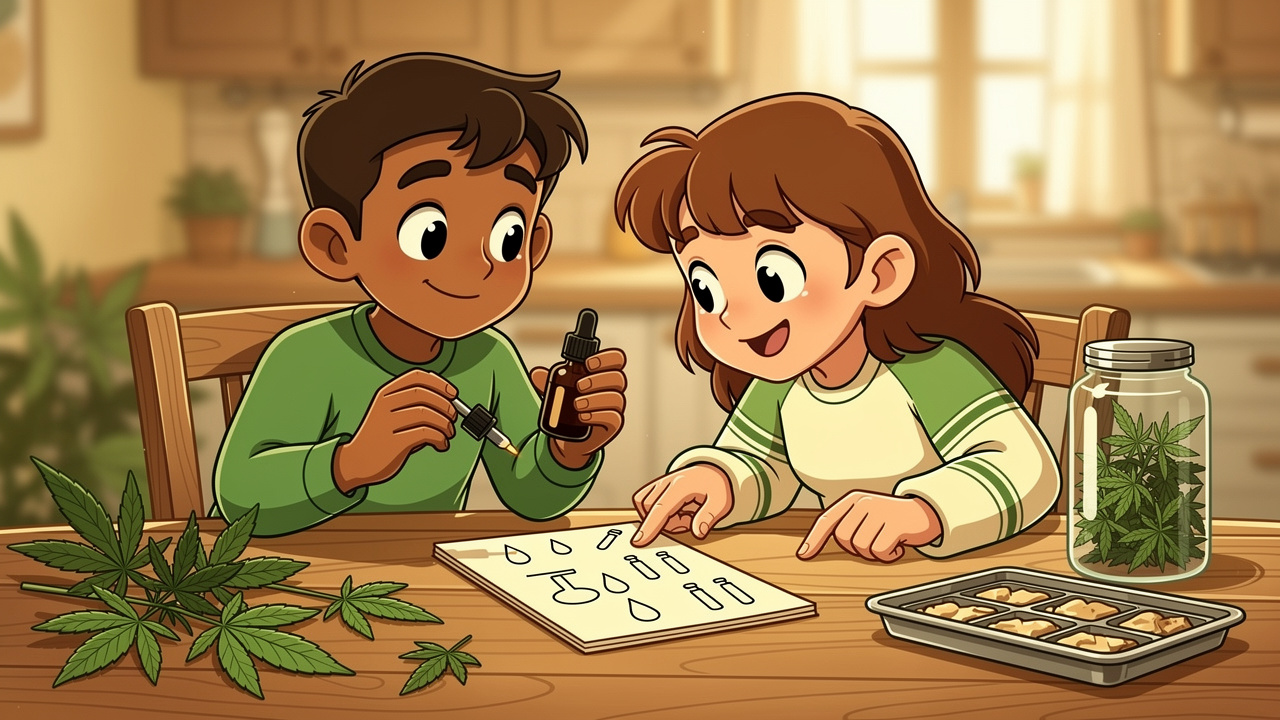
These questions cover the points that nearly always pop up once someone learns how to make thc tinctures. Each answer stands on its own, so you can skim for what you need. If you still feel unsure after reading them, exploring product pages and guides on budbuddies.cc is a helpful next step.
Question: What is the best cannabis to use for making a THC tincture at home?
The best cannabis for a home THC tincture is high‑quality flower or concentrate with clear THC percentages, ideally around 20% THC or more so you get solid strength without huge volumes. BudBuddies AAAA+ flower and concentrates come with full lab reports, which makes your potency maths far more reliable.
Question: How long does a homemade THC tincture last?
An alcohol‑based THC tincture stored in a cool, dark cupboard in dark glass can stay stable for 1–2 years, while oil‑based tinctures usually hold quality for 1–2 months at room temperature and up to 6 months in the fridge. If it smells rancid or looks mouldy, throw it away.
Question: Can you make a THC tincture without alcohol?
Yes, you can make a THC tincture with MCT or coconut oil instead of alcohol. Oil tinctures taste smoother and are easy to add to food or drink, but they tend to kick in a little slower and have a shorter shelf life. The method in this guide covers that approach step by step.
Question: How do you know if your tincture is strong enough?
You judge your tincture strength by combining simple maths with careful self‑testing. Calculate milligrams per millilitre from your starting material, then take a very small dose and wait at least 90 minutes, as sublingual use gives faster feedback than swallowing. If each batch still feels unpredictable, BudBuddies lab‑tested flower removes a big source of uncertainty.
Question: What is the difference between a THC tincture and a CBD tincture?
A THC tincture contains tetrahydrocannabinol as the main active cannabinoid and can produce a clear psychoactive effect. A CBD tincture is typically made from hemp, holds minimal THC, and does not create that same intoxication. BudBuddies offers both THC and CBD oils, including full‑spectrum options that keep the wider cannabinoid and terpene profile for a more rounded effect.


