


Edible Dose Too High Symptoms: What to Expect & Do
Introduction
Taking one edible too many happens to new and experienced cannabis fans alike. When edible dose too high symptoms hit, the experience can feel intense and worrying.
Racing thoughts, a pounding heart, and strange, stretched-out time can quickly turn a relaxed night into something you just want to end.
An edible dose that is too high simply means your body has more THC than it can comfortably handle right now, so edible dose too high symptoms show up as a mix of physical and psychological reactions. This guide explains what those symptoms look like, how long they last, and what you can do right now to feel safer. It also walks through simple dosing habits and BudBuddies tools that help you stay in control every time you reach for gummies or brownies.
Ready to feel calmer about what is happening and what to do next? Keep reading. The more you understand, the less frightening this tends to feel.
What Are The Symptoms Of An Edible Dose That’s Too High?
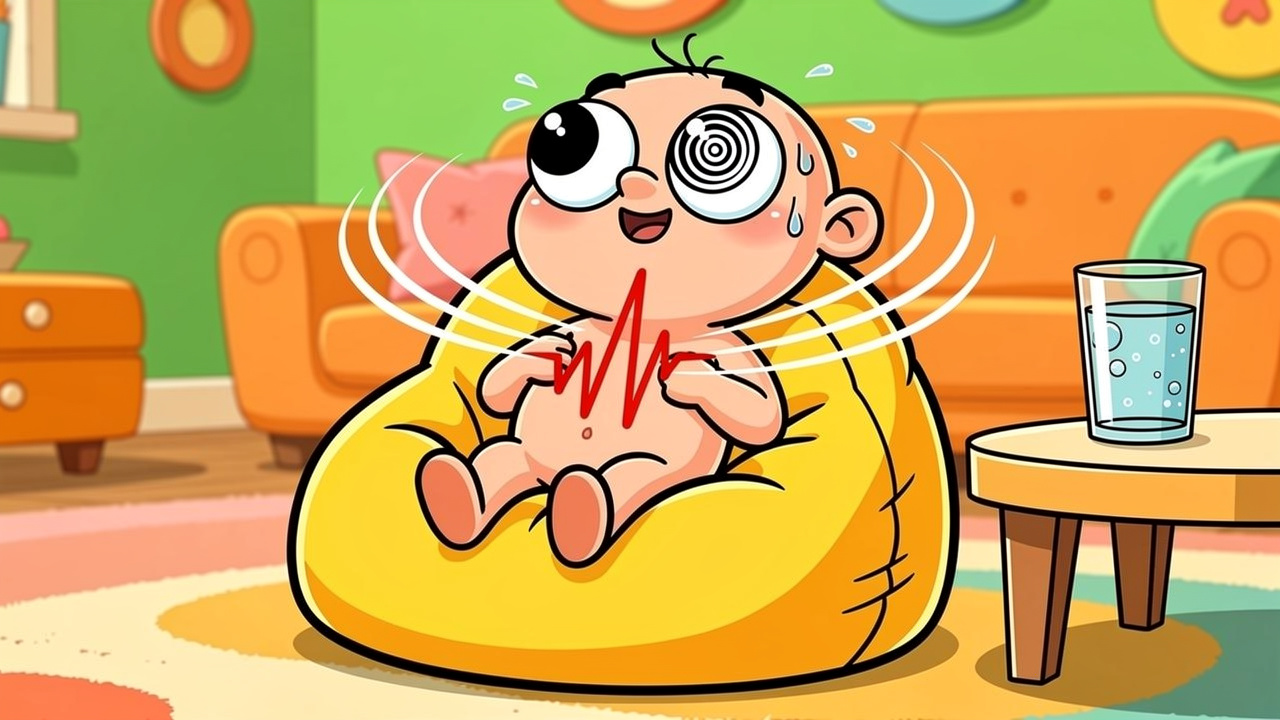
Symptoms of an edible dose that is too high show up in your body and your mind. Most edible dose too high symptoms fall into two groups: physical signs and psychological effects. Knowing both sets of signs helps you tell the difference between a scary moment and a true emergency. In most healthy adults these effects feel uncomfortable rather than dangerous, although they can still feel very intense.
Guidance from the NHS notes that high THC use can trigger anxiety, panic, and nausea, which matches what many people report from strong edibles. Remember that your experience, while frightening, is very similar to what countless others have felt before. That shared pattern is part of why these reactions are so well understood.
Here is how common edible dose too high symptoms tend to show up. Use this as a rough checklist rather than something you must tick off point by point.
Physical signs often arrive first:
Rapid heartbeat: can feel like your chest is thumping far harder than normal. THC temporarily raises heart rate, which research from the National Institute on Drug Abuse confirms is a standard effect. For most people it settles as THC levels drop, even though the sensation can stir extra anxiety.
Nausea or upset stomach: is very common with high doses, especially if you ate rich food or drank alcohol as well. The queasy feeling can make you worry that something is badly wrong, even when your body is simply processing THC. Sipping water and nibbling plain snacks usually feels gentler than trying to force a full meal.
Dizziness or feeling wobbly: often appears as the edible peaks. Standing up fast may make the room tilt or spin, so slow movements help. Many people feel safest lying on a sofa or bed until the peak passes.
Dry mouth and dry, red eyes: show that THC is affecting your saliva and tear production. These are classic cannabis effects at most doses, not only when you have gone too far. Keeping water nearby and using eye drops, if you have them, can make you feel more human again.
Trembling, sweating, or pale skin: can appear when anxiety and high THC levels combine. The body switches into a mild stress response, which feels scary but usually settles on its own. Cool air, loose clothing, and calm breathing often ease these sensations.
Heavy limbs and deep fatigue: often follow the early rush. You may feel glued to the sofa and tempted to sleep where you sit. If you do lie down, keep water close and let someone you trust know how you feel if possible.
Psychological edible dose too high symptoms can feel even more upsetting than the physical ones, especially if you are not used to strong edibles:
Sudden waves of anxiety or panic: can appear with little warning. Thoughts may spiral into worst-case scenes, and you might feel sure that the feeling will never end. Reminding yourself out loud that the effects are temporary and time limited can soften the fear.
Paranoia: makes normal situations feel unsafe, such as feeling judged by friends or neighbours for no clear reason. This comes from THC acting on areas of the brain that handle threat detection, as described by Harvard Health Publishing. Keeping to calm, familiar spaces reduces extra triggers.
Confusion and warped sense of time: are classic signs of a high edible peak. Simple tasks like sending a text or following a TV plot can feel strangely hard. Minutes may feel like hours, which is why checking a clock sometimes helps you realise more time has passed than you thought.
Feeling outside your body or that the room is unreal: are called depersonalisation and derealisation. They sound dramatic yet are fairly common with strong edible doses. These sensations fade as your brain chemistry settles back toward its usual state.
Extreme sedation or couch lock: is the flip side of panic for some people. You might feel too heavy or spaced out to move, speak much, or care about what is happening around you. Resting somewhere safe and letting the wave pass is usually the most realistic plan.
While this list can look alarming, remember that these reactions almost always ease with time and rest. Keeping that in mind, even repeating it out loud, can stop fear from taking over.
As many cannabis educators put it, “The effects of a strong edible can feel huge, but they are temporary and will pass.”
How Long Do These Symptoms Last?
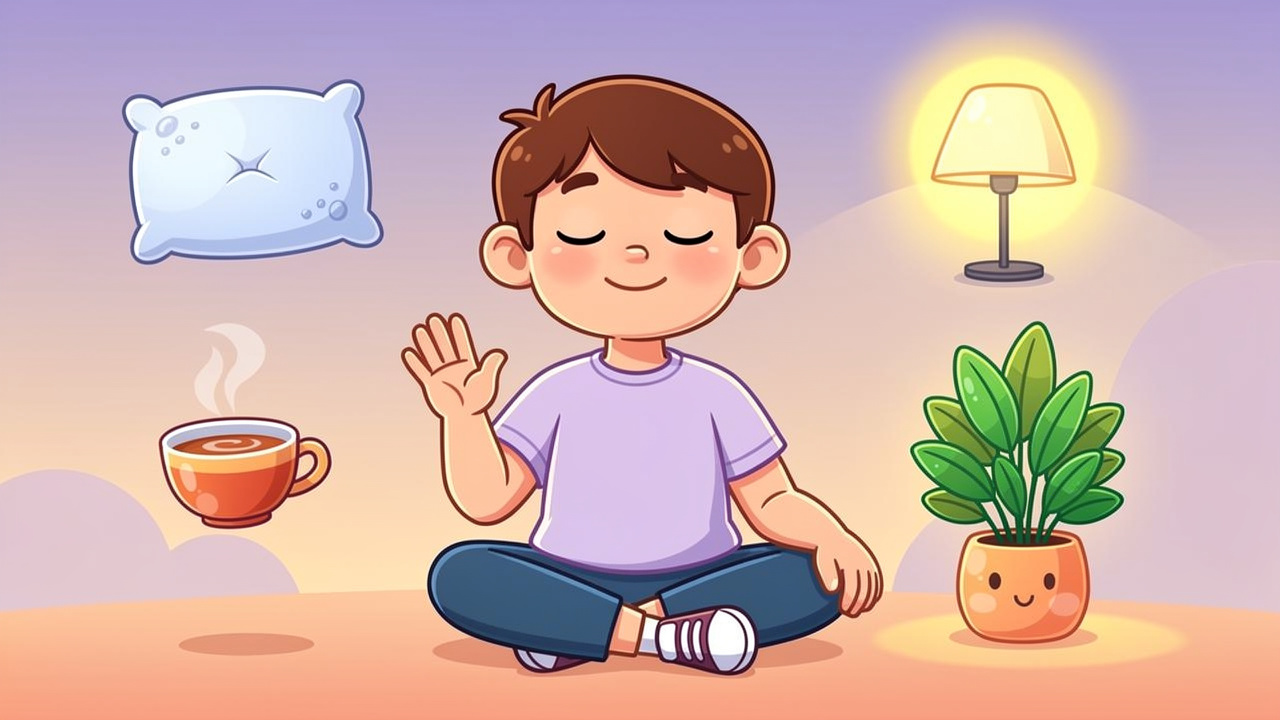
Most edible dose too high symptoms usually follow a fairly steady timeline. Knowing the rough stages can make each phase feel more manageable:
30–90 minutes: noticeable effects arrive, sometimes a little later if you have eaten a full meal. You may feel a gentle lift at first, then stronger body and mind changes.
1–3 hours: this is the usual peak. Anxiety, dizziness, confusion, or intense euphoria tend to feel strongest here. If you have doubled up on doses because the first one felt slow, this is when both can collide.
3–6 hours: sensations usually soften, although you can still feel quite high, dreamy, or sleepy. Many people find this part far easier once they realise the worst is already behind them.
Up to 12 hours: lingering fatigue, grogginess, or patchy memory can continue, especially after very strong brownies or multiple gummies. A long nap or a full night’s sleep often clears the last traces.
Reports gathered by the World Health Organization describe cannabis as having low toxicity, so symptoms fade as THC leaves your system. If you used a very high dose, the effects may feel like they drag on, but they still follow this same general arc.
Why Do Edibles Hit So Much Harder Than Smoking Or Vaping?
Edibles hit harder than smoking or vaping because your liver turns THC into a stronger form before it reaches your brain. The slow build and long tail of this process explain why an innocent-looking brownie can feel far more intense than a few puffs on a vape.
When you eat THC, it travels through your stomach and intestines before heading to the liver. There it changes into 11-hydroxy-THC, a compound that crosses into the brain more easily than the THC you inhale. Research discussed by the National Institute on Drug Abuse notes that this route creates a slower rise yet a longer experience.
Smoked or vaped cannabis usually hits within minutes and settles within two or three hours for most adults. Edibles can take up to two hours to show their full character, then keep you noticeably high for four to eight hours, sometimes more at higher milligram levels. That long peak is why edible dose too high symptoms can feel so relentless once they arrive.
Another big factor is impatience. Many people eat more during the quiet first hour, then both doses collide later and feel far stronger than planned. On top of that, uneven homemade bakes or mystery sweets from unverified sources can hide far more THC than the label suggests — a concern underscored by CDC data on severe illness associated with consuming unlabelled mushroom-containing chocolate products, illustrating how hidden psychoactive ingredients in edibles can cause serious harm.
BudBuddies helps remove guesswork by listing clear milligrams of THC per serving on gummies, brownies, capsules, and drinks at budbuddies.cc. Batches go through double potency checks and third-party lab testing, so a 5 milligram square or 10 milligram capsule behaves as described.
What To Do If You’ve Taken Too Much Step By Step
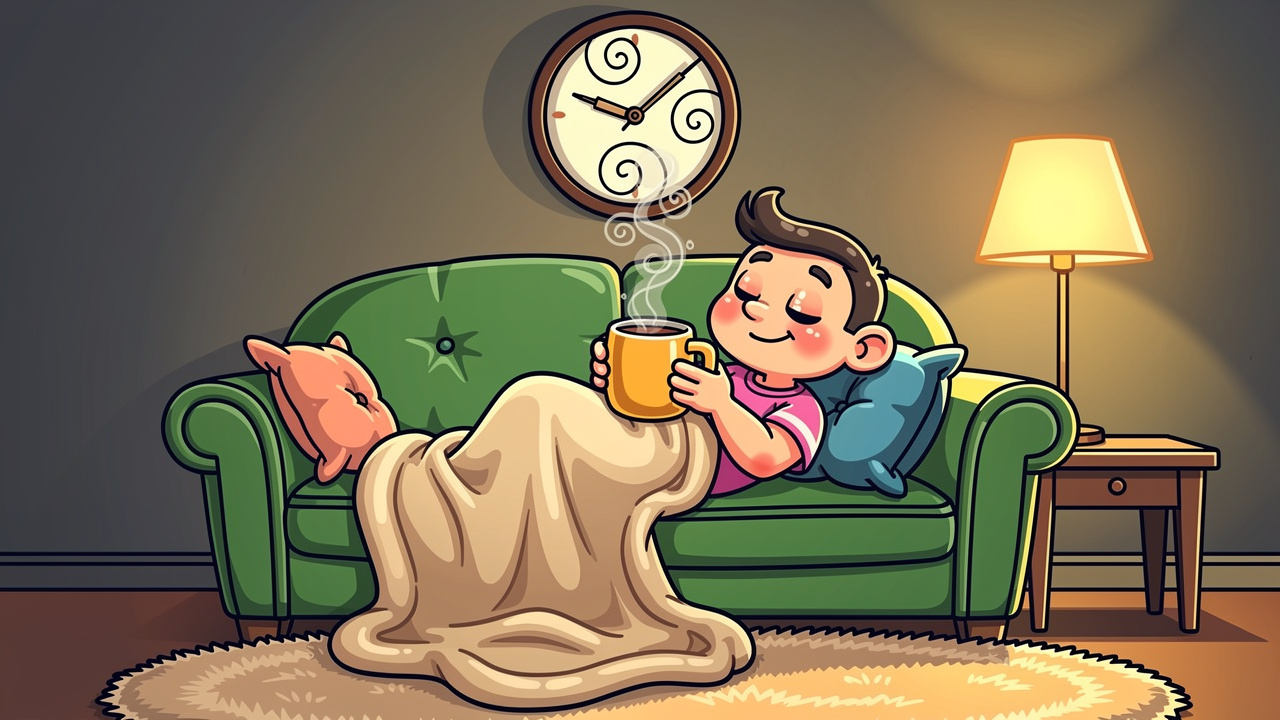
If your edible dose too high symptoms are building, simple, steady actions can make the ride far kinder. The goal is to keep you safe, reassure your mind, and let time do the rest. You cannot instantly cancel THC, yet you can lower the panic and support your body while it clears the substance.
Remind yourself this will pass. No recorded cases show people dying from cannabis alone, as noted in reviews by the World Health Organization. Saying out loud that you are safe and simply very high can cut through the scariest thoughts.
Move to a familiar, comfortable space. Choose somewhere you can sit or lie down. Soft lighting, calm sounds, and a steady temperature stop extra stress landing on an already busy nervous system. If you feel dizzy, stay seated and avoid stairs until things settle.
Sip cool water or herbal tea slowly. Dehydration and dry mouth can make nausea and headaches worse, so regular small sips help more than chugging a big glass. Skip alcohol or energy drinks because they can raise your heart rate and sharpen anxiety.
Use gentle distractions. Take focus away from each uncomfortable sensation. A favourite, low-drama series, a comforting playlist, or even a simple phone game can give your mind a safer place to sit. Try to avoid scrolling heavy news or anything intense, which can feed uneasy thoughts.
Ground your senses when panic rises. A common technique from therapists at Mind is to notice five things you can see, four you can touch, three you can hear, two you can smell, and one you can taste. This simple list pulls attention toward the present moment rather than internal fear stories.
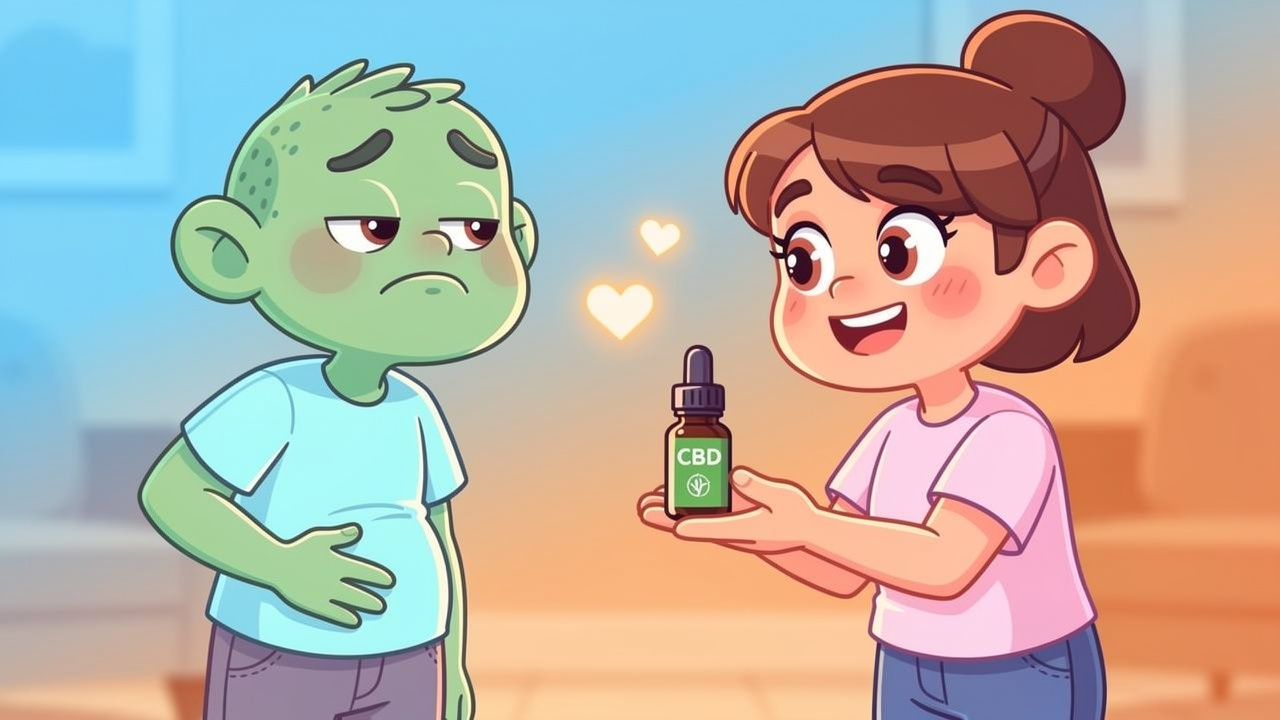
Consider CBD if you have it. If you have CBD drops, a CBD vape, or a balanced THC to CBD edible from BudBuddies, consider taking a small amount. Studies shared by Harvard Health Publishing suggest CBD can soften some of the anxiety linked to THC. Start with a modest CBD dose and give it time to take effect.
Ask a trusted person to stay nearby. A calm friend, partner, or housemate can reassure you, grab water, and keep an eye out in case you need extra help. Let them know roughly what you took and when so they can give clear information if needed.
Seek medical help if something feels seriously wrong. Signs like chest pain, breathing trouble, or someone not waking up need urgent attention. Emergency staff across the UK see cannabis overconsumption regularly and their priority is your safety, not judgement. If you do attend a hospital, honest details about what you ate and when help doctors support you faster.
As many clinicians reassure patients, “If you are worried about your health, it is always okay to ask for help.”
Even when edible dose too high symptoms feel huge, these steps lower the noise around them so your body can quietly process the THC.
How To Avoid Taking Too Much Next Time Safe Dosing With BudBuddies
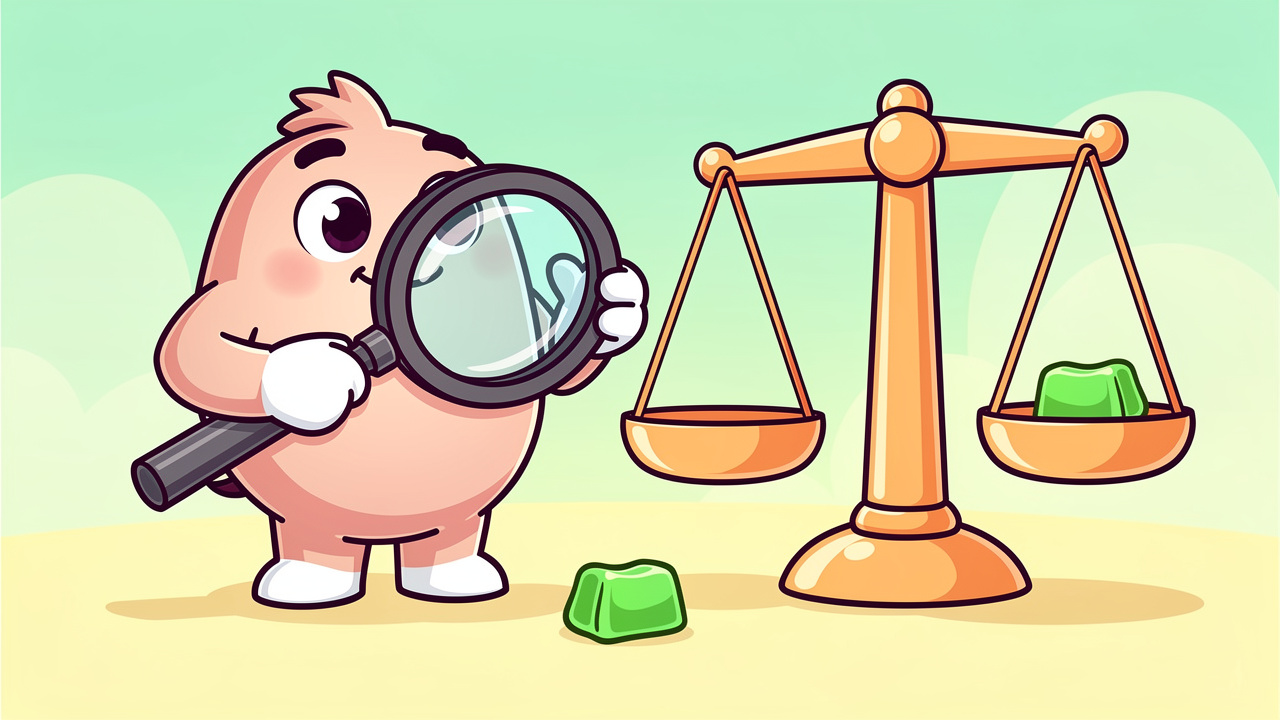
A calmer future with edibles starts before you even open the packet, long before any edible dose too high symptoms have a chance to appear. Choosing the right milligram range for your body and sticking to a simple routine makes intense surprises far less likely.
Tolerance, body weight, metabolism, and what you have eaten all affect how you react to THC. Guides from Healthline and other health resources often suggest starting between 2 and 5 milligrams of THC for adults new to edibles. From there you can slowly build until you reach a sweet spot rather than a meltdown.
Microdose (around 1–2.5 mg THC): works well for very cautious first tries. At this level most people feel a gentle softening of tension without strong intoxication. It is a good choice if you are nervous after a past bad experience or have a busy day ahead.
Beginner range (about 2–5 mg THC): suits many cannabis newcomers who want to notice a clear shift. Effects usually include light euphoria, more vivid senses, and mild time stretch without losing control. At BudBuddies, product pages highlight this sweet spot so you can pick gummies and brownies that match it.
Moderate range (roughly 5–10 mg THC): feels comfortable for many people with some tolerance from smoking, vaping, or past edibles. You can expect a more marked high, stronger munchies, and deeper body relaxation. Staying within this band and waiting at least two full hours before taking more prevents most surprise reactions.
Higher doses (above 10–15 mg THC): are best saved for very experienced consumers who already know how their body responds. At these levels, the chance of anxiety, disorientation, or uncomfortable sedation rises quickly, especially after a break from cannabis. Even seasoned fans on BudBuddies often choose several small pieces spread over an evening rather than one huge hit.
Public health campaigns often repeat one simple rule for edibles: “Start low and go slow. You can always take more, but you cannot take less.”
BudBuddies backs these ranges with clear labelling in milligrams per serving, double potency checks, and detailed dosing guides on budbuddies.cc. An easy dosage calculator helps you plug in your tolerance, body size, and product strength to plan ahead. Combine that planning with the simple rule start low, go slow and you set yourself up for far more enjoyable nights.
Start Low, Stay Safe, And Choose Products You Can Trust
Edible dose too high symptoms can feel like a tidal wave in the moment, yet they are temporary and time limited. They rarely signal permanent damage, especially when you give your body rest, water, and a calm place to settle. Recognising the signs and knowing what to expect already takes much of the fear away.
From there, a simple set of steps helps you ride things out when they appear. Breathing slowly, grounding your senses, leaning on a trusted person, and reaching out for medical help when something feels wrong all sit firmly on the side of self care, not weakness. Avoiding heavy alcohol use alongside edibles also keeps the experience steadier.
For future sessions, smart dosing and clear product information are your best friends. BudBuddies brings that together through precisely labelled edibles, an easy dosage calculator, and calm, plain English guides at budbuddies.cc. With that support, you can keep THC edibles as a pleasure, not a shock.
Frequently Asked Questions
Question 1
Question: Can an edible dose that’s too high cause any lasting harm?
Taking too much THC in an edible does not cause lasting physical harm in most healthy adults, and there is no known fatal dose from cannabis alone. The distress comes from temporary changes in heart rate, perception, and mood. People with heart issues or mental health conditions should speak to a GP about their personal risk and follow medical advice before using edibles.
Question 2
Question: How do I know how many milligrams is too much for me personally?
Your right dose depends on tolerance, body weight, metabolism, and whether you have eaten. Newcomers usually start between 2 and 5 milligrams of THC, then adjust carefully over several sessions. BudBuddies offers an edible dosage calculator and clear milligram labelling so you can plan a safe starting point before you tuck in. Starting lower means you are far less likely to face edible dose too high symptoms.
Question 3
Question: Does eating food before an edible make a difference?
Yes, food matters a lot. Taking edibles on an empty stomach often leads to a faster, punchier onset that can feel overwhelming. Eating a light meal, especially one with some healthy fats, usually gives a slower, smoother rise. Many BudBuddies customers plan snacks and edibles together for this reason, treating them as one relaxed session rather than separate events.
Question 4
Question: Can CBD help if I’ve taken too much THC?
CBD may help soften some of the anxiety and racing thoughts linked to high THC levels because it interacts with some of the same receptors in a gentler way. Research and countless user reports point in the same direction. BudBuddies stocks balanced THC and CBD products for people who prefer a more even effect or want a backup option if a session feels too strong.
Question 5
Question: What’s the difference between a bad trip and a cannabis overdose?
A cannabis overdose in this setting simply means you have taken more THC than feels comfortable, not that your life is in danger. A bad trip is the unpleasant psychological side of that, with panic, paranoia, or confusion. Both experiences fade as your body processes the THC. Learning your dose range and sticking to it is the best way to avoid both.


