


Landlord Caught Weed Smell UK: What Tenants Should Do
Introduction
Your landlord has just commented on a strong weed smell drifting through your UK flat. Awkward. Your mind jumps straight to the tenancy, your deposit, and possible tension with neighbours.
When a landlord has caught a weed smell in a UK rental, it can feel bigger than it needs to be. The good news is that one awkward moment does not have to define the rest of your stay. This guide walks through what usually happens next, how to handle the conversation, how to clear the odour, and how to switch to low‑smell formats such as vapes and edibles from BudBuddies.
If your landlord caught weed smell in the UK and you want calm, practical steps, keep reading.
Why The Weed Smell Is Such A Problem In Rented Properties
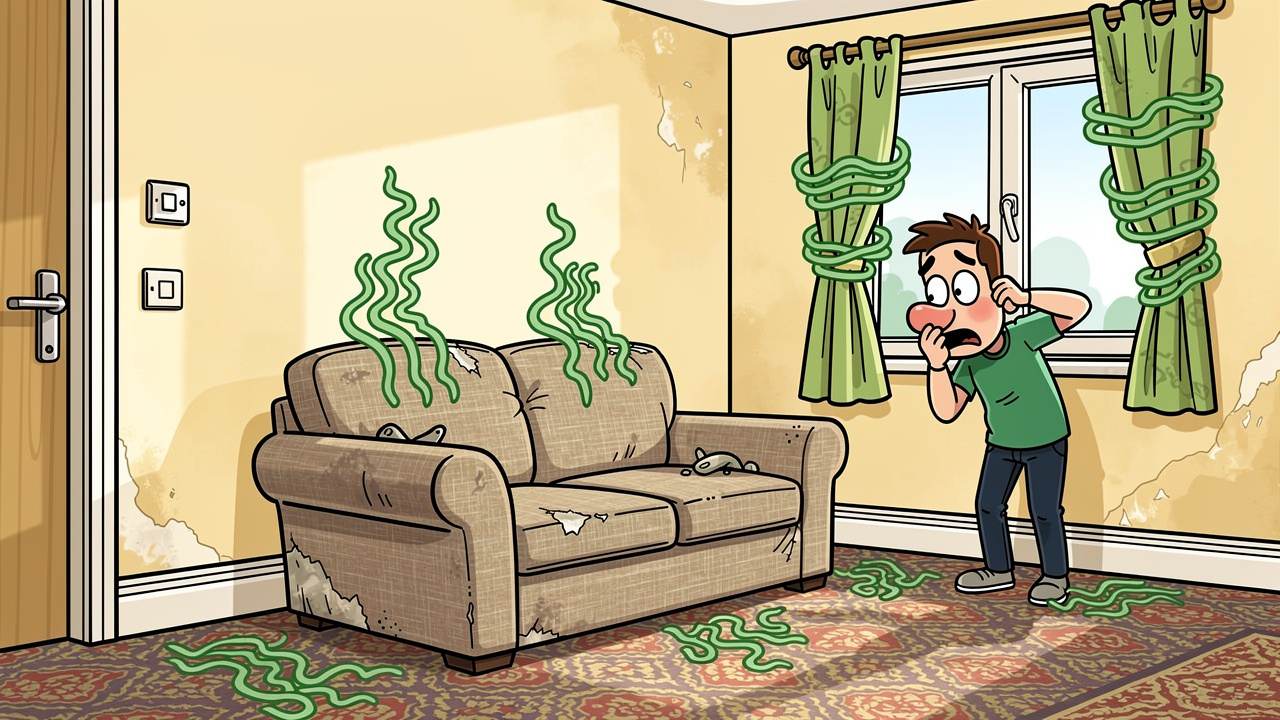
Weed smell in rented properties becomes a problem because it sticks around and affects how a landlord sees the home. The scent clings to soft furnishings, walls, and even carpets, so it hangs in the air long after a session ends.
Cannabis smoke is heavier and more pungent than cigarette smoke, and as explored in research on plausibly deniable domestic cannabis cultivation, the private rented sector faces unique challenges when tenants use cannabis indoors. It soaks into fabric fibres and tiny gaps in flooring, which makes it stubborn. The United States Environmental Protection Agency notes that indoor air can be several times more polluted than outdoor air, which helps explain why stale smoke lingers in closed rooms.
“Indoor air quality can be significantly worse than outdoor air.” — U.S. Environmental Protection Agency
From a landlord’s point of view, that lingering smell has real knock‑on effects. It can mean extra cleaning between tenants, longer gaps before the place is ready to relet, and awkward calls from neighbours. Research from the Tenancy Deposit Scheme shows that cleaning is the single biggest reason for deposit disputes, so anything that marks fabrics or walls quickly becomes a concern.
Because cannabis remains illegal for recreational use in the UK, some landlords also worry that a strong, obvious smell could attract complaints or unwanted attention from neighbours who are less relaxed about it.
Here is where the tension builds:
Landlords worry about the condition of their property, because heavy smoke can stain paintwork, mark ceilings, and leave carpets holding a dull, sweet smell for months. Repainting, steam cleaning, or replacing items costs money and time, and some owners feel that cost should come from the tenant’s deposit.
Neighbours may complain about the scent drifting through shared halls or thin walls, which pulls the landlord into the middle. Repeated complaints can push them to watch the situation more closely and schedule more inspections, which raises stress for everyone.
Strong odour can even make it harder to attract the next tenant, because first impressions matter during viewings. According to Shelter, many renters decide within minutes whether a place feels right, and smell plays a quiet but powerful part in that reaction.
All of this explains why landlords react quickly when they notice the scent, even if the chat starts off calm.
What Your Landlord Can Actually Do — And How Far It Can Go
When a landlord notices weed smell in a UK rental, they usually follow a fairly predictable path. It often begins with a simple comment or message and can build into written warnings and deposit arguments if the pattern carries on.
Most owners start with a conversation. They might mention that they noticed a strong scent during a visit, refer to the tenancy agreement, and ask you to stop smoking inside. Many will keep written notes of that chat or follow up by email because, as groups like Citizens Advice highlight, clear records make later decisions easier.
“Keep copies of letters, emails and notes of conversations with your landlord.” — General guidance from Citizens Advice
If the smell keeps returning, landlords may increase inspections or bring in a managing agent to take a look. Some will issue a more formal written warning that mentions possible consequences for the tenancy and points out any damage. Evidence matters here. Notes from inspections, photos of burn marks, and neighbour complaints all give the landlord confidence that the issue is not a one‑off.
In more serious cases, landlords may argue that regular indoor smoking breaches the tenancy agreement or counts as anti‑social behaviour — a situation illustrated vividly when tenants turned our home into a drug factory, according to one Norfolk couple’s account covered by the BBC. In England and Wales, formal eviction still has to follow the usual legal process, and a court would look at patterns of behaviour rather than one single comment about smell.
At the end of the tenancy, this is where it can really pinch. Cleaning and smell removal can be used as reasons to keep part of a deposit. The Tenancy Deposit Scheme reports that cleaning and damage together make up the majority of disputes it sees. A strong, stubborn odour can also lead to a poor reference, which shapes how the next landlord views you.
To keep perspective, it helps to remember the usual order of events:
Casual comment or message about the smell.
Reference to the tenancy agreement and request to stop smoking indoors.
Possible written warning or inspection notes if the issue continues.
Arguments over cleaning, damage, or references at the end of the tenancy.
Knowing this rough pattern makes it easier to stay ahead of the problem.
What To Do Immediately After Being Caught
The first minutes after that awkward comment matter. Stay calm, keep your voice steady, and avoid getting defensive. A landlord who sees you as reasonable is far less likely to jump straight to the harshest option.
Keep the chat practical. You do not need to give a full history of your use. Instead:
Acknowledge that the smell travelled more than you realised.
Say you understand their concern about the property and neighbours.
Confirm that you are changing how you consume from now on.
If they send a written warning, read it carefully, reply politely, and confirm you understand their concern. Keeping your reply short and respectful shows you are taking the issue seriously without inviting a long back‑and‑forth.
Then act fast inside the flat:
Open windows wide and create a cross‑breeze if possible.
Run fans and, if you have them, kitchen or bathroom extractors.
Wipe down hard surfaces such as tables, shelves, and window sills.
Use odour‑neutralising sprays on curtains, cushions, rugs, and carpets so the scent is broken down rather than just covered with perfume.
Most important, avoid repeating the same smoky sessions inside, because your landlord will now pay much closer attention.
How To Make Sure It Never Happens Again — Switch How You Consume

The most reliable way to stop weed smell causing problems in a rented UK home is to change how you consume. Sprays, candles, and cracked windows can help a little, but they do not fix the source of the scent.
Smoke from burning flower carries tiny particles that cling to surfaces. When you remove the smoke, you remove most of the smell. That is why many regular consumers switch from joints and pipes to vapes, edibles, or infused drinks. The Global Drug Survey has reported steady growth in vaporiser use among cannabis consumers, partly because people want something gentler on lungs and living spaces.
Here are your main options:
Vaping uses lower temperatures and produces a light vapour rather than thick smoke. The scent is still there, but it is much milder and fades within minutes, especially if you crack a window or use an extractor fan. Compared with a rolled joint, it is far less likely to cling to curtains or cushions.
Edibles such as gummies, brownies, chocolates, and capsules create almost no scent at the point of use. Once they are in a bag or box, they smell like normal sweets or snacks. The trade‑off is a slower onset and longer effect, which is why the NHS and many harm‑reduction groups repeat the same advice: start low and go slow.
THC‑infused drinks feel like a normal beverage and are completely smoke free. There is no cloud, no ash, and no lingering haze in the room. For people in shared houses, this format can feel more natural and less noticeable than lighting up.
CBD products let you keep part of your routine without the high. Oils, hemp teas, and CBD flower are popular with those who want to wind down gently. They often have a softer scent profile than strong THC strains, especially when used in moderation and stored well.
BudBuddies steps in here as a curated place to explore each of these options. Rather than trawling random menus, you get clear categories, strength ranges, and format guides that help you match your flat, your schedule, and your comfort level.
Always check your tenancy agreement and local laws before deciding how and where you consume, especially with THC products — and be aware that landlords risk breaching equality legislation if they respond disproportionately to tenants who use cannabis for medical reasons.
BudBuddies: The Discreet Option Worth Knowing About
BudBuddies is designed for people who want strong products, straight answers, and minimal fuss at the door. Every product page on budbuddies.cc clearly shows strength, contents, and suggested serving size, so you can move from smoking to new formats with more confidence.
THC vapes at BudBuddies come as pre‑filled cartridges and disposable pens with the THC strength clearly printed. Vapour from these devices fades far faster than joint smoke and is less likely to seep into fabrics. Many customers use a quick session by the window and notice that the room smells normal again within minutes.
Edibles from BudBuddies cover gummies, baked treats, chocolates, and capsules, almost all in the 5 to 10 milligram range per piece for newer users. Because they are professionally made, there is no strong cooking smell in your kitchen and no tell‑tale press of warm cannabis in the oven. You open a packet, eat a piece, and the only scent is whatever flavour you chose.
THC‑infused beverages on BudBuddies give you a social, familiar way to consume with zero smoke. A can in the fridge or a sachet in a cupboard looks like any other drink mix, and using it leaves no haze in the room. For housemates and partners who dislike smoke, this format often feels like a fair compromise.
CBD oils, hemp teas, and flowers at BudBuddies help those who want calm without a heavy high. These products are selected for taste and effect, and they tend to give off less lingering odour when handled and stored neatly.
Behind all of this sits the delivery experience. Orders are vacuum‑sealed or heat‑sealed inside smell‑proof bags, then placed in plain, unmarked mailers. BudBuddies repeats one simple promise: privacy from checkout to doorstep, so neighbours and delivery drivers stay none the wiser. According to the Cannabis Industry Association UK, discreet, professional delivery is one of the strongest drivers of loyalty, which matches the feedback BudBuddies sees from repeat customers.
Value still matters when you are dealing with landlord stress. BudPoints give around ten per cent of every order back as credit, BudCash rewards referrals rewards referrals, and paying by cryptocurrency such as Bitcoin, Litecoin, or Monero brings a further ten per cent discount. Free next‑day delivery on orders over fifty pounds makes it easier to stock up on low‑odour formats without stretching your budget.
Remember that any THC purchase should be considered in light of current UK law, and you are responsible for how you use and store products in your rented home.
How To Keep Things Discreet Going Forward

Keeping things discreet in a rented UK property means mixing low‑smell products with small everyday habits. Once your landlord has raised the issue once, they are more likely to notice future changes, so quiet consistency really helps.
Start with when and where you consume. Choose times when you can open windows wide, use kitchen or bathroom extractors, and run a fan for a while. If you use a THC vape from BudBuddies, keep sessions short, exhale towards the window, and give the room ten minutes to clear before closing everything again. The Environmental Protection Agency points out that fresh outdoor air quickly dilutes indoor pollutants, which applies neatly here.
“Bringing outdoor air indoors helps reduce indoor air pollutants.” — U.S. Environmental Protection Agency
Storage matters more than many people realise, and understanding what’s the best process when tenants and landlords disagree over property conditions can help you anticipate how landlords document and respond to recurring odour complaints. Loose flower in a drawer will slowly perfume a whole room, and even edibles can smell if bags stay open. Smell‑proof pouches and solid tins are worth it. Pop your BudBuddies packs back into their original sealed bags between uses, and keep everything in a cool cupboard away from shared spaces like hallways.
Here are some simple habits that make a big difference over time:
Keep textiles fresh by washing bedding, throws, and cushion covers more often if you consume in living areas. Smoke and vapour cling to those fabrics first, so a regular wash breaks the cycle before it builds into a stubborn background scent. Even a basic air purifier from brands like Dyson or Philips can help in small rooms.
Be thoughtful about deliveries and packaging. Try to be home for BudBuddies parcels so they are not left with neighbours or in shared lobbies. Once you open a pack, keep any inner bags sealed when not in use. This simple routine keeps both your products fresh and your hallway neutral in smell.
Watch how cannabis fits into shared living. If you live with others, agree on which rooms are fine for a quick vape and which stay completely clear. Many people choose a single ventilated room for any use and keep the rest of the home scent free, which keeps housemates, partners, and landlords calmer.
These small details, layered on top of odour‑light formats from BudBuddies, greatly reduce the chance of another awkward knock on the door and help you stay considerate of those around you.
The Bottom Line: One Caught Smell Does Not Have To Define Your Tenancy
One caught weed smell with a landlord in a UK rental does not have to end your time there. The key is to treat it as a clear warning and respond in a way that shows you take their concern seriously.
Act quickly on the odour, keep conversations calm and practical, and shift away from smoky sessions inside. Switching to vapes, edibles, drinks, or CBD from BudBuddies removes most of the scent that started the problem. Combined with better ventilation, storage, and timing, that one awkward moment can fade into the past rather than shaping the rest of your renting experience.
Frequently Asked Questions

Question: Can A Landlord Evict You Just For The Smell Of Weed?
A landlord is unlikely to end a tenancy based on one isolated smell with no pattern. Repeated strong odours, visible smoke damage, and neighbour complaints give them far more reason to push things further. Acting quickly, switching to low‑smell formats, and showing you take the issue seriously usually calms the situation.
If you are worried, read your tenancy agreement and, if needed, speak to a housing adviser or organisations such as Citizens Advice for tailored guidance.
Question: How Do You Get Weed Smell Out Of A Rented Flat Quickly?
You clear weed smell fastest by flooding the flat with fresh air and treating fabrics directly:
Open all windows and doors to create a flow of air.
Run fans and extractors to move stale air out.
Wipe down hard surfaces with a mild cleaner.
Use odour‑neutralising sprays on carpets, curtains, cushions, and sofas so the scent is broken down, not just covered.
For very stubborn smells, many people bring in professional cleaners, especially before a move‑out inspection.
Question: Do Edibles Smell When You Consume Them?
No, edibles do not create a noticeable scent at the point of use. A THC gummy or chocolate from BudBuddies smells like normal sweets, and once swallowed there is nothing in the air for a landlord to notice. Professionally made edibles also remove the strong cooking smells that come from home baking with cannabis.
You may still want to store them in closed containers so your kitchen or bedroom does not pick up a sugary, sweet aroma.
Question: Will A THC Vape Smell In A Flat?
A THC vape will give off a light, quickly fading scent rather than a heavy cloud. If you stand by an open window and keep sessions short, most of the vapour leaves the room within minutes. Because there is no ash or rolling paper, the smell is less likely to soak into fabrics or carpets.
For extra peace of mind, avoid blowing vapour directly towards curtains, cushions, or clothes.
Question: Can A Landlord Enter Your Property To Investigate The Smell?
Landlords usually give at least twenty‑four hours’ written notice before routine visits, which is a standard line in many tenancy agreements. They should not appear unannounced unless there is a genuine emergency such as a major leak.
Knowing about inspections in advance gives you time to:
Air out rooms.
Tidy up and remove any obvious paraphernalia.
Check that communal areas smell neutral.
If you feel your landlord is entering without proper notice, organisations like Shelter and Citizens Advice have guides on your rights and next steps.

