


Does Weed Help Improve Sleep Quality Research
Cannabis continues to be one of the most debated natural remedies available today. The question “does weed help” sparks conversations among both seasoned users and those considering cannabis for the first time. Recent research explores how cannabis affects pain management, sleep quality, and mood regulation whilst examining the potential risks involved.
Scientists have discovered that cannabinoids like THC and CBD interact with our bodies through complex pathways, making it difficult to provide simple answers. The effects vary significantly based on dosage, product type, individual body chemistry, and the specific balance between different compounds. Some studies suggest cannabis may reduce chronic pain and provide stress relief, while others highlight concerns about sleep disruption and mood changes.
This article examines current evidence surrounding cannabis effects on pain, sleep disorders, mood regulation, and overall wellbeing. We’ll explore questions like does weed help anxiety and does weed help you sleep, while comparing various consumption methods including topical applications for targeted relief. For those interested in exploring quality cannabis options, BudBuddies offers premium products including cannabis flowers, edibles, and THC vapes, all delivered discreetly across the UK with consistent potency and reliability.
Our goal is to present both the potential benefits of weed and the necessary precautions that come with its use. By examining recent research and comparing the effects of different cannabinoids, this piece provides a balanced perspective to help you make informed decisions about cannabis use.
Understanding Cannabis: Components, Types, And How It Works

Cannabis contains numerous active compounds called cannabinoids, with THC and CBD being the most well-known. THC produces the psychoactive effects associated with feeling “high,” while CBD offers therapeutic properties without altering consciousness. These compounds work by interacting with the endocannabinoid system (ECS), a complex network of receptors including CB1 and CB2 that help regulate mood, pain perception, sleep cycles, and appetite.
The ECS maintains balance throughout your body by responding to both naturally produced endocannabinoids and those from cannabis plants. CB1 receptors are primarily found in the brain and nervous system, influencing mood and pain signals. CB2 receptors exist mainly in immune cells and peripheral tissues, affecting inflammation and immune responses. This system explains why cannabis can impact so many different bodily functions simultaneously.
Cannabis products come in various forms, each offering different onset times and durations of effects:
- Dried flowers provide traditional smoking or vaping experiences with rapid onset
- Oils and tinctures allow for precise dosing and sublingual absorption
- Edibles deliver longer-lasting effects through digestive processing
- Topical creams target specific areas without systemic effects
BudBuddies provides premium options across all these categories, ensuring consistent quality and potency for customers exploring different consumption methods.
The distinction between THC vs CBD effects proves crucial for understanding applications. THC may offer robust pain relief and cannabis stress relief, though it can trigger anxiety in sensitive individuals. CBD often promotes relaxation and may reduce inflammation without psychoactive side effects. Additional compounds called terpenes contribute unique aromas and may influence the overall experience through what researchers call the “entourage effect.”
| Aspect | THC | CBD |
|---|---|---|
| Psychoactive Effects | Yes (produces “high”) | No psychoactive effects |
| Pain Relief | Robust analgesic properties | Anti-inflammatory properties |
| Anxiety | May trigger anxiety in sensitive users | Often reduces anxiety |
| Sleep | Sedating, suppresses REM | Promotes balanced sleep patterns |
| Legal Status | Controlled substance | Widely legal |
| User Experience | Starting Dose | Method |
|---|---|---|
| First-time users | 15~mg THC | Edibles |
| Occasional users | 15-25mg THC | Various |
| Regular users | 25-80mg THC | Preferred method |
| Microdosing | 1-2mg THC | Tinctures/oils |
Understanding these interactions helps explain why individual responses to cannabis vary so dramatically. Your genetics, tolerance level, and the specific combination of cannabinoids and terpenes in each product all contribute to the final outcome.
Does Weed Help With Pain Management?

Cannabis has shown promise as a pain management tool, with THC demonstrating notable analgesic properties. Many users report relief from chronic pain conditions, including neuropathic pain associated with diabetes, arthritis inflammation, and muscle spasms related to multiple sclerosis. The cannabinoids appear to modulate pain signals in the nervous system by binding to receptors that influence how we perceive discomfort.
“Cannabis-based medicines can provide modest reductions in chronic pain, but the evidence is not strong enough to recommend their use as a first-line treatment.” – Dr. Penny Whiting, University of Bristol
Clinical research has compared cannabis-based treatments to traditional pain medications with encouraging results. Some studies indicate that patients using medical cannabis may reduce their reliance on opioid painkillers, potentially lowering risks associated with long-term pharmaceutical use. The variability in individual responses makes it essential to consider factors like dosage, consumption method, and specific cannabinoid profiles when evaluating effectiveness.
Different consumption methods offer distinct advantages for pain management. Vaping or smoking provides rapid relief within minutes, making these methods suitable for breakthrough pain episodes. Edibles take longer to activate but may provide sustained relief lasting several hours, which works well for chronic conditions requiring consistent management. Topical cannabis products allow targeted application to specific painful areas without affecting the entire body system.
Does weed help pain management for everyone? The answer depends on individual factors including the type of pain, underlying condition, and personal sensitivity to cannabinoids. Some people experience significant relief with minimal side effects, while others may find limited benefit or encounter unwanted reactions like dizziness or coordination issues. BudBuddies ensures customers have access to consistently potent products across different formats, supporting those who need reliable options for pain management experimentation.
Research continues to explore optimal dosing protocols and cannabinoid ratios for various pain conditions. Starting with low doses and gradually increasing allows individuals to find their effective range while minimising potential side effects. Quality products with accurate labelling become essential for this process, making trusted suppliers like BudBuddies valuable resources for pain management exploration.
Does Weed Help You Sleep? Examining The Evidence

Many people turn to cannabis as a sleep aid, attracted by THC’s sedating properties that may reduce the time needed to fall asleep. Low doses of THC can promote drowsiness and relaxation, potentially benefiting those struggling with insomnia or frequent sleep disruptions. However, the relationship between cannabis and sleep quality proves more complex than simply achieving faster sleep onset.
Research reveals that while THC may help you fall asleep quicker, it can significantly suppress REM sleep – the phase crucial for memory consolidation and emotional processing. Reduced REM sleep may impact overall sleep quality, leaving some users feeling less rested despite sleeping longer. When regular cannabis users stop consumption, they often experience “REM rebound,” characterised by vivid, intense dreams as the brain compensates for lost REM time.
“While cannabis may help people fall asleep faster, it significantly reduces REM sleep, which is crucial for memory consolidation and emotional processing.” – Dr. Ryan Vandrey, Johns Hopkins School of Medicine
CBD presents a different sleep profile compared to THC. Early studies suggest CBD may promote more balanced sleep patterns by reducing anxiety and supporting relaxation without the heavy sedation associated with THC. Some users find CBD helpful for maintaining sleep throughout the night rather than just initiating it. However, more research is needed to fully understand CBD’s sleep mechanisms and optimal dosing.
The method of consumption significantly influences sleep effects. Edibles provide sustained release that may support longer sleep duration, while vapes offer rapid onset suitable for middle-of-the-night wakings. The specific balance of THC to CBD, along with terpenes like myrcene (known for sedating effects), can dramatically alter the sleep experience. BudBuddies carefully curates products with detailed cannabinoid and terpene profiles, helping customers select options aligned with their sleep goals.
Does weed help you sleep consistently? The answer varies among individuals and depends on usage patterns. While occasional use might provide sleep benefits, regular consumption can lead to tolerance requiring higher doses for the same effect. Some users develop dependency on cannabis for sleep, experiencing withdrawal-related insomnia when attempting to stop. Balancing potential benefits with these risks requires careful consideration of usage frequency and dosage levels.
Cannabis And Mental Well-being: Effects On Mood And Anxiety

Cannabis presents a complicated relationship with mental health, capable of both alleviating and exacerbating mood disorders depending on numerous factors. Low doses of THC may provide cannabis stress relief and mood enhancement for some users, creating feelings of relaxation and reduced anxiety. This calming effect has led many to explore cannabis as a natural alternative for managing daily stress and tension.
However, higher THC concentrations can trigger opposite reactions, particularly in sensitive individuals or those predisposed to anxiety disorders. Research indicates that potent cannabis strains may increase anxiety, paranoia, and even precipitate panic attacks in vulnerable users. The dose-response relationship proves critical – what provides relief at low doses may cause distress at higher amounts.
“The relationship between cannabis and anxiety is dose-dependent and highly individual. What helps one person may worsen symptoms in another.” – Dr. Jordan Tishler, Harvard Medical School
Does weed help anxiety for everyone? The answer is highly individual and depends on factors including genetics, mental health history, and specific product characteristics. Some people find consistent relief from anxiety symptoms using CBD-dominant products, which offer therapeutic benefits without THC’s psychoactive effects. Others prefer balanced THC:CBD ratios that provide mild psychoactivity alongside anxiety relief.
The “cannamoms” phenomenon illustrates changing social attitudes toward cannabis for stress management, with some mothers using cannabis to cope with parenting pressures and daily stressors.
Individual responses to cannabis vary dramatically based on personal brain chemistry, stress levels, and environmental factors. Terpenes benefits add another layer of complexity – compounds like limonene may boost mood, while linalool might promote calm. BudBuddies provides detailed product information including terpene profiles, enabling customers to make informed choices based on desired mood effects. Starting with minimal doses and monitoring responses helps identify personal tolerance levels and optimal products for mental well-being support.
Navigating The Risks: Potential Side Effects And Dependency
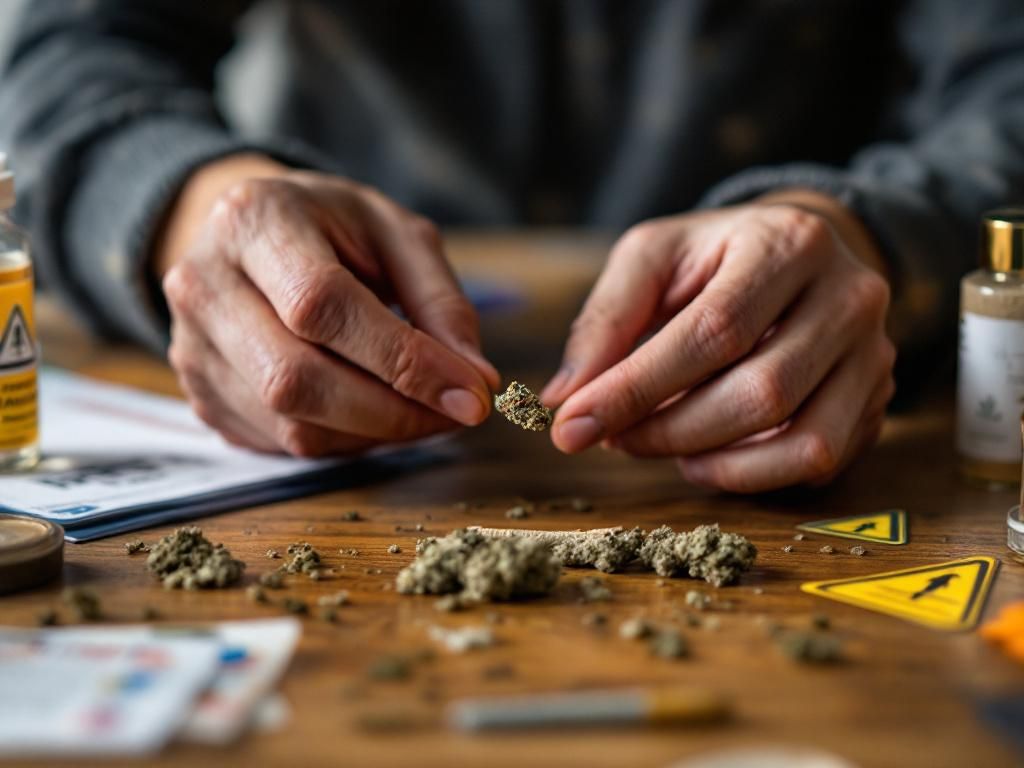
Cannabis use involves various short-term side effects that users should anticipate and understand. Common immediate reactions include dry mouth, red eyes, dizziness, altered appetite, and impaired coordination. These effects typically resolve within a few hours but can interfere with daily activities like driving or operating machinery. Even products intended to help with pain or sleep may produce unexpected reactions if dosage isn’t carefully managed.
Cognitive impairment represents another concern, particularly with high-THC products or frequent use. Some users experience difficulty concentrating, short-term memory issues, or slower reaction times. These effects may persist beyond the immediate intoxication period, especially among regular users who develop tolerance requiring increasingly higher doses to achieve desired effects.
Long-term risks include potential respiratory issues from smoking, though vaping and edibles eliminate this concern. More significantly, regular cannabis use can lead to dependency in approximately 9% of users, with higher rates among those who begin use during adolescence. Cannabis use disorder involves cravings, withdrawal symptoms, and continued use despite negative consequences affecting work, relationships, or health.
Withdrawal symptoms may include:
- Irritability
- Sleep difficulties
- Decreased appetite
- Anxiety
- Vivid dreams
These symptoms typically peak within the first week of cessation and gradually diminish over several weeks. However, sleep disturbances and mood changes may persist longer, particularly among heavy users or those who relied on cannabis for sleep or anxiety management.
Special populations face increased vulnerability to cannabis risks:
- Pregnant individuals should avoid cannabis due to potential developmental effects
- People with mental health disorder histories may experience symptom exacerbation
- Young people face higher dependency risks and potential brain development impacts
BudBuddies emphasises responsible use through accurate product labelling and weed dosage guide resources. Understanding personal risk factors, starting with minimal doses, and monitoring usage patterns help prevent dependency while maximising potential benefits. Quality products with consistent potency support safer experimentation and more predictable effects.
Conclusion
The question “does weed hep” lacks a straightforward answer due to cannabis’s complex effects varying by individual, condition, dosage, and product type. Current evidence suggests potential benefits for certain types of pain, specific epilepsy conditions, and nausea, while also revealing risks including mental health impacts, dependency potential, and sleep architecture disruption.
The balance between THC and CBD effects often determines whether cannabis proves beneficial or problematic for individual users. Understanding personal tolerance, starting with conservative doses, and selecting appropriate consumption methods all influence outcomes significantly. BudBuddies provides premium cannabis products with consistent potency and discreet delivery, supporting informed exploration of cannabis effects.
Making educated decisions about cannabis use requires ongoing research, personal experimentation with quality products, and honest assessment of benefits versus risks. As research continues advancing, evidence-based information becomes increasingly important for anyone considering cannabis as part of their wellness approach.


