


Weed Tolerance Break Guide for Better Experiences
Introduction
Cannabis can sometimes feel less potent over time, leaving you wondering why your favourite bud doesn’t pack the same punch it once did. This happens because your body naturally adapts to regular cannabis use, creating what’s known as tolerance. A beginner weed tolerance break guide can help you understand this process and show you how to reset your system for a more enjoyable experience.
When you take a weed tolerance break, you’re essentially giving your brain’s receptors time to recover from regular THC exposure. This reset can dramatically enhance your future cannabis experiences while helping you develop a more mindful approach to consumption. Whether you’re new to cannabis or you’ve been using it for years, understanding how to manage tolerance is crucial for maintaining the effects you enjoy.
This comprehensive guide will walk you through everything you need to know about taking a successful tolerance break. You’ll learn about the science behind cannabis tolerance, how to plan your break effectively, and strategies for managing any mild withdrawal symptoms that might occur. By the end, you’ll have all the tools needed to enjoy a refreshed cannabis experience with premium products from trusted suppliers like BudBuddies.
Understanding Cannabis Tolerance: Why Your Bud Hits Differently
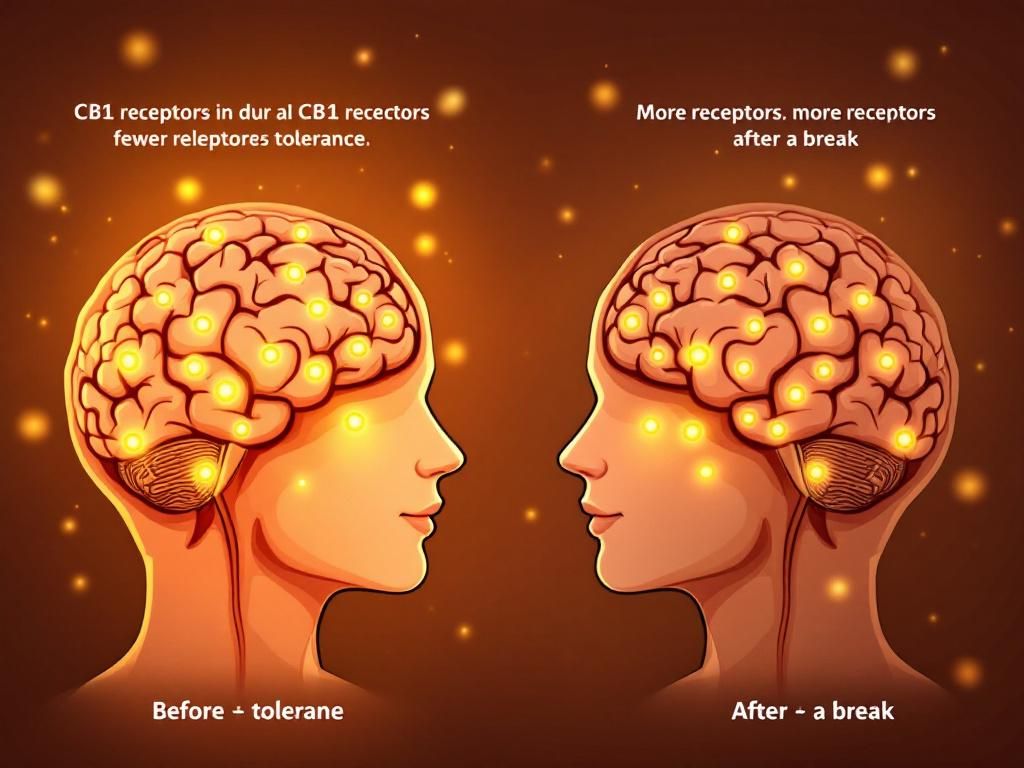
Cannabis affects your body through a complex interaction with your endocannabinoid system, particularly targeting CB1 receptors in your brain. When THC binds to these receptors, it produces the familiar effects you experience. However, regular cannabis use leads to a process called down-regulation, where your brain reduces the number of available CB1 receptors or makes them less sensitive to THC.
This biological adaptation explains why experienced users often need larger amounts to achieve the same effects they once enjoyed with smaller doses. Your brain is essentially protecting itself from overstimulation by reducing its responsiveness to THC. This process can happen surprisingly quickly, with some users noticing changes in their tolerance within just a few days of regular use.
Several clear signs indicate you’ve developed cannabis tolerance:
- Needing significantly more product to achieve the same effects
- Shorter duration of high effects
- Less pronounced or satisfying experiences despite using the same products
It’s important to understand that developing tolerance isn’t a flaw in your cannabis products or a sign of poor quality. Premium suppliers like BudBuddies consistently deliver high-quality products, but even the finest cannabis will seem less potent once your tolerance increases. This natural biological process affects everyone who uses cannabis regularly, regardless of the product’s strength or quality.
The good news is that tolerance is completely reversible. Your CB1 receptors can recover their sensitivity through a process that researchers call “upregulation.” During a tolerance break, your brain gradually increases the number of available receptors and restores their sensitivity to THC. This process typically begins within the first few days of abstinence and can continue for weeks, depending on your previous usage patterns.
Planning and Preparing for Your Weed Tolerance Break

Setting clear, realistic goals forms the foundation of any successful tolerance break. Most beginners find that a break lasting anywhere from three days to two weeks can significantly reset their tolerance levels. Heavy daily users might benefit from longer breaks, while occasional users may notice improvements after just a few days. The key is choosing a duration that feels manageable while still allowing your receptors adequate time to recover.
Here’s a recommended approach to planning your break:
- Choose a realistic duration (3 days to 2 weeks for beginners)
- Time your break strategically (avoid stressful periods)
- Create a cannabis-free environment
- Build a support network
- Plan alternative activities
| Usage Pattern | Recommended Break Duration | Expected Benefits |
|---|---|---|
| Occasional (1-2x/week) | 3-7 days | Noticeable sensitivity return |
| Regular (3-4x/week) | 7-14 days | Significant tolerance reset |
| Daily use | 14-28 days | Complete receptor recovery |
Timing your break strategically can make the experience much smoother. Avoid starting during particularly stressful periods at work or during social events where you might normally rely on cannabis for relaxation. Many users find that beginning their break on a weekend gives them time to adjust without workplace pressures. Consider your social calendar too, as events where cannabis is typically present might make maintaining your break more challenging.
Creating a cannabis-free environment removes unnecessary temptation and helps reinforce your commitment. Store all cannabis products, pipes, vapes, and related accessories out of sight, or better yet, ask a trusted friend to hold them temporarily. This physical separation makes impulsive decisions less likely and helps break the habitual associations between certain environments and cannabis use.
Building a support network can significantly improve your chances of success. Share your goals with understanding friends or family members who can offer encouragement during challenging moments. Having someone to text when cravings hit or to celebrate milestones with makes the process feel less isolating. Some users find online communities helpful for sharing experiences and tips with others going through similar breaks.
Planning alternative activities becomes crucial for filling the time you might typically spend consuming cannabis. Regular exercise can help manage stress and improve sleep quality during your break. Creative hobbies like reading, writing, or learning a new skill provide mental stimulation and satisfaction. Social activities that don’t involve cannabis can help you maintain connections while reinforcing your commitment to the break.
Consider your usual cannabis consumption patterns when planning alternatives. If you typically use cannabis to wind down in the evening, develop a new relaxation routine involving activities like taking a warm bath, practising meditation, or listening to calming music. Morning users might benefit from establishing an energising morning routine with exercise or a mindful breakfast ritual.
Managing Potential Challenges: Tips for a Smooth T-Break

Understanding common withdrawal symptoms helps you prepare mentally and practically for your tolerance break. Most users experience mild symptoms that peak within the first few days and gradually diminish over the following week. Common symptoms include:
- Sleep disturbances (most common)
- Appetite changes
- Mild irritability or mood changes
- Vivid dreams returning
Sleep disturbances are among the most common challenges, with many people reporting difficulty falling asleep or staying asleep during the first few nights. Appetite changes frequently occur during cannabis breaks, as THC typically stimulates hunger. You might notice reduced appetite initially, but this usually normalises within a few days. Some users experience mild irritability or mood changes, particularly if they relied on cannabis for stress management. Vivid dreams often return during breaks, which can be startling if you’re not expecting them.
Establishing and maintaining consistent daily routines provides stability during your break. Wake up and go to bed at the same times each day, even on weekends. This regularity helps your body adjust to functioning without cannabis while supporting better sleep quality. Create morning and evening routines that don’t involve cannabis, focusing on activities that promote relaxation and well-being.
Proper nutrition and hydration support your body’s natural recovery processes. Eat balanced meals at regular intervals, focusing on whole foods that provide sustained energy. Stay well-hydrated by drinking plenty of water throughout the day. Some users find that certain foods or drinks they enjoyed while using cannabis taste different during breaks, which is completely normal and temporary.
Light exercise can significantly ease withdrawal symptoms while providing natural mood enhancement. A brisk 20-minute walk can help clear your head and reduce restlessness. Gentle yoga or stretching routines can promote relaxation and better sleep. Swimming, cycling, or other activities you enjoy can provide healthy outlets for any nervous energy you might experience.
Mindfulness and relaxation techniques offer valuable tools for managing cravings and stress during your break. Deep breathing exercises can help when you feel overwhelmed or anxious. Progressive muscle relaxation involves tensing and releasing different muscle groups to promote physical and mental relaxation. Meditation apps or guided sessions can provide structure if you’re new to these practices.
Non-psychoactive cannabinoids like CBD might help ease some discomfort during your tolerance break. Unlike THC, CBD doesn’t cause intoxication and won’t interfere with your tolerance reset. Some users find that CBD helps with sleep issues or anxiety during their break, though you should research products carefully and consult healthcare providers if you have concerns.
Creating healthy distractions helps redirect your attention when cravings arise. Keep a list of engaging activities you can turn to when you feel the urge to use cannabis. This might include calling a friend, taking a shower, going for a walk, or engaging in a hobby. Having these options readily available makes it easier to redirect your focus during challenging moments.
Reintroducing Cannabis After Your Break: Enjoying the Reset
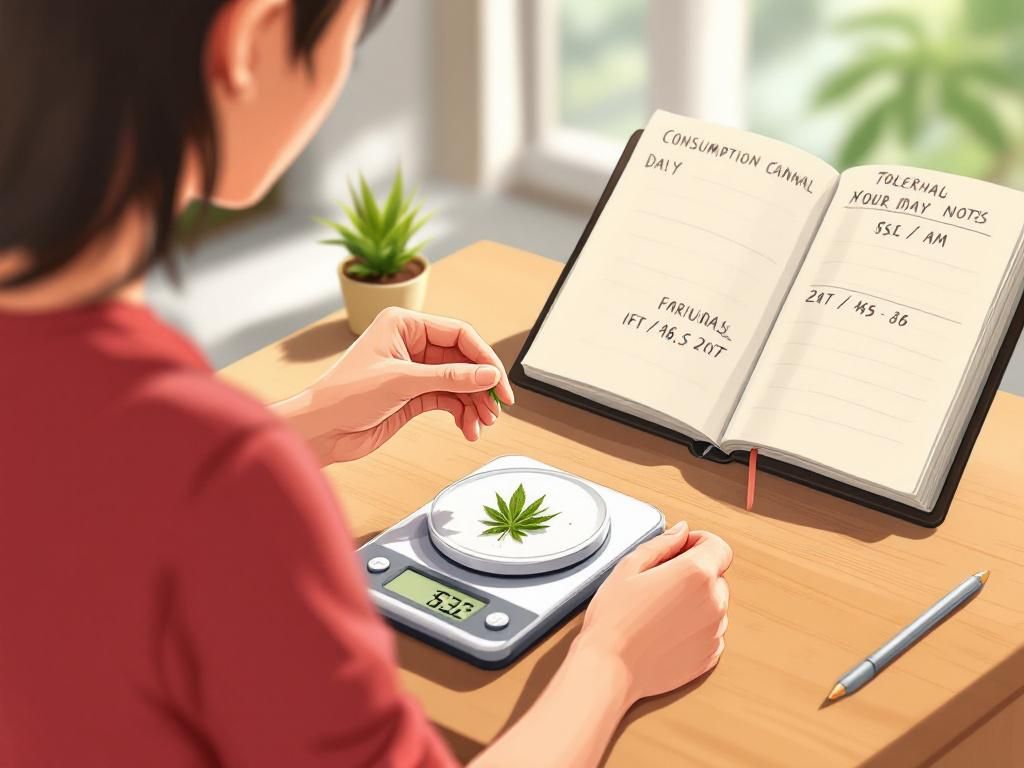
Returning to cannabis after a tolerance break requires patience and mindfulness to maintain the benefits you’ve gained. The reintroduction process should follow these steps:
- Start with a much smaller dose than before your break
- Keep a consumption journal noting effects and duration
- Experiment with different strains or consumption methods
- Develop strategies to maintain lower tolerance long-term
- Practice mindful consumption techniques
Start with a much smaller dose than you used before your break, as your sensitivity will have increased significantly. Many users find that they need only a fraction of their previous amount to achieve the same effects, which can be both surprising and economical.
Pay careful attention to how each dose affects you during the reintroduction phase. Keep a simple journal noting the amount consumed, the effects experienced, and the duration of those effects. This information helps you find your new optimal dosage while avoiding overconsumption. Remember that your reset tolerance will remain low for some time, so resist the urge to quickly return to previous consumption levels.
This reintroduction period presents an excellent opportunity to explore different strains or consumption methods. Your reset tolerance allows you to appreciate subtle differences in various products more clearly. Consider trying strains with different THC-to-CBD ratios or experimenting with different consumption methods like vaping versus smoking. Premium suppliers like BudBuddies offer diverse product ranges that can help you rediscover your preferences.
Developing strategies to maintain lower tolerance long-term can help you sustain the benefits of your break. Consider incorporating regular mini-breaks into your routine, perhaps taking one or two days off each week. This approach can help prevent tolerance from building up as quickly while maintaining your ability to enjoy cannabis regularly.
Mindful consumption practices can help you maintain awareness of your usage patterns and their effects. Before using cannabis, take a moment to consider why you’re consuming it and what you hope to achieve. This awareness helps prevent automatic or habitual use while ensuring each session remains intentional and satisfying.
Rotating between different strains or products can help slow tolerance development. Instead of using the same product repeatedly, consider switching between different options every few days. This variety can help prevent your receptors from becoming too accustomed to any single cannabinoid profile.
Consider adjusting your consumption schedule to maintain lower tolerance levels. Some users find that spacing out their sessions or consuming smaller amounts more frequently helps maintain effects while preventing rapid tolerance buildup. Experiment with different timing and amounts to find what works best for your lifestyle and goals.
Conclusion
Taking a cannabis tolerance break represents a valuable investment in your long-term enjoyment and relationship with cannabis. By understanding that tolerance is a natural biological response and not a product quality issue, you can approach breaks with confidence and realistic expectations. The process of planning, executing, and recovering from a tolerance break teaches valuable lessons about mindful consumption and personal awareness.
The benefits of a successful tolerance break extend far beyond simply needing less product to achieve the same effects. Many users report enhanced appreciation for cannabis, improved sleep quality, and increased confidence in their ability to manage consumption patterns. These positive changes often persist long after the break ends, contributing to a more balanced and enjoyable cannabis experience.
Whether you’re a beginner seeking to establish healthy consumption habits or an experienced user looking to reset your tolerance, the principles outlined in this beginner weed tolerance break guide can help you succeed. Remember that everyone’s experience is unique, and what works for others might need adjustment for your specific situation. The key is approaching your break with patience, preparation, and self-compassion.
With reliable suppliers like BudBuddies providing consistent access to premium cannabis products, you can focus on developing healthy consumption patterns without worrying about product quality or availability. Their discreet delivery and exceptional customer service ensure that when you’re ready to return to cannabis after your break, you’ll have access to the finest products available.
Embrace your tolerance break as an opportunity for growth and self-discovery. The temporary discomfort of withdrawal symptoms pales in comparison to the long-term benefits of reset tolerance and mindful consumption habits. Your future self will thank you for taking this important step toward a more balanced and enjoyable cannabis experience.


