


How to Decarb Weed UK for Maximum Potency
Picture this: you've just spent good money on premium cannabis flower in the UK, ready to create some knockout cannabis edibles. But here's the thing—raw cannabis won't get you where you want to go. That's where decarboxylation comes in, the game-changing process that activates your weed's full potential. If you’re looking to decarb weed in the UK, understanding this process is crucial.
Learning how to decarb weed in UK oven settings isn’t just about following a recipe. It’s about understanding the science behind converting inactive THCA into psychoactive THC, and CBDA into therapeutic CBD. Without this step, your homemade brownies might as well be regular baked goods.
This comprehensive guide covers everything you need to know about decarboxylate cannabis UK style. We’ll walk through precise temperature settings (115-120°C), timing, smell management, and the potency calculations that separate amateur cooks from cannabis kitchen masters. Whether you’re preparing for cannabutter prep or looking to activate THC UK style, this oven decarb guide has you covered.
Starting with lab-tested flower from BudBuddies sets you up for success from day one. Our premium cannabis arrives discreetly within 48 hours across the UK, giving you consistent, reliable material for your cannabis cooking UK adventures.
Key Takeaways
- Decarboxylation converts inactive THCA/CBDA into active THC/CBD through controlled heating at 115-120°C for 30-45 minutes
- Proper preparation with coarse grinding and even distribution on parchment paper prevents hot spots and burning
- Effective odour control methods include oven bags, foil tents, and strategic ventilation to maintain discretion
- Understanding potency mathematics helps calculate exact THC content in your finished edibles
- Premium, lab-tested flower from BudBuddies delivers consistent results with 48-hour UK-wide shipping
What Is Decarboxylation and Why Does It Matter?
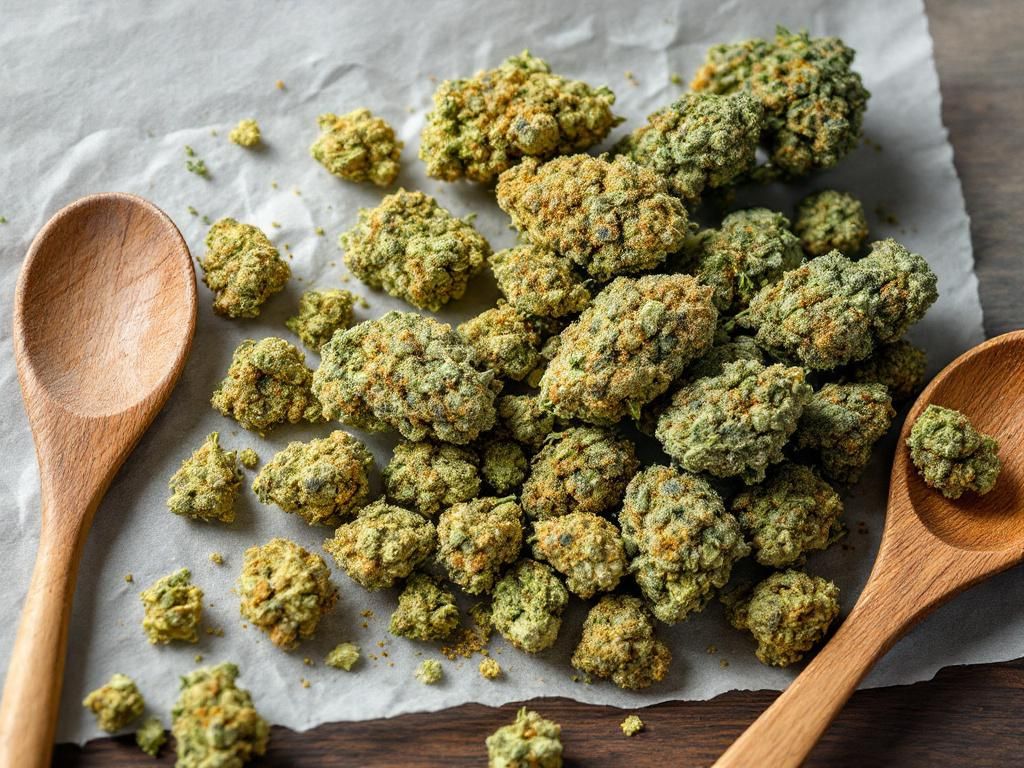
Decarboxylation might sound like chemistry class, but it’s actually quite straightforward. Fresh cannabis contains THCA (tetrahydrocannabinolic acid) and CBDA (cannabidiolic acid)—compounds that won’t produce the effects you’re after. These acids need heat to shed their carboxyl groups and become active THC and CBD.
When you smoke or vape cannabis, combustion temperatures instantly trigger this conversion. But when making edibles, tinctures, or topicals, you need to activate your cannabis beforehand through controlled heating. This is where knowing how to decarb weed in UK oven conditions becomes essential.
The science explains why munching on raw buds won’t produce any psychoactive effects. Without heat activation, THCA remains in its acid form, unable to bind effectively with your body’s endocannabinoid receptors. It’s like having a key that doesn’t fit the lock.
Temperature precision matters more than you might think. Too low, and you’ll have incomplete activation. Too high, and you’ll degrade valuable THC into CBN, a compound that produces sedative effects rather than the high you’re seeking.
How does this apply to your cannabis cooking UK projects?
Starting with high-quality flower makes all the difference. BudBuddies’ lab-tested cannabis provides consistent cannabinoid profiles, taking the guesswork out of your decarb weed temperature calculations. When you know exactly what you’re working with, you can predict your results with confidence.
Understanding Decarb Weed Temperature: The Science Behind the Heat

Getting your decarb weed temperature right is where art meets science. The optimal range for UK ovens sits between 115-120°C (239-248°F), significantly higher than many American guides suggest. This accounts for the temperature variations common in UK fan-assisted ovens.
At 115°C, decarboxylation proceeds slowly but steadily, preserving valuable terpenes that enhance flavour and effects. At 120°C, the process accelerates but requires more careful monitoring to prevent THC degradation. Most UK cannabis enthusiasts find 117°C to be the sweet spot—hot enough for complete activation, gentle enough to preserve quality.
The relationship between time and temperature follows a predictable pattern. Higher temperatures require shorter exposure times, while lower temperatures need longer periods. This flexibility allows you to adapt the process to your schedule and preferences.
Why do UK ovens behave differently than their American counterparts?
Fan-assisted ovens, standard in most UK homes, circulate hot air more efficiently than conventional ovens. This means your cannabis heats more evenly but can also dry out faster. Adjusting your technique for these conditions prevents overcooking and maintains potency.
Research from cannabis testing laboratories shows that decarboxylation efficiency peaks at specific temperature-time combinations. The data supports our recommended range, with 115-120°C for 30-45 minutes achieving 95-98% conversion rates—the gold standard for activate THC UK processing.
THC Decarb Chart: Temperature and Time Combinations
Understanding the relationship between temperature and time helps you customise your decarb process. This THC decarb chart shows optimal combinations for UK ovens:
| Temperature | Time | Best For | Conversion Rate | Ideal For |
|---|---|---|---|---|
| 115°C (239°F) | 40-45 minutes | Preserving terpenes, gentle activation | 94-96% | First-time users, flavour-focused edibles |
| 117°C (242°F) | 35-40 minutes | Balanced approach, reliable results | 96-98% | Most home cooks, consistent batches |
| 120°C (248°F) | 30-35 minutes | Quick processing, experienced users | 95-97% | Time-sensitive projects, large batches |
Higher temperatures exist on the spectrum, but they risk degrading THC into CBN. At 130°C, you’ll see significant THC loss within 20 minutes. At 140°C, degradation becomes severe within 15 minutes.
Moisture content in your cannabis affects these timings. Properly cured flower from BudBuddies typically contains 10-12% moisture, perfect for predictable decarboxylation. Overly dry cannabis (under 8% moisture) can finish faster, while moist material (over 15% moisture) needs extra time.
Does your oven run hot or cold?
Most UK ovens vary by ±10°C from their display temperature. An oven thermometer placed on the same rack as your cannabis gives you accurate readings. This small investment prevents costly mistakes and inconsistent results.
Preparing Your Cannabis for Perfect Decarboxylation
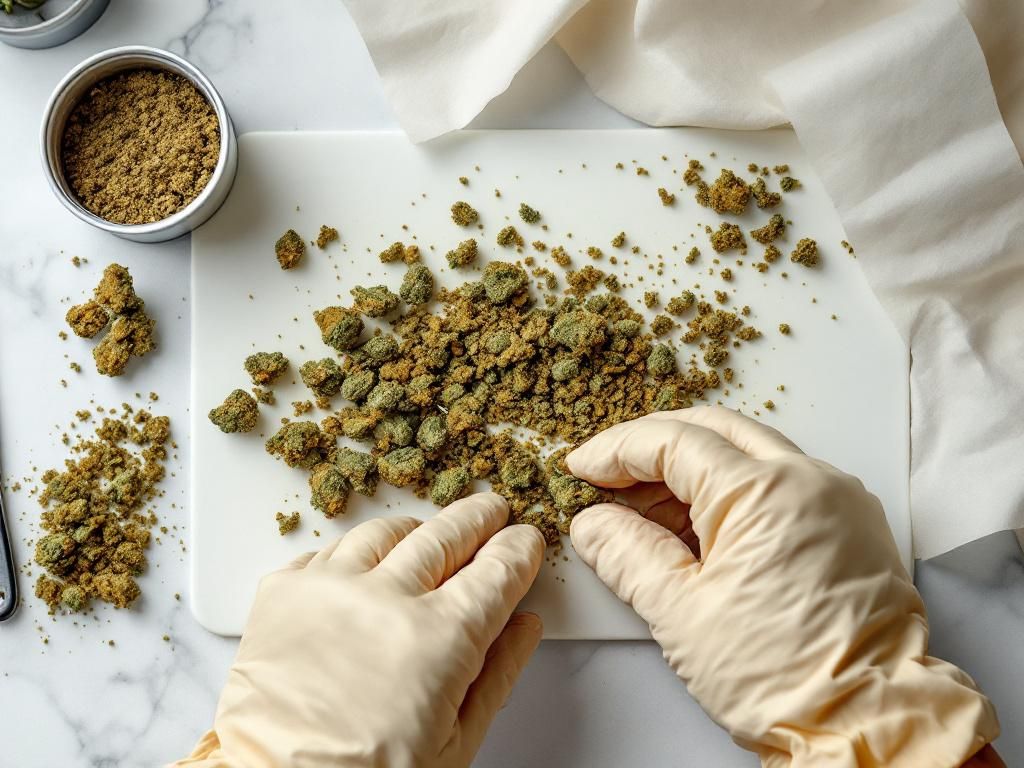
Proper preparation sets the foundation for successful decarboxylation. Start by examining your cannabis closely. Look for well-cured buds with a slight spring when squeezed—neither bone dry nor overly moist. Premium flower from BudBuddies arrives at optimal moisture levels, eliminating guesswork.
Break your cannabis into rice-grain sized pieces using your hands or a coarse grinder. Avoid fine grinding, which creates powder that can burn easily and makes your decarbed material difficult to strain from infusions later. The goal is increasing surface area without pulverising the trichomes.
Remove any stems thicker than a toothpick, as these contribute little to potency but can create hot spots during heating. Save them for making less potent preparations or compost them—they’re not worth the oven space.
Line your baking tray with parchment paper, not wax paper or aluminium foil. Parchment withstands the heat without melting or conducting excess heat. It also makes collecting your decarbed cannabis much easier.
Spread your prepared cannabis in a single, even layer across the parchment. Avoid overlapping pieces or creating thick spots that prevent uniform heating. If you’re processing a large amount, use multiple trays rather than overcrowding one.
Should you cover your cannabis during decarboxylation?
Covering creates a more controlled environment but traps moisture that can interfere with proper drying. Leave uncovered for standard decarboxylation, but consider loose foil covering if odour control is your priority.
The Complete UK Oven Decarb Guide: Step-by-Step Process
Follow this detailed process for perfect results every time:
- Preheat and Verify Temperature Set your oven to 117°C and allow 15-20 minutes for complete preheating. Place an oven thermometer on the middle rack where your cannabis will sit. UK fan ovens often run 5-10°C hotter than displayed, so this verification step prevents overheating.
- Prepare Your Cannabis While the oven heats, break your cannabis into small, uniform pieces. Remove any large stems and spread the material evenly on parchment-lined baking trays. If processing more than 14 grams, use multiple trays to maintain thin layers.
- Initial Baking Phase Place the tray on the middle rack and set your timer for 20 minutes. Resist the urge to open the oven door, as this releases heat and extends processing time. The cannabis will begin releasing moisture and developing a toasted aroma.
- Mid-Process Stir After 20 minutes, quickly remove the tray and gently stir the cannabis with a wooden spoon. This ensures even heating and prevents any pieces from burning. Return to the oven immediately and continue for another 15-20 minutes.
- Monitor for Completion Watch for the colour change from vibrant green to golden brown. Properly decarbed cannabis develops a nutty, slightly sweet aroma. If some pieces remain green while others look done, continue for 5-minute intervals until everything reaches uniform colour.
- Cool and Store Remove the tray and allow complete cooling before handling. Hot cannabis continues cooking even after removal, so cooling stops the process at the perfect point. Store in airtight, light-proof containers until ready to use.
What if your cannabis isn’t browning evenly?
Check your oven for hot spots by placing slices of bread across a tray and noting which areas brown faster. Rotate your cannabis tray 180° halfway through processing to compensate for uneven heating patterns.
Mastering Odour Control During Decarboxylation
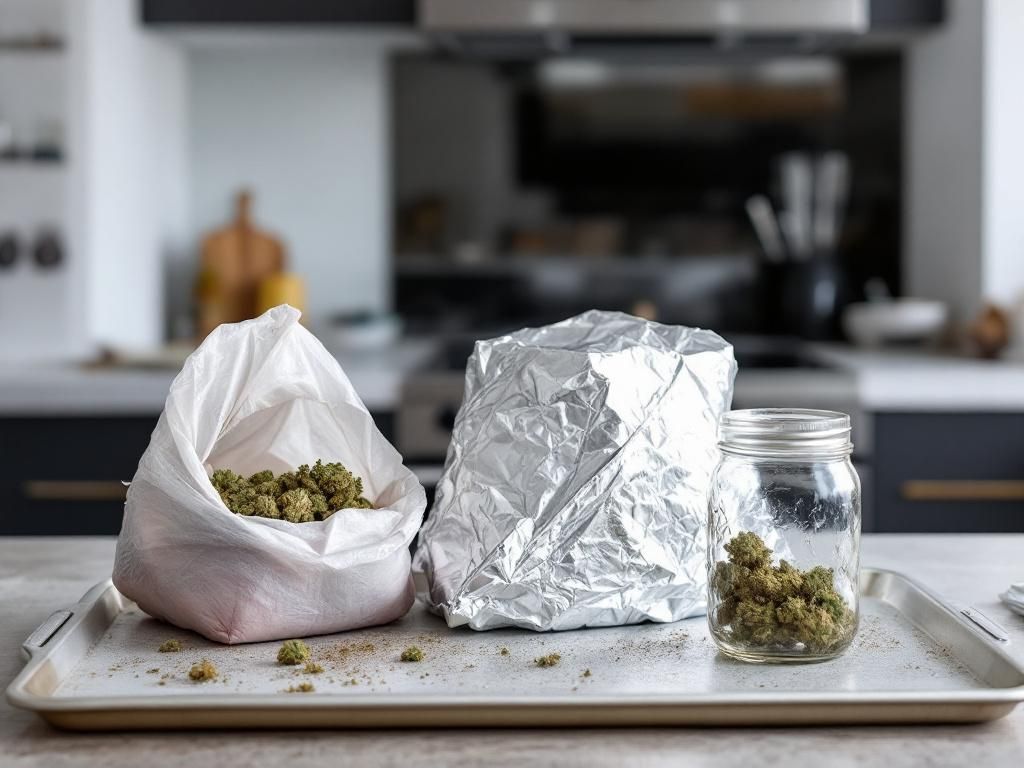
Decarboxylation produces intense cannabis aromas that can fill your entire home. While some enjoy the smell, others need discretion. These proven methods help manage odours during the process:
- Oven Bag Method: Turkey roasting bags withstand oven temperatures and contain most odours. Place your cannabis inside, seal loosely (leaving air inside), and poke 3-4 small holes in the top. This allows decarboxylation while trapping about 80% of the smell.
- Foil Tent Technique: Create a loose tent over your baking tray using heavy-duty aluminium foil. Crimp the edges to the tray sides while leaving space above the cannabis. This method reduces odours by about 60% while allowing proper air circulation.
- Mason Jar Decarboxylation: For smaller amounts (up to 7 grams), seal cannabis in a mason jar and place in the oven. This contains nearly all odours but requires careful handling as the glass becomes extremely hot. Always allow complete cooling before opening to prevent pressure-related accidents.
- Ventilation Strategies: Run your kitchen extractor fan throughout the process and open windows if weather permits. Position a fan near an open window to create airflow that carries odours outside. This works best combined with other containment methods.
- Post-Decarb Cleaning: Clean all surfaces immediately after processing. Cannabis oils can cling to oven walls and countertops, continuing to release odours. A solution of white vinegar and water neutralises cannabis smell effectively.
How long does the smell typically last?
Without odour control, cannabis aroma from decarboxylation can linger for 2-6 hours. With proper ventilation and containment, most odours dissipate within 30-60 minutes after completing the process.
Cannabis Cooking UK: From Decarb to Infusion
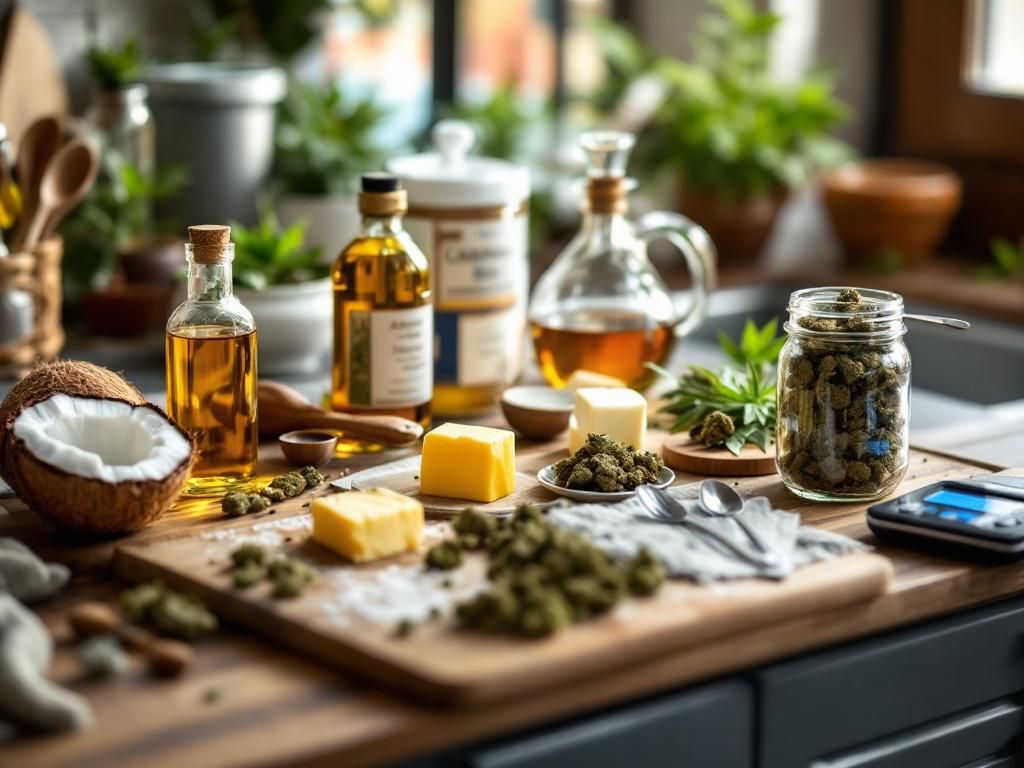
Once you’ve mastered decarboxylation, the next step is creating infusions for your cannabis cooking UK projects. Decarbed cannabis works beautifully in oils, butter, alcohol tinctures, and even direct incorporation into recipes.
Oil Infusions Coconut oil and olive oil absorb cannabinoids efficiently. Use a 1:1 ratio by weight (1 gram decarbed cannabis to 1 ounce oil) for potent results. Gentle heating at 60-70°C for 2-3 hours creates smooth, consistent infusions perfect for baking or cooking.
Cannabutter PreparationCannabutter prep starts with properly decarbed cannabis. Melt unsalted butter in a slow cooker or double boiler, add your decarbed material, and maintain 60-65°C for 2-4 hours. Strain through cheesecloth and refrigerate until solid.
Direct Incorporation Finely ground decarbed cannabis can be added directly to recipes. This method provides full-spectrum benefits but creates a more herbal flavour. Start with 0.5-1 gram per serving and adjust based on desired potency.
Tincture Creation High-proof alcohol extracts cannabinoids efficiently from decarbed material. The traditional method involves soaking decarbed cannabis in grain alcohol for 2-4 weeks, shaking daily. Quick extraction methods use gentle heat to reduce this time to 4-6 hours.
Which infusion method works best for beginners?
Oil infusions offer the most forgiving approach for newcomers. The fat content provides excellent cannabinoid absorption, and the process is straightforward to monitor and control.
Premium flower from BudBuddies produces superior infusions thanks to consistent cannabinoid profiles and proper curing. When you start with quality material, your finished products deliver reliable potency and flavour.
Calculating Potency: The Mathematics Behind Your Edibles
Understanding potency calculations transforms you from a casual cook into a precision artist. This knowledge helps you create edibles with predictable effects and consistent dosing.
Basic Potency FormulaPotency = (Cannabis Weight × THC Percentage × 1000 × Decarb Efficiency) ÷ Number of Servings
For example: 7 grams of 20% THC cannabis, 95% decarb efficiency, making 28 servings: (7 × 0.20 × 1000 × 0.95) ÷ 28 = 47.5mg THC per serving
Decarboxylation Efficiency Factors Perfect decarboxylation achieves 95-98% conversion, but real-world results vary based on temperature control, timing, and cannabis quality. Conservative calculations use 90% efficiency to account for variables.
Infusion Efficiency Not all THC transfers from cannabis to your oil or butter. Typical efficiency rates:
| Infusion Method | Efficiency Rate |
|---|---|
| Oil infusions | 75-85% |
| Butter infusions | 70-80% |
| Alcohol tinctures | 80-90% |
| Direct incorporation | 95-98% |
Dosage GuidelinesNew users should start with 2.5-5mg THC per serving. Experienced users might prefer 10-20mg, while medical users sometimes require higher doses. Always start low and increase gradually.
How do you account for CBD content?
CBD calculations follow the same formula as THC. Many users prefer balanced ratios (1:1 THC:CBD) for therapeutic effects with reduced psychoactivity. Lab-tested flower from BudBuddies includes complete cannabinoid profiles for accurate calculations.
Troubleshooting Common Decarboxylation Problems
Even experienced home cooks encounter challenges. Here’s how to identify and resolve the most common issues:
Under-Decarboxylation Signs include green colour retention, grassy smell, and weak effects in finished products. This typically results from insufficient temperature or time. Return under-decarbed cannabis to the oven for additional 5-10 minute intervals, checking frequently.
Over-Decarboxylation Dark brown or black colour, burnt smell, and harsh taste indicate excessive heat exposure. THC degrades into CBN, creating sedative effects rather than the desired high. Unfortunately, over-decarbed cannabis cannot be salvaged—prevention is key.
Uneven Processing Some pieces appear properly decarbed while others remain green or look burnt. This suggests hot spots in your oven or inadequate stirring. Map your oven’s heating pattern and adjust tray positioning accordingly.
Moisture Problems Cannabis that won’t dry properly during decarboxylation may have excessive moisture content. Extend processing time by 10-15 minutes or use a two-stage process: first at 100°C for 10 minutes to remove moisture, then at normal decarb temperature.
Excessive Odour Despite Precautions If smell remains problematic despite containment efforts, try combining multiple methods. The mason jar technique provides maximum odour control for smaller batches.
What causes temperature fluctuations during decarboxylation?
Fan-assisted ovens cycle on and off to maintain temperature, creating natural variations. Opening the door for stirring also causes temporary drops. These fluctuations are normal and won’t significantly impact your results if you follow proper timing.
Quality cannabis from BudBuddies minimises many common problems. Properly cured flower with consistent moisture content and cannabinoid profiles produces predictable results, reducing the trial-and-error phase of perfecting your technique.
Advanced Techniques for Experienced Users
Once you’ve mastered basic decarboxylation, these advanced methods can refine your results:
Temperature Ramping Start at 110°C for 15 minutes, then increase to 117°C for the remaining time. This gentle approach preserves more terpenes while ensuring complete activation.
Vacuum Bag Decarboxylation Seal cannabis in vacuum bags before heating. This method prevents terpene loss and contains all odours. It requires longer processing times but produces the highest quality results.
Humidity Control Adding a small dish of water to your oven creates steam that prevents over-drying. This technique works best for cannabis with lower moisture content.
Partial Decarboxylation Some users prefer partial decarboxylation (70-80% conversion) to maintain some THCA content. This creates a different effect profile combining activated and acid cannabinoids.
Strain-Specific Timing Different cannabis strains may require slight timing adjustments. Indica-dominant varieties often need 5-10 minutes less processing time than sativa-dominant strains.
How do you know when you’ve reached mastery?
Consistent results across multiple batches indicate mastery. Your decarbed cannabis should show uniform colour, aroma, and potency from batch to batch. This consistency allows you to predict edible effects accurately.
Frequently Asked Questions
Can you decarb different strains together? Yes, but strains with varying densities or moisture content may finish at different times. Monitor closely and remove pieces as they reach proper colour. Mixing strains can create interesting flavour profiles in your finished edibles.
Does grinding affect decarboxylation efficiency? Grinding increases surface area, speeding the process but risking overheating. Hand-breaking into small pieces provides the best balance of efficiency and control. Save fine grinding for after decarboxylation if needed for specific recipes.
How long does decarbed cannabis remain potent? Properly stored decarbed cannabis maintains potency for 6-12 months. Store in airtight containers away from light and heat. Freezing extends shelf life but may affect texture.
Can you decarb cannabis twice? Re-decarbing already processed cannabis will degrade THC into CBN, reducing psychoactive effects. If you suspect under-decarboxylation, add short intervals rather than starting the full process again.
What’s the minimum amount worth decarbing? Even small amounts (1-2 grams) can be decarbed effectively. Use smaller containers or reduce oven time slightly for tiny batches. The process scales well from personal use to larger quantities.
Why does some cannabis smell stronger during decarboxylation?
Terpene content varies significantly between strains. Some varieties naturally produce more aromatic compounds that intensify during heating. This doesn’t indicate problems—it’s simply the natural chemistry of different cannabis genetics.
Making the Most of Your Investment
Cannabis represents a significant investment, making efficiency important. Here’s how to maximise your returns:
Save Your Stems Large stems removed during preparation can create mild tinctures or teas. While not potent enough for edibles, they shouldn’t be wasted entirely.
Collect Kief Use a fine mesh sieve to collect kief that falls during preparation. This concentrated material requires shorter decarboxylation times and adds potency to your infusions.
Reuse Infusion Materials Cannabis used for oil infusions retains some potency. Save it for making milder preparations or compost it for your garden.
Track Your Results Keep notes on temperatures, times, and results. This data helps you refine your technique and calculate accurate potencies for future batches.
Start with Quality Premium cannabis from BudBuddies provides consistent results and maximum potency. Their lab-tested flower arrives within 48 hours, maintaining peak freshness for your decarboxylation projects.
How do you know if you’re getting good value from your cannabis?
Calculate cost per milligram of THC across different products. While premium flower may cost more upfront, higher potency often provides better value when making edibles. Lab-tested cannabis eliminates guesswork, preventing costly mistakes.
Building Your Cannabis Kitchen Setup
Creating an efficient workspace improves your results and makes the process more enjoyable:
Essential Equipment
- Oven thermometer for accurate temperature readings
- Digital scale for precise measurements
- Parchment paper for easy cleanup
- Wooden spoons for stirring hot cannabis
- Airtight containers for storage
- Fine mesh strainer for infusions
Nice-to-Have Tools
- Slow cooker for gentle infusions
- Candy thermometer for oil temperature monitoring
- Vacuum sealer for advanced techniques
- Dehydrator for moisture control
- pH strips for alcohol tinctures
Safety Equipment
- Oven gloves for handling hot materials
- Eye protection when working with alcohol
- Fire extinguisher rated for grease fires
- First aid kit for minor burns
Storage Solutions
- Mason jars in various sizes
- Light-proof containers for long-term storage
- Labels for dating and potency tracking
- Desiccant packets for moisture control
What’s the most important piece of equipment?
An accurate oven thermometer prevents the majority of decarboxylation problems. This simple tool pays for itself by preventing overheated batches and ensuring consistent results.
Conclusion
Mastering how to decarb weed in UK oven conditions opens up a world of cannabis cooking possibilities. With precise temperature control at 115-120°C, proper timing, and attention to detail, you can activate your cannabis’s full potential consistently.
Remember that decarboxylation is both science and art. The scientific principles provide the foundation, but experience teaches you to read the subtle signs that indicate perfect activation. Start with small batches, take detailed notes, and gradually build your confidence.
Quality ingredients produce quality results. BudBuddies’ lab-tested cannabis arrives within 48 hours across the UK, providing the consistent, potent material you need for successful decarboxylation. Our premium flower eliminates variables that can derail your projects, letting you focus on perfecting your technique.
Whether you’re creating your first batch of cannabutter or experimenting with advanced infusion techniques, proper decarboxylation remains the foundation of potent, effective cannabis edibles. Master this skill, and you’ll never again wonder why your homemade edibles lack the punch you expected.
Start your journey with confidence, knowing you have the knowledge and quality materials needed for success. Your cannabis cooking UK adventure begins with that first perfect decarb—and with BudBuddies’ premium flower, you’re already ahead of the game.


