


Weed for PTSD Treatment UK: What You Need to Know
Introduction to PTSD and the Potential of Medical Cannabis
Post-Traumatic Stress Disorder affects how your mind processes traumatic experiences, leading to flashbacks, nightmares, severe anxiety, and emotional numbness that can persist for months or years. This complex mental health condition impacts millions of people across Britain, disrupting sleep patterns, relationships, and daily activities in ways that conventional treatments sometimes struggle to address effectively. Some are now considering weed for PTSD treatment as an alternative approach to managing these symptoms.
Traditional approaches have helped many individuals, including:
- Cognitive behavioural therapy
- Eye movement desensitisation and reprocessing
- Antidepressant medications
However, these established treatments don’t provide adequate relief for everyone experiencing PTSD. Some people find that talking therapies trigger additional distress, while others experience unwanted side effects from pharmaceutical medications that outweigh the benefits.
Could cannabis offer an alternative path forward for those seeking effective PTSD treatment options?
Medical cannabis research has gained momentum in recent years, particularly regarding its potential to ease trauma-related symptoms. The plant’s active compounds, primarily THC and CBD, interact with your body’s natural endocannabinoid system to influence mood regulation, sleep quality, and memory processing. Studies conducted across various medical institutions suggest that weed for PTSD treatment UK patients receive may provide significant symptom relief when conventional therapies fall short.
Cannabis-based treatments are becoming increasingly recognised as viable complementary options for PTSD management. As clinical evidence continues to emerge, more healthcare providers are exploring how cannabinoids might help patients achieve better sleep, reduced anxiety, and improved emotional stability. BudBuddies offers 100% cannabis-derived products with complete ingredient transparency, supporting patients who need reliable, high-quality options within the current legal framework.
Key Takeaways
PTSD significantly impacts quality of life for many British residents, and traditional treatments don’t work effectively for everyone. Medical cannabis research shows promising results for trauma-related symptoms when conventional therapies prove insufficient. Understanding both therapeutic properties and legal requirements helps patients make informed treatment decisions.
How Medical Cannabis Interacts with PTSD Symptoms
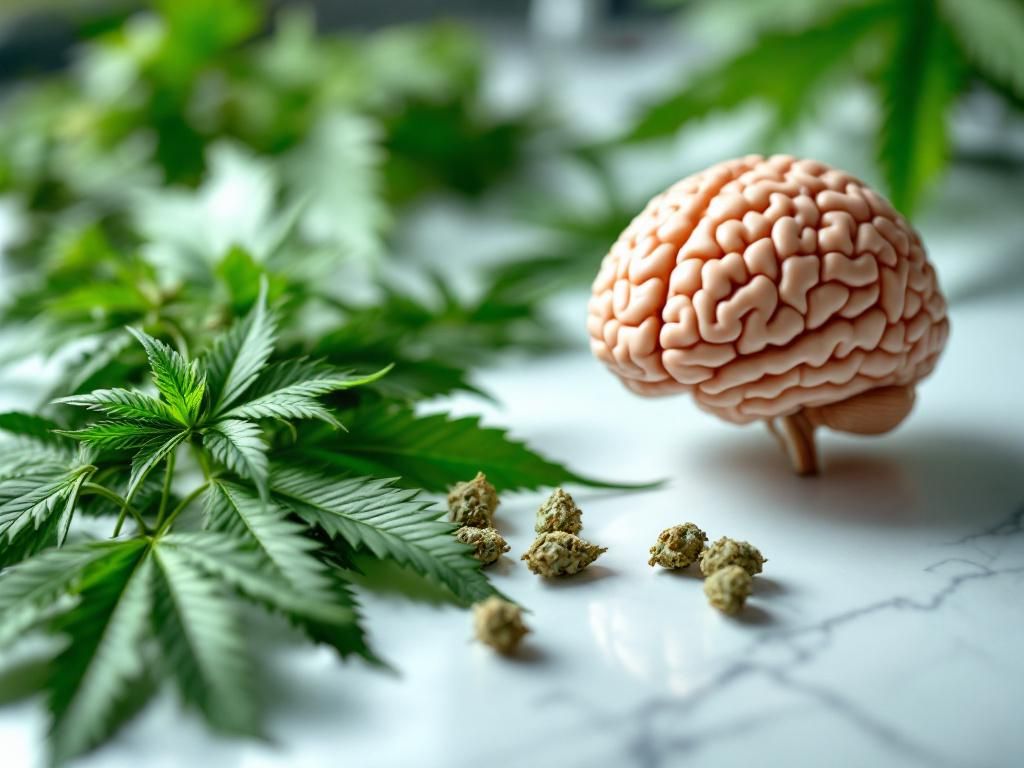
Your body’s endocannabinoid system plays a vital role in regulating emotions, sleep cycles, appetite, and memory formation – all areas that PTSD symptoms directly affect. Research suggests that trauma can disrupt this system’s natural balance, potentially leading to the persistent hypervigilance, sleep disturbances, and emotional dysregulation characteristic of PTSD. Medical cannabis may help restore this balance by supplementing your body’s natural endocannabinoid production.
“The endocannabinoid system is fundamentally involved in forgetting traumatic memories and reducing the anxiety associated with them. Cannabis may help restore this natural balance.” – Dr. Michael Bloomfield, University College London
THC (tetrahydrocannabinol) offers several potential benefits for PTSD symptoms, particularly those related to sleep and nightmares. This psychoactive compound can help reduce the intensity and frequency of trauma-related nightmares by affecting REM sleep patterns. THC also influences fear processing in the amygdala, potentially reducing the overwhelming terror responses that many PTSD patients experience during flashbacks or panic attacks. Low doses of THC may provide calming effects without causing significant impairment, making it suitable for daytime use when anxiety levels spike unexpectedly.
CBD (cannabidiol) presents a non-intoxicating option for managing anxiety and intrusive thoughts associated with trauma. This compound interacts with serotonin receptors to promote feelings of calm and emotional stability without producing the “high” sensation that some patients prefer to avoid. Research indicates that CBD may help reduce overall anxiety levels while supporting better stress tolerance and emotional regulation throughout daily activities.
The entourage effect describes how cannabis compounds work together synergistically, often producing more effective results than individual cannabinoids used in isolation. Terpenes, the aromatic compounds that give cannabis its distinct smell, contribute significantly to this therapeutic synergy.
Key therapeutic terpenes include:
- Linalool – provides natural sedative properties for bedtime anxiety
- Myrcene – offers muscle relaxation and anti-anxiety effects
- Limonene – may elevate mood and provide antidepressant-like benefits
- Pinene – improves mental clarity while supporting healthy sleep cycles
- Caryophyllene – acts as a natural anti-inflammatory compound
How might these natural compounds compare to your current treatment regimen?
The modulation of your endocannabinoid system through medical cannabis presents a fundamentally different approach to PTSD management. Rather than simply masking symptoms, cannabis-based treatments may help restore natural balance to the neurological systems disrupted by trauma. This approach has shown particular promise for patients who experience limited success with traditional pharmaceutical interventions or who struggle with medication side effects that impact their quality of life.
Legal Status and Accessing Medical Cannabis for PTSD in the UK

Medical cannabis became legally available in Britain in November 2018, but accessing cannabis for PTSD UK patients need requires meeting specific criteria and following established protocols. The current framework treats medical cannabis as a specialist treatment option rather than a first-line therapy, meaning you must demonstrate that conventional treatments have been inadequate before receiving a prescription.
Healthcare regulations require that patients try at least two conventional PTSD treatments before becoming eligible for medical cannabis prescriptions. This might include different types of talking therapy, various antidepressant medications, or other approved treatments that haven’t provided sufficient symptom relief or have caused intolerable side effects. Your medical history must clearly document these unsuccessful treatment attempts to qualify for cannabis-based therapy consideration.
Most medical cannabis UK PTSD treatments involve unlicensed medicines that lack full regulatory approval from the Medicines and Healthcare products Regulatory Agency. This means NHS prescriptions remain extremely rare, with private medical cannabis clinics providing the primary access route for eligible patients. These private consultations typically cost several hundred pounds initially, with ongoing prescription costs varying based on individual treatment requirements.
“Medical cannabis represents a paradigm shift in PTSD treatment, offering hope for patients who haven’t found relief through conventional therapies.” – Dr. David Nutt, Imperial College London
Specialist doctors registered with the General Medical Council must oversee all medical cannabis prescriptions in Britain. These healthcare providers have specific training in cannabis medicine and experience treating conditions like PTSD with cannabinoid-based therapies. During consultation, specialists evaluate your medical history, current symptoms, previous treatment attempts, and overall health status to determine appropriate cannabis formulations and dosing protocols.
What types of medical cannabis products might specialists recommend for PTSD treatment?
Cannabis oils provide precise, consistent dosing that works well for managing persistent symptoms like chronic anxiety or sleep disturbances. These liquid formulations allow for careful dose titration, helping you find the minimum effective amount for symptom relief. Vaporised flower offers faster onset times, making it suitable for acute anxiety episodes or panic attacks that require immediate intervention. Some patients benefit from combining both forms to address different symptom patterns throughout their treatment.
CBD oil UK regulations differ slightly from THC-containing products, as CBD with minimal THC content (under 0.2%) isn’t classified as a controlled substance. However, these products still require Novel Food authorisation and must meet specific quality standards for legal sale. BudBuddies maintains strict quality controls and complete ingredient transparency across all products, whether they contain CBD, THC, or full-spectrum cannabinoid profiles.
Eligibility requirements typically include:
- Be over 21 years old
- Have tried at least two conventional PTSD treatments unsuccessfully
- Have no history of certain mental health conditions like psychosis
- No significant drug interactions with existing medications
Conclusion

Medical cannabis shows considerable promise as a complementary treatment approach for PTSD symptoms, especially when conventional therapies haven’t provided adequate relief. The interaction between cannabinoids like THC and CBD with your body’s endocannabinoid system may help address the underlying neurological imbalances that contribute to trauma-related symptoms. Combined with supporting terpenes, these compounds can potentially improve sleep quality, reduce anxiety levels, and provide better emotional regulation for many patients.
The legal framework in Britain requires careful navigation through private medical cannabis clinics and specialist consultations. While the process involves additional costs and administrative steps, it ensures that treatments are medically supervised and tailored to individual patient needs. As research continues to expand our understanding of cannabis-based PTSD treatments, more refined protocols and product formulations are likely to emerge.
Working with reputable providers like BudBuddies ensures access to high-quality, 100% cannabis-derived products with complete ingredient transparency. This commitment to purity and ethical production practices supports patients in making informed treatment decisions while maintaining confidence in product consistency and potency. As the medical cannabis field continues to evolve, staying informed about treatment options and maintaining open communication with healthcare providers remains essential for achieving optimal treatment outcomes.
Professional medical guidance should always be sought before beginning any cannabis-based treatment regimen. PTSD is a complex condition that requires comprehensive care, and medical cannabis works best as part of a broader treatment strategy that may include therapy, lifestyle modifications, and ongoing medical supervision.
FAQs
Is weed for PTSD legal in the UK?
Medical cannabis for PTSD treatment is legal in Britain when prescribed by a specialist doctor registered with the General Medical Council. You must typically demonstrate that at least two conventional treatments have failed to provide adequate symptom relief before becoming eligible for a cannabis prescription through private medical clinics.
Can CBD alone help with PTSD symptoms?
CBD can provide significant benefits for anxiety, sleep disturbances, and intrusive thoughts without producing intoxicating effects. However, some patients find that THC offers additional benefits for specific symptoms like nightmares and severe anxiety episodes, which is why many specialists recommend full-spectrum products that contain both compounds.
Are there any side effects of using medical cannabis for PTSD?
Potential side effects may include temporary nausea, dizziness, headaches, increased heart rate, or heightened anxiety, particularly with higher THC concentrations. These effects are typically dose-dependent and often diminish as your body adjusts to treatment. Starting with low doses and gradually increasing under medical supervision helps minimise adverse reactions.
How do I get a prescription for medical cannabis for PTSD in the UK?
The process involves consulting with a specialist doctor at a medical cannabis clinic after documenting unsuccessful results from at least two conventional PTSD treatments. The specialist will review your medical history, current symptoms, and treatment goals before determining whether cannabis therapy is appropriate and developing a personalised treatment plan with ongoing monitoring and support.


