


Weed and Fertility Myths: What Science Really Shows
Introduction
The world of cannabis and fertility myths is riddled with misconceptions that can mislead couples on their conception journey. There are many weed and fertility myths that people encounter along the way. Across the UK, conversations about cannabis use often skip over its potential reproductive health implications, leaving many people with incomplete information. Social media forums and anecdotal stories frequently paint contradictory pictures—some claim cannabis boosts fertility naturally, while others dismiss any concerns entirely.
Recent scientific research paints a different story. Studies from reputable institutions are uncovering how THC, cannabis’s main psychoactive compound, interacts with our reproductive systems in ways that weren’t fully understood just a decade ago. The evidence suggests that both male and female fertility can be affected, challenging long-held assumptions about this plant’s safety during the preconception phase.
What makes navigating this topic particularly tricky is the quality variation in cannabis products available. While some people use low-grade street cannabis with unknown THC levels, others choose lab-tested products from trusted sources like BudBuddies, which provides full ingredient transparency and consistent potency testing. This quality difference matters when examining research findings, as studies often don’t account for product variations.
For couples actively trying to conceive, understanding these fertility myths becomes particularly important. The stakes are higher when you’re investing time, energy, and sometimes significant money into conception efforts. Making informed decisions about cannabis use during this period requires separating genuine scientific findings from outdated assumptions and marketing claims.
Key Takeaways
- THC demonstrates measurable effects on both male and female reproductive systems, contrary to myths suggesting cannabis use poses no fertility risks
- Research indicates that regular cannabis consumption can reduce sperm count and motility while disrupting female hormonal cycles necessary for consistent ovulation patterns
- The reversibility of these effects varies significantly based on usage duration and individual factors, with some studies showing recovery after cessation while others document more persistent changes
- CBD research remains in early stages, presenting conflicting evidence about its role in reproductive health that warrants cautious consideration
- Quality matters tremendously when evaluating cannabis effects on fertility, as lab-tested products with known cannabinoid profiles provide more predictable outcomes than unregulated alternatives
- Couples pursuing conception benefit from adopting comprehensive preconception health strategies that include careful evaluation of all substances, including cannabis derivatives
Unpacking Male Fertility Myths and the Science
The belief that cannabis poses minimal risk to male fertility has persisted for decades, often reinforced by anecdotal accounts and limited early research. However, comprehensive studies conducted over the past two decades present compelling evidence that challenges this assumption. British researchers, alongside international colleagues, have documented specific mechanisms through which THC affects male reproductive biology.
Dr Sarah Martins, a reproductive endocrinologist at King’s College London, notes that:
“The endocannabinoid system plays a more significant role in male reproduction than we initially recognised, with THC disrupting natural signalling pathways essential for healthy sperm production.”
This professional insight reflects growing awareness within the medical community about cannabis’s reproductive implications.
Contemporary research methods allow scientists to examine cellular-level changes that weren’t detectable in earlier studies. These investigations reveal that THC doesn’t simply reduce sperm numbers—it fundamentally alters how sperm cells develop and function. The implications extend beyond basic fertility statistics to encompass the quality and capability of sperm throughout the fertilisation process.
How Cannabis Affects Sperm Health
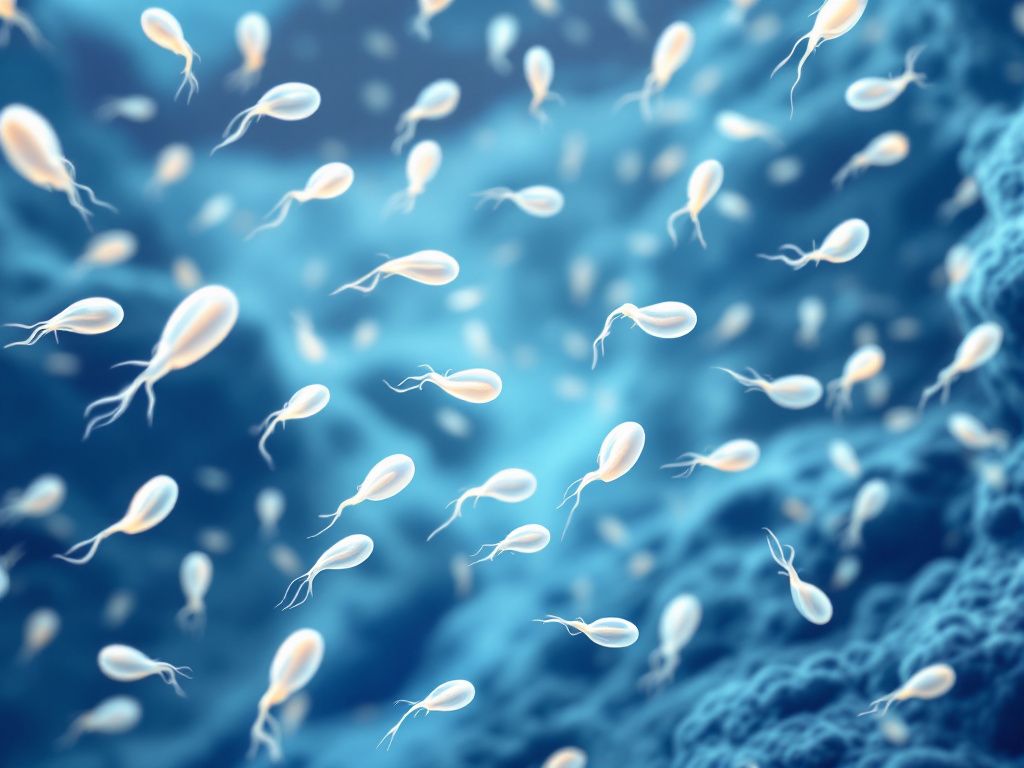
Multiple studies demonstrate that cannabis use significantly impacts sperm parameters across several key areas. A landmark 2019 study published in Human Reproduction followed over 1,200 men from fertility clinics across Denmark and found that those using cannabis more than once weekly had 28% lower sperm concentration and 29% lower total sperm count compared to non-users.
The Queen’s University Belfast research mentioned earlier revealed particularly concerning findings about sperm functionality. When researchers exposed sperm samples to THC concentrations similar to those found in regular cannabis users, they observed dramatic changes in sperm behaviour. Nearly half of the THC-exposed sperm showed reduced forward progression—the swimming pattern essential for reaching and penetrating eggs successfully.
Morphological changes represent another significant concern, with abnormal sperm shapes becoming more prevalent among regular users. These structural abnormalities aren’t merely cosmetic issues; they directly impact fertilisation capability. Sperm with irregular head shapes struggle to bind properly with eggs, while those with damaged tails cannot swim effectively through the female reproductive tract.
British fertility specialist Dr James Mitchell explains that:
“Sperm cells are particularly vulnerable to external influences because they undergo a 74-day development cycle. THC exposure during this period can affect cellular programming that determines final sperm quality.”
This extended development timeline means that even temporary cannabis use can have lasting effects on sperm count and motility for months afterward.
Research also indicates that frequent cannabis users may experience premature sperm cell death, a phenomenon researchers term “cellular burnout”. This process involves dysregulated energy metabolism within sperm cells, causing them to exhaust their energy reserves before reaching their destination. For couples timing intercourse around ovulation, this premature deterioration can significantly reduce conception chances.
The Hormonal Link: THC and Male Reproductive Hormones
THC’s interaction with the endocrine system creates ripple effects throughout male reproductive physiology. Cannabinoid receptors exist throughout the hypothalamic-pituitary-gonadal axis, the complex hormonal network controlling male fertility. When THC binds to these receptors, it disrupts normal communication between the brain and reproductive organs.
Luteinising hormone (LH) and follicle-stimulating hormone (FSH) serve as crucial messengers in this system, directing testosterone production and sperm development respectively. Studies consistently show that regular cannabis users have altered levels of these hormones, with some experiencing significant reductions in testosterone production. Lower testosterone doesn’t just affect fertility—it can impact libido, energy levels, and overall reproductive motivation.
A 2020 study published in the European Journal of Endocrinology tracked 200 men over six months, measuring hormone levels before and after cannabis use cessation. Researchers found that while some hormonal parameters improved within weeks of stopping, others required months to normalise completely. This timeline variation suggests that different aspects of the reproductive system recover at different rates.
The complexity increases when considering individual variations in metabolism and receptor sensitivity. Some men appear more susceptible to hormonal disruption than others, making it difficult to predict who will experience significant effects. Dr Rebecca Thompson from Oxford University’s reproductive medicine department notes that “genetic factors influence how efficiently individuals process cannabinoids, which partially explains the variable research results we observe.”
Quality cannabis products like those from BudBuddies, with precise THC measurements and consistent potency, allow users to make more informed decisions about dosing and frequency. While this doesn’t eliminate reproductive risks, it provides better control over exposure levels compared to unregulated alternatives with unpredictable cannabinoid concentrations.
Demystifying Female Fertility and Cannabis Use
Female reproductive health involves intricate hormonal orchestration that governs everything from monthly cycles to successful embryo implantation. Cannabis and fertility myths often downplay these complexities, suggesting that occasional use poses no meaningful risks. However, scientific evidence reveals that women’s reproductive systems are particularly sensitive to THC disruption, with effects spanning from ovulation timing to early pregnancy success rates.
The endocannabinoid system, which THC directly influences, plays essential roles in female reproduction that researchers are still mapping. Natural cannabinoids produced by the body help regulate ovulation timing, prepare the uterine lining for implantation, and maintain early pregnancy. When external THC floods these receptors, it can overwhelm or disrupt these delicate processes.
Professor Linda Harrison from Edinburgh University’s reproductive biology institute emphasises that:
“Women’s reproductive systems operate on precise timing mechanisms that can be disrupted by relatively small hormonal changes. THC’s ability to interfere with natural cannabinoid signalling can have cascading effects throughout the menstrual cycle.”
Understanding these mechanisms becomes particularly important for women tracking their fertility or undergoing assisted reproductive treatments. Small disruptions in ovulation timing or egg quality can significantly impact conception success, making awareness of cannabis and ovulation essential for informed family planning decisions.
Impact on Ovulation and Hormonal Balance

Research spanning several decades consistently demonstrates that cannabis use can disrupt normal ovulation patterns in women. A comprehensive 2018 study published in Fertility and Sterility followed 400 women trying to conceive naturally, finding that those who used cannabis more than twice monthly had 40% longer time to conception compared to non-users.
The mechanisms behind these delays involve THC’s interference with the luteinising hormone surge that triggers ovulation. This hormonal peak must occur at precisely the right time for eggs to mature and release successfully. When THC disrupts this timing, ovulation may be delayed by several days or, in some cases, prevented entirely during that cycle.
Dr Maria Santos, a leading fertility specialist at Manchester University, explains that:
“We observe measurable changes in hormone patterns within hours of cannabis use, with effects potentially lasting days afterward. For women trying to time intercourse around ovulation, these disruptions can shift their fertile window unpredictably.”
Anovulatory cycles—menstrual cycles without ovulation—become more common among regular cannabis users. While these cycles may appear normal with regular bleeding, no egg is released for potential fertilisation. Women using natural family planning methods or tracking ovulation may not realise these cycles are occurring without specific hormonal testing.
The irregularity extends beyond ovulation timing to affect overall cycle length and predictability. Some women experience shortened cycles with premature hormone drops, while others develop prolonged cycles with delayed ovulation. This unpredictability makes conception planning significantly more challenging and can indicate underlying hormonal imbalances that may affect fertility long-term.
Cannabis quality plays a role here too, as products with consistent THC levels allow women to better understand their individual responses. BudBuddies’ lab-tested products provide reliable potency information that helps users make informed decisions about timing and frequency, though abstinence remains the safest option when actively trying to conceive.
Effects on Embryo Development and IVF Success
The period immediately following fertilisation represents a critical window where cannabis use may significantly impact pregnancy success. Research indicates that THC can interfere with embryo implantation—the process where fertilised embryos attach to the uterine wall and begin developing into established pregnancies.
Natural cannabinoids like anandamide play crucial roles during early pregnancy, helping regulate implantation timing and supporting embryo development. When THC overwhelms these systems, it can create “mismatches” where embryos fail to implant properly or implant but cannot maintain adequate developmental support.
A 2019 study examining IVF outcomes found striking differences between cannabis users and non-users. Women who used cannabis regularly produced 25% fewer mature eggs during stimulation cycles, and these eggs showed lower fertilisation rates when exposed to sperm. The resulting embryos also demonstrated reduced implantation rates and higher miscarriage risks during early pregnancy.
Dr Catherine Williams, director of reproductive medicine at Birmingham Women’s Hospital, notes that “the pre-implantation period is incredibly sensitive to external influences. THC can disrupt cellular signalling pathways that embryos rely on for proper development and attachment.”
For couples investing in IVF treatments, these statistics represent significant concerns. IVF cycles require substantial financial, emotional, and physical investments, with success rates varying based on numerous factors. Cannabis use represents a modifiable risk factor that couples can address to optimise their cannabis and IVF success rates.
The timing of cannabis cessation matters significantly for IVF success. Since eggs undergo a 90-day maturation process before ovulation or retrieval, women benefit from stopping cannabis use at least three months before beginning IVF protocols. This timeline allows newly developing eggs to mature in a THC-free environment, potentially improving their quality and developmental potential.
Research also suggests that THC may affect the uterine environment’s receptivity to embryo implantation. Changes in blood flow, immune responses, and cellular signalling within the uterine lining can create less favourable conditions for embryo attachment and growth. These effects may persist for weeks after cannabis use stops, highlighting the importance of early cessation when planning assisted reproduction.
CBD and Fertility: A Different Perspective?
The conversation around CBD and fertility presents a more nuanced picture than THC research, with emerging studies showing both potential benefits and concerning effects. CBD’s non-psychoactive nature and therapeutic reputation have led many people to assume it’s inherently safer for reproductive health, but scientific evidence suggests this assumption may be premature.
Unlike THC, CBD doesn’t directly bind to cannabinoid receptors in large quantities, instead influencing the endocannabinoid system through indirect mechanisms. This different interaction pattern means CBD’s effects on fertility may manifest through alternative pathways, including stress reduction, inflammation management, and hormonal modulation.
Some preliminary research suggests CBD might support reproductive health by reducing cortisol levels and managing anxiety—factors that can negatively impact fertility in both men and women. Chronic stress interferes with reproductive hormone production and can disrupt ovulation timing and sperm quality. If CBD effectively manages stress levels, it could theoretically support better reproductive outcomes.
However, contradictory evidence complicates this picture significantly. A 2021 study published in Reproductive Biology and Endocrinology examined sperm samples from men using various cannabis products, including CBD-only preparations. Researchers found that CBD users showed alterations in sperm shape and reduced semen volume compared to non-users, though the effects were less pronounced than those seen with THC.
Dr Jennifer Moore from Cambridge University’s reproductive research centre cautions that:
“CBD’s effects on fertility are far from understood. While some mechanisms suggest potential benefits, direct impacts on reproductive cells and hormones require much more investigation before we can make safety recommendations.”
The challenge with CBD research lies partly in product variability and study design limitations. Many CBD products contain trace amounts of THC or other cannabinoids that could influence results. Additionally, most studies examining CBD’s reproductive effects have been observational rather than controlled trials, making it difficult to establish direct cause-and-effect relationships.
For individuals considering CBD use while trying to conceive, product quality becomes paramount. BudBuddies provides comprehensive cannabinoid profiles for their CBD products, allowing users to understand exactly what compounds they’re consuming. This transparency helps people make informed decisions about potential risks and benefits, though current evidence suggests caution remains warranted.
The interaction between CBD and fertility medications represents another area requiring careful consideration. CBD can influence liver enzymes responsible for metabolising various drugs, potentially affecting the efficacy of fertility treatments or other medications. Anyone undergoing fertility treatment should discuss CBD use with their healthcare providers to avoid unintended interactions.
Research into CBD’s effects on female reproductive hormones shows mixed results, with some studies suggesting potential benefits for hormone regulation while others raise concerns about cycle disruption. The dose-dependent nature of these effects means that small amounts might influence reproductive function differently than larger doses, but optimal dosing for reproductive health remains undefined.
Current evidence suggests treating CBD with similar caution to other substances during preconception and pregnancy periods. While CBD may offer certain therapeutic benefits, the lack of comprehensive safety data specifically related to reproductive health warrants a conservative approach for couples actively trying to conceive.
Preconception Health and Cannabis Safety

Preparing for pregnancy involves optimising both partners’ health to create the best possible conditions for conception and foetal development. This preconception period typically spans three to six months before attempting pregnancy, allowing time for healthy eggs and sperm to develop while establishing beneficial lifestyle patterns.
The NHS and other UK health authorities recommend that couples planning pregnancy should evaluate all substances they consume, including prescription medications, supplements, alcohol, and recreational drugs. Cannabis falls into this category of substances requiring careful consideration due to its documented effects on reproductive health and unknown long-term consequences.
Cannabis compounds, particularly THC, can remain detectable in the body for weeks or months after last use, depending on frequency of consumption and individual metabolism. This persistence means that reproductive effects may continue long after someone stops using cannabis, making early cessation important for couples serious about optimising fertility.
Dr Sarah Patterson, a preconception health specialist at Leeds University, explains that:
“The three months before conception represent a critical window for both partners. This is when eggs complete their final maturation and when sperm undergo their complete development cycle. Eliminating potentially harmful substances during this period can significantly improve reproductive outcomes.”
For men, the 74-day sperm development cycle means that cannabis use cessation should ideally begin at least two to three months before attempted conception. This timeline allows newly developing sperm to mature in an environment free from THC’s disruptive effects, potentially improving count, motility, and morphology parameters.
Women benefit from similar timing considerations, as eggs undergo a 90-day maturation process before ovulation. Additionally, establishing regular ovulation patterns and optimal hormonal balance may require several cycles after cannabis cessation, particularly for those who were heavy users.
The quality of cannabis products used historically can influence recovery timelines. Users of high-quality, lab-tested products like those from BudBuddies may have more predictable THC exposure patterns compared to those using street cannabis with unknown potency levels. However, regardless of product quality, cessation remains the recommended approach for optimising fertility outcomes.
Beyond direct reproductive effects, cannabis cessation during preconception supports other healthy lifestyle changes that benefit fertility. Many people find that stopping cannabis improves sleep quality, exercise motivation, and dietary choices—all factors that contribute to better reproductive health for both partners.
Creating a supportive environment for cannabis cessation becomes important for couples embarking on this journey together. Open communication about motivations for stopping, alternative stress management strategies, and mutual support can help both partners maintain their commitment to optimising preconception health.
Some couples worry that stopping cannabis will increase stress levels and potentially harm fertility through anxiety and tension. While stress can impact reproductive health, the direct effects of THC on reproductive systems likely outweigh any potential stress-related benefits of continued use. Learning alternative stress management techniques—such as meditation, exercise, or counselling—provides healthier long-term strategies for managing conception-related anxiety.
Conclusion
Examining cannabis and fertility myths through a scientific lens reveals significant gaps between popular assumptions and research evidence. The notion that cannabis use poses minimal risks to reproductive health doesn’t withstand scrutiny from multiple studies documenting measurable effects on both male and female fertility parameters.
For men, evidence consistently shows that THC can reduce sperm count, impair motility, and alter sperm shape in ways that compromise fertilisation capability. Hormonal disruptions affecting testosterone and other reproductive hormones add additional layers of concern for male fertility. While some effects may reverse after cessation, the recovery timeline varies among individuals and may require several months of abstinence.
Women face equally significant concerns, with research demonstrating that cannabis can disrupt ovulation timing, reduce egg quality, and interfere with embryo implantation processes. These effects are particularly relevant for women undergoing fertility treatments, where small changes in reproductive function can significantly impact treatment success rates.
The picture with CBD remains less clear but shouldn’t be assumed safe by default. Limited research shows conflicting results, with some studies suggesting potential benefits through stress reduction while others document direct negative effects on reproductive cells. Until more comprehensive safety data becomes available, couples trying to conceive benefit from treating CBD with the same caution applied to THC-containing products.
Quality considerations matter throughout these discussions. Products from reputable sources like BudBuddies, with comprehensive lab testing and transparent cannabinoid profiles, allow users to make more informed decisions about their consumption patterns. However, even high-quality products carry reproductive risks that couples must weigh against potential benefits.
The path forward involves honest conversations between partners about priorities and timelines. For couples actively trying to conceive, the scientific evidence supports cannabis cessation as part of comprehensive preconception health optimisation. Those using cannabis for legitimate therapeutic purposes should work with healthcare providers to explore alternative treatments that don’t compromise fertility goals.
Moving beyond myths requires accepting that natural doesn’t automatically mean safe, and that substances affecting brain chemistry are likely to influence reproductive systems as well. By embracing evidence-based decision-making and prioritising reproductive health goals, couples can navigate these complex choices with greater confidence and clarity.
FAQs
Does Cannabis Affect Sperm Quality?
Research demonstrates that cannabis, particularly THC, significantly impacts multiple aspects of sperm health. Studies show:
- Reduced sperm count
- Decreased motility (swimming ability)
- Abnormal morphology (shape and structure)
- 28% lower sperm concentration in frequent users
A Danish study of over 1,200 men found that those using cannabis more than once weekly had 28% lower sperm concentration compared to non-users. These changes can substantially reduce the likelihood of successful fertilisation, as sperm need optimal count, movement, and shape to reach and penetrate eggs effectively.
Can Cannabis Delay or Prevent Ovulation?
Scientific evidence indicates that cannabis use can disrupt women’s natural ovulation patterns through hormonal interference. THC affects the luteinising hormone surge necessary for triggering egg release, potentially delaying ovulation by several days or preventing it entirely during affected cycles. Research shows that women using cannabis more than twice monthly had 40% longer time to conception compared to non-users. Some women experience anovulatory cycles—periods without egg release—making conception impossible during those months despite seemingly normal menstrual bleeding.
Is CBD Safe to Use When Trying to Conceive?
CBD’s safety for fertility remains uncertain due to limited and conflicting research. While some studies suggest potential benefits through stress reduction and hormone regulation, others document concerning effects on sperm quality and reproductive function. A 2021 study found that CBD users showed alterations in sperm shape and reduced semen volume. Given the lack of comprehensive safety data specifically related to reproductive health, medical experts generally recommend treating CBD with caution during preconception periods and consulting healthcare providers before use.
How Long Should I Stop Using Cannabis Before Trying to Conceive?
Optimal cessation timing depends on reproductive biology cycles and individual factors, but most experts recommend stopping at least three months before attempting conception. This timeline allows men’s complete sperm development cycle (74 days) and women’s egg maturation process (90 days) to occur in a THC-free environment. Since THC can remain detectable in the body for weeks or months after last use, early cessation provides the best opportunity for reproductive recovery. Some individuals may require longer periods to fully restore optimal hormonal balance and reproductive function.


