


Can Weed Cause Vomiting? Understanding Cannabis & Nausea
Feeling sick after a smoke, a vape, or an edible catches plenty of people off guard, especially given cannabis’s long-standing reputation for settling upset stomachs. The direct answer is that yes, weed can cause vomiting, even though the same plant is also used to calm nausea in other situations. Whether cannabis helps or harms your stomach depends heavily on dose, frequency, and how your own body responds to THC.
This contradiction confuses a lot of cannabis users, particularly those who’ve relied on it for years without any issues. The same compound that eases nausea at a modest dose can trigger relentless sickness when consumed heavily or too often over time. That shift usually happens gradually, which makes it easy to miss until symptoms become hard to ignore.
This guide walks through why weed can cause vomiting, starting with Cannabinoid Hyperemesis Syndrome (CHS), the main medical explanation behind cannabis-related sickness. We’ll also cover other everyday causes, from simple overconsumption to product quality, plus practical steps for reducing your risk. BudBuddies, a UK supplier of lab-tested cannabis products, informs several of the practical suggestions throughout.
Key Takeaways
Cannabis has a biphasic effect on the stomach, meaning low doses tend to calm nausea while high or long-term heavy doses can trigger vomiting instead.
Cannabinoid Hyperemesis Syndrome (CHS) is the main medical condition behind cannabis-induced vomiting in frequent, long-term users.
Relief from hot showers is one of the most recognisable signs of CHS and often helps doctors reach a diagnosis.
Overconsumption, individual sensitivity, and poor-quality products can all cause nausea, even without CHS being involved.
Choosing lab-tested products and dosing carefully are two of the simplest ways to lower your risk.
Why Can Weed Cause Vomiting Despite Easing Nausea?
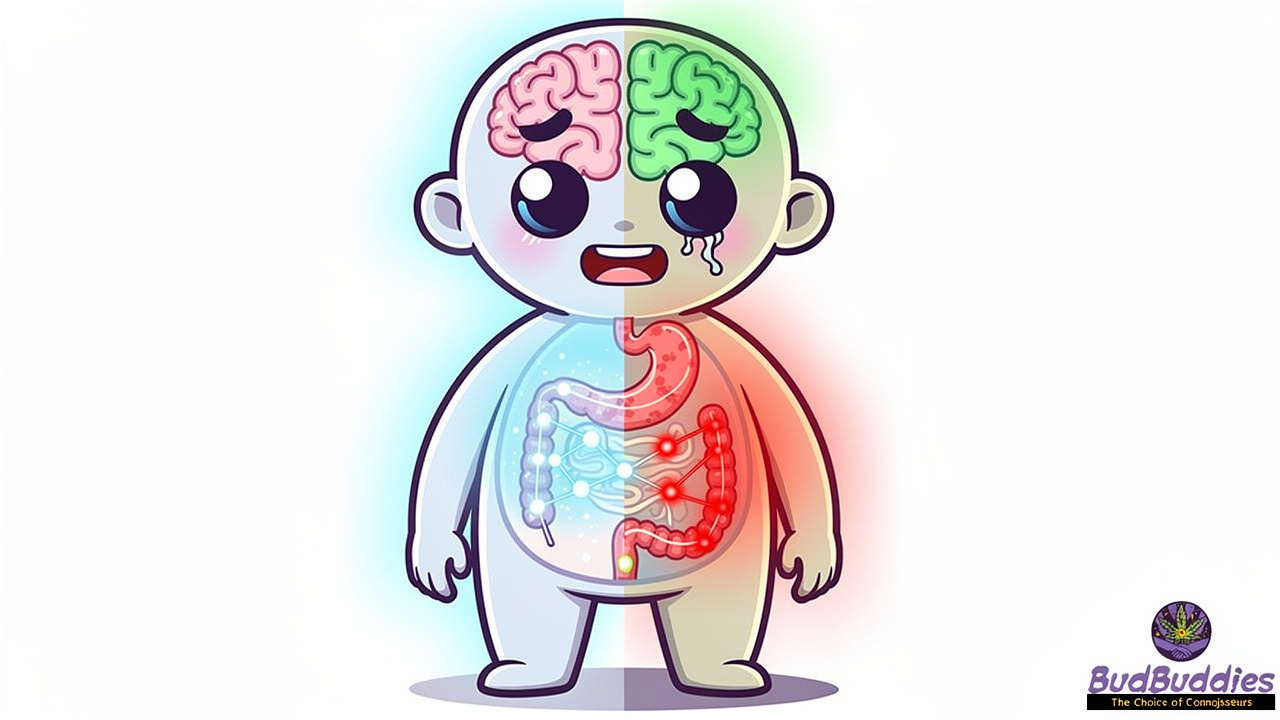
Weed can cause vomiting because THC affects the body’s endocannabinoid system in a dose-dependent way, calming the stomach at low levels but irritating it at high ones. This system includes CB1 receptors found throughout the gut and brain, which help regulate nausea, appetite, and digestion. At low to moderate doses, THC typically switches these processes into a calmer state, which is why a prescription dronabinol capsule, a synthetic THC medication, is sometimes used to help people manage sickness from chemotherapy or poor appetite.
The trouble starts when doses climb too high, or when someone uses cannabis heavily for months or years without a break. At that point, the same CB1 receptors can become overstimulated, and the calming effect on the gut can flip into the opposite reaction entirely. This is the core paradox behind cannabis and nausea, and it’s the reason a single plant can be both a remedy and a trigger depending on how it’s used.
What Is Cannabinoid Hyperemesis Syndrome (CHS)?
Cannabinoid Hyperemesis Syndrome, usually shortened to CHS, is a recognised medical condition, causes symptoms and treatment for which are well documented, that causes repeated, severe vomiting in people who use cannabis heavily and regularly over a long period. It was first described in medical literature in 2004, and recent research on prevalence and correlates of CHS symptoms shows awareness has grown steadily as cannabis potency has risen and consumption has become more common. CHS typically develops in people who use cannabis daily or near daily for years, not in occasional or moderate users, which is what makes it so easy to overlook at first. Doctors still don’t fully understand the exact mechanism, but the leading theories point to overstimulated cannabinoid receptors, THC building up in fatty tissue over time, and disrupted gut motility that slows digestion and triggers repeated nausea.
The Three Phases of CHS

CHS tends to move through three fairly distinct stages, starting with a prodromal phase that can last months or even years:
Prodromal phase – mild morning nausea and abdominal discomfort; many people mistakenly keep using cannabis, assuming it will settle the very symptoms it’s causing, and some even increase their use during this phase.
Hyperemetic phase – far more severe and often prompts a trip to A&E, with vomiting becoming intense and cyclical, sometimes occurring several times an hour, while dehydration becomes a real risk given how much fluid the body loses.
Recovery phase – begins once cannabis use stops completely, with symptoms usually easing within days to a few weeks as normal eating patterns return.
Why Do Hot Showers Ease CHS Symptoms?

Hot showers are one of the most distinctive and widely reported features of CHS, with many sufferers spending hours bathing to find temporary relief. This pattern is common enough that clinicians treat it as a useful diagnostic clue when they suspect the condition. The exact reason remains unclear, though it’s thought to involve changes in blood flow or the brain’s temperature-regulating centres rather than anything specific to the water itself.
Who Is Most at Risk of CHS?
CHS mainly affects people who use cannabis daily or near daily for years, particularly those who favour high-potency products or started using cannabis at a younger age. It remains rare when measured against the overall number of cannabis users, so most people never experience it even after years of regular use. That said, cases do appear to be rising alongside the higher-potency flower, concentrates, and extracts now widely available compared with previous decades.
What Else Can Cause Vomiting After Using Cannabis?
Beyond CHS, several everyday scenarios can make weed cause vomiting without any long-term syndrome being involved at all, as outlined in a broader guide to cannabis and nausea covering THC and CBD’s differing effects. Simply taking too much, being unusually sensitive to THC, using low-quality products, or combining cannabis with alcohol can all upset the stomach on their own. These causes tend to be more common and more preventable than CHS, since they’re usually linked to a single session rather than a pattern built up over years. Recognising which of these applies to you can make it much easier to adjust your approach and avoid repeating the same mistake.
Overconsumption and “Greening Out”

Taking too much cannabis at once, often called “greening out,” is one of the most common reasons people feel sick after using it. This is especially frequent with edibles, since effects can take anywhere from 30 minutes to two hours to kick in, tempting people to take more before the first dose has even landed. Once it does hit, symptoms like nausea, dizziness, cold sweats, and a racing heart can arrive all at once.
Sensitivity, Low Tolerance, and Product Quality
Not everyone reacts to THC the same way, and genetics, body weight, and metabolism can all influence how sensitive someone is to a given dose. First-time users or anyone returning after a long break are particularly prone to nausea, simply because their body hasn’t built up any tolerance to the compounds involved.
Product quality matters just as much as personal biology. Cannabis that’s been poorly grown, stored, or contaminated with mould, pesticides, or heavy metals can upset the stomach regardless of THC content, which is why sourcing from a trusted, tested supplier matters. Mixing cannabis with alcohol or other substances only adds to the risk, since the combined effects on the body are harder to predict.
How Can You Reduce Your Risk of Cannabis-Induced Vomiting?
Reducing your risk of cannabis-induced vomiting mostly comes down to dosing carefully, choosing trustworthy products, and paying attention to how your body responds over time. Starting low and increasing gradually, eating a light meal beforehand, and staying hydrated all help buffer the digestive system against sudden shocks. None of these steps require giving up cannabis altogether. They simply ask you to be a little more deliberate about how and how much you consume, which is exactly where the right products make a genuine difference.
Choose Quality-Assured, Accurately Dosed Products
Every batch sold through BudBuddies undergoes independent lab testing, which verifies THC and CBD content and screens for pesticides, mould, and heavy metals before it ever reaches a customer. That matters because accurate labelling is what makes careful dosing possible in the first place, rather than guessing based on how a previous batch felt.
For anyone wanting to titrate slowly, the range includes edibles and capsules starting as low as 1 to 2.5mg THC, alongside an edible dosage calculator that helps work out serving sizes with confidence. Orders also arrive through discreet, tracked UK-wide delivery, which suits anyone managing their consumption privately and without fuss.
Match Your Consumption Method to Your Needs
Different formats suit different situations, and picking the right one reduces the chance of accidental overconsumption:
Flower and vapes – fast-acting, giving near-immediate feedback that makes them easier to dose carefully for occasional, controlled use.
Edibles and capsules – slower to act, so they demand more patience and precise dosing to avoid stacking doses before the first one has taken effect.
Usage tracking – keeping a rough eye on how often you’re using cannabis over time is also a simple, practical way to catch early warning signs before they become a bigger problem.
When Should You Seek Medical Help?
Occasional mild queasiness from cannabis rarely needs medical attention, but certain symptoms are a clear signal to get checked out. Persistent vomiting, an inability to keep fluids down, or signs of dehydration such as dizziness and reduced urination all warrant a visit to a doctor or, in severe cases, A&E.
Severe or persistent vomiting that doesn’t ease off after stopping cannabis
Dehydration signs like dizziness, dry mouth, or reduced urination
Significant abdominal pain alongside the sickness
Ongoing vomiting despite cannabis use having already stopped, which points to a different cause
Standard anti-sickness medication often doesn’t work well for CHS, since its underlying cause differs from typical nausea. Stopping cannabis use remains the only reliable, definitive fix once CHS is suspected.
The Takeaway
Cannabis’s relationship with nausea isn’t a simple case of good or bad. It depends entirely on dose, frequency, and how long someone has been using it, which is exactly why the same plant can settle one person’s stomach while triggering vomiting in another. CHS, overconsumption, individual sensitivity, and poor-quality products cover most of the reasons weed can cause vomiting, and each one responds well to a bit of care and attention.
Choosing tested, accurately dosed products and pacing your consumption sensibly go a long way toward avoiding all of these outcomes. If you’re ready to consume with more confidence, BudBuddies’ lab-tested flower, vapes, edibles, and CBD range gives you the clarity and control to enjoy cannabis on your own terms.
Frequently Asked Questions
Can Smoking Weed On An Empty Stomach Cause Vomiting?
Yes, using cannabis without eating first can make nausea more likely, since your digestive system has nothing to help buffer the effects. Having a light meal and staying hydrated beforehand is a simple, effective way to reduce this risk before your next session.
Does CBD Cause Vomiting The Way THC Can?
No, CBD doesn’t typically trigger the same paradoxical vomiting response linked to heavy, long-term THC use. For anyone prone to nausea, CBD-dominant products offer a gentler option that still delivers a calming effect without the same risk.
How Long Does It Take To Recover From Cannabis-Induced Vomiting?
Ordinary sickness from overconsumption usually passes within a few hours as the THC works its way through your system. CHS is different, and recovery typically takes days to a few weeks after cannabis use stops entirely.
Can Vaping Cause Less Nausea Than Smoking Or Edibles?
Vaping may reduce some of the throat irritation linked to smoking, but it can still cause nausea if you overdo it. Dosing matters far more than the method itself when it comes to avoiding sickness.
Is It Normal To Feel Sick The First Time You Try Cannabis?
Yes, first-time nausea is common and usually comes down to having no built-up tolerance yet. Starting with a very low dose and waiting to see how you feel is the best way to reduce this risk.

