


Weed and REM Sleep: What Really Happens Explained
Ever notice you barely dream since you started smoking before bed? You’re not imagining it, and you’re not alone. Weed and REM sleep have a well documented relationship, and understanding it can help you sleep smarter rather than just falling asleep faster. Many cannabis users notice fewer dreams, or dreams that feel less vivid, and wonder if this is something to worry about.
This happens because tetrahydrocannabinol (THC), the main psychoactive compound in cannabis, changes how your brain moves through its sleep stages, cutting into the very stage where dreaming happens. This article explains what REM sleep actually is, and how THC and CBD affect it differently. It also covers what happens to your dreams when you stop using cannabis, and how strain choice, terpenes and product format all play a part. We’ll also cover practical, responsible ways to use cannabis for sleep, and how BudBuddies’ lab-tested range helps you make sense of it all. By the end, you’ll understand exactly what’s happening in your brain each night, and how to make more informed choices for your own routine.
Key Takeaways
THC suppresses REM sleep and reduces dream recall, especially with regular or high-dose use.
CBD has a gentler, more neutral relationship with REM sleep, easing anxiety without heavy sedation.
Stopping regular THC use can trigger REM rebound, bringing back vivid dreams for a short spell.
Strain choice, terpene profile and consumption method all shape how much REM sleep changes.
Choosing lab-tested, terpene-labelled products helps you manage the trade-off with more confidence and consistency.
What Is REM Sleep and Why Does It Matter?
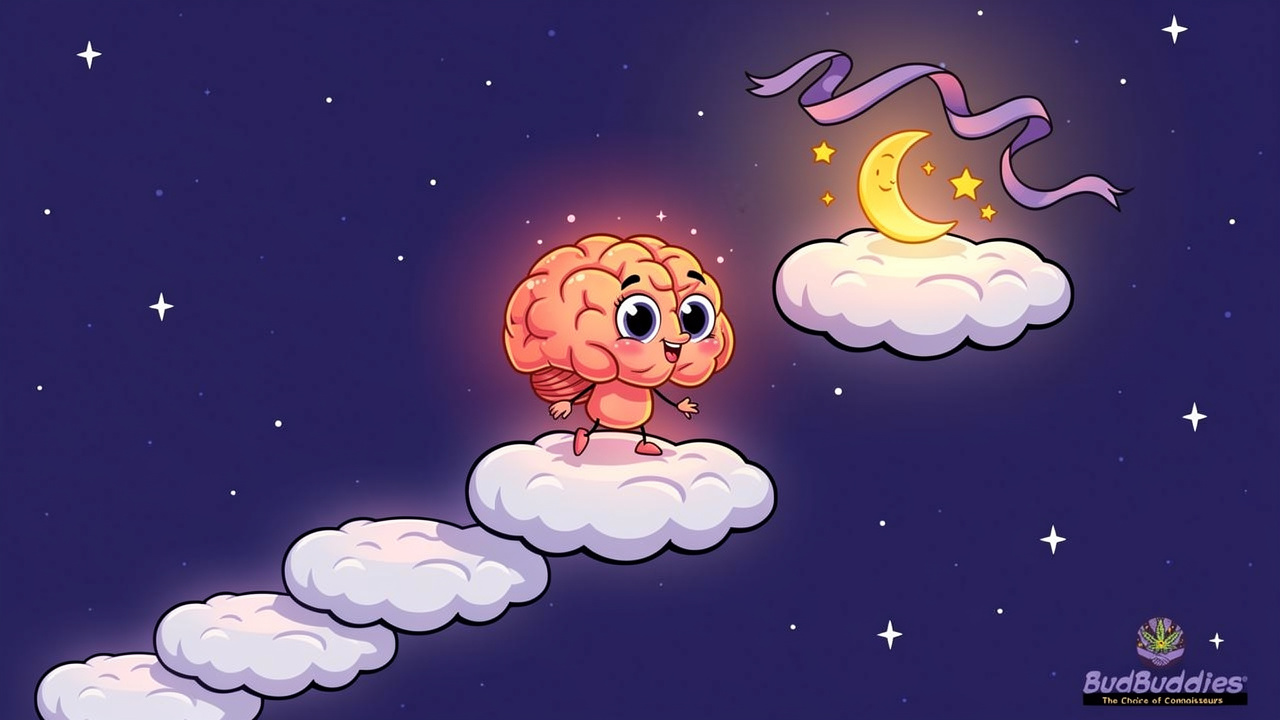
Understanding weed and REM sleep starts with knowing what REM actually is. REM sleep is the stage marked by rapid eye movement, high brain activity and vivid dreaming, alongside temporary muscle paralysis that stops you acting out your dreams. It arrives roughly 90 minutes after you fall asleep and repeats several times through the night, with each REM window growing longer towards morning. The final hours before waking often contain the richest REM sleep, which is why interrupted mornings can leave you feeling mentally foggy.
This stage does far more than produce dreams. It helps your brain consolidate memories, process emotional experiences and support learning and problem solving, so disrupting it has knock-on effects on mood and focus.
How Does Weed Affect REM Sleep?
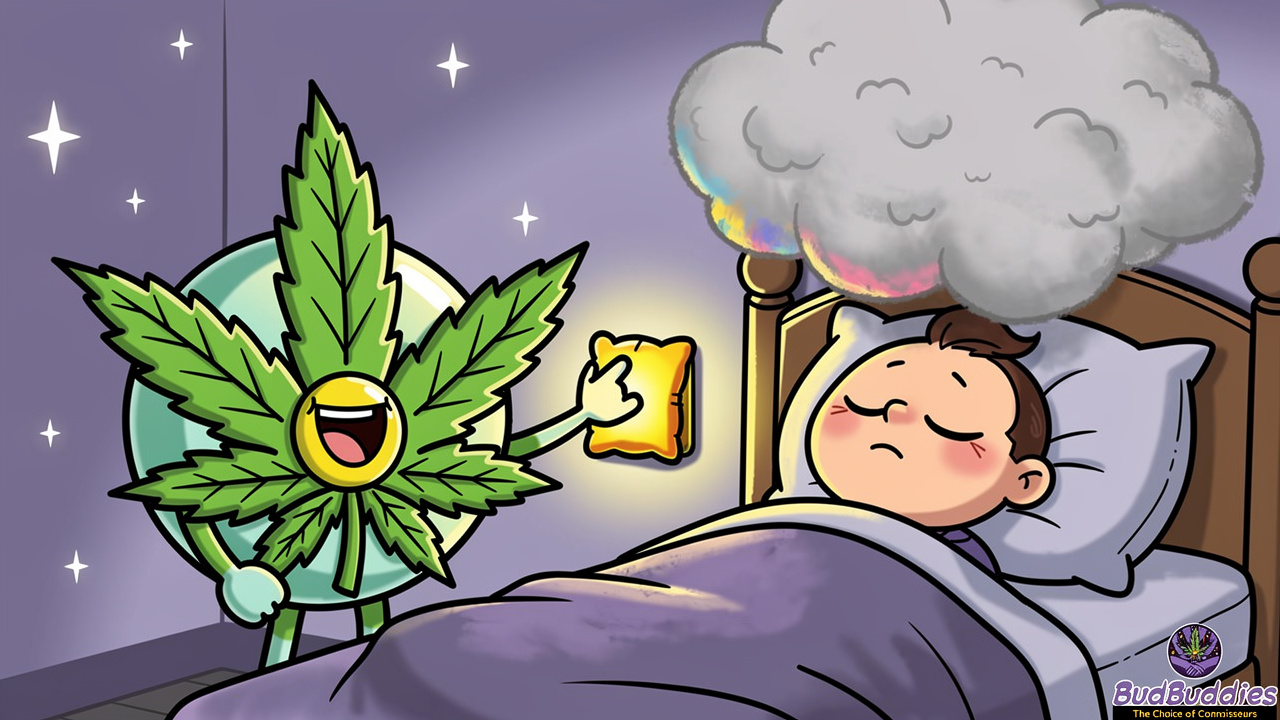
Weed affects REM sleep mainly through THC, which binds to CB1 receptors in the brain that help regulate your sleep-wake cycle. Once THC settles into these receptors, it shortens the time you spend in REM sleep while extending deep, slow-wave sleep instead. Many people find this trade-off genuinely useful at first, because it often means falling asleep faster, particularly after a stressful day. Deep sleep also feels physically restful, so early nights can feel more satisfying even when your total sleep hours stay the same.
The catch shows up in your dream life, since REM is the stage most linked to vivid, memorable dreaming. As REM time shrinks, dreams become shorter, hazier or simply harder to recall by morning. This effect tends to grow stronger with regular use or higher doses:
Someone smoking flower nightly will usually notice more dream suppression than an occasional user having a low-dose gummy.
A cross-sectional polysomnography study of chronic cannabis users describes this pattern consistently across THC-heavy products, whether smoked, vaped or eaten.
None of this means cannabis ruins your sleep outright, since many people still wake up feeling rested.
It simply means the balance between sleep stages shifts, and that trade-off is worth understanding before you rely on weed as a nightly sleep aid.
Why Do You Dream Less on Weed?
Dreaming less on weed doesn’t mean you’ve stopped dreaming completely. It means you’re spending less time in the REM stage where vivid, memorable dreams happen, so what does occur may be shorter or fade before you wake enough to recall it. Some people welcome this, especially those prone to nightmares, whilst others miss the emotional processing dreams seem to offer.
THC vs CBD: Do They Affect REM Sleep the Same Way?
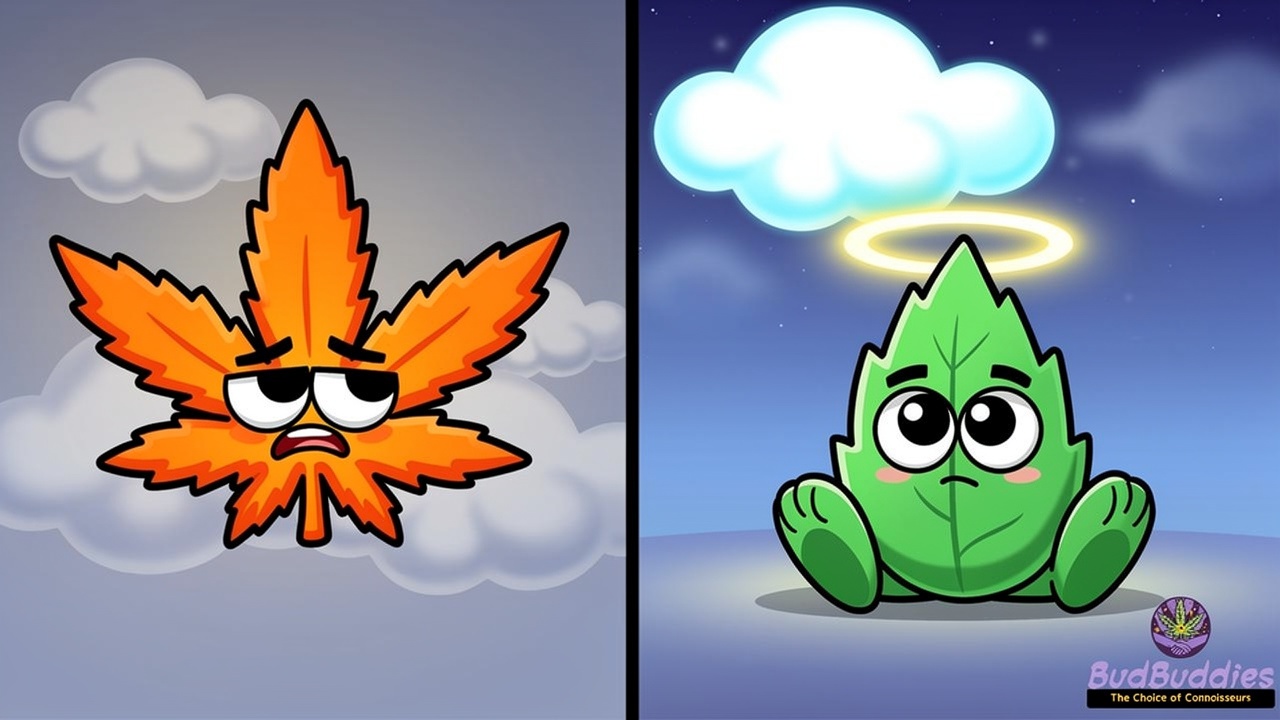
THC and CBD affect REM sleep quite differently, a distinction sleep physicians are increasingly asked to explain to patients, which matters if you’re choosing products with sleep quality in mind. THC is the compound most responsible for REM suppression, particularly at higher doses or with nightly use. CBD, the non-psychoactive cannabinoid, behaves more gently and appears to have a more neutral or balancing effect on REM stages rather than cutting into them.
At lower doses, CBD may even support alertness, whilst higher doses tend to ease anxiety and promote relaxation without heavy sedation. For anyone weighing up weed and REM sleep against a calmer alternative, products with a higher CBD-to-THC ratio, or balanced blends, may offer sleep support while preserving more natural sleep architecture.
What Is REM Rebound and What Happens When You Stop?
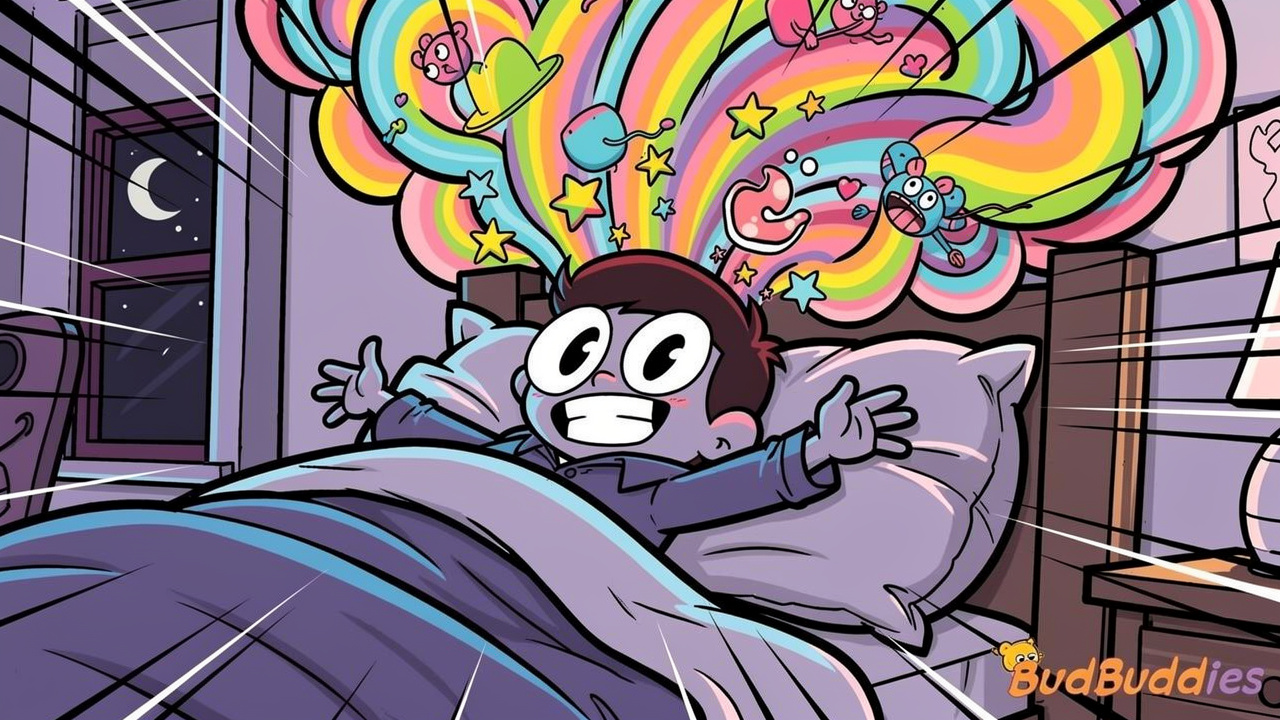
REM rebound is what happens when your brain tries to make up for REM sleep it missed during a period of regular THC use. Once you stop or cut back, the brain effectively overcorrects, pushing you into longer and more intense REM stretches than usual. This often shows up as unusually vivid dreams, and sometimes nightmares, that can catch people off guard if they don’t expect it.
REM rebound is temporary and well documented, typically peaking within the first few days and settling within a few weeks.
How long it lasts depends on how long and how heavily you’d been using cannabis beforehand, along with your own body chemistry. Knowing this in advance can make the adjustment period feel far less unsettling.
Which Strains, Terpenes and Formats Matter Most for Sleep?
Strain choice and terpene content shape how strongly cannabis affects your sleep, often more than whether a strain is labelled indica or sativa. This matters for anyone thinking about weed and REM sleep together, since terpenes like myrcene and linalool are widely associated with calming, muscle-relaxing effects that support easier sleep onset, a connection explored in detail in evidence-based cannabis sleep research. BudBuddies lists lab-tested cannabinoid and terpene results on its products, so you can see myrcene and linalool levels before you buy rather than guessing from a strain name alone.
Format matters just as much as strain:
Flower and vapes act quickly, which suits settling down fast but may wear off before morning.
Oils, edibles and evening drinks release more slowly, and can support sleep through the night.
Matching format to whether you struggle with falling asleep or staying asleep makes a real difference to results.
How Can You Use Weed for Sleep Responsibly?
Using weed responsibly for sleep starts with dose control rather than reaching for the strongest product available. Starting around 2 to 5mg of THC and adjusting slowly gives your body room to find what actually works. This helps you avoid overshooting into grogginess or heavier REM suppression than you need. Taking occasional breaks from nightly use also helps keep tolerance in check and softens rebound effects when you do pause.
Timing helps too, since using cannabis a couple of hours before bed rather than right before sleep lets the strongest psychoactive effects settle first. The platform provides clear potency information and dosing guidance across its range, making it easier to keep doses consistent from one order to the next. If you take medication or have existing sleep concerns, checking with a healthcare professional first is always sensible.
The Takeaway
Weed changes REM sleep mainly through THC, trading faster sleep onset and deeper rest for less dreaming and lighter dream recall, particularly with regular or high-dose use, a trade-off confirmed by a systematic review and meta-analysis of cannabis and sleep architecture. CBD offers a gentler alternative, easing anxiety and supporting relaxation without the same impact on REM stages. Rebound dreaming after stopping THC is normal and temporary, and strain, terpene profile and format all shape how noticeable these effects feel.
The right approach depends on what you personally want from your sleep, whether that’s fast onset, staying asleep through the night, or simply dreaming a little more. BudBuddies’ lab-tested, terpene-labelled sleep range makes it easier to compare options and find your own balance with confidence, rather than guessing your way there.
Frequently Asked Questions
Cannabis and sleep raise plenty of follow-up questions, especially once you notice changes in your dreams. Below are quick, clear answers to the most common questions about weed and REM sleep, covering individual differences, product formats, rebound effects and where CBD fits in. These answers are designed to stand alone, so you can jump straight to what matters most to you.
Does Weed Affect Everyone’s REM Sleep In The Same Way?
No, responses vary quite a bit between people. Dosage, how often you use cannabis, your chosen consumption method, and your own body chemistry all influence how much REM sleep changes. Someone using a low dose occasionally will typically notice far less disruption than a regular, high-dose user.
Can Vaping Or Edibles Affect REM Sleep Differently To Smoking Flower?
Yes, onset speed and duration differ quite a lot by format. Flower and vapes act quickly but fade sooner, whilst edibles take longer to kick in but last through more of the night, which can shift exactly when REM suppression happens during your sleep cycle.
Is It Bad To Dream Less Because Of Weed?
Not inherently, and it’s rarely harmful in the short term. Some people appreciate fewer nightmares, whilst others feel they miss out on the emotional processing and creativity that dreaming supports, so it really comes down to personal preference and how you feel day to day.
How Long Does REM Rebound Last After Quitting Weed?
Most people notice REM rebound settle within a few days to a few weeks after stopping regular THC use. The exact timeline depends on how long and how heavily you’d been using cannabis, along with your individual body chemistry and general sleep patterns.
Can CBD Alone Help You Sleep Without Affecting REM?
CBD has a far gentler, more neutral profile than THC when it comes to REM sleep. It may ease anxiety and support relaxation without heavy sedation, and the brand’s CBD sleep range offers a THC-free option for those wanting support without the same REM trade-off.
Does Taking Tolerance Breaks Help Protect REM Sleep?
Yes, periodic breaks from cannabis use help prevent tolerance building up, which in turn reduces how much REM suppression builds over time. Breaks also tend to soften the intensity of rebound dreaming once you return to regular use.

